In This Article
What This Means
- Why Cryptographic Inventory Is a Strategic Imperative
- The Enterprise Implications of Cryptographic Inventory
- How QuantumGenie Fits into the Cryptographic Inventory Challenge
Why Cryptographic Inventory Is a Strategic Imperative
As enterprises confront the looming threat of quantum-enabled attacks, understanding where and how cryptography is used across their environment is paramount. The QNu Labs article highlights that a cryptographic inventory — a systematic catalog of all cryptographic algorithms, protocols, certificates, and keys in use — is not just helpful but essential to achieving post-quantum readiness. Without this visibility, organizations risk missing vulnerable footholds that adversaries could exploit once quantum decryption becomes feasible.
This inventory forms the backbone for all subsequent steps: assessing which cryptographic assets require urgent migration, understanding integration and data flow dependencies, and ultimately orchestrating the shift to quantum-resistant algorithms. The sheer diversity and distribution of cryptography across websites, certificates, infrastructure, and code demand automated, scalable discovery approaches to produce a trustworthy inventory.
The Enterprise Implications of Cryptographic Inventory
From a practical perspective, maintaining an up-to-date cryptographic inventory enables CISOs and security teams to prioritize high-risk assets and plan migration in a phased, manageable way. This mitigates business disruption risk and aligns technical remediation with compliance deadlines. Armed with comprehensive crypto asset data, teams can simulate and test migration scenarios against current infrastructure.
Additionally, the inventory supports continuous crypto-agility: enterprises can monitor cryptographic changes, new deployments, or legacy assets that reappear, ensuring long-term resilience against evolving quantum threats. The discovery-driven approach emphasized by Quantumize aligns tightly with this imperative, reinforcing that no post-quantum readiness effort succeeds without foundational transparency.

Key Components of Cryptographic Inventory for Post-Quantum Readiness
| Component Type | Description | Enterprise Benefit |
|---|---|---|
| Cryptographic Algorithms | Catalog of symmetric, asymmetric, and hash algorithms in use | Identifies quantum-vulnerable primitives for prioritization |
| Certificates and Keys | List of active certificates and their key details, including expiration | Ensures timely renewal and migration before expiry |
| Protocols and Implementations | Inventory of cryptographic protocols and software libraries deployed | Helps map dependencies and integration points |
| Applications and Services | Identification of apps/services using cryptography | Supports impact analysis during migration planning |
How QuantumGenie Fits into the Cryptographic Inventory Challenge
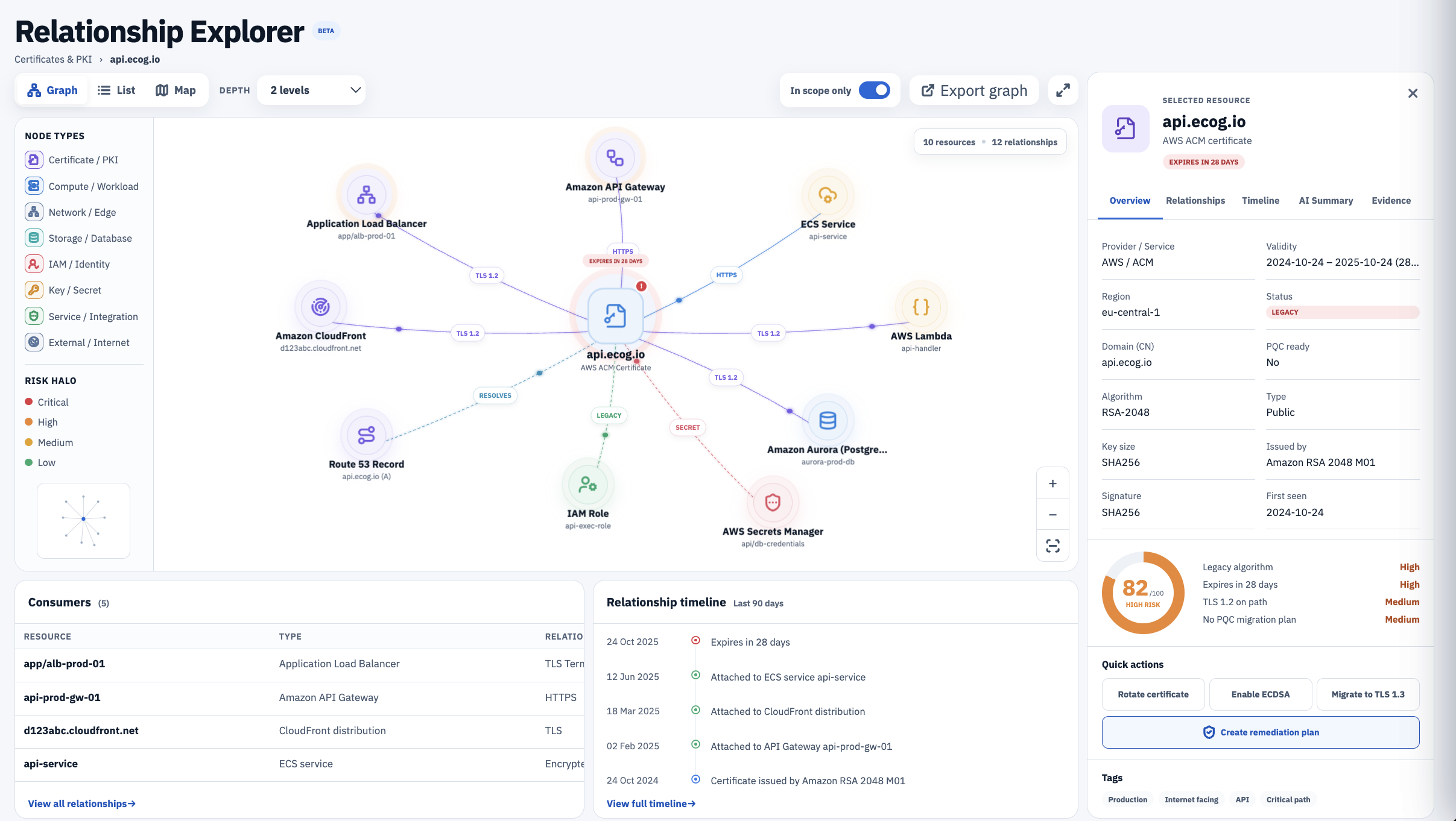
QuantumGenie's CipherScan platform directly addresses the key challenge underscored by the QNu Labs story: discovering and cataloging cryptographic assets broadly across enterprise ecosystems. CipherScan harvests cryptography data from websites, certificates, source code, databases, applications, and integrations to build a detailed cryptographic inventory and component bill of materials (CBOM).
This inventory becomes the actionable foundation to prioritize migration risk and plan crypto-agility strategies methodically. By integrating automated discovery with policy enforcement and remediation workflow management via the CipherNova module, QuantumGenie enables enterprises to operationalize their post-quantum migration programs efficiently and with confidence.
Frequently Asked Questions
Why is a cryptographic inventory critical before initiating post-quantum migration?
A cryptographic inventory provides the necessary visibility into all cryptographic assets across an enterprise, enabling accurate risk assessment, prioritization, and planning. Without it, organizations risk missing vulnerable points, leading to incomplete or ineffective migration efforts.
How often should enterprises update their cryptographic inventory?
Enterprises should update their cryptographic inventory continuously or at least regularly to capture new deployments, changes in cryptographic use, and to maintain an accurate baseline for monitoring and migration management. This ensures long-term crypto-agility and resilience.
Watch The Quantum Threat
Sources And Further Reading
- Understanding Cryptographic Inventory and Its Importance QNu Labs · Jun 17, 2026
- Quantumize's Platform for Post-Quantum Readiness Quantumize · Jul 9, 2026