In This Article
What This Means
- Ransomware’s Quantum Leap and Enterprise Impact
- Enterprise Crypto-Agility: The Strategic Defense
- Wie QuantumGenie Passt
Ransomware’s Quantum Leap and Enterprise Impact
A new frontier in cyber threats has been crossed as ransomware operators adopt post-quantum cryptographic algorithms, such as Kyber, to secure their malicious payloads and communications. This unprecedented use of quantum-resistant encryption by attackers complicates traditional detection and mitigation strategies. Enterprises can no longer rely solely on legacy cryptographic defenses or reactive cybersecurity methods: the threat now conceals itself behind robust, quantum-safe cryptography that resists classical decryption techniques. The urgency for organizations is clear — without detailed cryptographic visibility and adaptable mitigation planning, enterprises risk falling behind asymmetric threat advancements that exploit this new encryption frontier.
The adoption of post-quantum cryptography by ransomware signals a paradigmatic shift in attacker capabilities and tactics. Organizations face increased pressure to discover exactly where sensitive cryptography exists in their infrastructure, including legacy systems, source code, certificates, and applications. Comprehensive cryptographic inventories become the foundation for assessing risk and planning prioritized migration paths that address the riskiest points of exposure first. This strategic foresight is no longer optional — it is imperative to mitigate potential harvest-now-decrypt-later threats and ensure cyber resilience.
Enterprise Crypto-Agility: The Strategic Defense
Enterprises must embrace crypto-agility, the ability to seamlessly transition among cryptographic algorithms and standards, as a central pillar of cyber resilience. This agility allows security teams to rapidly adapt defenses in response to evolving threats such as ransomware leveraging post-quantum cryptography. Crypto-agility entails not only migrating to post-quantum algorithms but also maintaining operational readiness for future changes, enabling swift swaps and policy enforcement without disruption.
Operationalizing crypto-agility requires orchestrated workflows to evaluate cryptographic exposure, prioritize upgrades, and implement remediation plans with verification. Enterprises must integrate discovery and risk prioritization into IT and security governance. This enables tactical responses to emerging threats, ensuring encryption strategies remain robust against adversaries wielding advanced cryptographic tools. As highlighted by complementary industry analysis, crypto-agility is emerging as a critical capability for future-proofing cybersecurity frameworks in the quantum era.
Enterprise Strategic Responses to Post-Quantum Ransomware Challenges
| Strategic Focus | Enterprise Actions | QuantumGenie Role |
|---|---|---|
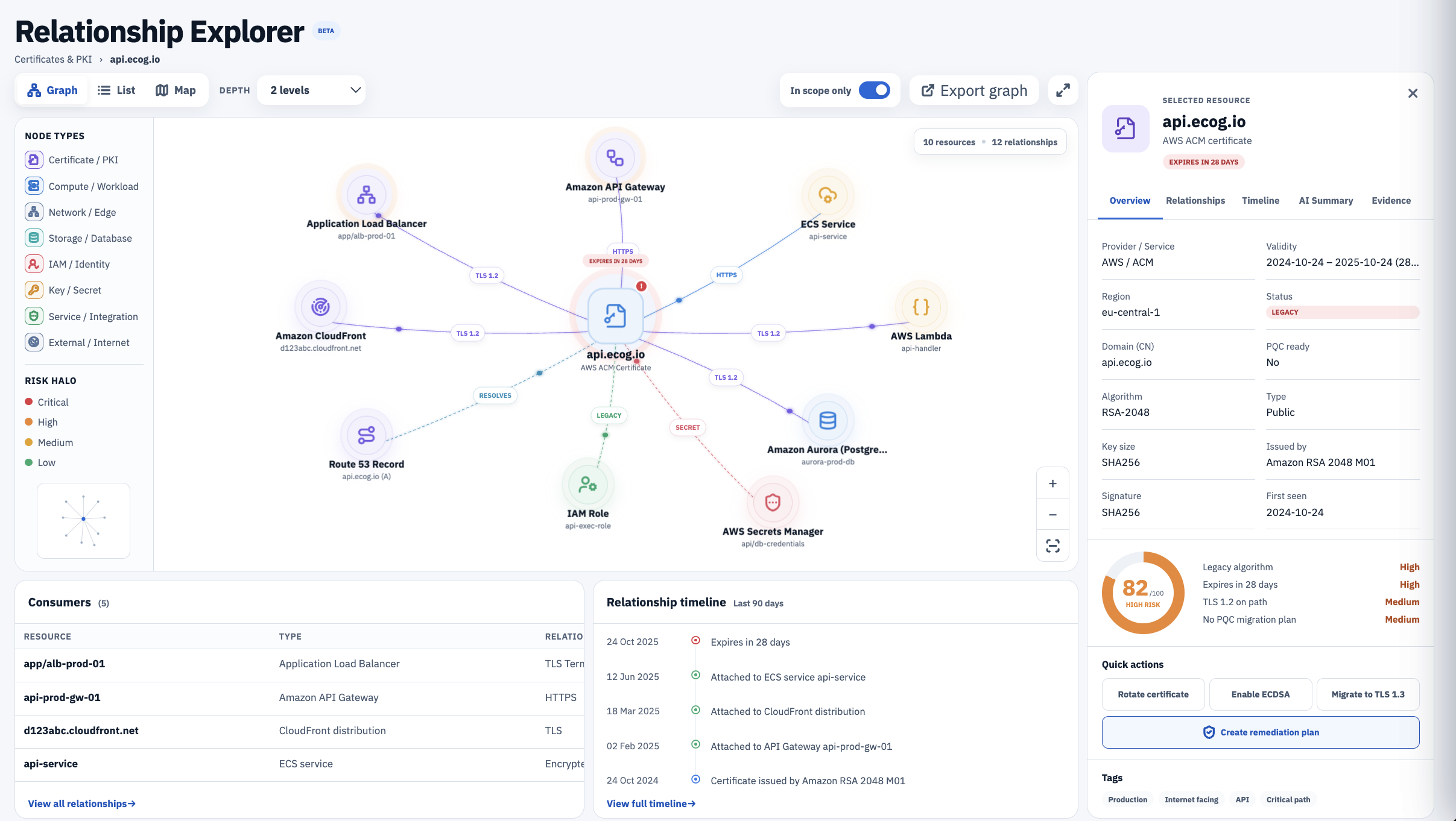
| Cryptographic Discovery | Identify all cryptographic assets across digital infrastructure | Comprehensive cryptographic inventory and CBOM creation |
| Risk Prioritization | Assess and rank assets for migration based on exposure and threat | Prioritization dashboards and risk scoring |
| Crypto-Agility Implementation | Enable flexible migration to post-quantum algorithms and future adaptations | Orchestration of remediation, workflow checks, pull requests |
| Compliance and Verification | Maintain audit trails and evidence for regulatory readiness | Policy exception tracking and migration verification |
Wie QuantumGenie Passt
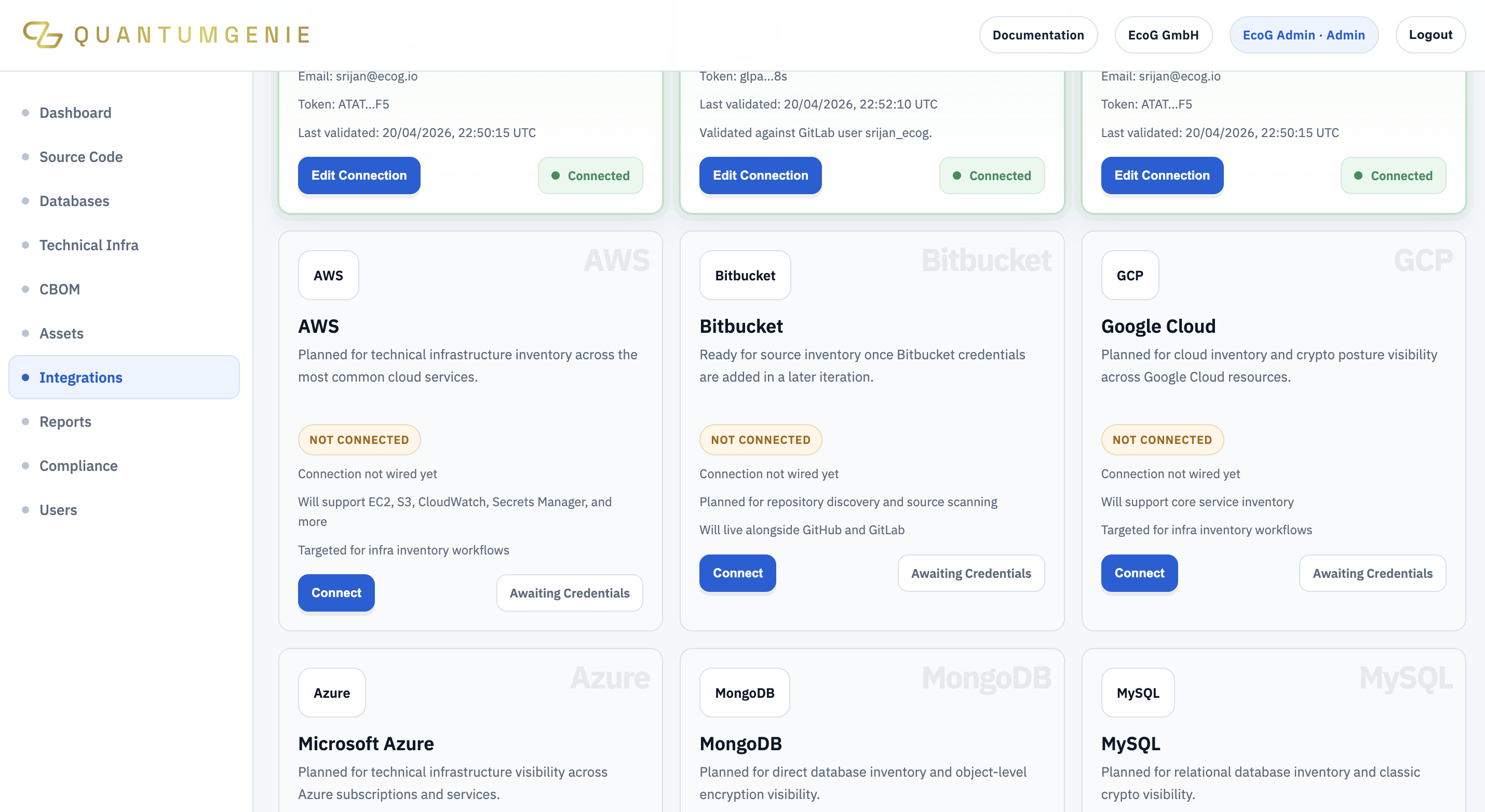
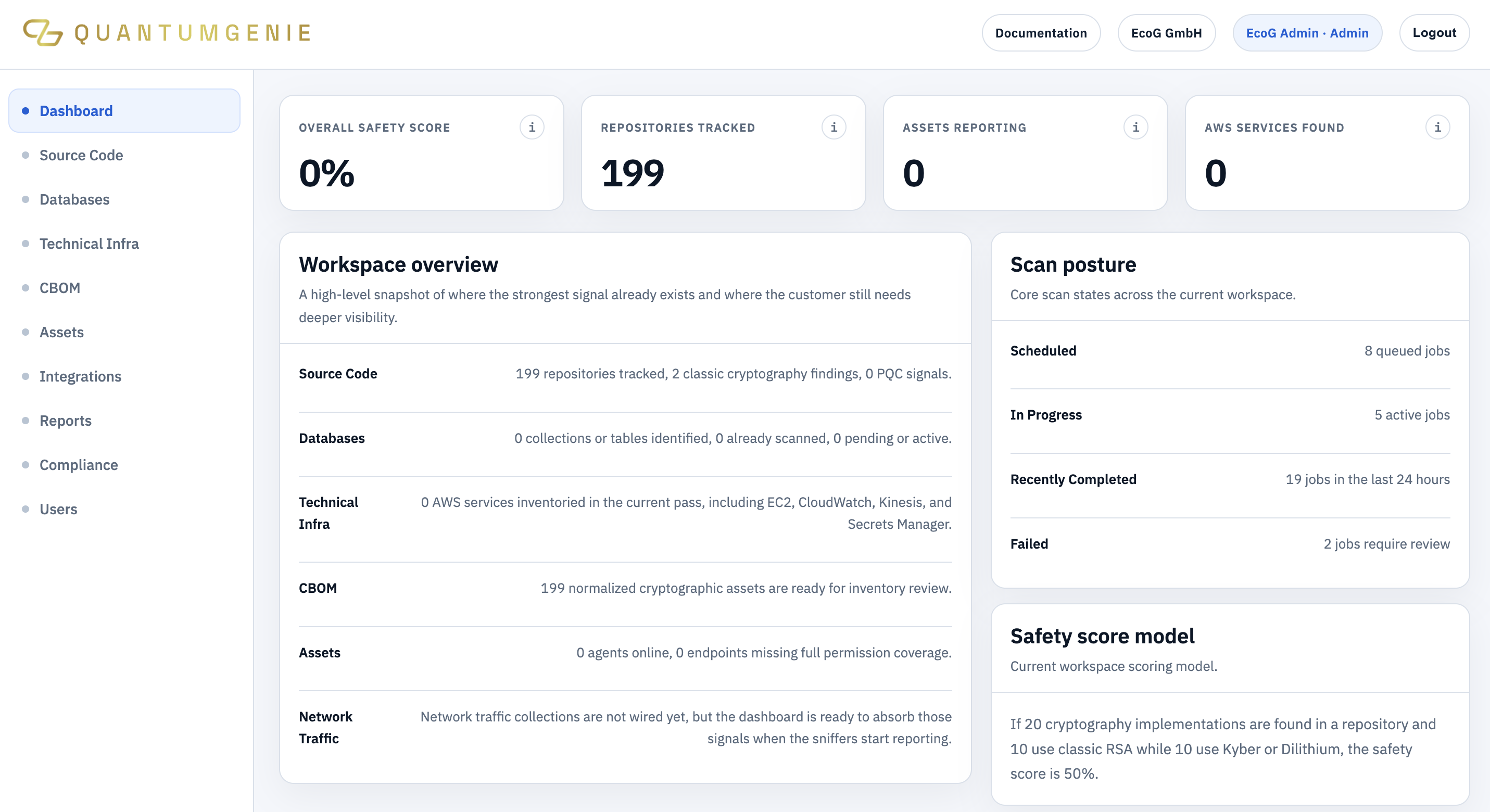
QuantumGenie provides the essential infrastructure enterprises need to meet the challenges introduced by post-quantum ransomware. By delivering comprehensive cryptographic discovery across websites, certificates, source code, infrastructure, and applications, QuantumGenie builds an authoritative cryptographic inventory and Software Bill of Materials (CBOM). This visibility empowers security leaders to understand exposure comprehensively and prioritize migration risks effectively.
Moreover, QuantumGenie's CipherScan and CipherNova platforms operationalize crypto-agility workflows—enabling prioritized remediation planning, pull request orchestration, policy exceptions management, and migration verification. This workflow-based approach ensures timely and auditable transition to quantum-safe algorithms, directly addressing the evolving tactics of ransomware actors leveraging post-quantum cryptography. In essence, QuantumGenie transforms strategic enterprise imperatives into actionable and governable cryptographic migration programs that enhance resilience and compliance readiness.
Frequently Asked Questions
Why is ransomware using post-quantum cryptography a serious concern for enterprises?
Ransomware leveraging post-quantum cryptography can evade detection and resist classical decryption methods, making traditional cybersecurity defenses ineffective. Enterprises must therefore enhance cryptographic visibility and agility to counteract these sophisticated attacks.
How does crypto-agility strengthen enterprise security in the post-quantum era?
Crypto-agility allows organizations to rapidly adapt and transition cryptographic algorithms and protocols as threats evolve. This flexibility ensures continuous protection and compliance, minimizing risk from emerging quantum-powered attacks.
Watch The Quantum Threat
Sources And Further Reading
- When Ransomware Goes Post-Quantum: What Enterprises Must Do Now to Stay Ahead QuantumGenie Blog · Jul 12, 2026
- Cyber resilience in the post-quantum era: the time of crypto-agility TechRadar · Aug 25, 2025