In This Article
What This Means
- NIST Finalizes PQC Standards: The Implication for Enterprises
- Challenges and the Need for Crypto-Agility
- How QuantumGenie Fits in Quantum-Ready Enterprise Security
NIST Finalizes PQC Standards: The Implication for Enterprises
The recent finalization of the National Institute of Standards and Technology (NIST) post-quantum cryptography (PQC) standards marks a watershed moment in cybersecurity. Enterprises worldwide are receiving a clear signal that the era of classical cryptography is ending and that a comprehensive migration to quantum-resistant algorithms is imperative. As detailed by SecurityToday, waiting is not an option; organizations must embark immediately on revising their encryption schemes to safeguard sensitive data against the looming threat of powerful quantum computers.
The magnitude of this shift cannot be overstated. According to PR Newswire, this transition represents a multibillion-dollar overhaul across industries, involving not only new algorithms but also re-architected security frameworks. Enterprises must treat this as a strategic priority, integrating post-quantum readiness into cybersecurity roadmaps and budgets to avoid catastrophic exposure. The stakes include both protecting intellectual property and meeting evolving compliance regimes.
Challenges and the Need for Crypto-Agility
Implementing PQC is not as simple as swapping algorithms overnight. Continuous evolution in cryptographic standards and the uncertain future landscape require organizations to embed crypto-agility—the capability to rapidly adapt cryptographic systems to new technologies and threats. As seen in recent innovations in key management systems, like those reported by The Qubit Report, continuous agility in cryptographic processes is essential to maintain resilience and operational continuity.
For enterprises, this means developing flexible cryptographic frameworks capable of seamless updates without disruption. It demands not only technical expertise but also robust governance mechanisms. The migration journey involves complex discoveries, risk assessments, and prioritizations to identify which encryption assets must be transitioned first, ensuring a defensible and compliant security posture over time.

Key Considerations for Enterprise PQC Migration Post-NIST Finalization
| Consideration | Details | QuantumGenie Support |
|---|---|---|
| Comprehensive Crypto Inventory | Must identify all cryptographic assets across systems and codebases | CipherScan enables discovery and CBOM building |
| Risk Prioritization | Focus on high-risk encryption paths exposing sensitive data | Built-in analytics for prioritizing migration workflows |
| Crypto-Agility | Ability to update algorithms seamlessly in response to future threats | Orchestration of pull requests, change reviews, and verification via CipherNova |
| Compliance Readiness | Meeting emerging regulatory and policy requirements | Audit trails and certification evidence management |
How QuantumGenie Fits in Quantum-Ready Enterprise Security
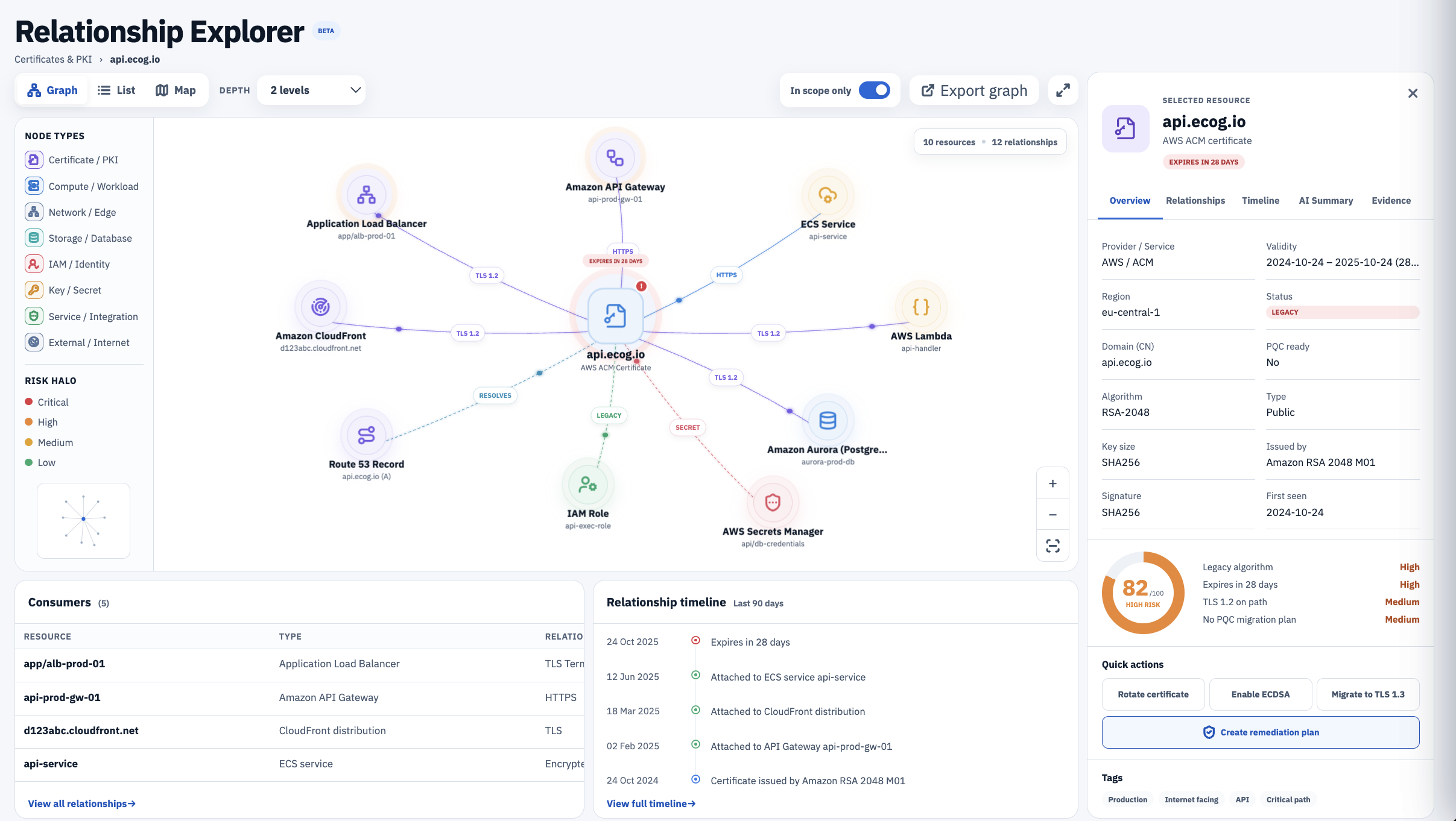
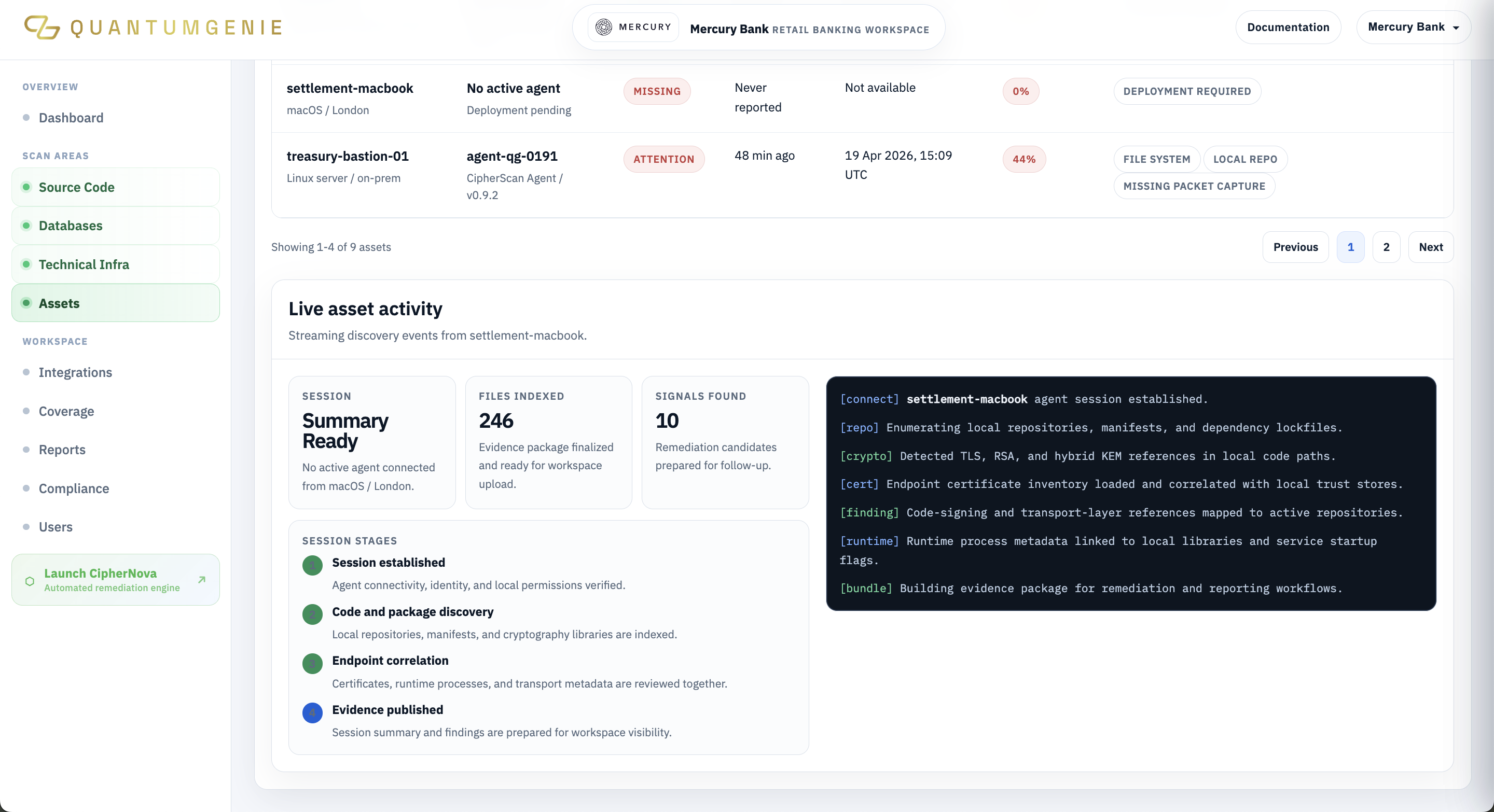
QuantumGenie occupies a critical role amid these developments by providing enterprises with the tools to uncover and manage their cryptographic footprint comprehensively. Its CipherScan discovery layer enables teams to build detailed cryptographic inventories and Component Bills of Materials (CBOMs) across websites, certificates, infrastructure, applications, and integrations—foundational steps to understanding exposure.
Building on this inventory, QuantumGenie facilitates prioritized risk analysis, migration planning, and execution workflows that embed crypto-agility at their core. This pragmatic approach aligns directly with enterprise needs now that NIST standards have solidified, supporting controlled migration strategies and compliance readiness while mitigating quantum exposure risks. Thus, QuantumGenie operationalizes the strategic movement spotlighted by SecurityToday and others, turning imperative guidance into manageable, actionable programs.
Frequently Asked Questions
Why can't enterprises delay post-quantum cryptography migration?
Delaying migration increases vulnerability to 'harvest-now, decrypt-later' attacks where adversaries collect encrypted data today to decrypt once quantum computers are available, potentially exposing sensitive information and causing irreversible damage.
How does a cryptographic inventory contribute to successful PQC migration?
A cryptographic inventory provides a complete map of where encryption is used across enterprise assets, enabling accurate risk assessment, prioritization of migration efforts, and ensuring no critical encryption points are overlooked during transition.
Watch The Quantum Threat
Sources And Further Reading
- Post-Quantum Cryptography: Enterprises Must Shift Encryption Now SecurityToday · Apr 5, 2026
- The $15 Billion Post-Quantum Migration: NIST Standards Are Final, NSA Deadlines Are Set, and Enterprise Cybersecurity Is About to Be Rebuilt from the Ground Up PR Newswire · Mar 31, 2026
- PKWARE Re-Architects Key Management for Continuous Post-Quantum Cryptographic Agility The Qubit Report · Jun 1, 2026