In This Article
What This Means
- The Growing Need for Structured Post-Quantum Migration
- Key Pillars: Lifecycle Management and Compliance Readiness
- How QuantumGenie Fits into Enterprise Migration Strategies
The Growing Need for Structured Post-Quantum Migration
Enterprises worldwide are accelerating efforts to replace vulnerable legacy cryptography with quantum-resistant algorithms. Services such as those focusing on ML-KEM and SLH-DSA implementations illustrate the practical migration activities underway to achieve compliance with emerging standards like those from NIST. However, migrating to post-quantum algorithms is more than a plug-and-play upgrade; it demands careful management of cryptographic assets to prevent operational disruption and ensure security efficacy.
Key Pillars: Lifecycle Management and Compliance Readiness
Successful post-quantum migration programs hinge on comprehensive cryptographic lifecycle management and audit readiness. The approach involves continuous discovery of cryptographic usage points, mapping these to migration priorities, and enforcing agile policies that allow seamless transitions without compromising functionality. Providing audit-ready evidence substantiates compliance and reassures regulators and stakeholders alike. Security leaders must embed these pillars in their migration strategy to maintain resilience as quantum risks escalate.

Key Components of Enterprise Post-Quantum Migration Programs
| Component | Description | Enterprise Benefit |
|---|---|---|
| Cryptographic Discovery | Comprehensive identification of cryptographic assets and usage across enterprise infrastructure | Enables accurate risk assessment and targeted migration planning |
| Migration to Quantum-Resistant Algorithms | Implementation of standards-compliant algorithms like ML-KEM, SLH-DSA | Enhances security posture against future quantum computing threats |
| Compliance Evidence and Audit Readiness | Documentation and verification of cryptographic transitions meeting regulatory standards | Builds trust with stakeholders and avoids compliance penalties |
| Cryptographic Lifecycle Management | Ongoing monitoring and policy enforcement of cryptographic assets | Ensures continuous security and operational stability during and after migration |
How QuantumGenie Fits into Enterprise Migration Strategies
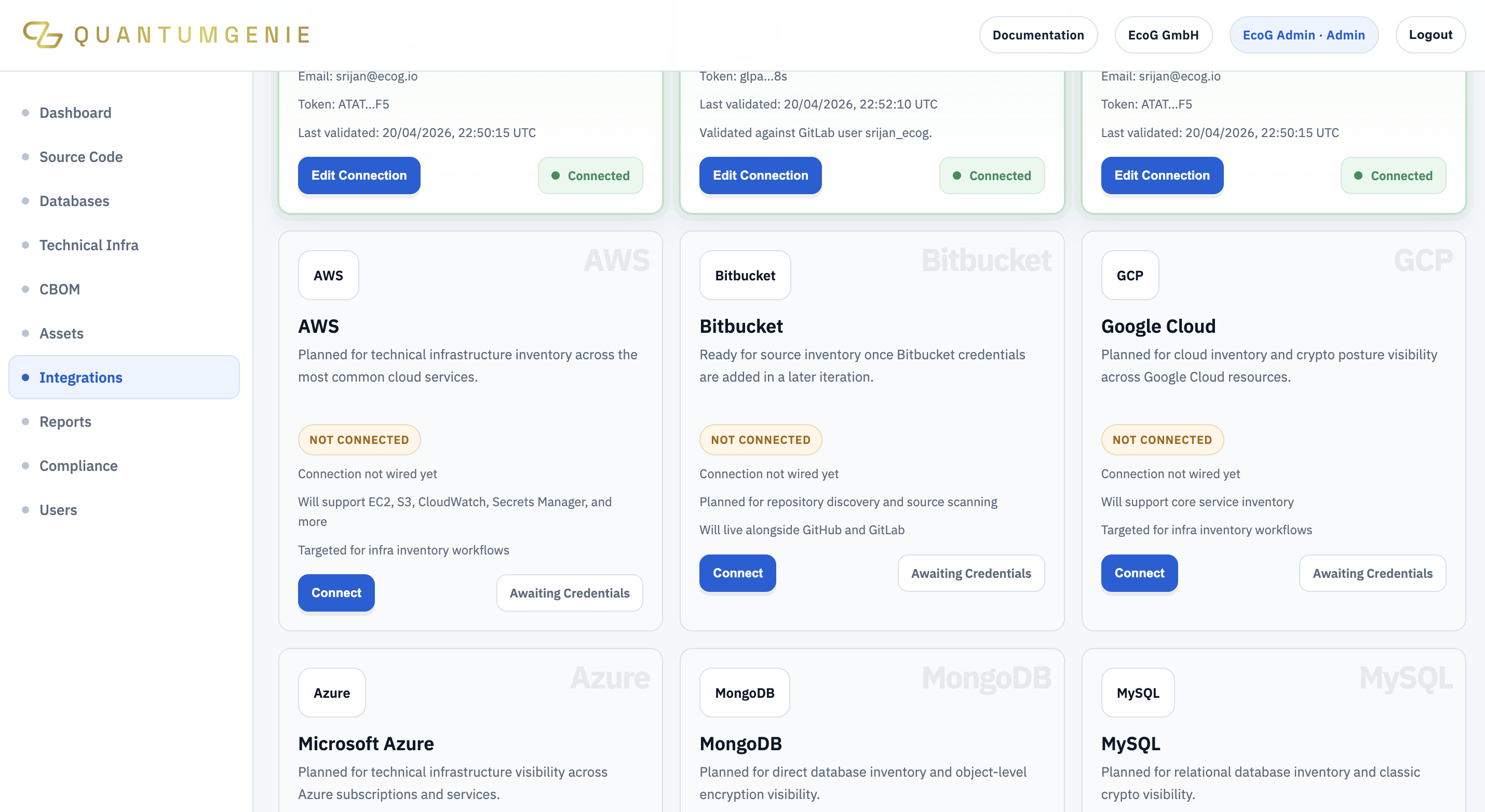
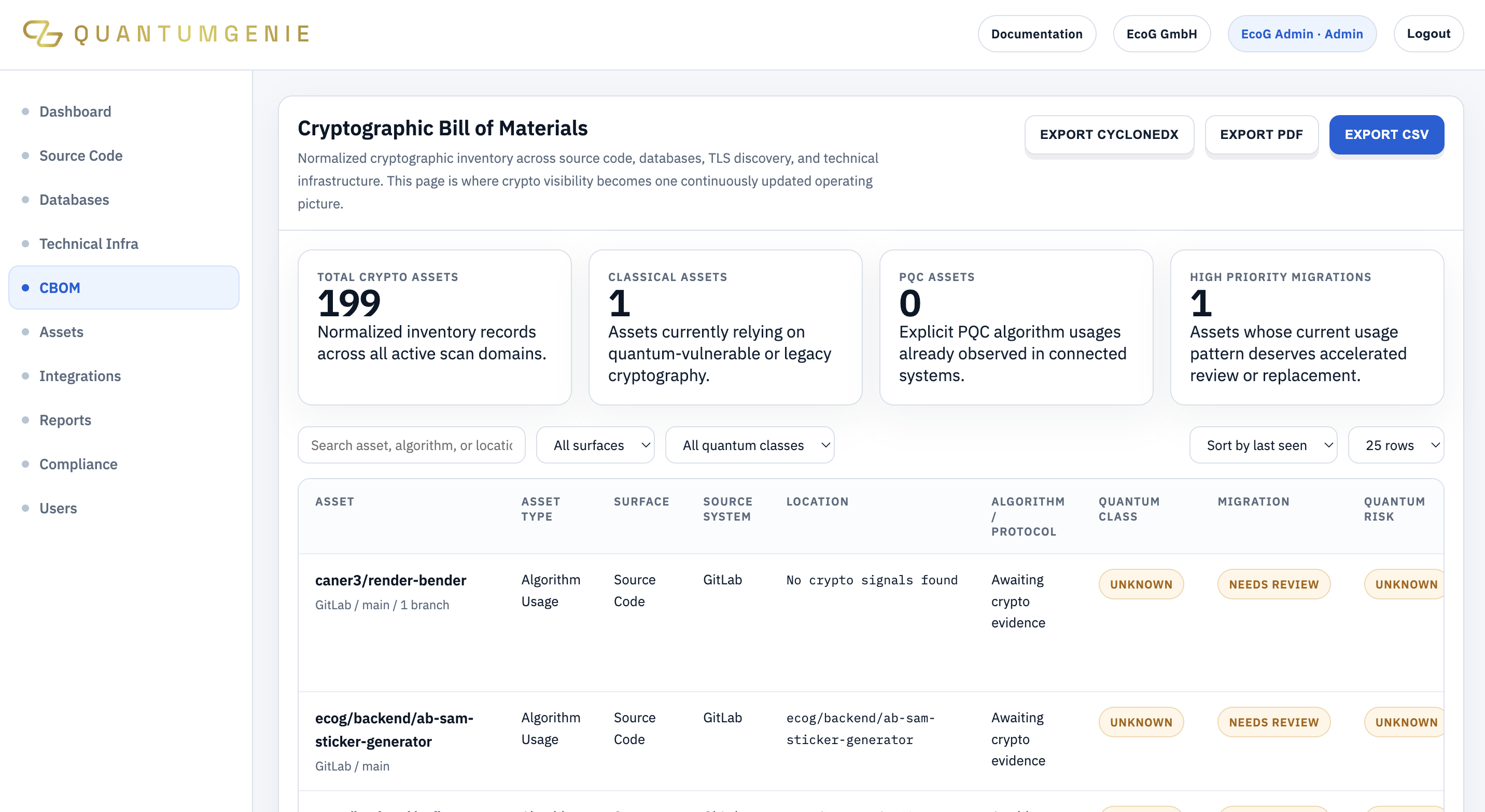
QuantumGenie's CipherScan platform directly addresses the critical first step of cryptographic discovery by inventorying crypto usage across systems, applications, and certificates, providing the actionable visibility required for prioritization. Further, QuantumGenie's capabilities complement migration services by informing plans with risk analysis and enabling workflow-driven remediation orchestration, reducing the complexity and cost of migrating to quantum-safe algorithms. This integration supports an enterprise’s end-to-end journey, ensuring readiness, agility, and compliance throughout the lifecycle.
Frequently Asked Questions
Why is cryptographic discovery critical before migrating to post-quantum algorithms?
Without thorough discovery, enterprises risk missing cryptographic assets during migration, which can lead to security gaps or system failures. Discovery informs prioritization and reduces operational risk during the upgrade process.
How does compliance readiness impact post-quantum migration efforts?
Establishing audit-ready evidence that migration steps meet standards is essential to satisfy regulatory requirements, manage risk, and demonstrate to stakeholders that the organization is proactively securing its cryptography against future threats.
Watch The Quantum Threat
Sources And Further Reading
- Post-Quantum Readiness | ML-KEM & SLH-DSA Migration | FEDLIN FEDLIN · Jul 8, 2026
- Beyond Discovery: Mastering Cryptographic Lifecycle and Agility for Post-Quantum Readiness QuantumGenie Blog · Jul 1, 2026