In This Article
What This Means
- Lifecycle Management and Runtime Agility: The New Enterprise Imperative
- Structured Migration: Lessons from Frameworks and CBOM Adoption
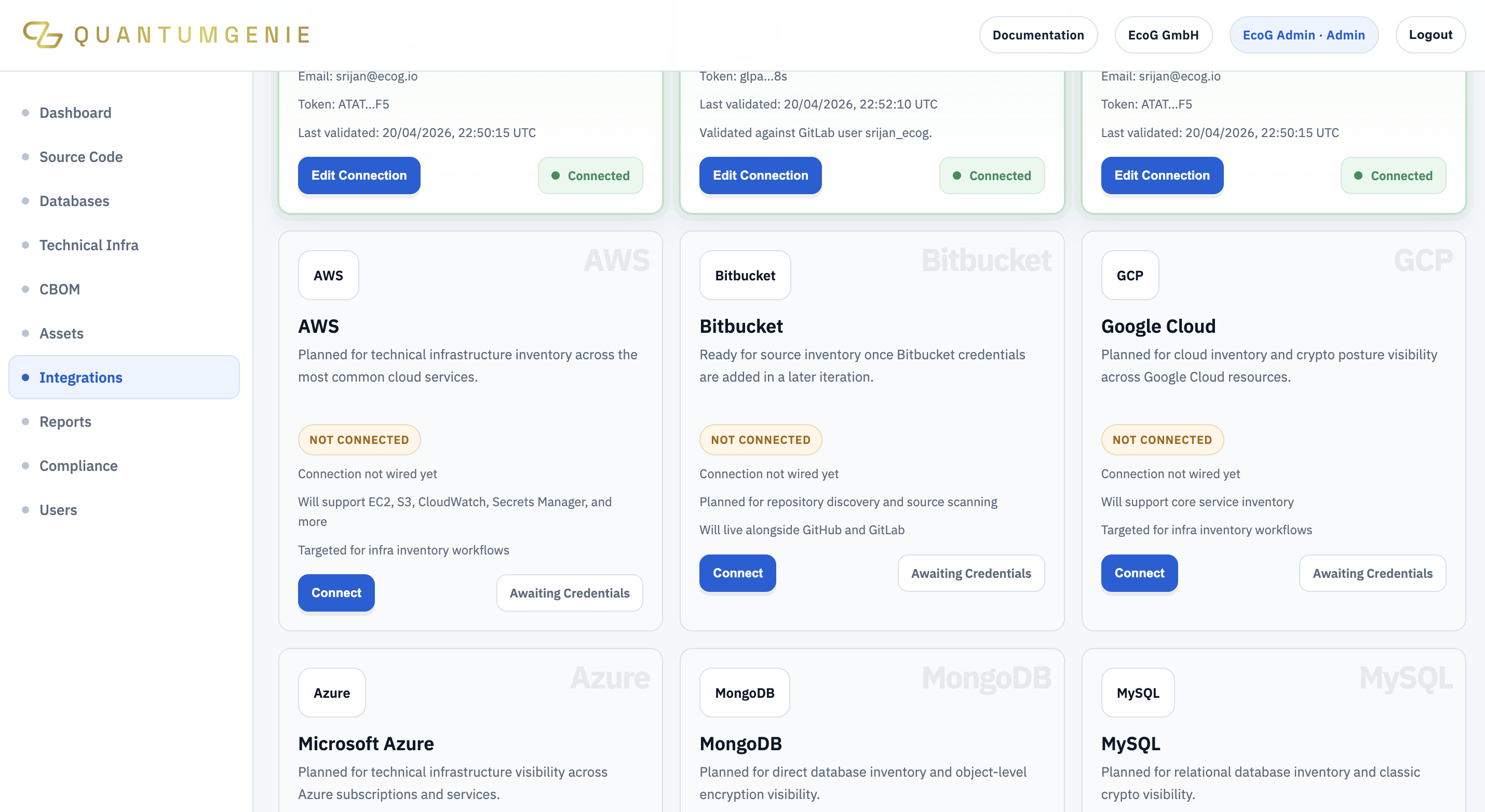
- How QuantumGenie Fits: Enterprise-Scale Crypto Lifecycle and Migration Orchestration
Lifecycle Management and Runtime Agility: The New Enterprise Imperative
The accelerated urgency to migrate to post-quantum cryptography has thrust cryptographic lifecycle management and agility to the forefront of enterprise security priorities. As highlighted by Eprion’s unified cryptographic operations platform, managing cryptographic assets does not end at initial discovery but extends through enforcement, runtime adaptation, and seamless updates to counter evolving threats. Enterprises must not only create comprehensive visibility into where cryptography exists but also maintain the agility to adjust cryptographic algorithms and policies in near real-time without service disruption.
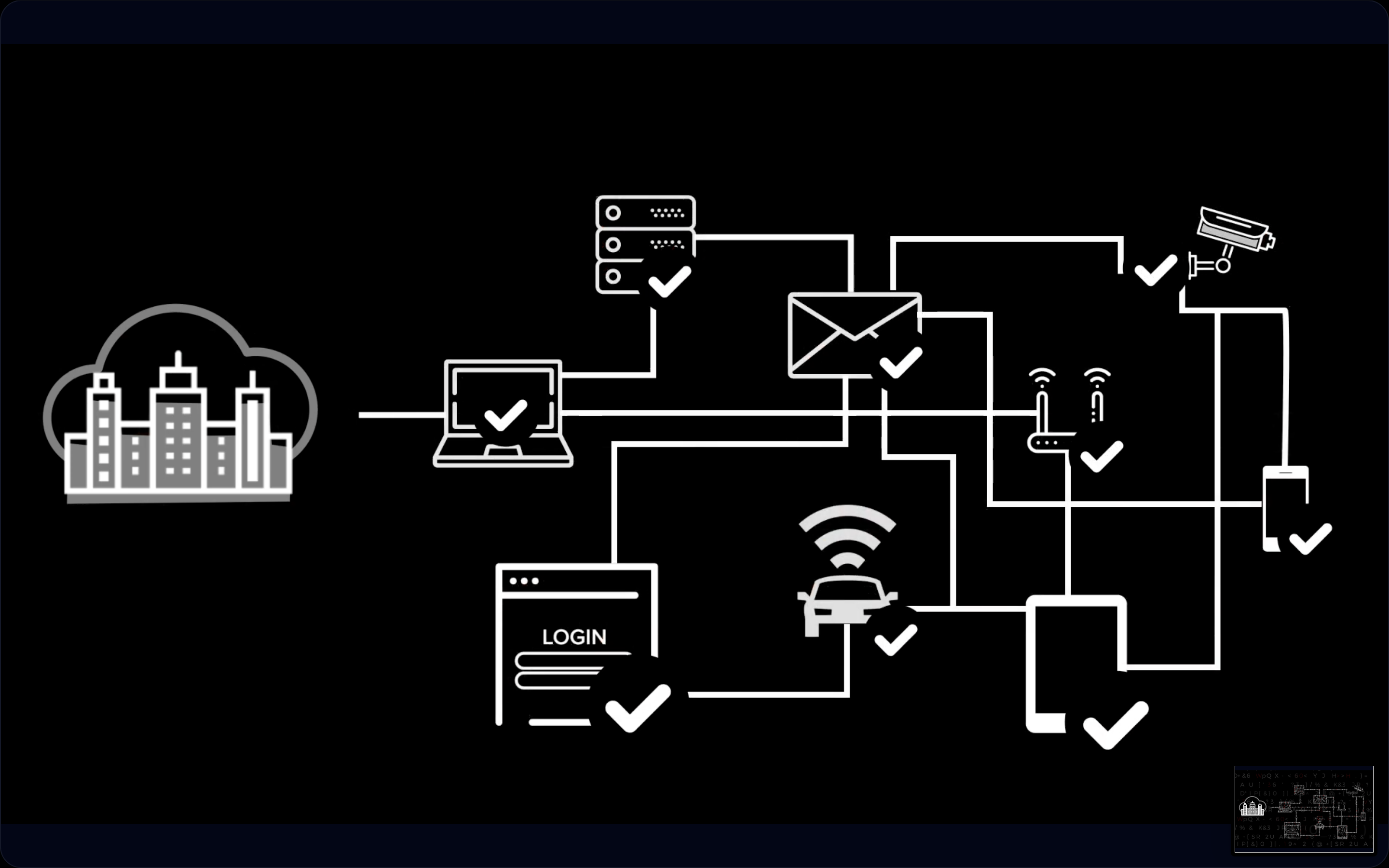
The reality of hybrid infrastructure — cloud, on-premise, and edge — complicates this challenge, requiring deeply integrated lifecycle processes that span discovery to enforcement and ongoing validation. Without an operational platform supporting this agility, organizations risk being exposed to cryptographic vulnerabilities and increased compliance penalties, especially as standards coalesce around post-quantum algorithms.
Structured Migration: Lessons from Frameworks and CBOM Adoption
Complementing operational agility is the need for a structured migration roadmap, as underscored by frameworks like the 7-phase PQC migration model presented by PQC Today. This model emphasizes cryptographic agility by introducing the cryptographic bill of materials (CBOM) concept—a rigorous inventory of cryptographic components that enables targeted upgrades and replacement planning.
Deploying such rigorous frameworks ensures that enterprises avoid ad hoc or piecemeal transitions. Instead, they execute systematic migrations that balance risk, compliance, and technical feasibility. The CBOM acts as an instrumental tool for tracking dependencies and validation points, reducing unforeseen migration blowbacks and accelerating time to compliance in quantum-safe environments.
Key Aspects of Post-Quantum Cryptographic Lifecycle and Migration
| Aspect | Importance | Enterprise Benefit |
|---|---|---|
| Cryptographic Discovery | Foundational for visibility into cryptographic assets | Enables accurate risk assessment and planning |
| Runtime Agility | Capacity to update cryptographic algorithms without downtime | Reduces operational risk and support costs |
| Cryptographic Bill of Materials (CBOM) | Inventory mapping of all cryptographic components | Facilitates systematic migration and compliance readiness |
| Migration Frameworks | Structured approach for transitioning cryptography | Improves execution discipline and reduces errors |
How QuantumGenie Fits: Enterprise-Scale Crypto Lifecycle and Migration Orchestration
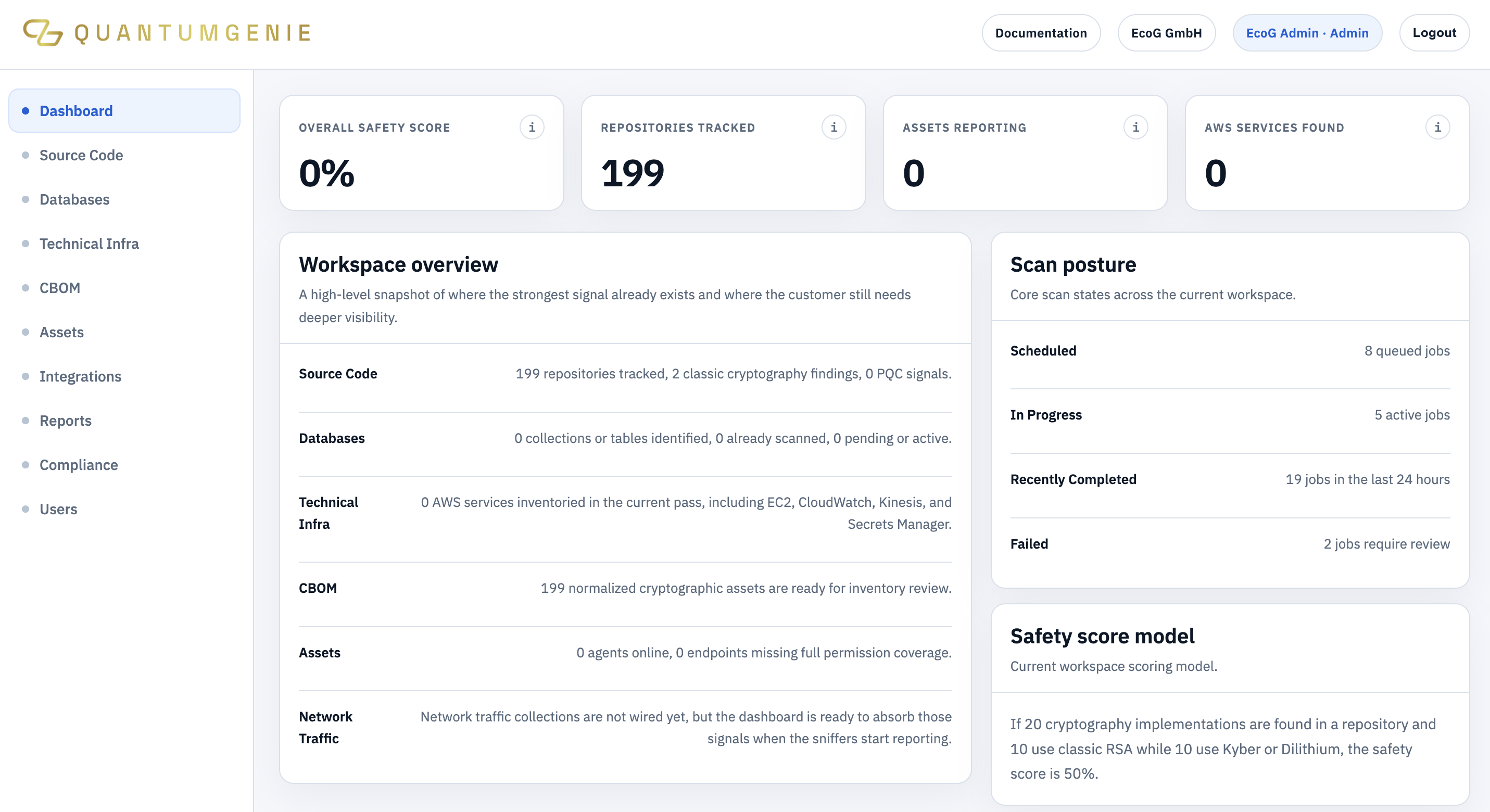
QuantumGenie positions itself as a practical infrastructure solution that addresses the dual challenge of cryptographic visibility and migration orchestration. By combining its CipherScan discovery platform with CipherNova’s remediation workflow capabilities, QuantumGenie enables enterprises to build and maintain an authoritative cryptographic inventory and CBOM essential for lifecycle management.
Furthermore, QuantumGenie supports risk prioritization for remediation efforts and operationalizes migration through workflow automation and validation checkpoints. This capability aligns directly with the operational agility and structured migration imperatives discussed, helping CISOs and architects govern, monitor, and evolve their cryptographic estate confidently amid growing quantum computing threats.
Frequently Asked Questions
Why is cryptographic inventory critical for post-quantum transition?
Accurate inventory of cryptographic assets allows organizations to understand their exposure, dependencies, and risks, which is essential for prioritizing remediation and planning migration to quantum-safe algorithms.
How does runtime agility benefit enterprises in post-quantum cryptography?
Runtime agility enables enterprises to update cryptographic algorithms and policies dynamically without service interruptions, providing resilience against emerging threats and compliance with evolving standards.
Watch The Quantum Threat
Sources And Further Reading
- Eprion – Post-Quantum Agility & CryptoOps Eprion · Jun 27, 2026
- Crypto Agility — 7-Phase PQC Migration Framework & CBOM PQC Today · Jun 29, 2026