In This Article
What This Means
- Quantifying Quantum Risk in Enterprise Cloud Security
- From Theory to Practice: The Need for Detailed Cryptographic Asset Visibility
- How QuantumGenie Supports Enterprise Post-Quantum Cloud Migration Planning
Quantifying Quantum Risk in Enterprise Cloud Security
As quantum computing advances, enterprises must urgently address the vulnerability of classical cryptographic algorithms, especially in cloud environments where diverse workloads and infrastructures coexist. A recent study published in Springer Nature Link introduces a comprehensive framework integrating NIST’s post-quantum cryptography (PQC) standards with a cloud-specific threat model. Crucially, it employs a timing-risk model based on Mosca’s inequality to quantitatively estimate when quantum adversaries might realistically compromise existing cryptography.
This quantitative assessment transcends generic timelines by creating actionable risk thresholds, enabling enterprises to prioritize cryptographic transitions that defend cloud services before adversaries can exploit quantum capabilities. This approach equips CISOs and architects with a data-driven basis for migration scheduling rather than reactive security fixes.
From Theory to Practice: The Need for Detailed Cryptographic Asset Visibility
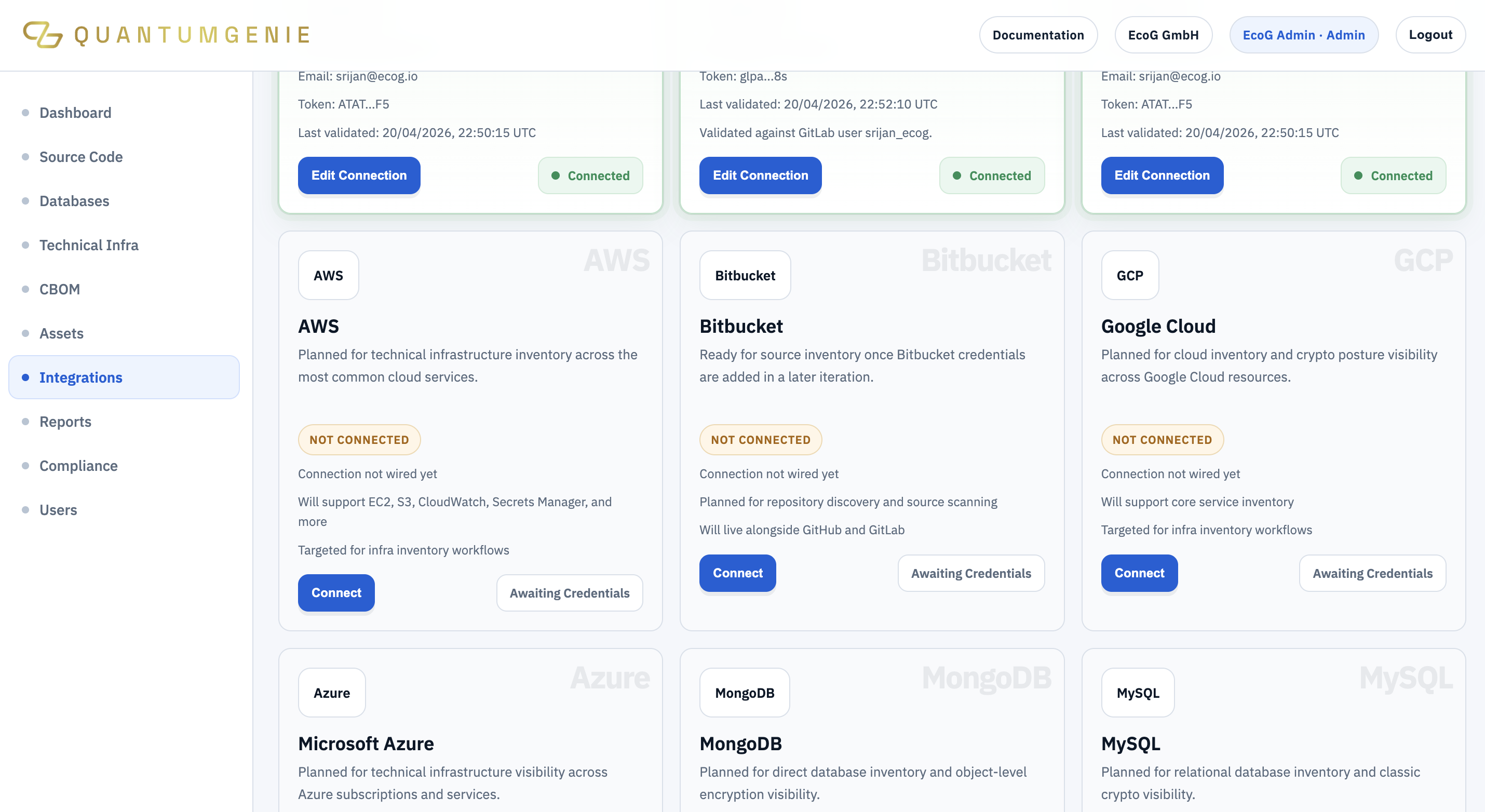
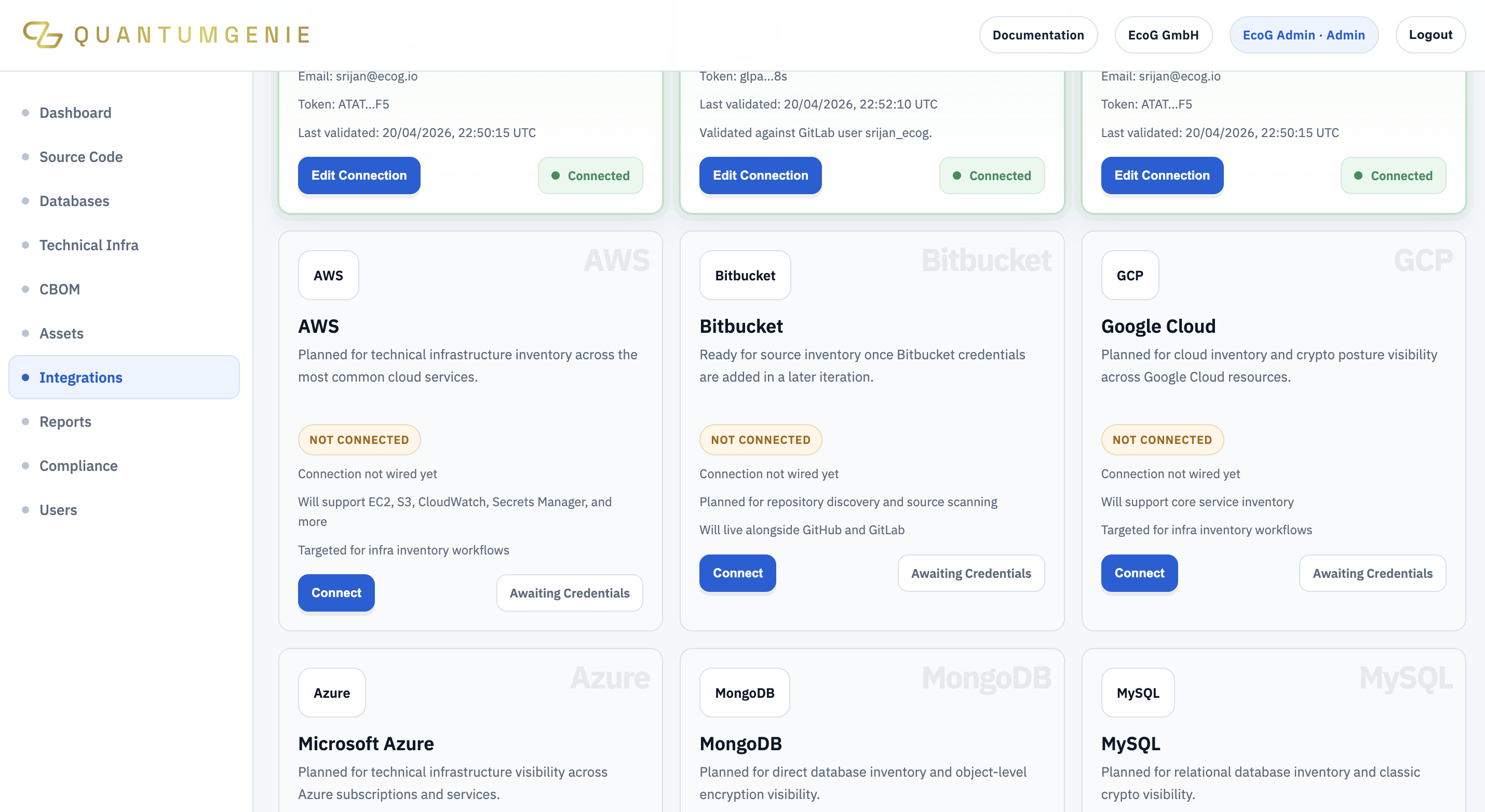
While theoretical frameworks are essential, practical enterprise readiness depends on deep visibility into cryptographic assets across cloud infrastructure and applications. Without a detailed inventory, risk evaluations and transition plans lack precision. Supporting this necessity, recent industry tools emphasize AI-powered discovery and risk assessment of cryptographic elements scattered through code, certificates, databases, and integrations.
This granular crypto inventory is vital not only for understanding an enterprise’s full exposure but also for forming a cryptographic Bill of Materials (CBOM) that informs migration prioritization, compliance documentation, and operational execution. Blind spots in asset visibility could derail even the most robust risk models by allowing unmanaged vulnerabilities to persist unnoticed.
Enterprise Post-Quantum Cloud Migration Framework Components
| Component | Purpose | Enterprise Benefit |
|---|---|---|
| NIST PQC Standards | Define quantum-resistant cryptographic algorithms | Foundational cryptographic algorithms for migration |
| Cloud Threat Model | Identify quantum attack vectors specific to cloud | Contextualizes risks in cloud environments |
| Timing-Risk Model (Mosca’s Inequality) | Quantify risk horizon for quantum attacks | Informs migration urgency and prioritization |
| Cryptographic Asset Inventory | Discover and catalog cryptography in enterprise assets | Enables accurate risk assessment and remediation planning |
How QuantumGenie Supports Enterprise Post-Quantum Cloud Migration Planning
QuantumGenie directly addresses the enterprise challenge highlighted in the research by operationalizing cryptographic asset discovery and risk prioritization through its CipherScan platform. By automating comprehensive cryptographic inventory across cloud environments and hybrid infrastructure, QuantumGenie lays the groundwork that rigorous quantitative risk frameworks require to be actionable.
Furthermore, QuantumGenie orchestrates migration efforts with its CipherNova remediation layer, helping security teams translate timing-risk insights and transition roadmaps into structured workflows, policy exception management, and verifiable remediation steps. This integration of inventory, risk prioritization, and operational control accelerates enterprise readiness and reduces reliance on manual, error-prone processes.
Frequently Asked Questions
Why is a timing-risk model important for post-quantum migration planning?
A timing-risk model quantifies when quantum computers are expected to realistically threaten current cryptographic algorithms, enabling enterprises to prioritize cryptographic transitions proactively instead of reacting after vulnerabilities emerge.
How does cryptographic inventory influence post-quantum readiness?
Cryptographic inventory reveals where and how cryptography is used across enterprise assets, allowing precise risk assessments, compliance readiness, and targeted migration efforts that prevent security gaps during the transition to post-quantum algorithms.
Watch The Quantum Threat
Sources And Further Reading
- Post-Quantum Readiness and Cryptographic Transition Planning for Enterprise Cloud Springer Nature Link · Apr 3, 2026
- pqAgility: Cryptography Discovery, Inventory & Management pqAgility · Jun 27, 2026