In This Article
What This Means
- Unpacking the Post-Quantum Migration Landscape in DACH Enterprises
- Crypto-Agility: The Enterprise Imperative Confirmed
- How QuantumGenie Fits into the Post-Quantum Migration Puzzle
Unpacking the Post-Quantum Migration Landscape in DACH Enterprises
Cloud Magazin’s recent analysis sheds light on a nuanced reality: while quantum-resistant cryptography adoption is accelerating, not all cryptographic holdings in DACH enterprises are ready or able to migrate by 2026. Legacy systems and complex dependencies create significant operational challenges, often delaying migration timelines despite rising urgency.
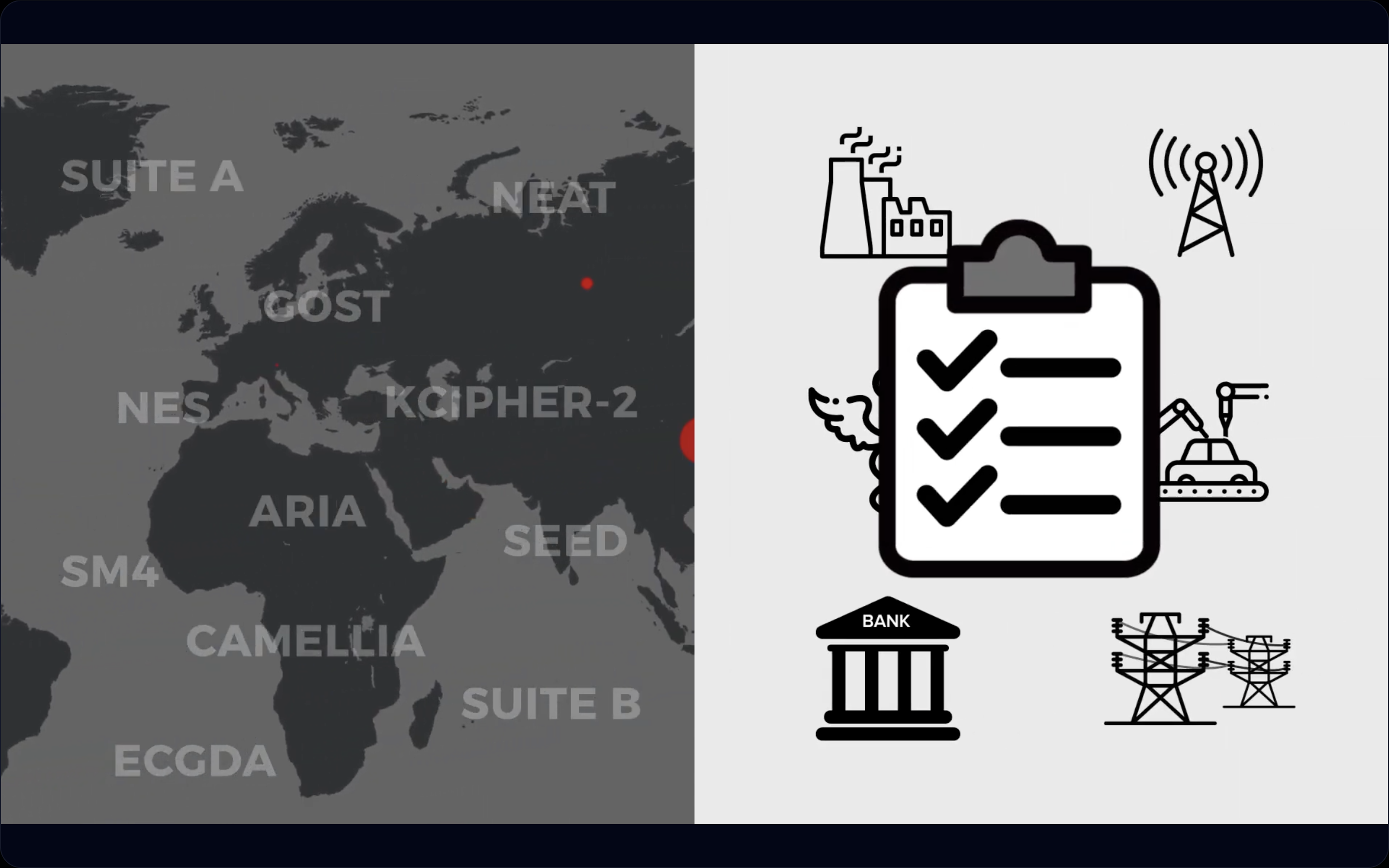
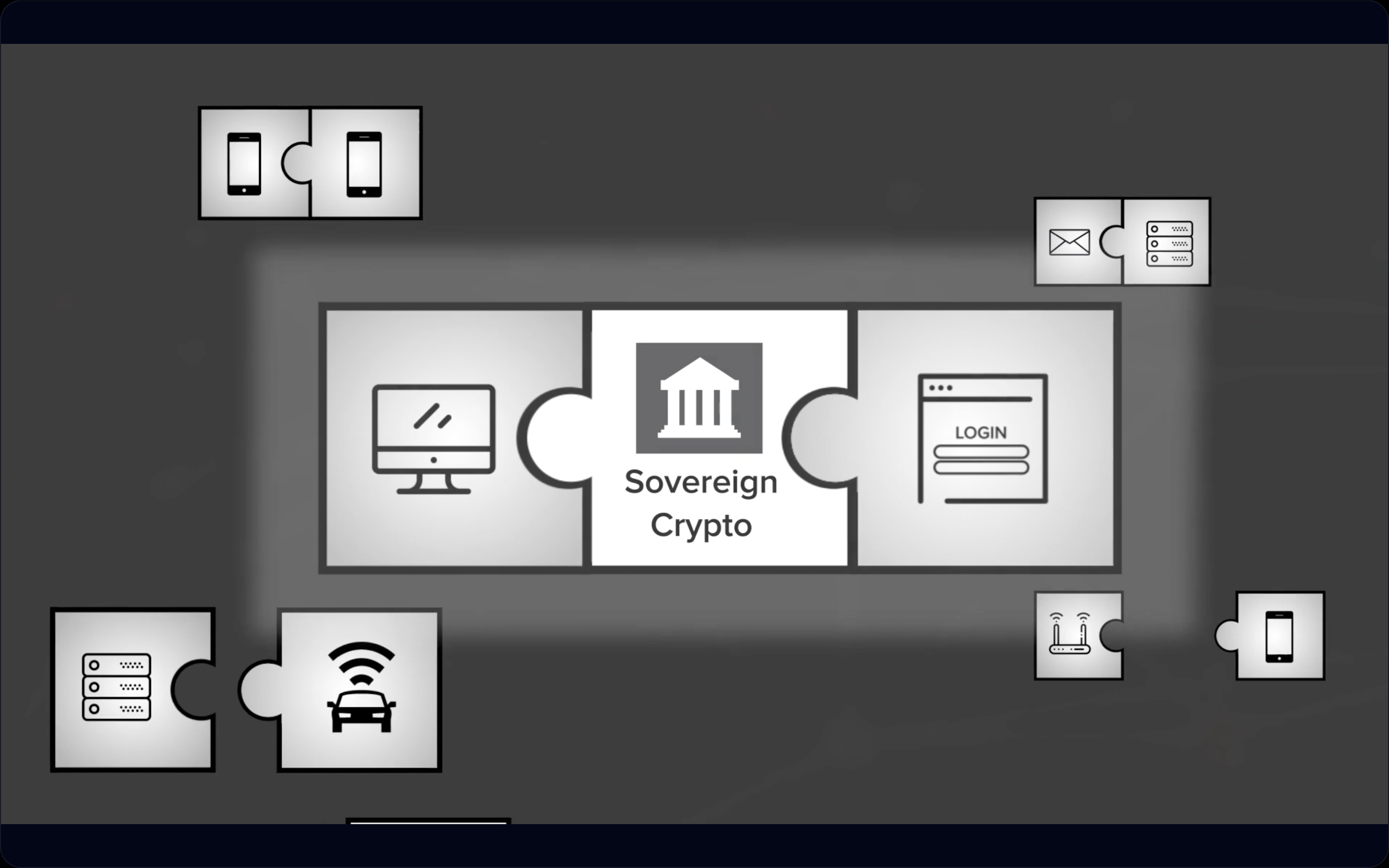
The report highlights that many enterprises possess heterogeneous crypto environments including a mix of hardware tokens, VPNs, SSL/TLS certs, and application-layer encryption — many of which lack straightforward migration paths. This fragmentation calls for deliberate discovery and detailed crypto mapping to make informed decisions, avoid operational disruptions, and manage migration risks effectively.
Crypto-Agility: The Enterprise Imperative Confirmed
In parallel, TechRadar’s coverage emphasizes that crypto-agility — the ability to dynamically switch cryptographic algorithms and credentials — is no longer theoretical but an urgent enabler of cyber resilience against quantum threats. Enterprises constrained by monolithic cryptographic implementations face higher risks and greater remediation complexity.
Together, these insights clarify the strategic necessity of investing in systems that support rapid cryptographic inventory, policy enforcement, and seamless transitions without service interruptions. Enterprises that master crypto-agility will mitigate risks including harvest-now-decrypt-later attacks and meet evolving compliance demands proactively.
Comparison of Key Enterprise Post-Quantum Migration Factors
| Factor | Current State in DACH Enterprises | Implication for Migration Strategy |
|---|---|---|
| Cryptographic Portfolio Diversity | Heterogeneous (hardware tokens, SSL/TLS, apps) | Necessitates detailed discovery and inventory |
| Migration Readiness | Partial for newer systems, lagging for legacy | Prioritize highest risk and easiest to migrate first |
| Crypto-Agility | Limited in many environments | Investment required to improve flexibility and resilience |
| Compliance Pressure | Increasing with regulations | Supports building auditable migration evidence |
How QuantumGenie Fits into the Post-Quantum Migration Puzzle
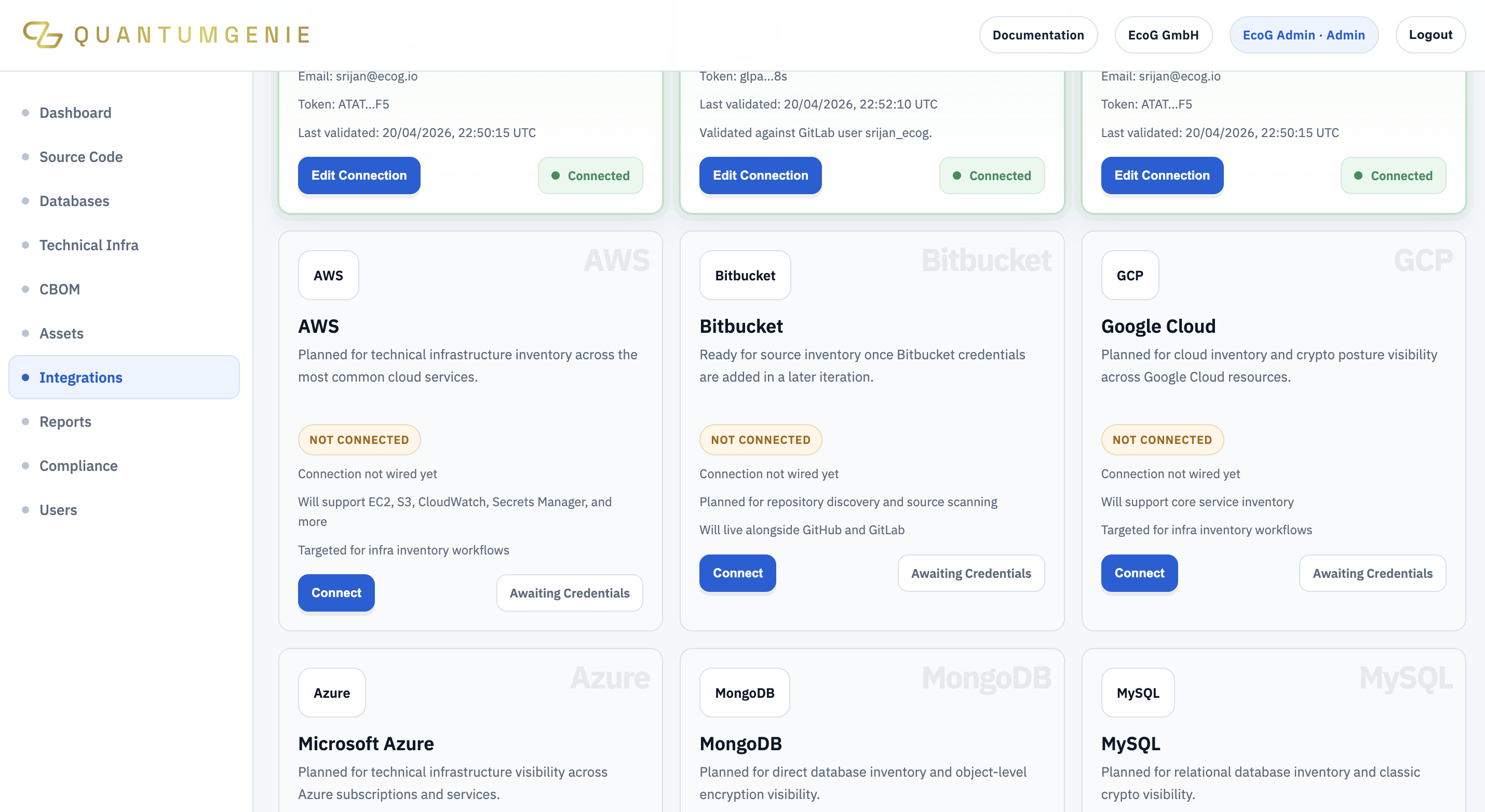
QuantumGenie is uniquely positioned to address these enterprise challenges underscored by the DACH market analysis. Its capabilities to discover cryptographic usage comprehensively across infrastructure, applications, and codebases provide critical visibility.
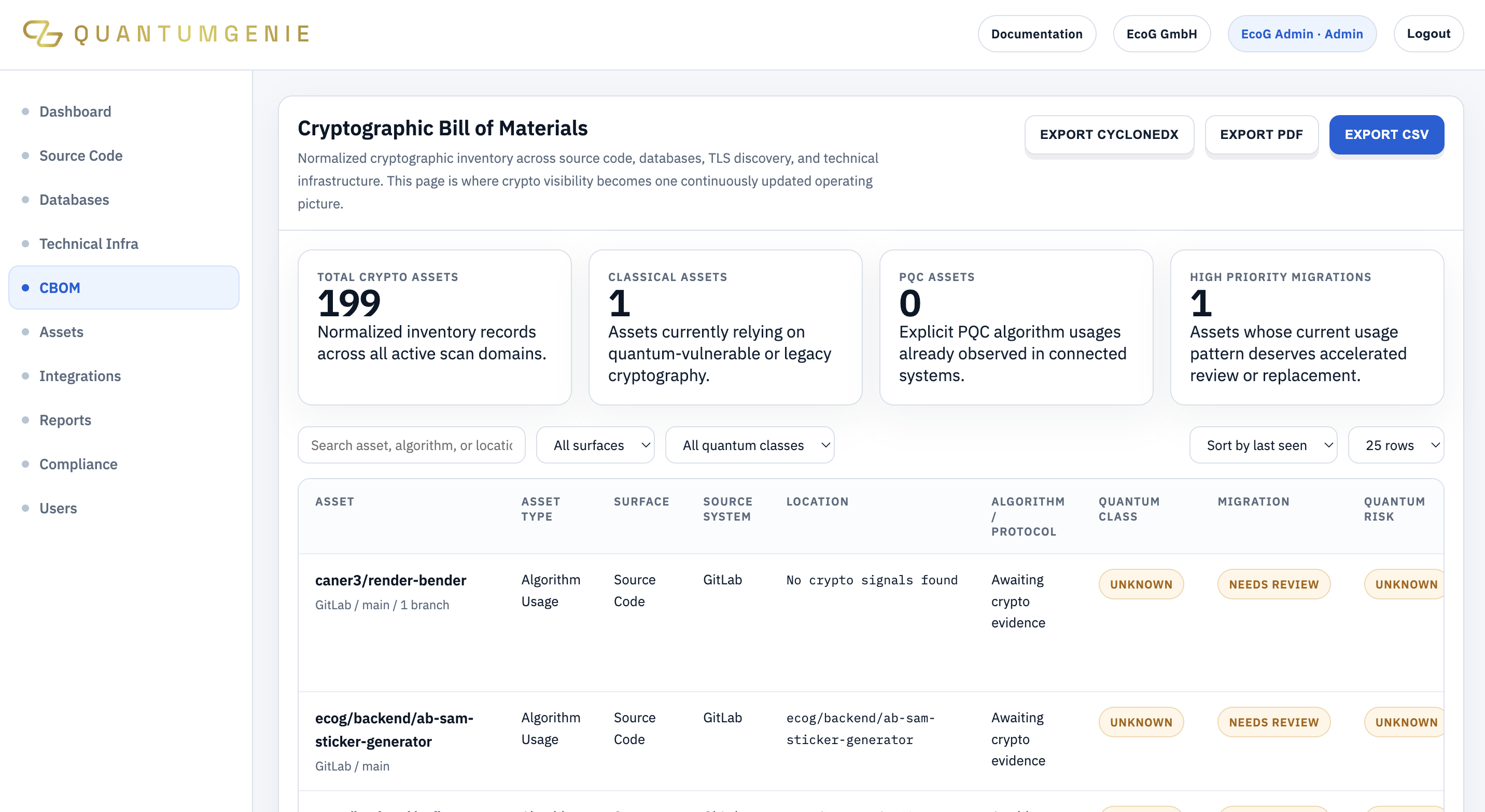
More importantly, QuantumGenie prioritizes migration risk by building cryptographic bills of materials (CBOM), supports compliance audit readiness, and operationalizes remediation by orchestrating workflows and verification steps. This transforms the complex journey of migrating diverse crypto holdings into a manageable, auditable, and risk-aware process — directly aligned with the practical needs identified in the Cloud Magazin report.
Frequently Asked Questions
Why is cryptographic inventory important for post-quantum migration?
Because many enterprises have complex and varied cryptographic assets, a comprehensive inventory allows them to understand what needs protection and plan targeted, efficient migrations to quantum-safe algorithms.
How does crypto-agility enhance cyber resilience?
Crypto-agility enables enterprises to swiftly replace or update cryptographic algorithms and keys, minimizing downtime and exposure as new quantum threats emerge or as vulnerabilities are discovered.
Watch The Quantum Threat
Sources And Further Reading
- Post-Quantum Migration in DACH Enterprise IT: Which Crypto Holdings Can Actually Migrate by 2026 Cloud Magazin · Apr 14, 2026
- Cyber Resilience in the Post-Quantum Era: The Time of Crypto-Agility TechRadar · Aug 25, 2025