In This Article
What This Means
- Enterprise-Owned Quantum-Safe Security: The Growing Imperative
- From Awareness to Action: The Role of Cryptographic Inventory in Migration Strategy
- How QuantumGenie Fits Into Your PQC Journey
Enterprise-Owned Quantum-Safe Security: The Growing Imperative
The rapid evolution of quantum computing compels enterprises to reevaluate their cryptographic security posture immediately. A recent report by Cyber Technology Insights reveals that while awareness and adoption momentum for post-quantum cryptography (PQC) are increasing, most organizations still struggle with the practical complexities of migration. The threat isn’t theoretical anymore; adversaries could harvest encrypted data today, only to decrypt it in the future when quantum capabilities mature, putting all sensitive information at risk. CISOs and enterprise architects must therefore prioritize establishing robust, quantum-safe cryptographic strategies now to mitigate both current and emerging risks.
From Awareness to Action: The Role of Cryptographic Inventory in Migration Strategy
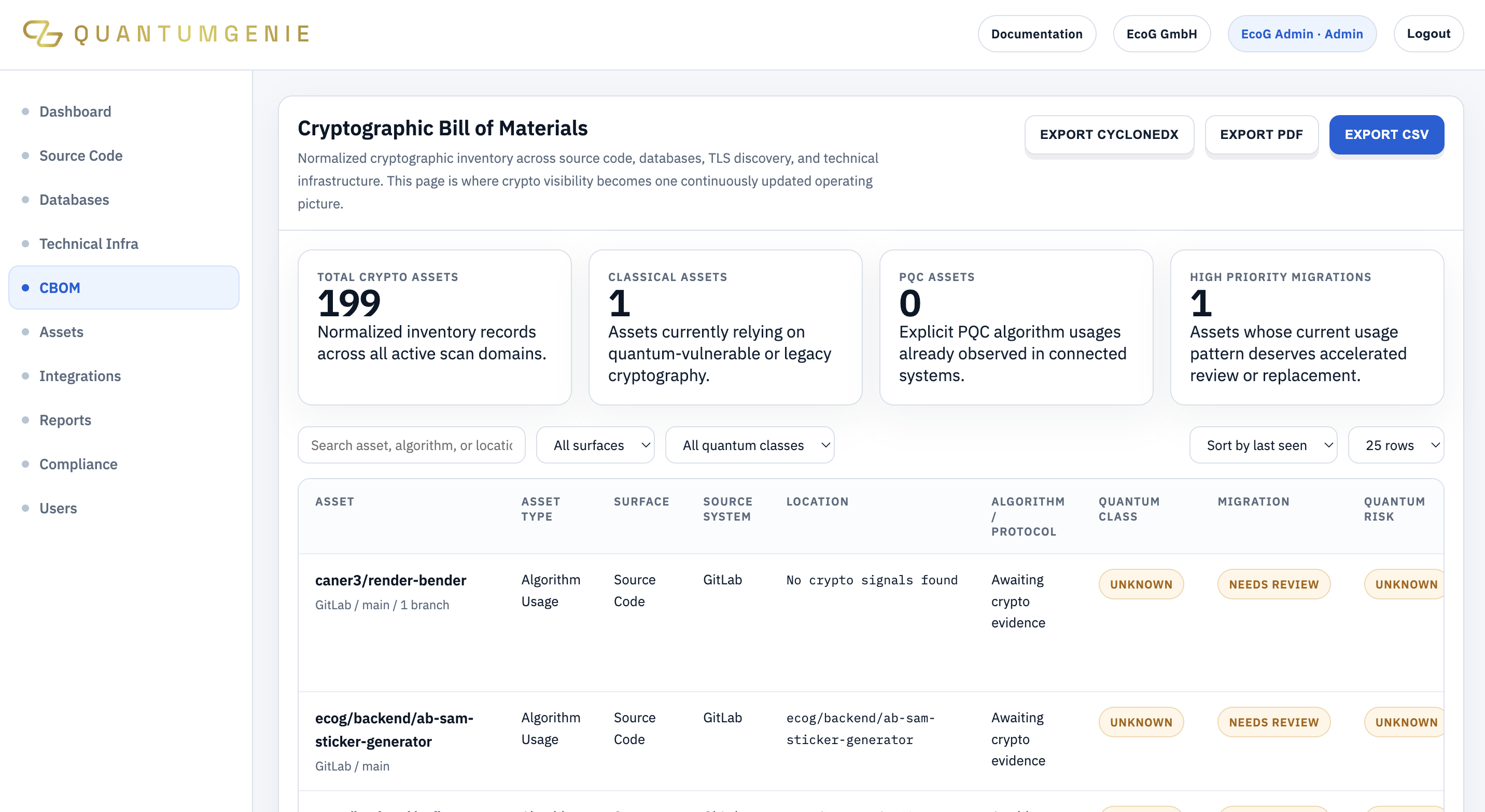
One major hurdle enterprises face is the lack of a comprehensive and accurate cryptographic inventory. Without a complete catalog of existing cryptographic algorithms, keys, certificates, and protocols in use across systems, applications, and infrastructure, organizations cannot assess exposure or effectively plan their transition. The supporting QNu Labs discussion of cryptographic inventory emphasizes that this foundational step is critical for post-quantum readiness: it enables organizations to identify vulnerable assets, quantify risk, and build a cryptographic bill of materials (CBOM) that guides prioritized migration efforts. Ignoring this step invites inefficient remediation, operational risk, and compliance gaps.
Summary of Key Enterprise PQC Challenges and Responses
| Challenge | Enterprise Impact | Recommended Action |
|---|---|---|
| Incomplete Cryptographic Asset Visibility | Blind spots increase risk and delay migration | Perform continuous cryptographic discovery and asset inventory |
| Lack of Risk Prioritization | Resources spread thin, high-risk assets unaddressed | Build risk-based migration priorities guided by CBOM |
| Fragmented Remediation Processes | Operational bottlenecks and compliance risk | Implement workflow orchestration for crypto migration |
How QuantumGenie Fits Into Your PQC Journey
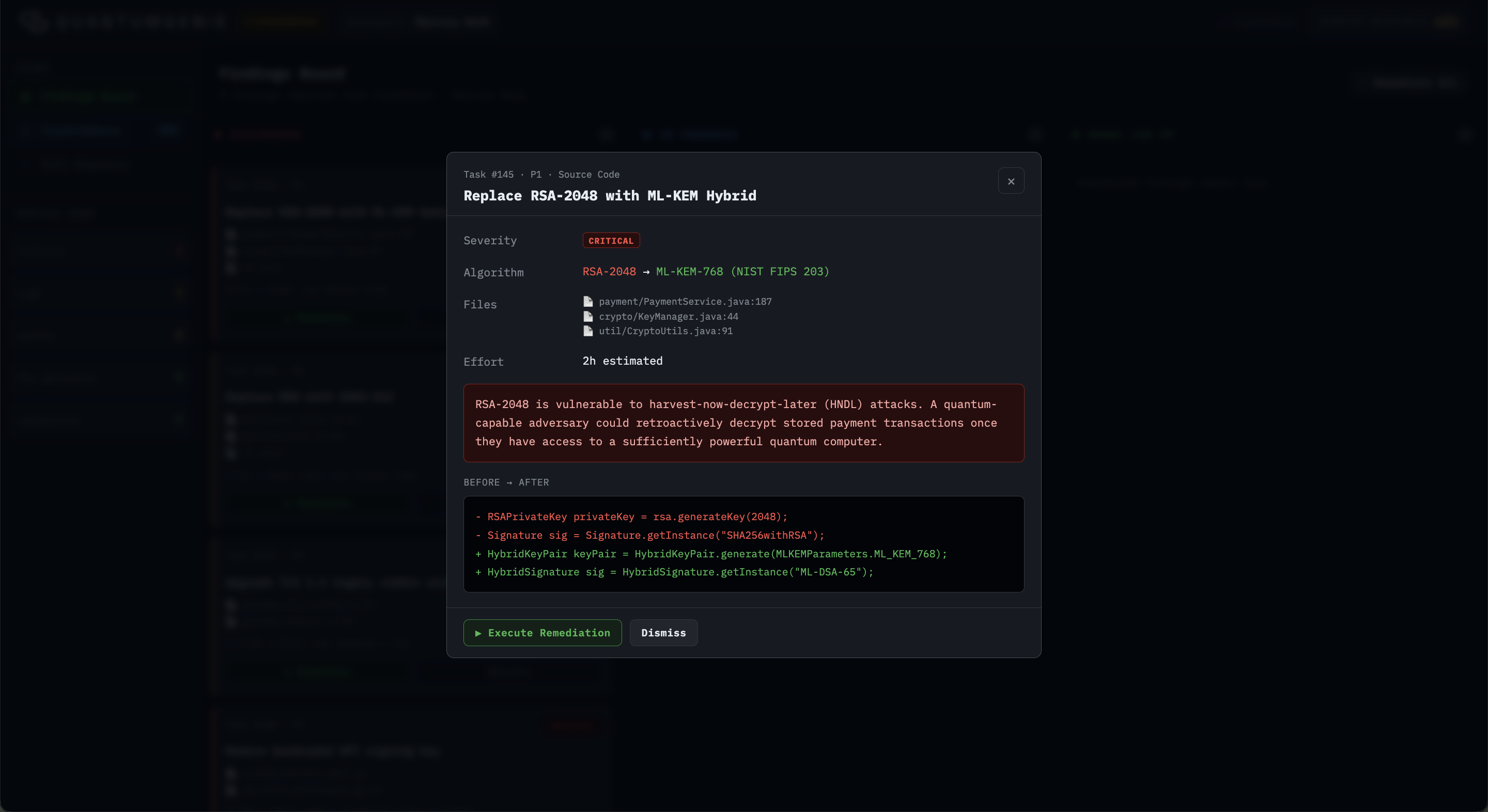
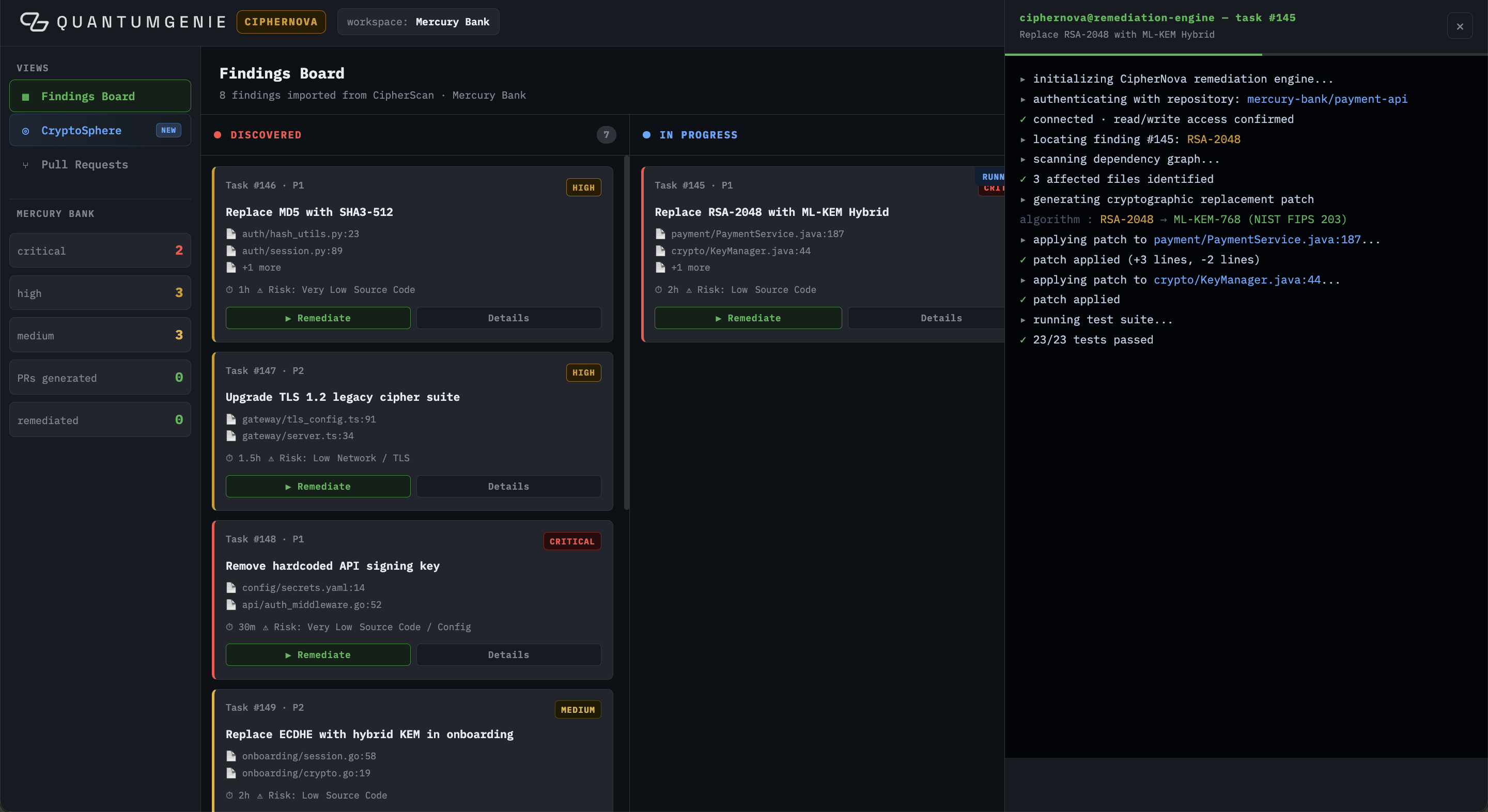
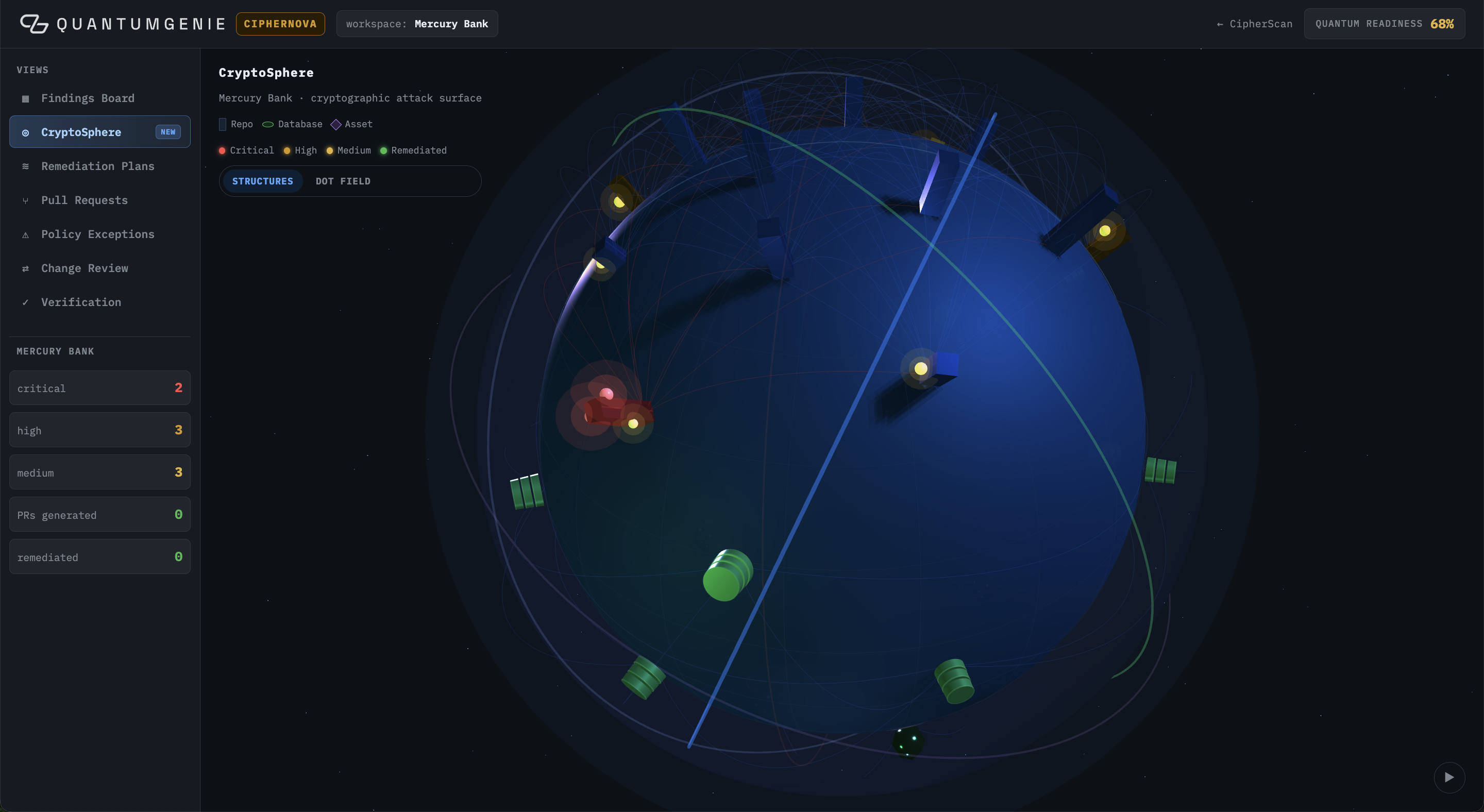
QuantumGenie addresses these exact pain points by providing continuous discovery and visibility into cryptographic exposure throughout an enterprise’s digital landscape. Its platform systematically inventories cryptographic assets, builds CBOMs, and supports risk-based prioritization for migration. Beyond discovery, QuantumGenie orchestrates remediation workflows, policy exception handling, and integrates change reviews, enabling operational teams to manage cryptographic migration with control and auditability. For enterprises digesting the lessons of the readiness report, QuantumGenie is a practical tool to move from strategic planning to action, ensuring their PQC transformation is governed, scalable, and timely.
Frequently Asked Questions
Why is post-quantum cryptography readiness urgent for enterprises?
Because quantum computers can potentially break existing encryption, data encrypted today can be vulnerable to 'harvest now, decrypt later' attacks, exposing sensitive information. Enterprises must act early to transition to quantum-safe algorithms to maintain confidentiality and compliance.
What is the role of cryptographic inventory in post-quantum migration?
A cryptographic inventory identifies every cryptographic component in use, enabling organizations to assess exposure, prioritize risks, and plan migrations effectively. Without it, enterprises risk incomplete or inefficient PQC upgrades with operational disruptions.
Watch The Quantum Threat
Sources And Further Reading
- Post-Quantum Cryptography: Enterprise Guide to Quantum-Safe Security Cyber Technology Insights · Jun 15, 2026
- Cryptographic Inventory: What It Is & Why It Matters QNu Labs · Jun 17, 2026