In This Article
What This Means
- Europe’s 2026 Cryptographic Inventory Deadline: What It Means for Enterprises
- From Inventory to Action: The Strategic Imperative for Crypto-Agility
- How QuantumGenie Helps Enterprises Meet the Cryptographic Inventory Mandate and Beyond
Europe’s 2026 Cryptographic Inventory Deadline: What It Means for Enterprises
The European Commission's roadmap for post-quantum cryptography (PQC) transition includes a binding mandate for organizations to compile a comprehensive cryptographic inventory by the end of 2026. This requirement aims to identify all cryptographic assets vulnerable to future quantum attacks ahead of PQC algorithm adoption. Enterprises across sectors are now facing a narrowing window to audit their cryptographic estate fully, including certificates, keys, protocols, and embedded cryptography within software and infrastructure. This directive not only signals urgency but also sets a precedent parallel to similar American and British efforts, underscoring global momentum towards quantum-resilient cybersecurity.
From Inventory to Action: The Strategic Imperative for Crypto-Agility
Capturing the cryptographic inventory is a foundational but insufficient step on its own. Organizations must anticipate continuous lifecycle management that integrates discovery, risk prioritization, and migration planning with agile enforcement. The complexity is compounded by heterogeneous environments spanning cloud services, legacy applications, and hardware devices. Beyond compliance, crypto-agility - the ability to seamlessly replace vulnerable algorithms with quantum-safe alternatives - is vital to mitigate harvest-now-decrypt-later threats. The 2026 inventory mandate crystallizes the necessity for enterprises to transition from fragmented visibility efforts to holistic, operational cryptographic governance.
Key to this progression is establishing an accurate cryptographic bill of materials (CBOM) to understand dependencies and update pathways. Without this, attempts to patch or replace cryptographic components risk operational disruption or superficial fixes.

Comparing Post-Quantum Cryptographic Inventory Regulations and Enterprise Implications
| Region | Regulatory Body | Inventory Deadline |
|---|---|---|
| Europe | European Commission | End of 2026 |
| United States | NIST & CISA | Expected 2027-2028 |
| United Kingdom | National Cyber Security Centre | Mid 2027 |
How QuantumGenie Helps Enterprises Meet the Cryptographic Inventory Mandate and Beyond
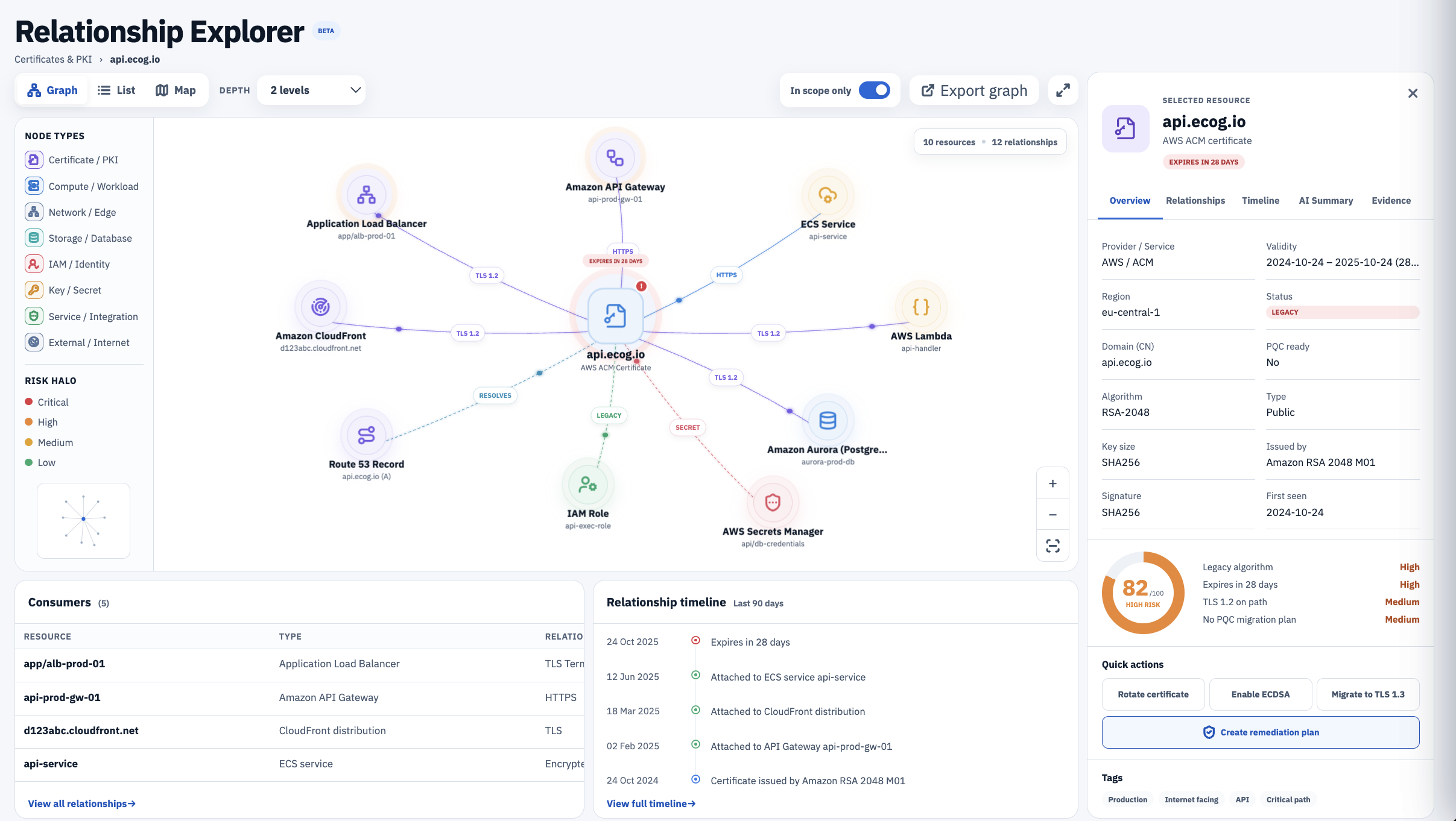
QuantumGenie stands as a practical solution squarely addressing the cryptographic inventory challenge imposed by evolving regulations. Through its CipherScan platform, it automates comprehensive discovery across the entire enterprise cryptographic surface—including source code, certificates, databases, applications, and network integrations—delivering a single source of truth for cryptographic assets. This foundation enables the generation of credible CBOMs and supports compliance evidence requirements.
Moreover, QuantumGenie’s integration with workflow and remediation systems supports prioritized, risk-aware migration planning in line with organizational readiness and regulatory expectations. By enabling end-to-end lifecycle management from discovery through to operational remediation, QuantumGenie powers the enterprise’s path to crypto-agility and regulatory compliance with pragmatic control rather than theoretical frameworks. In doing so, it transforms the 2026 inventory deadline from a daunting compliance checkbox to a milestone for sustainable quantum readiness.
Frequently Asked Questions
Why is creating a cryptographic inventory crucial before migrating to post-quantum algorithms?
A cryptographic inventory identifies all cryptographic assets and their dependencies across the enterprise, forming the basis for risk assessment, prioritization, and effective migration planning. Without this inventory, organizations risk missing vulnerabilities or disrupting critical operations during migration to quantum-safe algorithms.
How does regulatory pressure impact enterprise post-quantum cryptography strategies?
Regulatory mandates with strict deadlines force enterprises to accelerate discovery, compliance, and migration programs. This pressure prioritizes investments in automated cryptographic visibility and governance tools, ensuring organizations meet requirements and reduce the risk of future quantum-based attacks.
Watch The Quantum Threat
Sources And Further Reading
- Post-Quantum Cryptography and the 2026 Cryptographic Inventory Requirement Zynap · Jul 9, 2026
- Beyond Discovery: Mastering Cryptographic Lifecycle and Agility for Post-Quantum Readiness QuantumGenie Blog · Jul 1, 2026