In This Article
What This Means
- NIST’s Integrated Approach to Post-Quantum Cryptography
- Enterprise Implications and Market Signals
- How QuantumGenie Fits Into This Transition
NIST’s Integrated Approach to Post-Quantum Cryptography
The National Institute of Standards and Technology (NIST) recently released a detailed explanation of how its post-quantum cryptography (PQC) migration recommendations dovetail with existing security controls and guidance frameworks. This approach acknowledges the multi-layered nature of enterprise security, enabling organizations to contextualize their PQC efforts within familiar compliance and risk management landscapes, rather than as isolated technical mandates. As reported by Cybersecurity Dive, this guidance offers critical clarity at a time when many organizations grapple with the operational complexity of transitioning to quantum-resilient algorithms.
Enterprise Implications and Market Signals
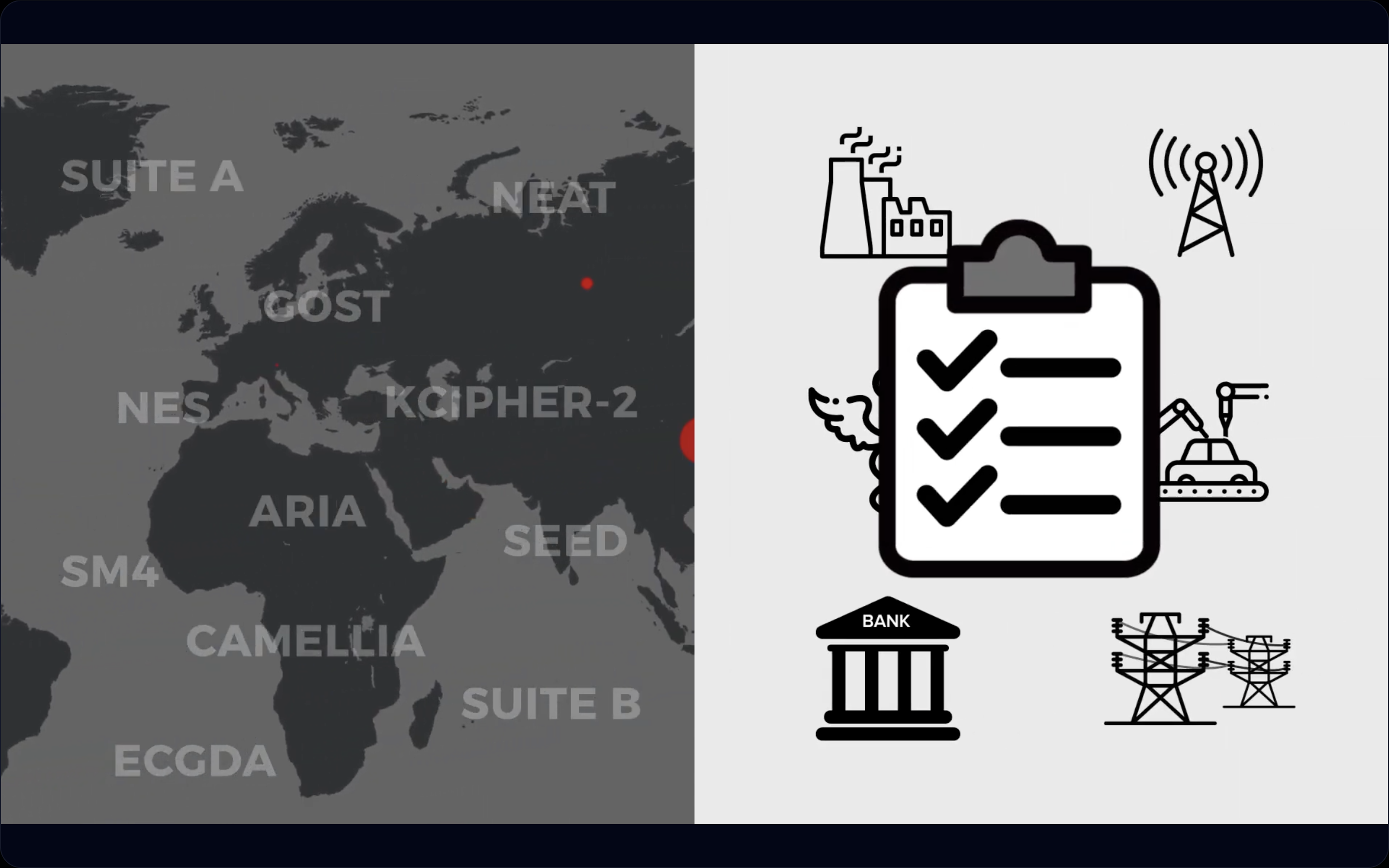
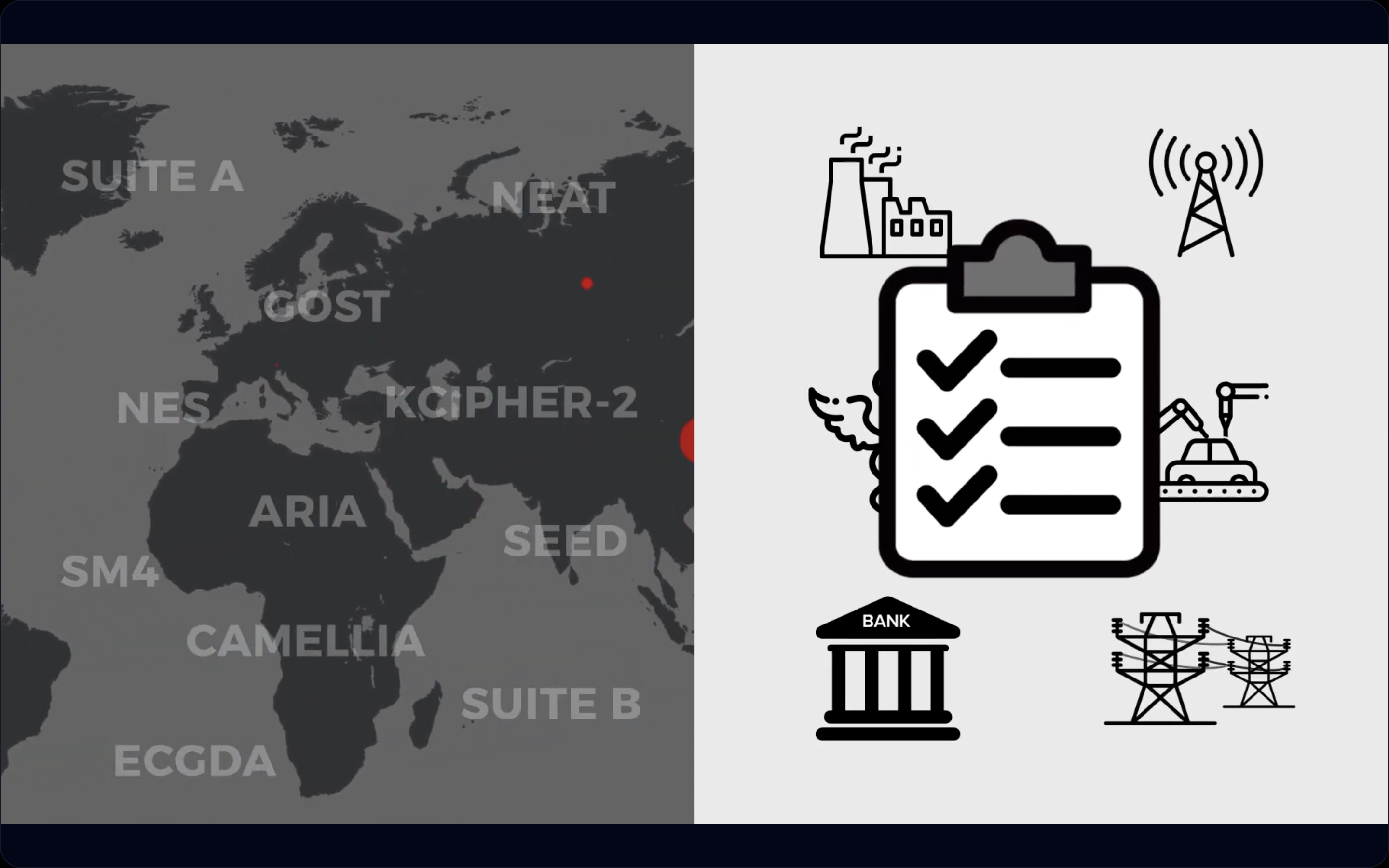
This integrated guidance sends an important signal to enterprises and cybersecurity leaders: PQC migration is not just a cryptographic upgrade, but a strategic evolution of existing security architectures. Complementing this, Google’s public deadline to migrate core authentication systems by 2029 underscores the pressing timeline for implementation, particularly for critical infrastructure and high-value digital assets. Enterprises must therefore accelerate migration planning to avoid exposure to harvest-now-decrypt-later attacks that quantum adversaries might exploit in the coming decade.
Key Enterprise Considerations for PQC Migration Aligned with NIST Guidance
| Consideration | Description | Enterprise Action |
|---|---|---|
| Alignment with existing security controls | PQC migration should coexist with current authentication and cryptographic protocols. | Survey and map cryptographic inventory for integration points. |
| Compliance readiness | PQC adoption influences regulatory and certification requirements. | Ensure audit trails and evidence of migration planning are in place. |
| Prioritization of cryptographic assets | Risk-based migration focusing first on high-impact assets. | Use cryptographic risk scoring to sequence remediation. |
| Operational visibility | Continuous monitoring of cryptographic states and migration progress. | Deploy discovery tools to maintain inventory and detect drift. |
How QuantumGenie Fits Into This Transition
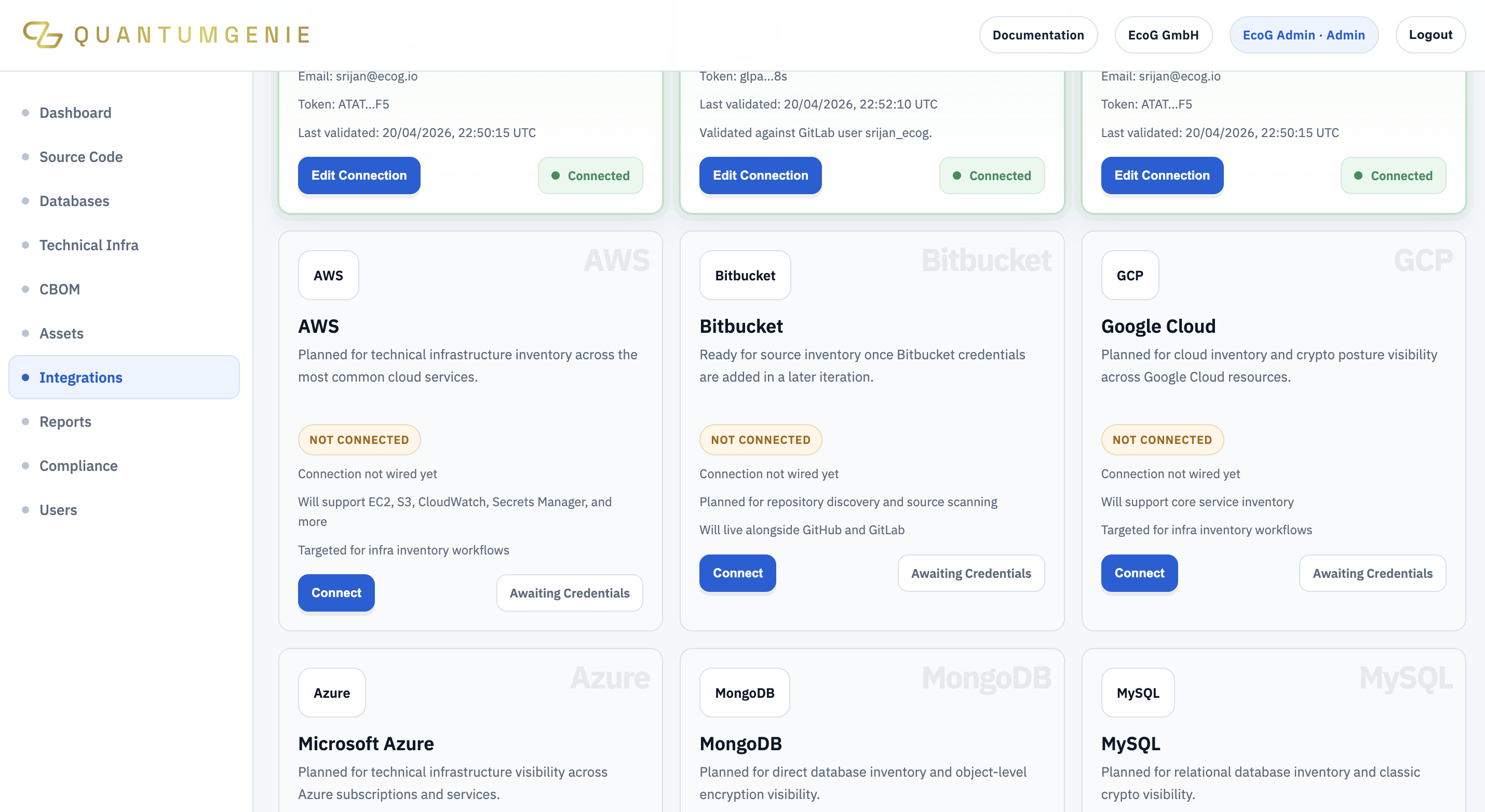
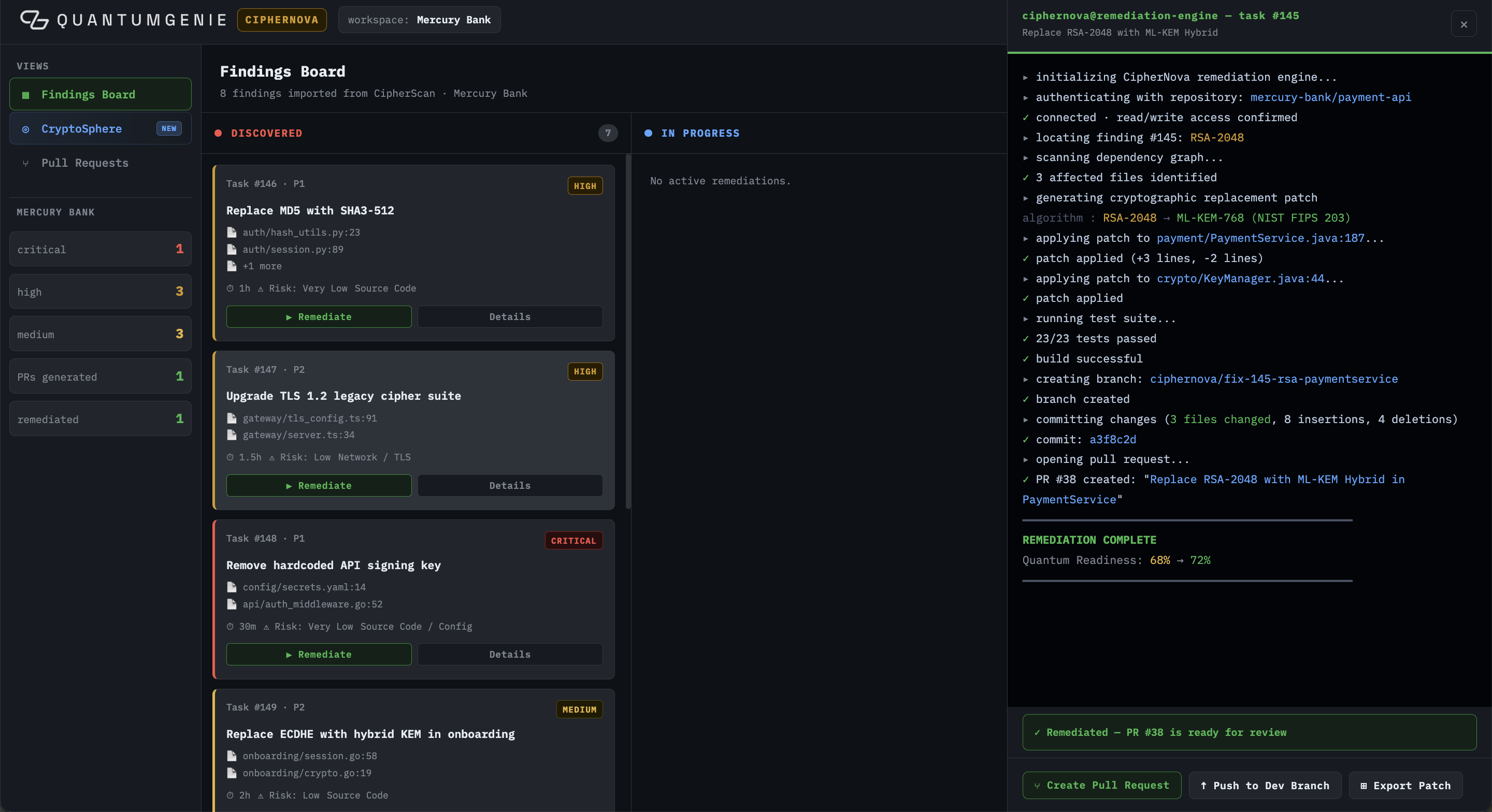
QuantumGenie is uniquely positioned to support enterprises navigating the complexities outlined in NIST’s integrated guidance. By providing comprehensive cryptographic discovery across websites, certificates, source code, and infrastructure, QuantumGenie helps build an accurate cryptographic bill of materials (CBOM) essential for compliance and risk prioritization. Its capabilities align closely with the need to harmonize PQC efforts within existing security frameworks, enabling security teams to plan and orchestrate migration steps with operational visibility and governance. QuantumGenie empowers organizations not only to identify cryptographic assets but also to manage policy enforcement and remediation workflows, making the PQC transition practical and manageable.
Frequently Asked Questions
Why is integrating PQC with existing security guidance important?
Integrating PQC migration with existing security frameworks ensures that enterprises manage risk holistically, maintain compliance, and avoid siloed efforts that could lead to security gaps or operational disruptions.
How does QuantumGenie help with compliance readiness for PQC migration?
QuantumGenie provides detailed cryptographic inventories, risk prioritization, and audit-ready migration workflows, all of which support meeting regulatory requirements and providing evidence of controlled and compliant cryptographic transitions.
Watch The Quantum Threat
Sources And Further Reading
- NIST Explains How Post-Quantum Cryptography Push Overlaps with Existing Security Guidance Cybersecurity Dive · Sep 19, 2025
- Watch Out Bitcoin Devs. Google Says Post-Quantum Migration Needs to Happen by 2029. CoinDesk · Mar 28, 2026