In This Article
What This Means
- Quantum Computing Advances Trigger Accelerated PQC Programs
- Practical Enterprise Challenges in PQC Migration
- How QuantumGenie Fits into Accelerated PQC Migration Programs
Quantum Computing Advances Trigger Accelerated PQC Programs
Microsoft’s recent announcement to fast-track its Quantum Safe Program by planning comprehensive security upgrades by the end of 2029 underscores a significant shift in enterprise risk management strategy. This initiative includes integrating post-quantum cryptographic algorithms, modernizing trust chains, and adopting new cryptographic protocols such as TLS 1.3 with PQC support. The accelerated timeline is a direct response to real progress in quantum computing capabilities that threaten current asymmetric encryption schemes. For enterprises, this sets a clear signal: the quantum threat horizon isn’t distant—it is actively reshaping security roadmaps now.
Practical Enterprise Challenges in PQC Migration
Enterprises must face the complexity of migrating vast cryptographic estates across diverse assets—websites, certificates, applications, and infrastructure components—while maintaining operational continuity and compliance. Lessons from regions like DACH show that many organizations still rely on legacy algorithms unlikely to migrate comfortably before post-2028 deadlines. This reality necessitates precise cryptographic inventorying and risk prioritization to avoid blind spots. The move toward crypto agility, enabling seamless algorithm transition without service disruption, is more relevant than ever. Security teams must balance incremental remediation with strategic modernization efforts aligned to accelerated PQC timeframes.
Enterprise PQC Migration Considerations in Light of Accelerated Timelines
| Aspect | Implication | QuantumGenie Role |
|---|---|---|
| Cryptographic Inventory | Necessity to discover assets including embedded and legacy crypto | CipherScan provides automated discovery and mapping |
| Risk Prioritization | Identify high-impact systems vs. low-risk components | Inventory helps focus remediation efforts and optimize resource allocation |
| Crypto-Agility | Enable seamless cryptographic algorithm swaps | CipherNova orchestrates change management workflows |
| Compliance Readiness | Evidence for audits and future certification | Detailed CBOM assists governance and reporting |
How QuantumGenie Fits into Accelerated PQC Migration Programs
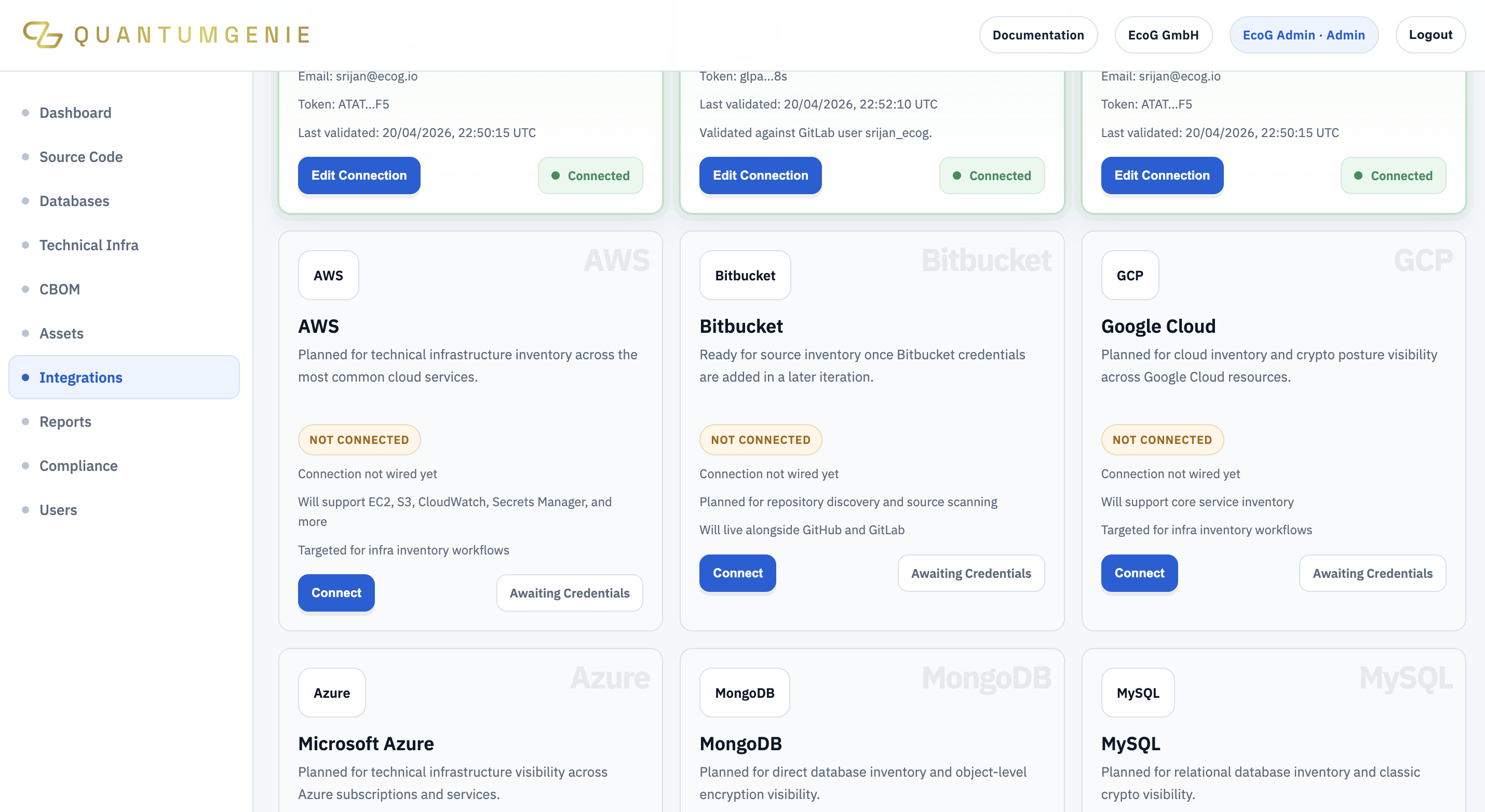
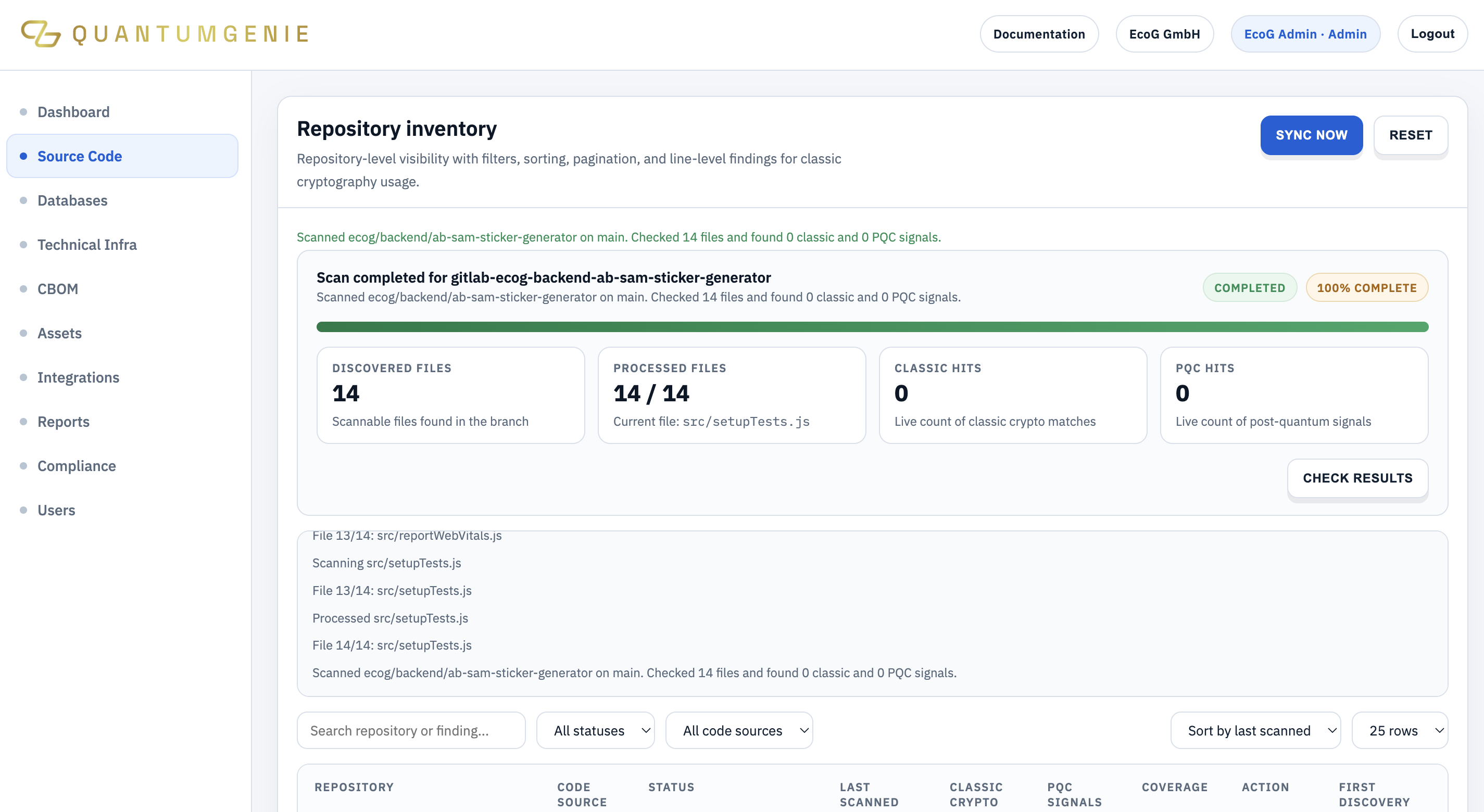
QuantumGenie addresses the critical enterprise needs exposed by Microsoft’s accelerated program through its CipherScan discovery layer, enabling comprehensive cryptographic asset visibility across organizational boundaries. By building an authoritative cryptographic inventory and CBOM (Cryptographic Bill of Materials), QuantumGenie empowers security and engineering teams to prioritize migration efforts based on actual exposure and risk. Its CipherNova orchestration layer supports workflow-driven remediation, pull requests, and change reviews, operationalizing crypto-agility at scale. This approach turns the strategic urgency emphasized by Microsoft into practical, executable tasks for enterprises striving to meet accelerated PQC deadlines effectively.
Frequently Asked Questions
Why is Microsoft accelerating its Quantum Safe Program now?
Recent advancements in quantum computing have moved the threat horizon closer, pushing Microsoft to expedite post-quantum cryptography integration to protect its infrastructure and customers against future quantum-enabled attacks.
How can enterprises start preparing for accelerated PQC timelines?
Enterprises should immediately focus on comprehensive cryptographic asset discovery, build detailed inventories, adopt crypto-agility principles, and implement prioritized and automated remediation workflows to align with emerging accelerated PQC deadlines.
Watch The Quantum Threat
Sources And Further Reading
- Microsoft Accelerates Quantum Safe Program Amid Advancements in Quantum Computing TechRadar · Jul 4, 2026
- Post-Quantum Migration in DACH Enterprise IT: Which Crypto Holdings Can Actually Migrate by 2026 Cloud Magazin · Apr 14, 2026