In This Article
What This Means
- The quantum era is no longer a distant horizon; it's knocking on the door. According to a recent Tech Times article, companies that delay preparation for post-quantum encryption risk catastrophic exposure. The time to act is now—enterprise security leaders must anticipate quantum threats before they become breaches.
- Legacy cryptography, much like an aging lock on a bank vault, is increasingly vulnerable to being picked by quantum adversaries. Waiting to upgrade can turn a secure fortress into an easy target, underscoring the urgency of migration planning.
- Enterprises face multiple challenges when transitioning to post-quantum cryptography. Identifying which systems hold the highest risk and understanding dependencies are critical first steps. A formal readiness assessment helps prioritize where to invest in upgrades and avoids costly operational disruptions.
Why 2026 Is the Turning Point for Post-Quantum Security
The quantum era is no longer a distant horizon; it's knocking on the door. According to a recent Tech Times article, companies that delay preparation for post-quantum encryption risk catastrophic exposure. The time to act is now—enterprise security leaders must anticipate quantum threats before they become breaches.
Legacy cryptography, much like an aging lock on a bank vault, is increasingly vulnerable to being picked by quantum adversaries. Waiting to upgrade can turn a secure fortress into an easy target, underscoring the urgency of migration planning.
Assessing Migration Risk and Post-Quantum Readiness
Enterprises face multiple challenges when transitioning to post-quantum cryptography. Identifying which systems hold the highest risk and understanding dependencies are critical first steps. A formal readiness assessment helps prioritize where to invest in upgrades and avoids costly operational disruptions.
Integrating post-quantum standards, such as those endorsed by NIST, demands coordination across teams and vendors. Missteps in evaluation or patchwork solutions increase risk instead of reducing it.
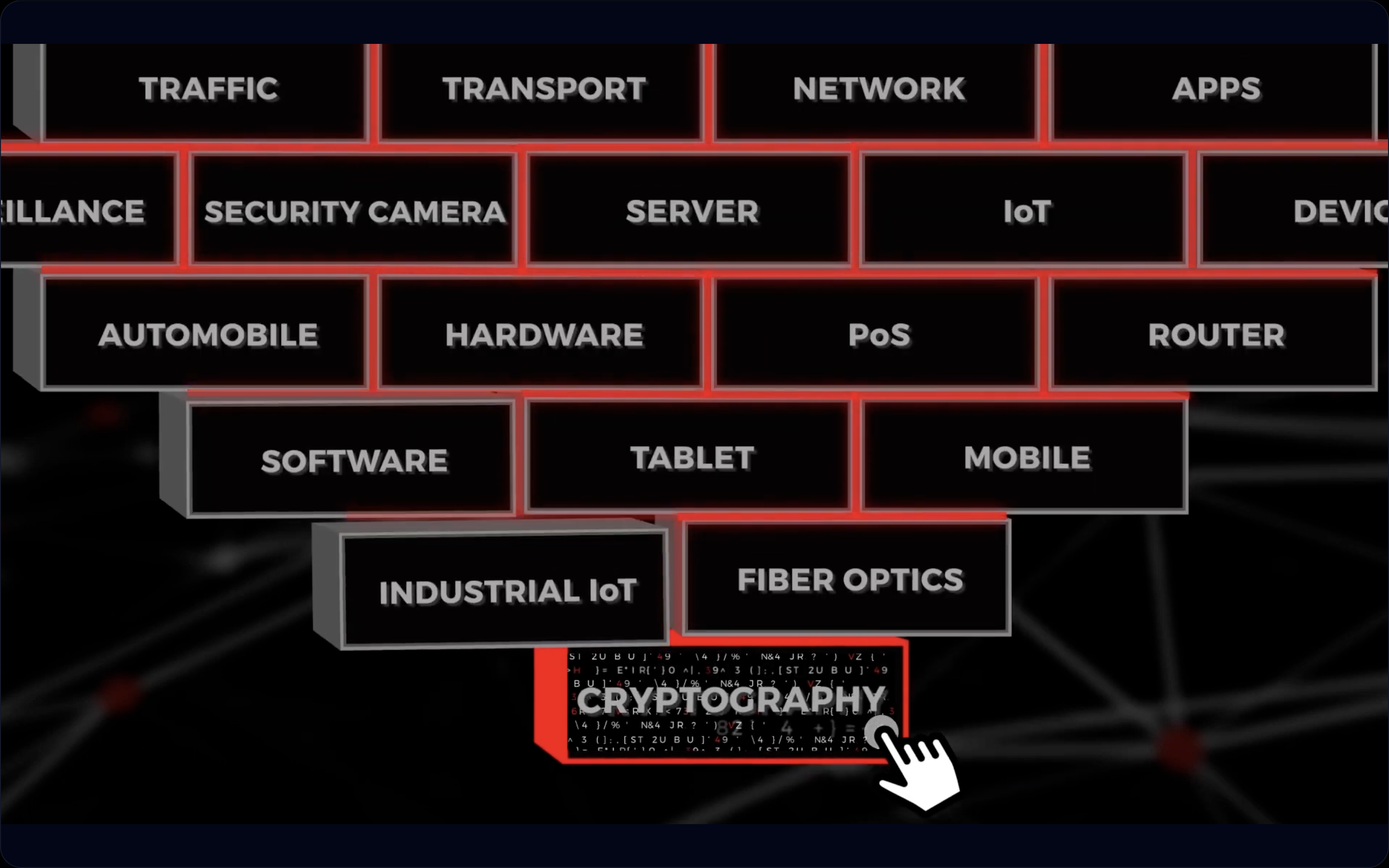
Post-Quantum Encryption Readiness: Key Considerations
| Focus Area | Challenge | Recommended Action |
|---|---|---|
| Risk Assessment | Identifying vulnerable systems | Perform comprehensive inventory and impact analysis |
| Standard Compliance | Aligning with NIST PQC guidelines | Select and test approved algorithms |
| Migration Planning | Avoiding operational disruption | Implement phased rollouts and pilot testing |
| Cross-Team Collaboration | Ensuring governance and execution alignment | Facilitate regular cross-functional meetings |
The Practical Path to Quantum-Safe Implementation
Moving from theory to practice requires a phased approach: pilot projects, vendor evaluations, and continuous testing are key. Embedding quantum-safe cryptography into existing workflows ensures smoother adoption without sacrificing performance or compliance.
Tools and solutions demonstrated by industry leaders, such as BTQ Technologies protecting trillions in market capitalization with NIST-approved algorithms, show that quantum-safe deployments are achievable today.
Strategic Impact for Security Leaders and Enterprise Architects
For CISOs and technical buyers, the post-quantum shift is as much a governance challenge as a technical one. Building a clear roadmap aligns security goals with business continuity and regulatory demands. Early engagement reduces the likelihood of scrambling when quantum threats materialize.
Security teams must foster collaboration between cryptographers, architects, and procurement to ensure that post-quantum readiness is baked into technology lifecycles from the start.
Looking Ahead: Industry Trends and Future-Proofing Security
The evolution of agentic AI and its intersection with quantum-safe technologies hints at the next frontier in enterprise security. Leading companies are already exploring these convergences to stay ahead.
Keeping pace with standards and innovations, while proactively managing risk, is the best strategy to safeguard digital assets in a quantum-powered world.
Frequently Asked Questions
Why is preparing for post-quantum encryption urgent for enterprises?
Quantum computing threatens to break legacy encryption, exposing sensitive data. Preparing now reduces migration risks and avoids costly vulnerabilities.
How can enterprises assess their readiness for post-quantum cryptography?
By conducting thorough risk assessments, inventorying cryptographic assets, and aligning with standards such as those from NIST, enterprises can prioritize and manage their migration effectively.
What practical steps should CISOs take to implement post-quantum encryption?
Start with pilot programs and vendor evaluations, adopt phased implementations, and ensure ongoing collaboration between security, architecture, and procurement teams.
Watch The Quantum Threat
Sources And Further Reading
- How Companies Can Prepare for Post‑Quantum Encryption in 2026 Before It’s Too Late Tech Times · Jun 3, 2026
- Is Agentic AI Becoming Cisco’s Next Enterprise Security Bet? Yellow.com · Jun 2, 2026
- Top Post-Quantum Cryptography Companies and NIST PQC Standards Guide Quantum Zeitgeist · May 8, 2026
- BTQ Technologies Demonstrates Quantum-Safe Bitcoin Using NIST Standardized Post-Quantum Cryptography, Protecting $2+ Trillion Market at Risk PR Newswire · Oct 16, 2025