In This Article
What This Means
- From Discovery to Agility: The Next Frontier in Post-Quantum Security
- Enterprise Challenges and the Need for Lifecycle Management
- How QuantumGenie Fits: Enabling Mastery of Cryptographic Ops
From Discovery to Agility: The Next Frontier in Post-Quantum Security
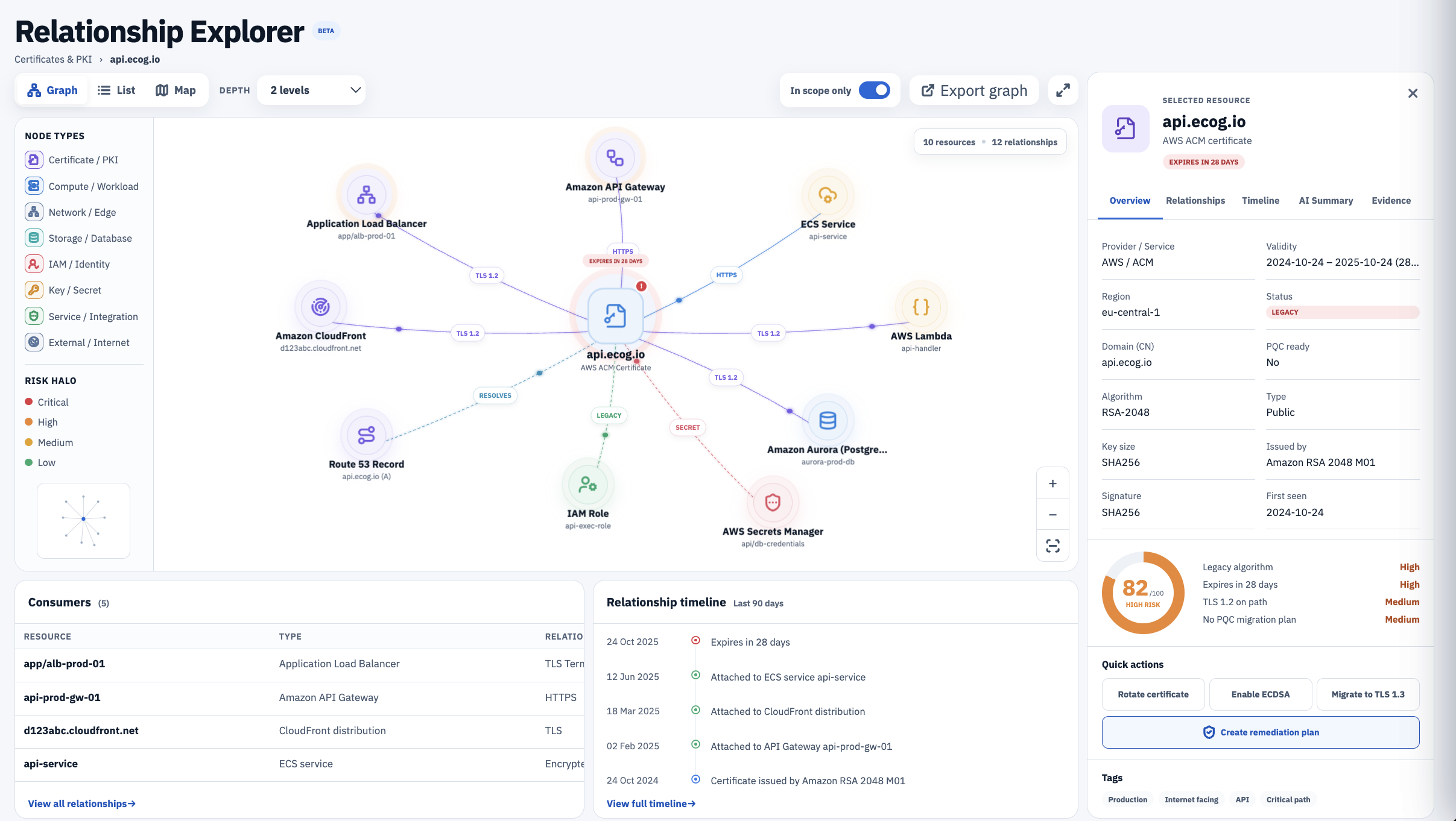
Many organizations understand the urgency of identifying where sensitive cryptography resides within their complex IT environments—from websites and certificates to source code and infrastructure. However, discovery alone is just the first step. The quantum threat landscape demands a holistic approach that encompasses the entire cryptographic lifecycle: inventory, risk prioritization, migration planning, enforcement, and continuous runtime agility. Without this unified approach, enterprises risk fragmented efforts, compliance gaps, and vulnerabilities during their transition to quantum-resistant algorithms.
The primary source from QuantumGenie's blog articulates this critical evolution in cryptographic operations. It highlights that managing crypto-assets as living components—not static ones—is imperative in adapting to emerging protocols, standards, and live runtime conditions in a post-quantum era. This operational mindset bridges the gap between inventory visibility and actionable remediation, enabling sustainable crypto-agility.
Enterprise Challenges and the Need for Lifecycle Management
Migrating to post-quantum cryptography involves complex risks: legacy applications dependent on classical crypto, intertwined integrations, and regulatory pressures demanding compliance with evolving standards. The supporting research underscores that cryptographic agility entails seamless switching between algorithms without service interruption, which can only be achieved through rigorous lifecycle governance.
Tools that focus solely on discovery or standalone migration efforts often falter due to lack of cross-functional orchestration, inability to model dependencies, and insufficient workflow governance. As the Quantumize platform example shows, comprehensive migration solutions must identify, prioritize, and orchestrate changes across the cryptographic environment. Enterprises must embrace platforms that enable contextual risk management and continuous enforcement, thereby reducing exposure and operational friction.
Key Stages in Cryptographic Lifecycle Management for PQ Readiness
| Stage | Description | Enterprise Benefit |
|---|---|---|
| Discovery | Comprehensive asset identification across certificates, code, infrastructure | Establishes baseline visibility and CBOM to understand risk exposure |
| Risk Prioritization | Assessment of cryptographic weaknesses and dependency mapping | Focuses remediation on highest-impact risks and compliance gaps |
| Migration Planning | Strategic roadmap to transition to post-quantum algorithms | Enables coordinated, phased upgrade aligned with business objectives |
| Enforcement | Policy-driven controls for cryptographic standards adherence | Ensures consistent use of approved crypto and audit traceability |
How QuantumGenie Fits: Enabling Mastery of Cryptographic Ops
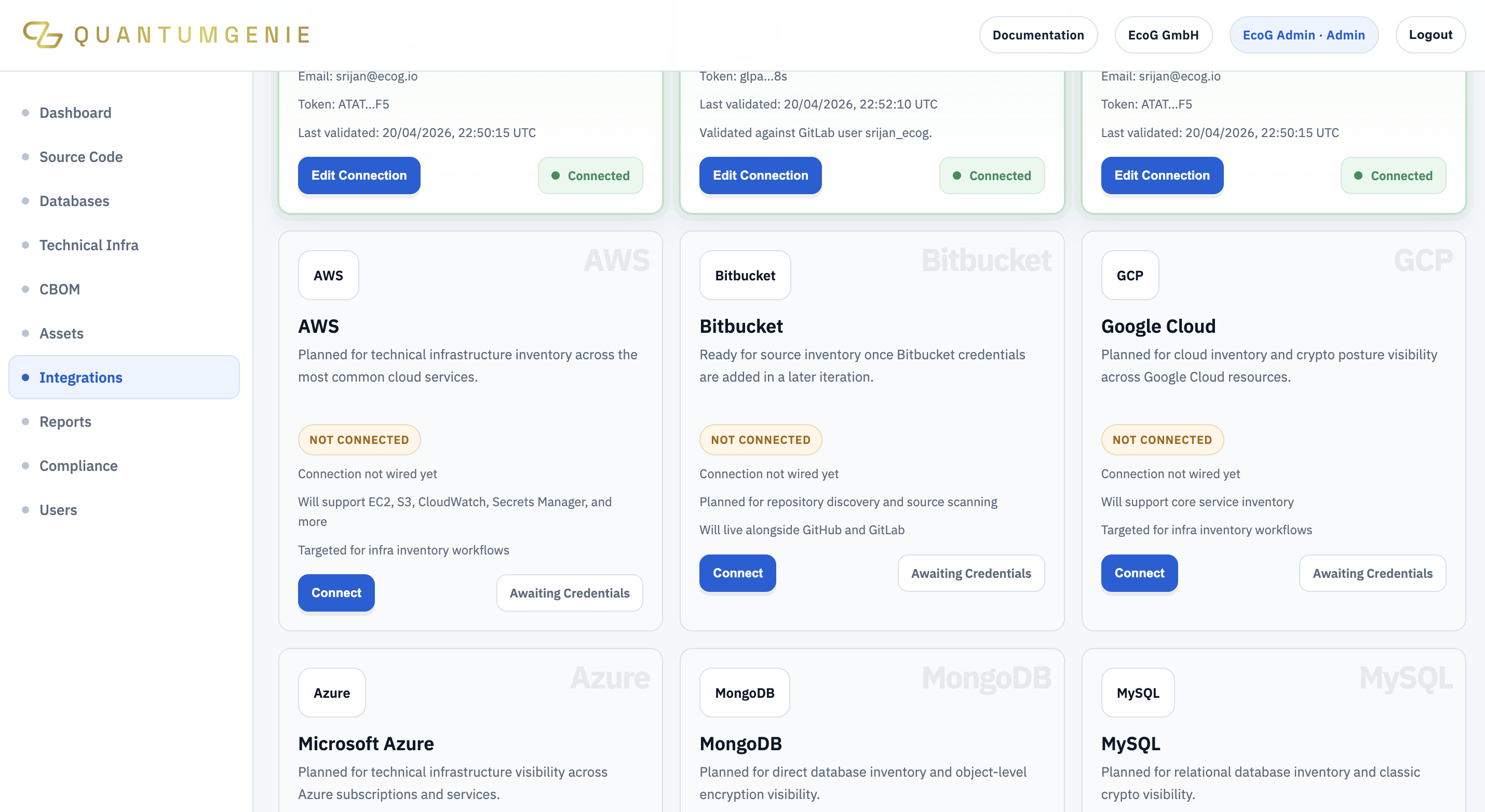
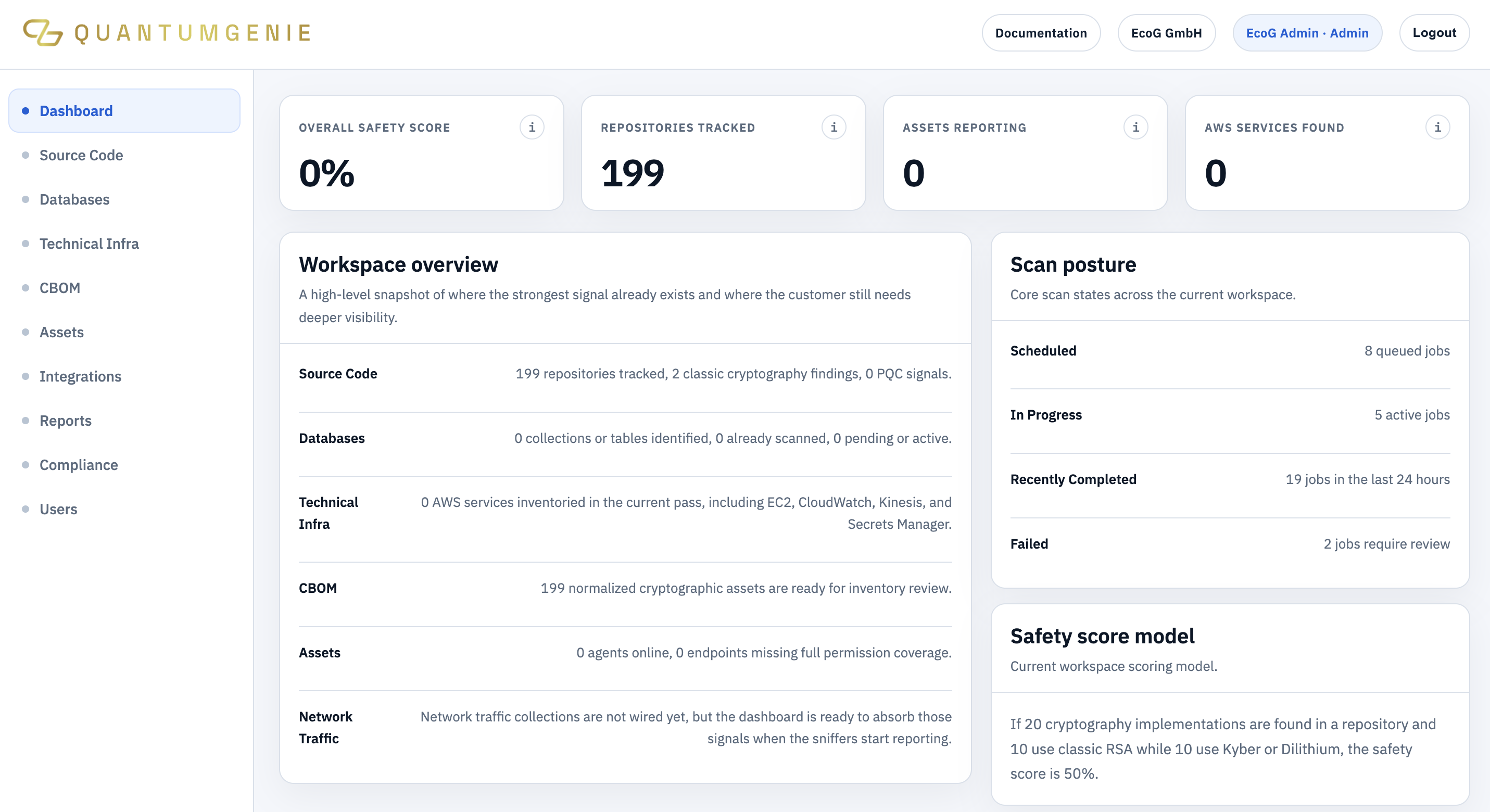
QuantumGenie's integrated CipherScan and CipherNova layers provide the essential infrastructure to operationalize cryptographic lifecycle management. CipherScan delivers exhaustive visibility by mapping cryptographic assets across the enterprise landscape, enabling construction of a cryptographic bill of materials (CBOM). CipherNova complements this by orchestrating prioritized remediation workflows, policy enforcement, and runtime agility checks.
This fusion uniquely positions QuantumGenie to help organizations evolve from static discovery to dynamic cryptographic operations—ensuring compliance readiness, migration efficiency, and resilience against quantum threats. By bridging inventory gaps with executable governance, QuantumGenie equips CISOs and technical leaders with the tools needed to lead agile, defensible post-quantum transformations.
Frequently Asked Questions
Why is managing the cryptographic lifecycle important for post-quantum readiness?
Because quantum threats evolve and standards change, managing the full lifecycle—from discovery to runtime agility—ensures enterprises can adapt cryptographic implementations continuously and securely, minimizing exposure and operational disruptions.
How does cryptographic agility improve enterprise security posture?
Cryptographic agility allows seamless switching between cryptographic algorithms and protocols without service downtime, enabling enterprises to respond quickly to vulnerabilities or standards updates, thus sustaining a robust security posture.
Watch The Quantum Threat
Sources And Further Reading
- Beyond Discovery: Mastering Cryptographic Lifecycle and Agility for Post-Quantum Readiness QuantumGenie Blog · Jul 1, 2026
- Quantumize The Operating Layer for Post-Quantum Readiness Quantumize · Jul 19, 2026
- Identifying Research Challenges in Post Quantum Cryptography Migration and Cryptographic Agility arXiv · Sep 16, 2019