In This Article
What This Means
- The Quantum Threat Demands More Than Discovery
- Bridging Theory and Practice: Migration and Crypto-Agility
- Comment QuantumGenie s’Intègre à la Maîtrise du Cycle de Vie Cryptographique
The Quantum Threat Demands More Than Discovery
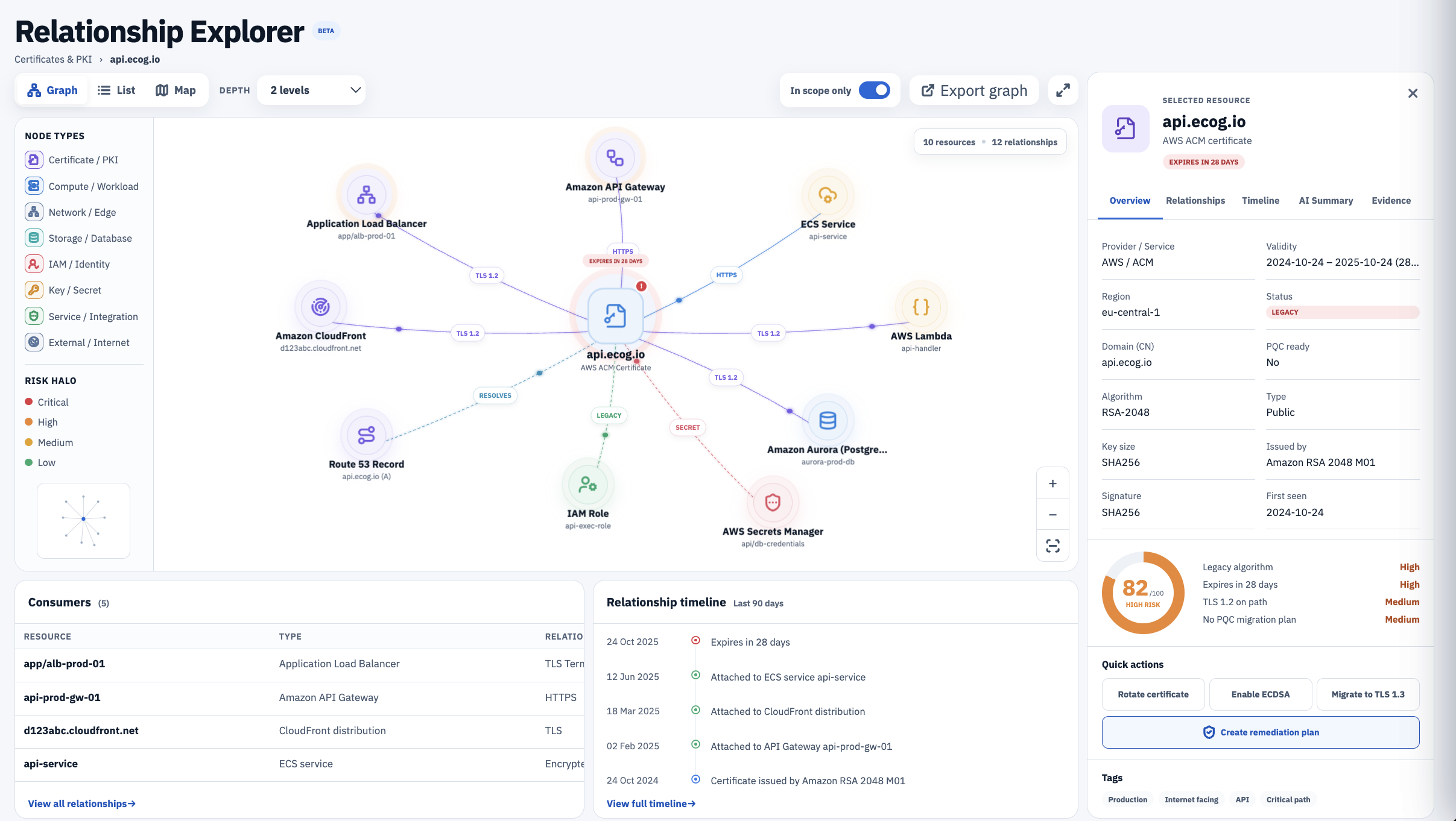
Many enterprises have begun post-quantum readiness with broad cryptographic discovery efforts — identifying where cryptography exists across websites, applications, certificates, and infrastructure. However, as the primary source highlights, discovery is only the first step. The complexity of managing cryptographic assets throughout their lifecycle, enforcing policies, and enabling runtime agility has become paramount in the face of evolving quantum computing threats. Without ongoing lifecycle management, organizations risk exposing themselves to vulnerabilities during migration, compliance gaps, and operational disruptions.
As the quantum threat looms larger, CISOs and architects must pivot from static discovery toward dynamic cryptographic lifecycle orchestration. This ensures that cryptographic material is continuously inventoried, policies are enforced proactively, and agility is built into systems to switch algorithms or update keys without downtime or security gaps. This strategic transition reflects a mature enterprise security posture responsive to quantum challenges.
Bridging Theory and Practice: Migration and Crypto-Agility
Building upon fundamental understanding of post-quantum cryptography and migration approaches—as detailed in the supporting story from Secra Solutions—enterprises face the operational reality of implementing migration plans at scale. Migration to quantum-secure public key algorithms like ML-KEM and ML-DSA involves phases of key inventory, risk prioritization, infrastructure adaptation, and fallback planning. Crypto-agility, or the capacity to seamlessly swap cryptographic algorithms in production, is the linchpin enabling this complex evolution.
Practical migration programs must integrate discovery insights with lifecycle management to systematically replace vulnerable cryptographic assets without interrupting business operations. The need for a unified platform that provides visibility, orchestration, and auditability drives operational excellence and reduces risk during the multi-year post-quantum transition.
Key Stages in Post-Quantum Cryptographic Lifecycle Management
| Stage | Description | Enterprise Implication |
|---|---|---|
| Discovery and Inventory | Identify all cryptographic assets across infrastructure and applications | Foundation for risk assessment and migration planning |
| Lifecycle Enforcement | Maintain policy compliance, manage key rotation, and detect anomalies | Avoids non-compliance and operational gaps |
| Runtime Crypto-Agility | Enable live algorithm updates and migration without service disruption | Ensures seamless transition and resilience during quantum threat evolution |
Comment QuantumGenie s’Intègre à la Maîtrise du Cycle de Vie Cryptographique
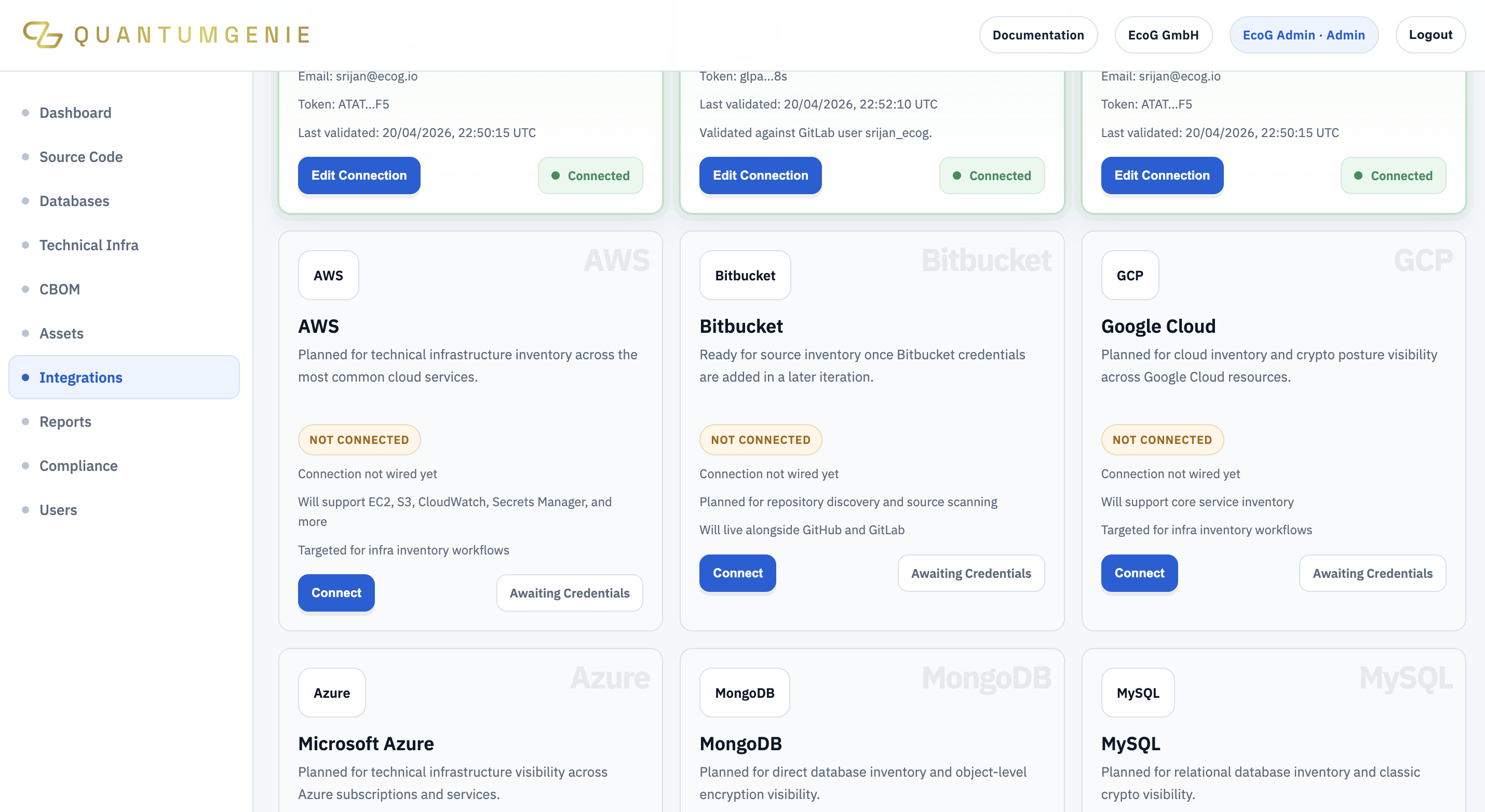
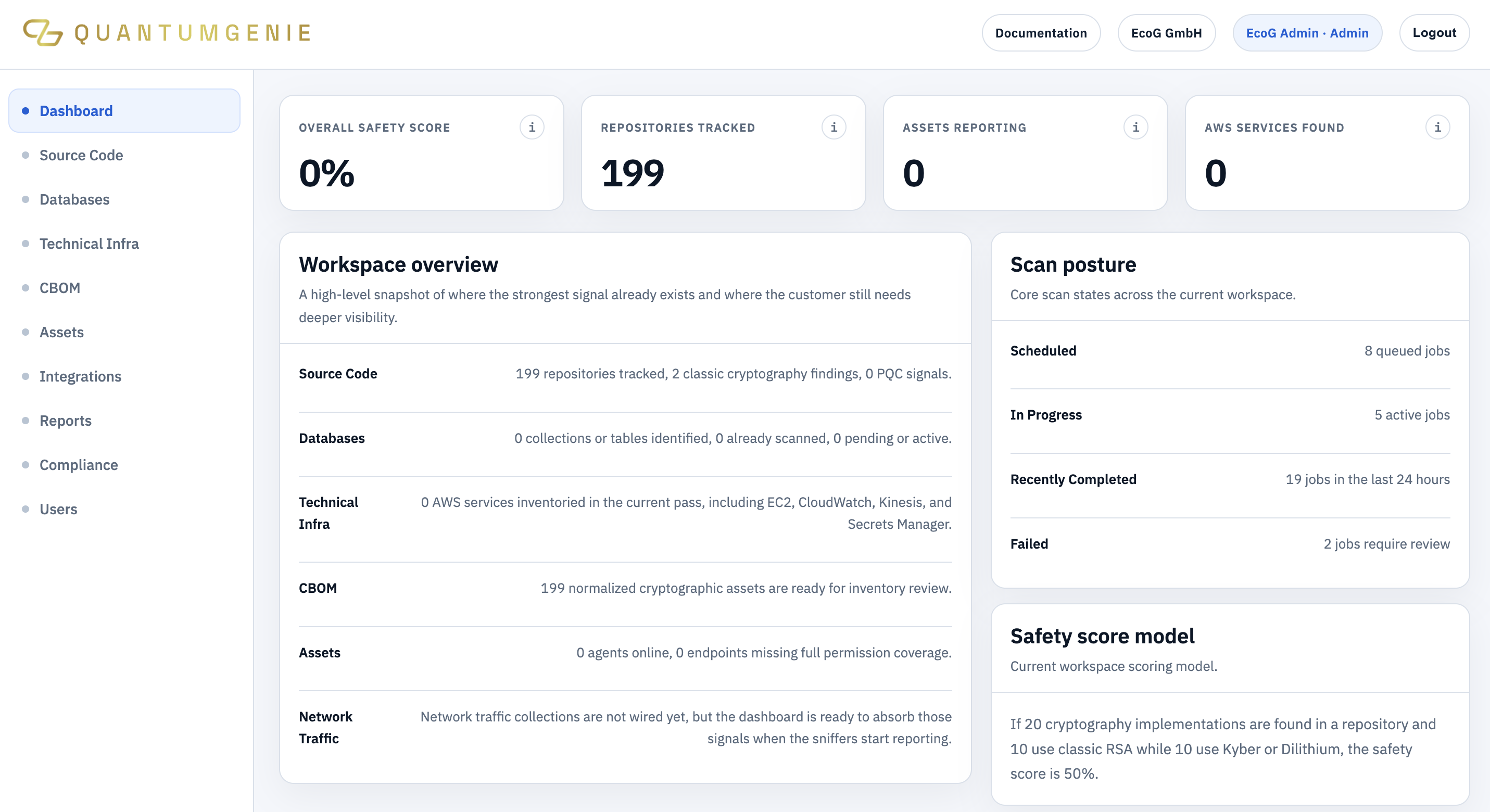
QuantumGenie répond précisément à ce défi en offrant une solution intégrée de découverte, d’inventaire et d’orchestration du cycle de vie cryptographique, indispensable pour préparer une migration post-quantique robuste. La couche de visibilité CipherScan permet aux équipes d’établissement d’un inventaire exhaustif des actifs cryptographiques disséminés sur l’ensemble des systèmes, tandis que CipherNova facilite la planification, la priorisation et le pilotage des workflows de remédiation.
En capitalisant sur cette approche unifiée, les CISOs et équipes techniques peuvent aborder la cryptographie non plus comme un élément figé, mais comme un processus continu, évolutif et agile. QuantumGenie fournit ainsi les composantes techniques essentielles pour gérer la complexité opérationnelle de la migration post-quantique, respecter les exigences réglementaires croissantes, et atténuer les risques liés au phénomène « harvest-now, decrypt-later » avant que les menaces quantiques ne deviennent critiques.
Frequently Asked Questions
Why is cryptographic lifecycle management critical beyond just discovery?
Discovery identifies cryptographic assets but does not ensure ongoing security. Lifecycle management enforces policies, manages key updates, and maintains agility to rapidly respond to threats, thereby reducing operational risks and compliance violations.
How does crypto-agility facilitate post-quantum migration in enterprises?
Crypto-agility allows systems to switch cryptographic algorithms dynamically without downtime or security gaps. This capability is essential for multi-phase post-quantum migrations where legacy algorithms are incrementally replaced with quantum-resistant counterparts.
Watch The Quantum Threat
Sources And Further Reading
- Beyond Discovery: Mastering Cryptographic Lifecycle and Agility for Post-Quantum Readiness QuantumGenie Blog · Jul 1, 2026
- Post-Quantum Cryptography: What It Is and Migration Secra Solutions · Jul 6, 2026