In This Article
What This Means
- Quantum Risk is No Longer Theoretical — Enterprises Must Assess Today
- Why Inventory and Cryptographic Posture Are a Foundation for Post-Quantum Migration
- Comment QuantumGenie s’intègre dans cette démarche stratégique
Quantum Risk is No Longer Theoretical — Enterprises Must Assess Today
The emergence of practical quantum computing is reshaping the cryptographic security landscape. As highlighted by Unisys's recent launch of a cryptographic posture assessment service, enterprises can no longer afford to overlook the integrity of their cryptographic environments. This service offers organizations an end-to-end inventory and vulnerability analysis that uncovers hidden weaknesses threatening long-term security.
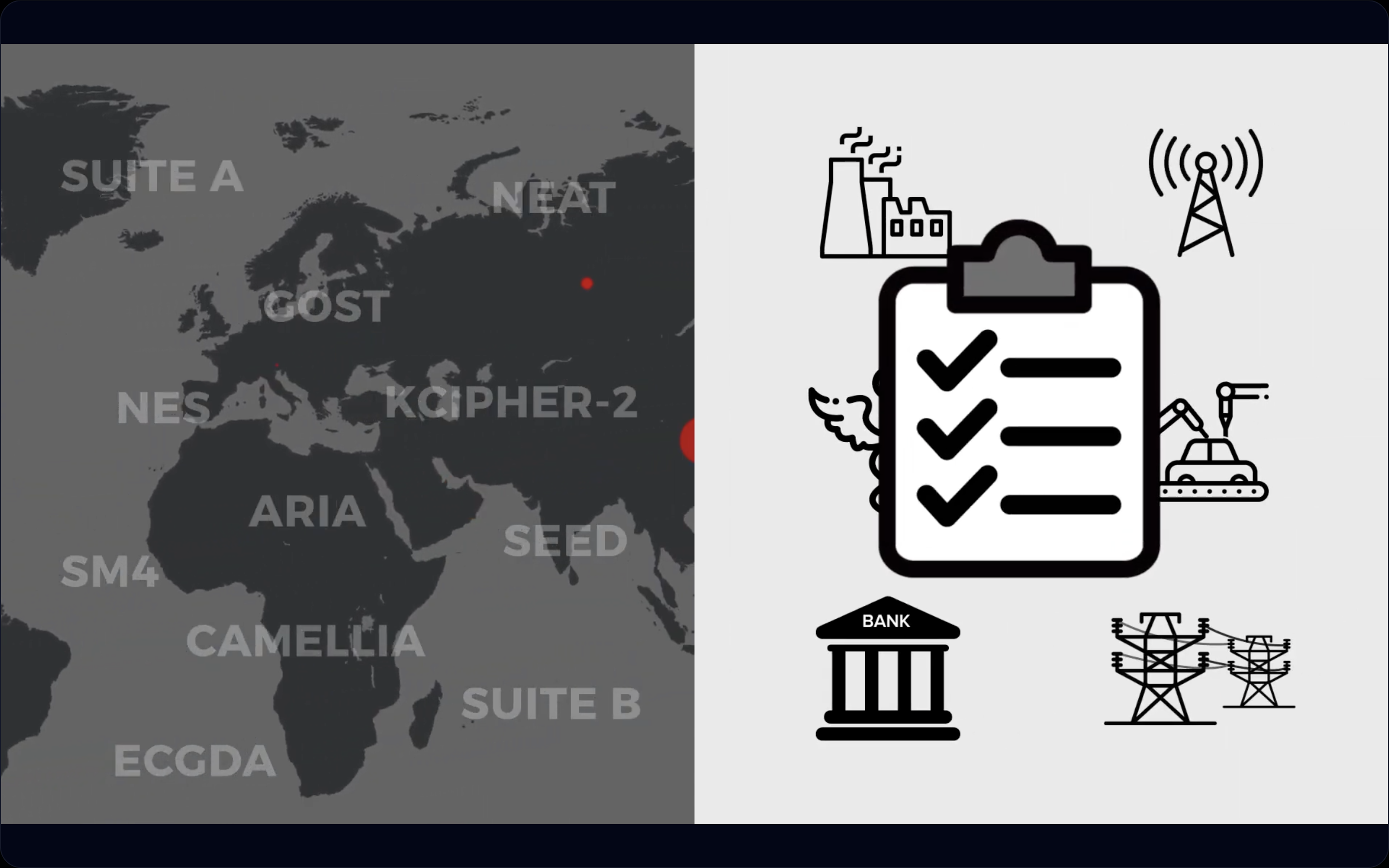
The crux lies in recognizing that encrypted data secured under classical cryptography is vulnerable to 'harvest now, decrypt later' attacks, as detailed in a TechRadar report. Malicious actors may be silently capturing encrypted data today, anticipating powerful quantum computers to decrypt this information in the near future. This latent threat underscores why surface-level cryptographic audits are insufficient: organizations must establish a deep, comprehensive cryptographic inventory to enable targeted remediation.
Why Inventory and Cryptographic Posture Are a Foundation for Post-Quantum Migration
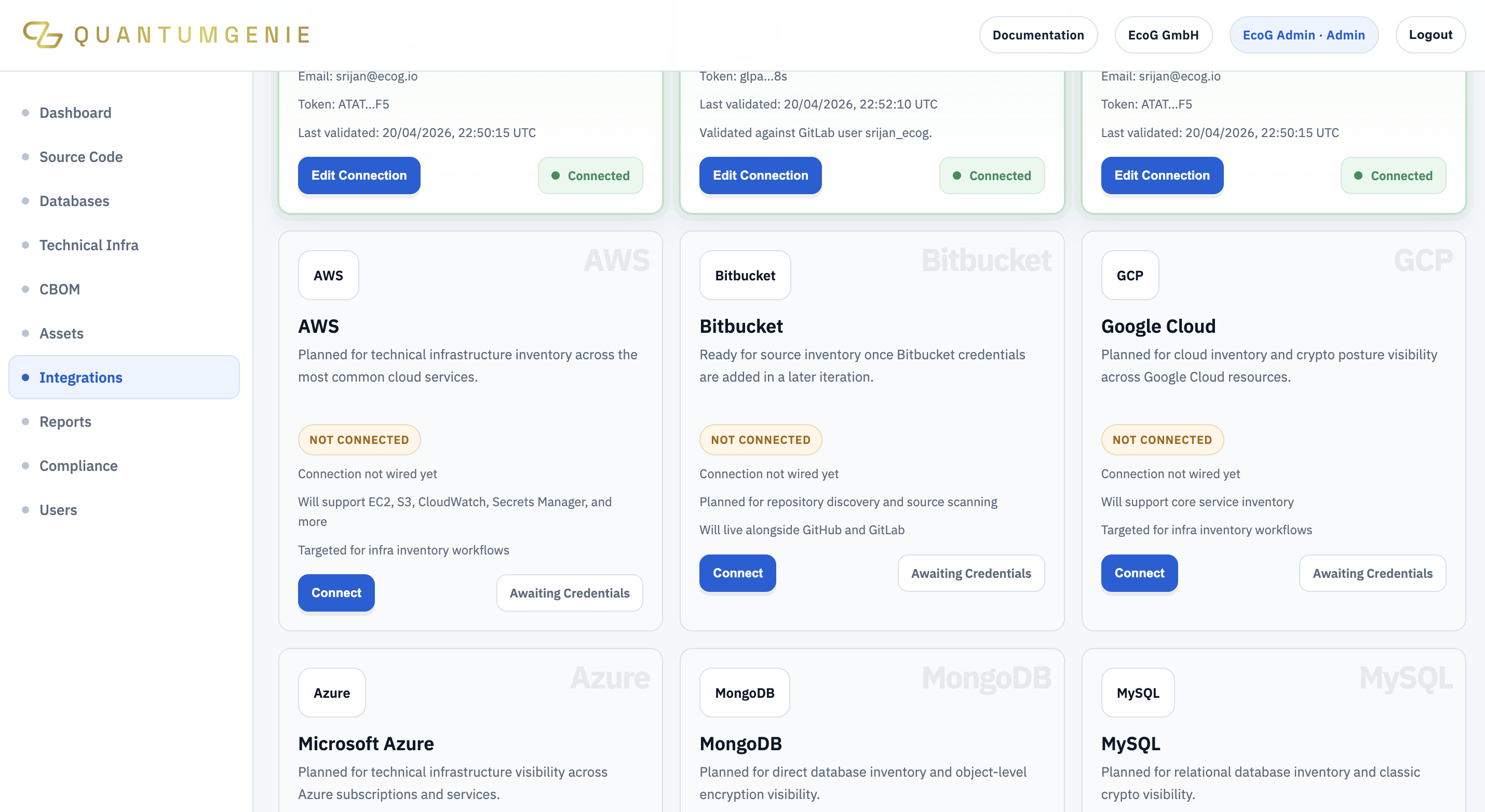
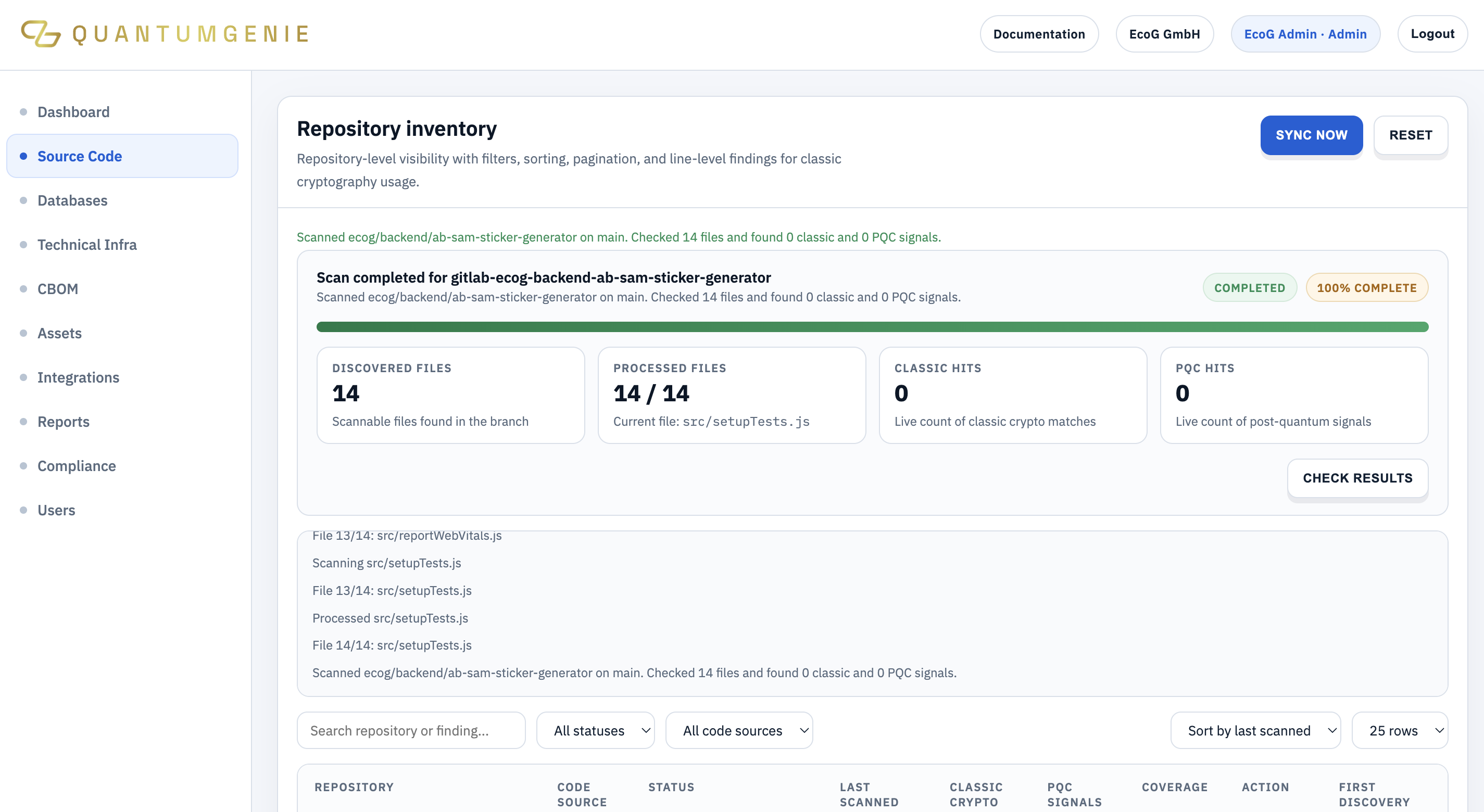
A robust cryptographic posture assessment is essential because post-quantum migration involves complex, high-impact changes across an enterprise’s digital estate. Understanding exactly where and how cryptography is employed—in websites, certificates, source code, databases, and integrations—is critical to prioritize risk and ensure continuity.
Blind spots in cryptographic exposure can lead to costly oversights, exposing organizations to regulatory penalties and operational disruptions when quantum threats materialize. Detailed inventory data enables the development of a cryptographic bill of materials (CBOM), driving informed decisions about which cryptographic elements require urgent replacement or redesign to meet emerging standards. Planning based on accurate assessments also streamlines migration workflows and risk communication across business and technical teams.
Key Considerations for Enterprise Post-Quantum Cryptographic Posture Assessment
| Consideration | Description | Enterprise Impact |
|---|---|---|
| Comprehensive Cryptographic Inventory | Detailed mapping across all enterprise digital assets including source code, certificates, databases, and apps | Enables risk prioritization and effective remediation planning |
| Detection of Vulnerabilities | Identification of weak or obsolete cryptography and hidden exposures | Prevents future exploit scenarios and regulatory non-compliance |
| Migration Readiness | Assessment supports building cryptographic bill of materials and migration roadmaps | Reduces migration cost and complexity while aligning with standards |
| Operational Integration | Support for workflow orchestration and policy management during remediation | Ensures organizational governance and audit-readiness during migration |
Comment QuantumGenie s’intègre dans cette démarche stratégique
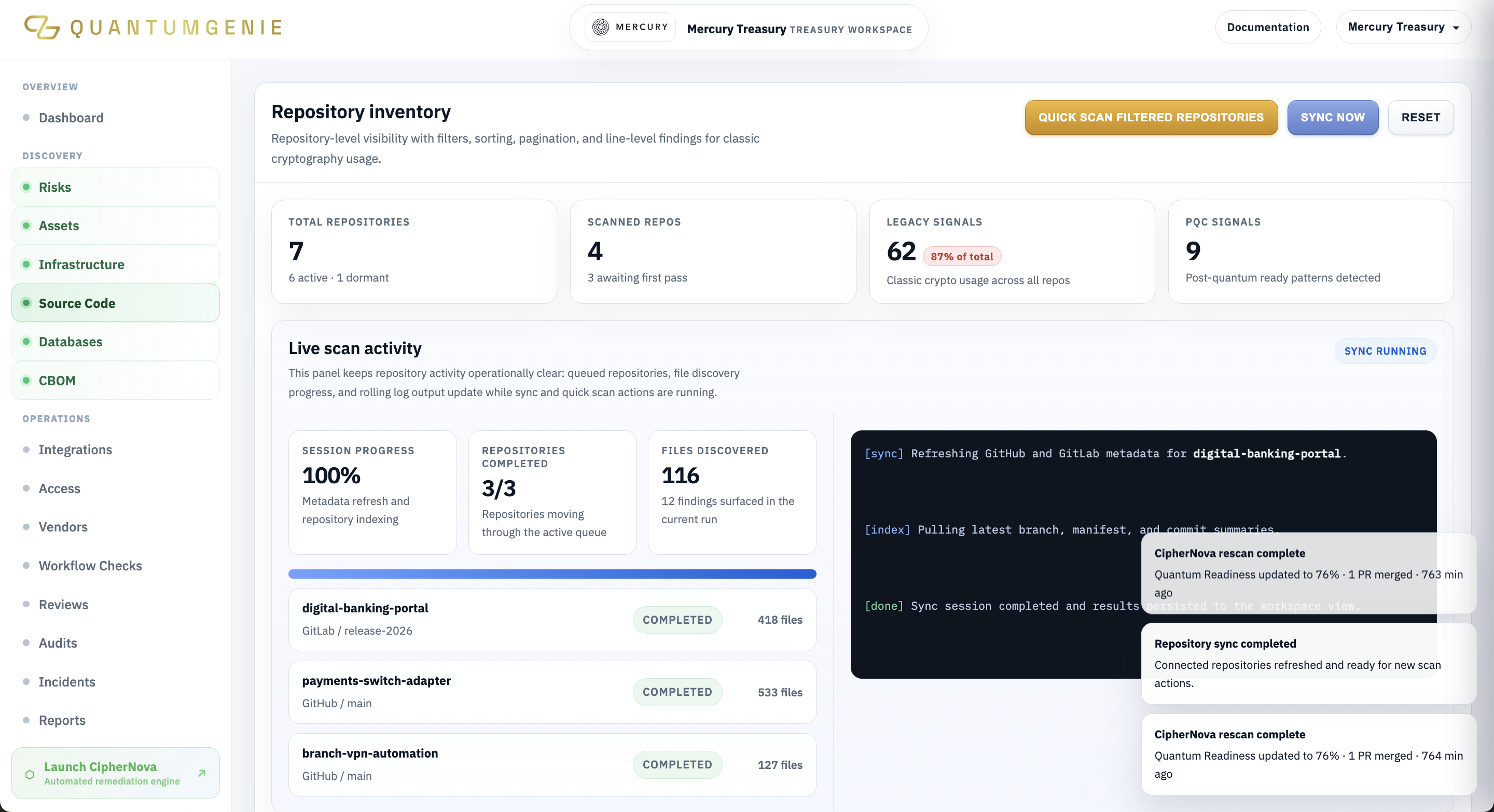
QuantumGenie se positionne comme une solution stratégique dans la gestion proactive du risque quantique en offrant une cartographie complète des actifs cryptographiques via CipherScan, la couche de découverte et de visibilité. Cette visibilité approfondie est un préalable indispensable à toute phase de remédiation ou de migration.
Au-delà de la simple découverte, QuantumGenie accompagne les équipes en priorisant les risques associés, en planifiant les feuilles de route cryptographiques et en orchestrant les interventions via CipherNova. Cette approche intégrée permet d’exécuter des programmes de migration post-quantiques efficaces, en garantissant la conformité réglementaire et en fournissant des preuves d’audit pragmatiques – un avantage clé face aux exigences croissantes en matière de cybersécurité.
Frequently Asked Questions
Why is a cryptographic inventory critical before migrating to post-quantum algorithms?
A cryptographic inventory reveals where and how cryptography is used, enabling organizations to identify vulnerable points and prioritize lifecycle management. Without it, migration efforts risk missing critical assets, resulting in security gaps and compliance failures.
How does the 'harvest now, decrypt later' threat influence enterprise security strategy?
This threat means attackers harvest encrypted data today, planning to decrypt it once quantum capabilities mature. Enterprises must therefore begin remediation early, protecting current data and future-proofing cryptography by assessing and upgrading existing cryptographic assets now.
Watch The Quantum Threat
Sources And Further Reading
- Unisys Launches First Post-Quantum Cryptography Service to Block Future Security Threats Nasdaq · Mar 27, 2025
- Quantum Computing's Invisible Impact on Data Security: The 'Harvest Now, Decrypt Later' Threat TechRadar · Jul 8, 2026