In This Article
What This Means
- Understanding Cryptographic Agility and Its Enterprise Importance
- The Critical Role of a Cryptographic Inventory
- How QuantumGenie Fits Into Enterprise Cryptographic Agility
Understanding Cryptographic Agility and Its Enterprise Importance
As the cybersecurity landscape prepares for the practical impact of quantum computing, enterprises must go beyond mere awareness and take specific, actionable steps toward cryptographic agility. The CMS article sharply breaks down agility into three interdependent components: adopting modern algorithms, sustaining an accurate and comprehensive cryptographic inventory, and architecting systems that allow rapid, controlled transitions between cryptographic states.
This triad matters because the transition to post-quantum cryptography will not be a one-time event but a continuous journey. Without these pillars, enterprises risk facing operational delays, compliance gaps, and security vulnerabilities. The ability to respond quickly and thoroughly to emerging standards or threats is a competitive advantage increasingly demanded by regulators and auditors.
The Critical Role of a Cryptographic Inventory
Central to agility is an exhaustive cryptographic inventory — a snapshot of all cryptographic assets spread across certificates, applications, databases, keys, and integrated systems. Microsoft’s recent blog reinforces this, emphasizing that such an inventory is the cornerstone of quantum readiness.
For enterprises, this means systematically discovering and cataloging every cryptographic instance. Without this, modernizing or replacing cryptographic schemes is guesswork, fraught with risk. An accurate inventory supports prioritization, helping to address the most vulnerable or business-critical assets first, thereby reducing attack surfaces and compliance exposure.
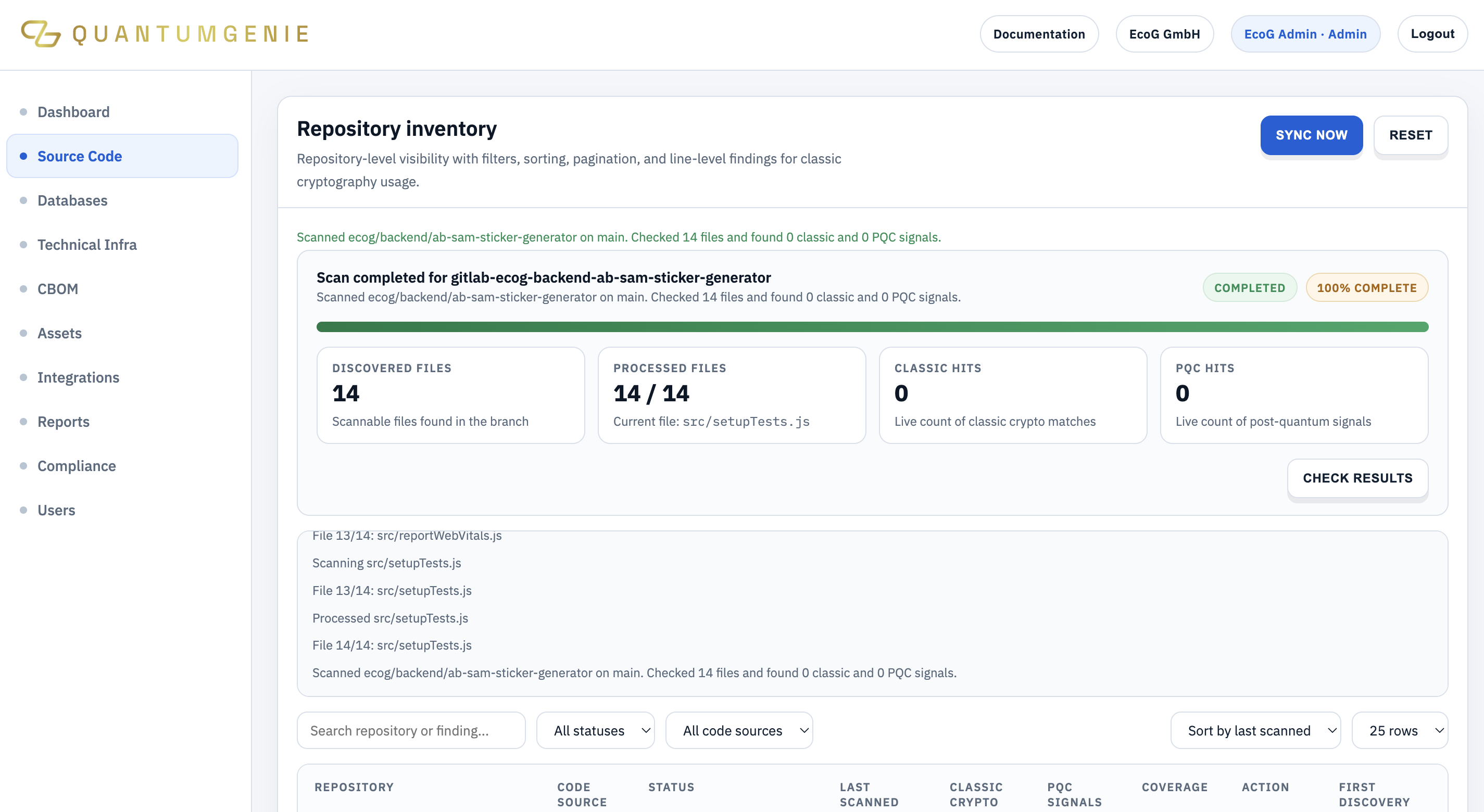
Three Elements of Cryptographic Agility Explained
| Element | Description | Enterprise Implication |
|---|---|---|
| Modern Cryptography | Use of up-to-date, secure cryptographic algorithms and protocols | Ensures resilience against evolving cyber threats, including quantum attacks |
| Cryptographic Inventory | Comprehensive, accurate cataloging of cryptographic assets across systems | Enables effective risk prioritization and targeted migration planning |
| Engineered Agility | System design that facilitates quick, seamless cryptographic updates and rollbacks | Reduces operational disruption and accelerates response to cryptographic lifecycle changes |
How QuantumGenie Fits Into Enterprise Cryptographic Agility
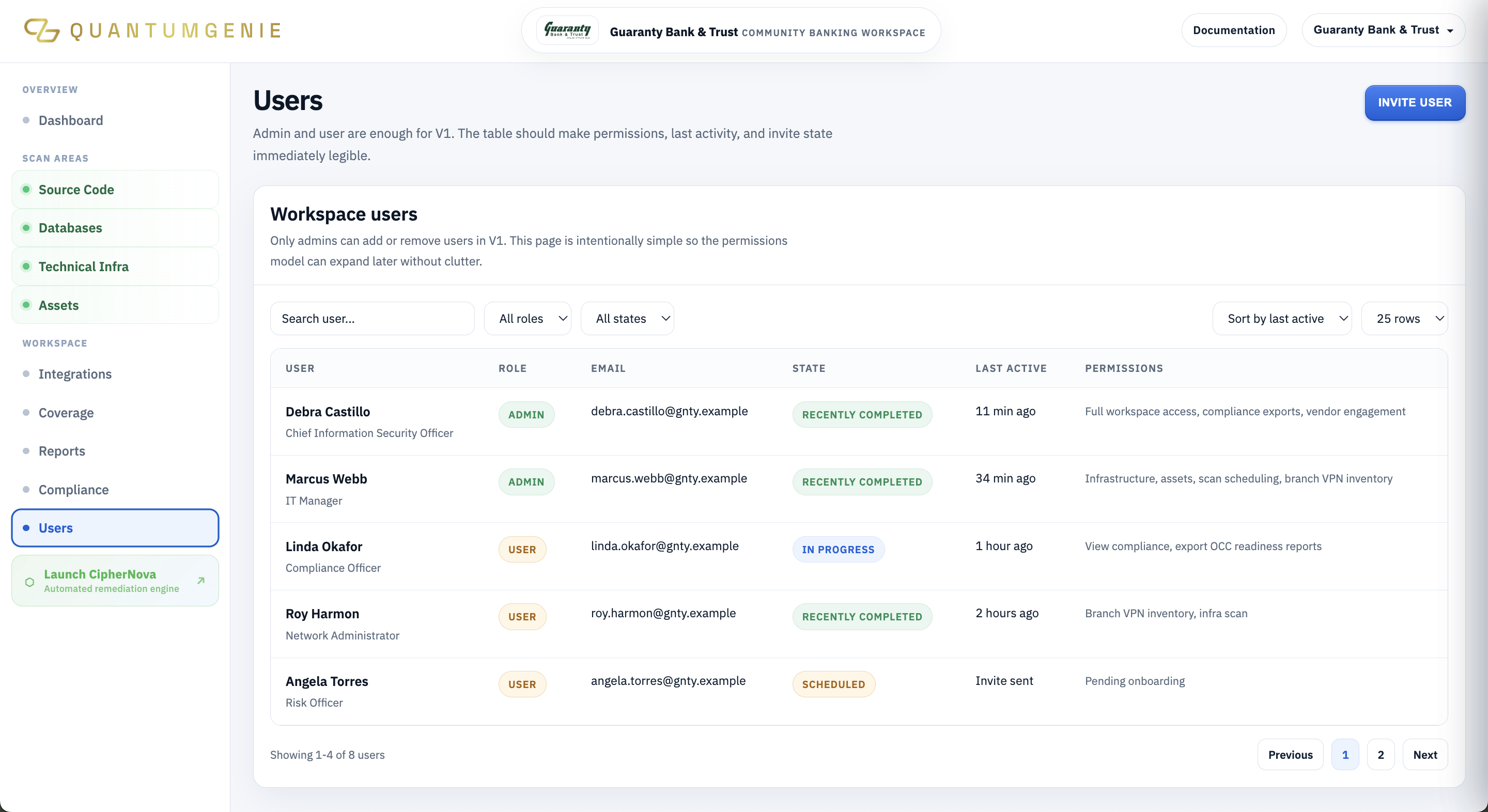
QuantumGenie is designed explicitly for this challenge. By providing the infrastructure to discover and build a cryptographic inventory across an organization’s full digital footprint—from websites and certificates to source code and infrastructure—it enables the foundational visibility required for agility.
Beyond discovery, QuantumGenie offers prioritization tools and orchestrates remediation workflows, supporting enterprise teams in executing migration plans with operational rigor. This aligns perfectly with CMS’s three pillars, enabling organizations not only to adapt to post-quantum cryptography but also to maintain continuous cryptographic agility as standards evolve.
Frequently Asked Questions
Why is a cryptographic inventory essential for post-quantum readiness?
An accurate cryptographic inventory identifies all instances of cryptography across an organization, enabling targeted risk assessment and prioritized migration planning essential for a smooth transition to post-quantum algorithms.
How does engineered agility complement the use of modern cryptography?
Engineered agility means designing systems that can quickly adapt to cryptographic changes, ensuring that even if strong modern algorithms are in place, updates or rollbacks can occur rapidly in response to new threats or standards.
Watch The Quantum Threat
Sources And Further Reading
- Three Elements of Cryptographic Agility CMS Information Security and Privacy Program · Apr 17, 2024
- Building Your Cryptographic Inventory: A Customer Strategy for Cryptographic Posture Management Microsoft Security Blog · Apr 16, 2026