In This Article
What This Means
- Understanding the U.S. PQC Regulatory Framework
- Implications for Enterprises: Compliance and Strategic Planning
- How QuantumGenie Fits
Understanding the U.S. PQC Regulatory Framework
The Office of Management and Budget (OMB) issued M-23-02, "Migrating to Post-Quantum Cryptography," mandating federal agencies to identify and inventory quantum-vulnerable cryptographic systems. Agencies are required to submit a prioritized inventory of these systems annually until 2035, detailing specific data items for each system.
NIST has finalized three foundational PQC standards: FIPS 203 (ML-KEM) for key encapsulation, FIPS 204 (ML-DSA) for digital signatures, and FIPS 205 (SLH-DSA) as a backup signature scheme. These standards are part of a broader effort to replace quantum-vulnerable algorithms like RSA and ECDSA.
Implications for Enterprises: Compliance and Strategic Planning
Enterprises must conduct a comprehensive cryptographic inventory to identify systems using quantum-vulnerable algorithms. This inventory is the first step in aligning with federal mandates and ensuring compliance.
Developing a migration strategy that prioritizes systems based on risk exposure and data sensitivity is crucial. Implementing hybrid cryptography solutions during the transition phase can mitigate risks associated with the migration process.
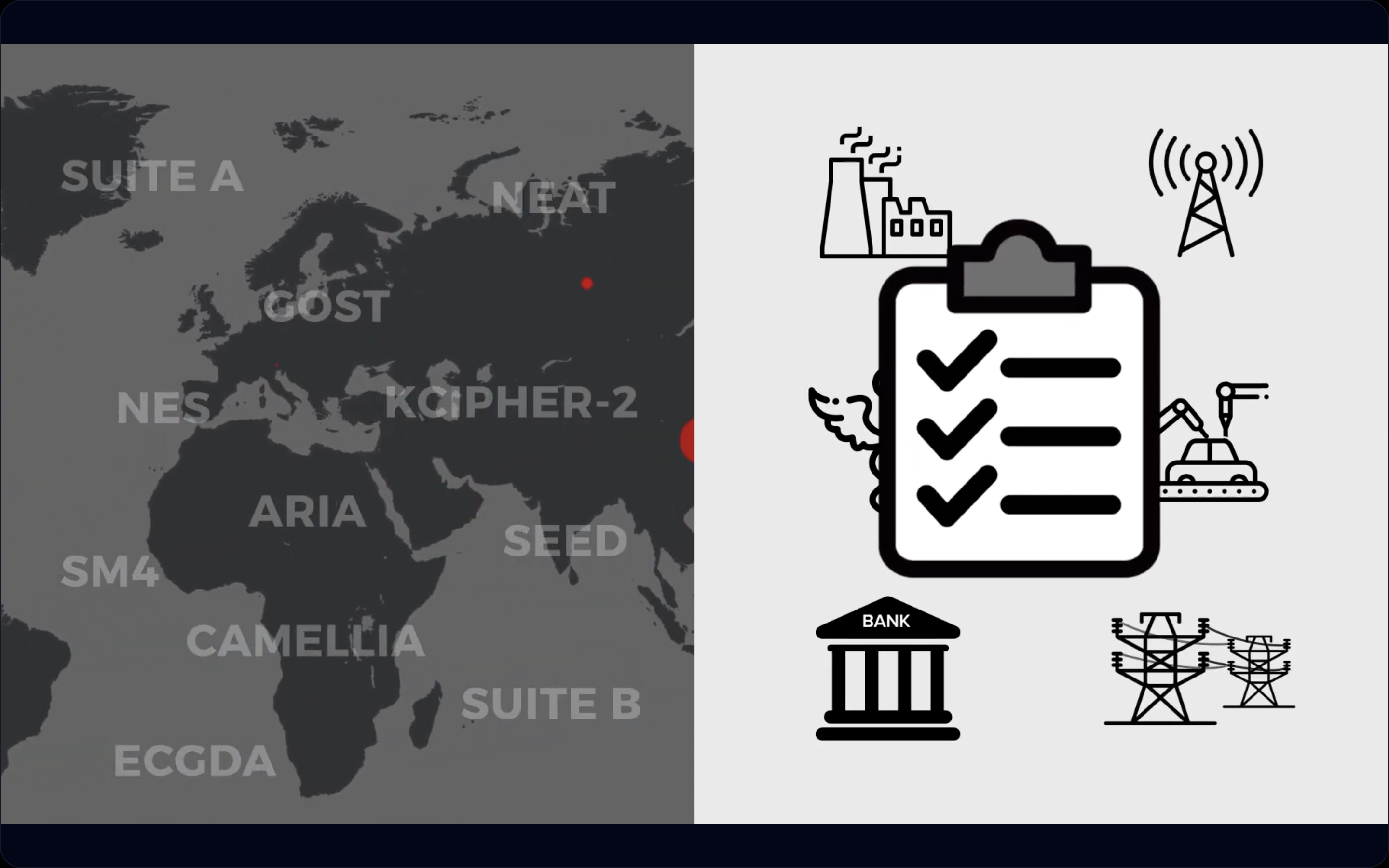
Key Components of the U.S. PQC Regulatory Framework
| Component | Description | Implications for Enterprises |
|---|---|---|
| OMB M-23-02 | Mandates federal agencies to identify and inventory quantum-vulnerable cryptographic systems. | Enterprises must conduct a comprehensive cryptographic inventory to comply with federal requirements. |
| NIST FIPS 203, 204, 205 | Finalized PQC standards for key encapsulation and digital signatures. | Enterprises should align their cryptographic systems with these standards to ensure compliance. |
| Deprecation Timeline | Algorithms with ≤112-bit security deprecated after 2030; all quantum-vulnerable algorithms disallowed after 2035. | Enterprises need to plan and execute migration strategies before these deadlines to maintain secure operations. |
How QuantumGenie Fits
QuantumGenie offers a structured approach to PQC migration, aligning with federal standards and facilitating enterprise compliance.
With CipherScan, QuantumGenie enables continuous discovery and inventory of cryptographic assets, ensuring a comprehensive understanding of an enterprise's cryptographic landscape.
Frequently Asked Questions
What is the significance of OMB M-23-02 for enterprises?
OMB M-23-02 requires federal agencies to identify and inventory quantum-vulnerable cryptographic systems, impacting enterprises that provide services to the federal government or handle federal data.
How can QuantumGenie assist in PQC migration?
QuantumGenie offers tools like CipherScan for cryptographic inventory and CipherNova for remediation planning, aiding enterprises in aligning with federal PQC standards and ensuring compliance.
Watch The Quantum Threat
Sources And Further Reading
- The Complete US Post-Quantum Cryptography (PQC) Regulatory Framework in 2026 Post-Quantum · Jan 1, 2026
- Post-Quantum Cryptography Migration Guide 2026: NIST Standards Decryption Digest · May 14, 2026
- Post-Quantum Cryptography: Enterprise Guide to Quantum-Safe Security Cyber Technology Insights · May 14, 2026