In This Article
What This Means
- The Paradigm Shift: From Static Crypto to Software-Defined Cryptography
- Implications of Software-Defined Cryptography for Enterprise Security
- How QuantumGenie Fits into the Software-Defined Cryptography Vision
The Paradigm Shift: From Static Crypto to Software-Defined Cryptography
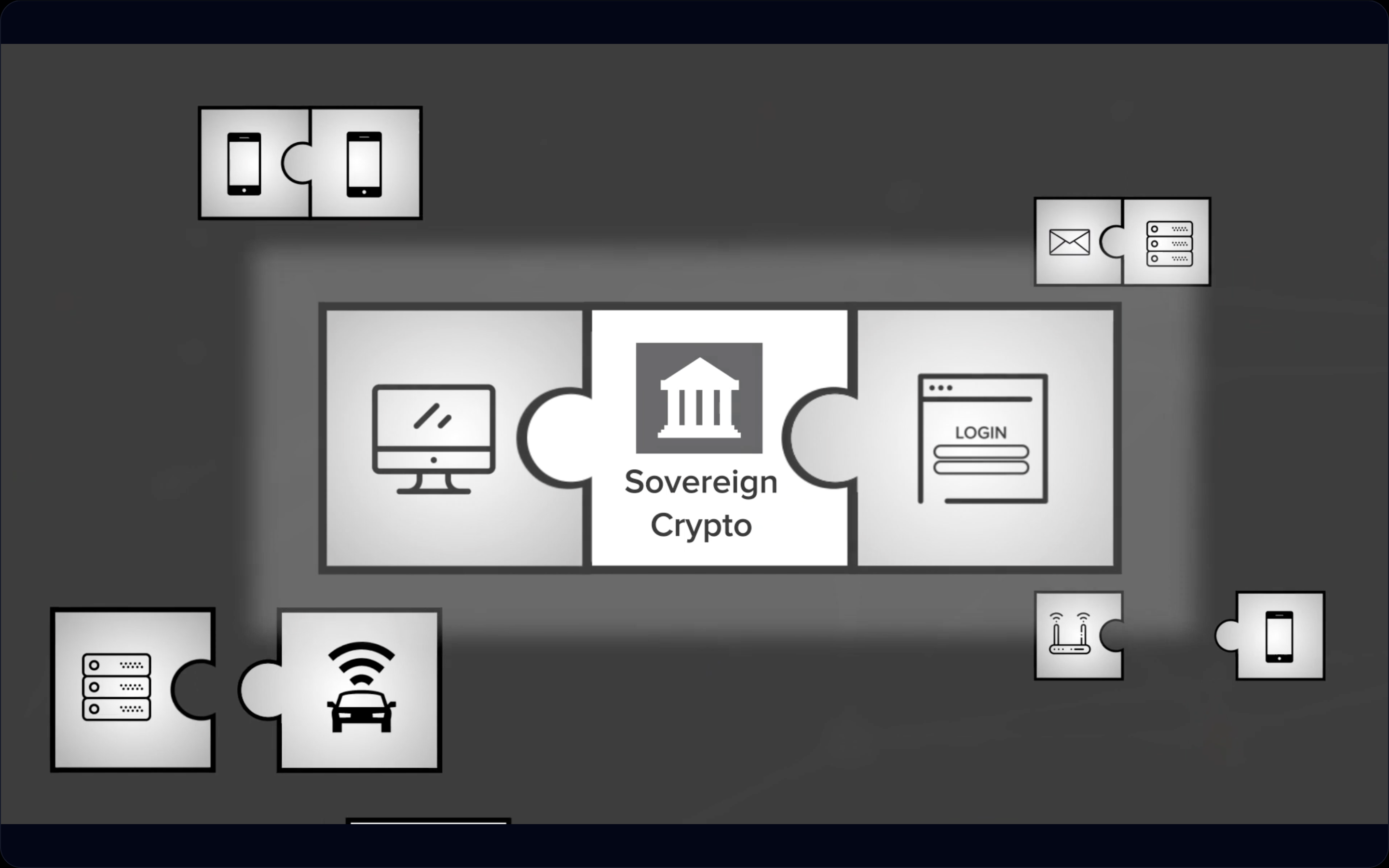
Post-quantum cryptography (PQC) implementation is no longer just about swapping cryptographic algorithms. Enterprises face the reality that managing a global cryptographic fabric requires agility, governance, and automation. The recent arXiv publication on software-defined cryptography outlines how software can centralize governance and enable automated enforcement of cryptographic policies, including PQC migration.
Such an architecture enables IT security teams to centrally define cryptographic standards, monitor compliance in real-time, and automate tasks like patching and migration triggers. This model moves away from fragmented, manual crypto updates toward a seamless, manageable enterprise-wide system that adapts to evolving threats.
Implications of Software-Defined Cryptography for Enterprise Security
Enterprises implementing PQC face fragmented cryptographic use across diverse applications, infrastructure, and third-party integrations. Software-defined approaches provide a blueprint to unify these disparate cryptographic components under centralized control, necessary to meet compliance and risk mitigation requirements.
Moreover, the emergence of threats such as ransomware leveraging PQC-boosted encryption, as seen in the Kyber ransomware case, underscores the urgency for enterprises to build not just reactive but anticipatory crypto-agility frameworks. Software-defined cryptography thus supports enterprises in reducing dwell time for legacy crypto and accelerating remediation workflows.
Comparing Traditional and Software-Defined Cryptography Approaches for Enterprises
| Aspect | Traditional Cryptography Management | Software-Defined Cryptography |
|---|---|---|
| Governance | Decentralized, manual policy enforcement | Centralized policy definition and automated enforcement |
| Visibility | Fragmented, siloed cryptographic assets | Comprehensive, unified cryptographic inventory |
| Migration to PQC | Reactive, time-consuming | Proactive, automated, prioritized |
| Compliance | Difficult to prove and audit | Built-in auditability and compliance reporting |
How QuantumGenie Fits into the Software-Defined Cryptography Vision
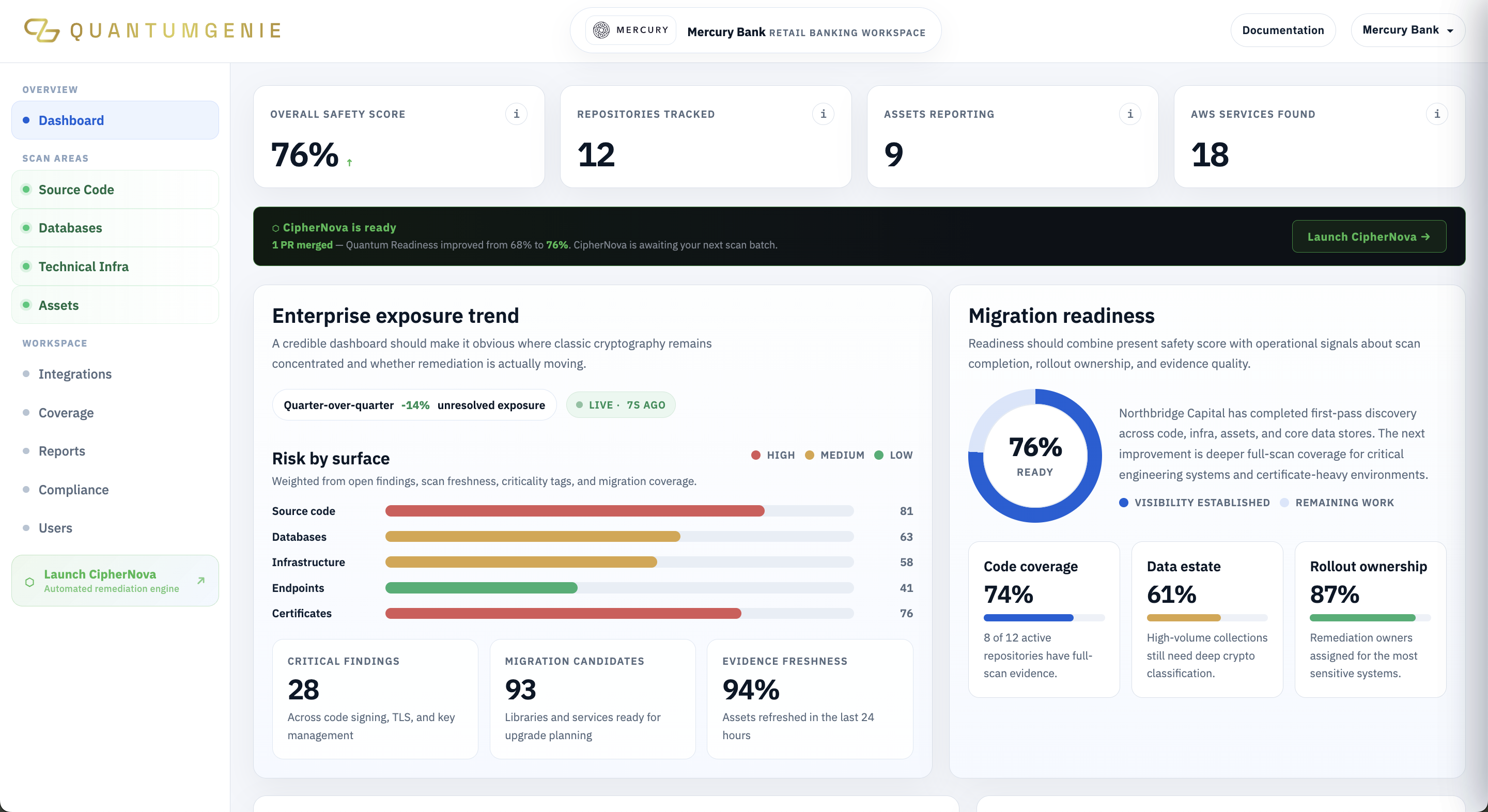
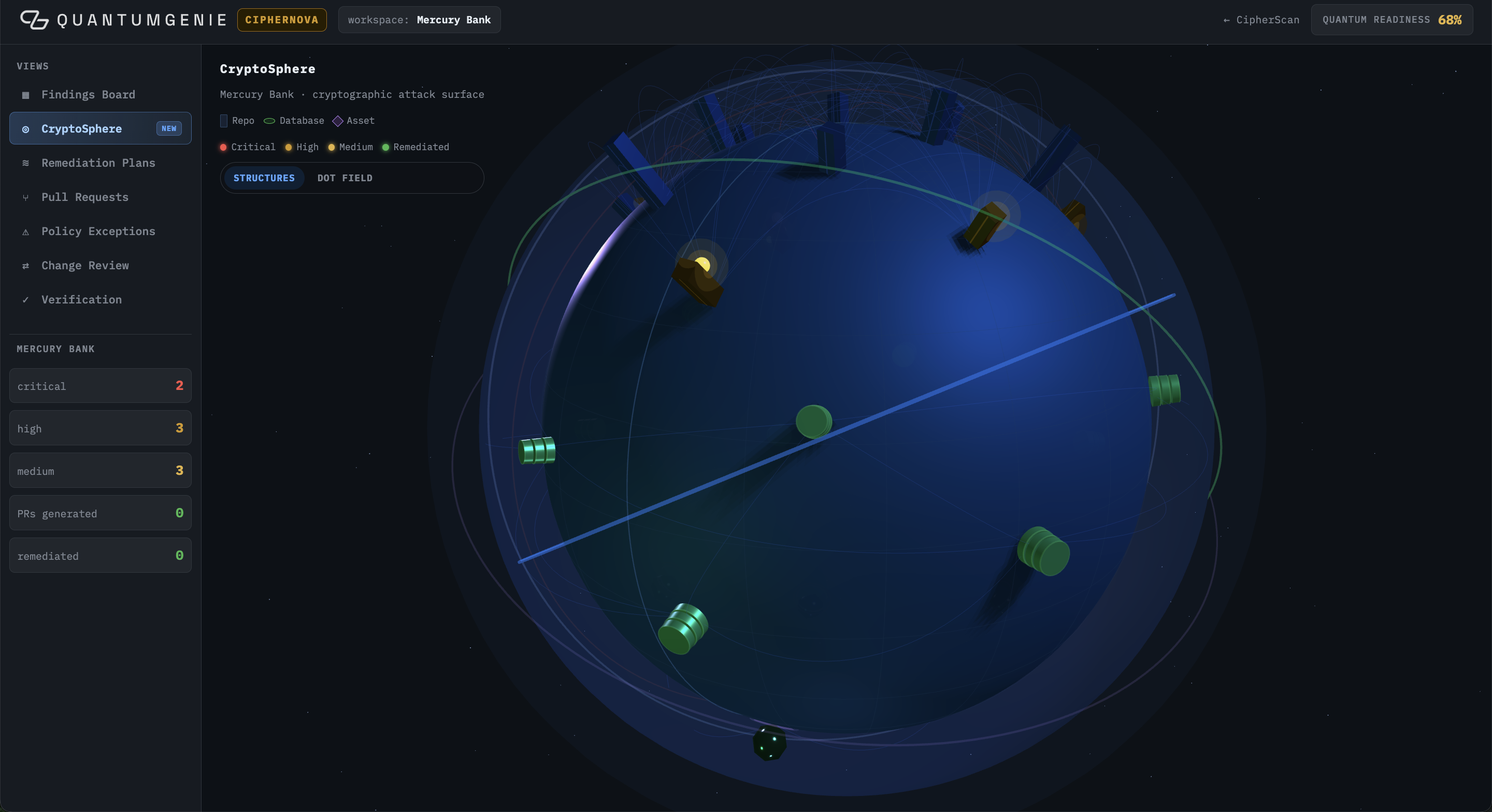
QuantumGenie’s platform embodies the principles of software-defined cryptography by providing enterprises with comprehensive cryptographic visibility through CipherScan, and governance orchestration through CipherNova.
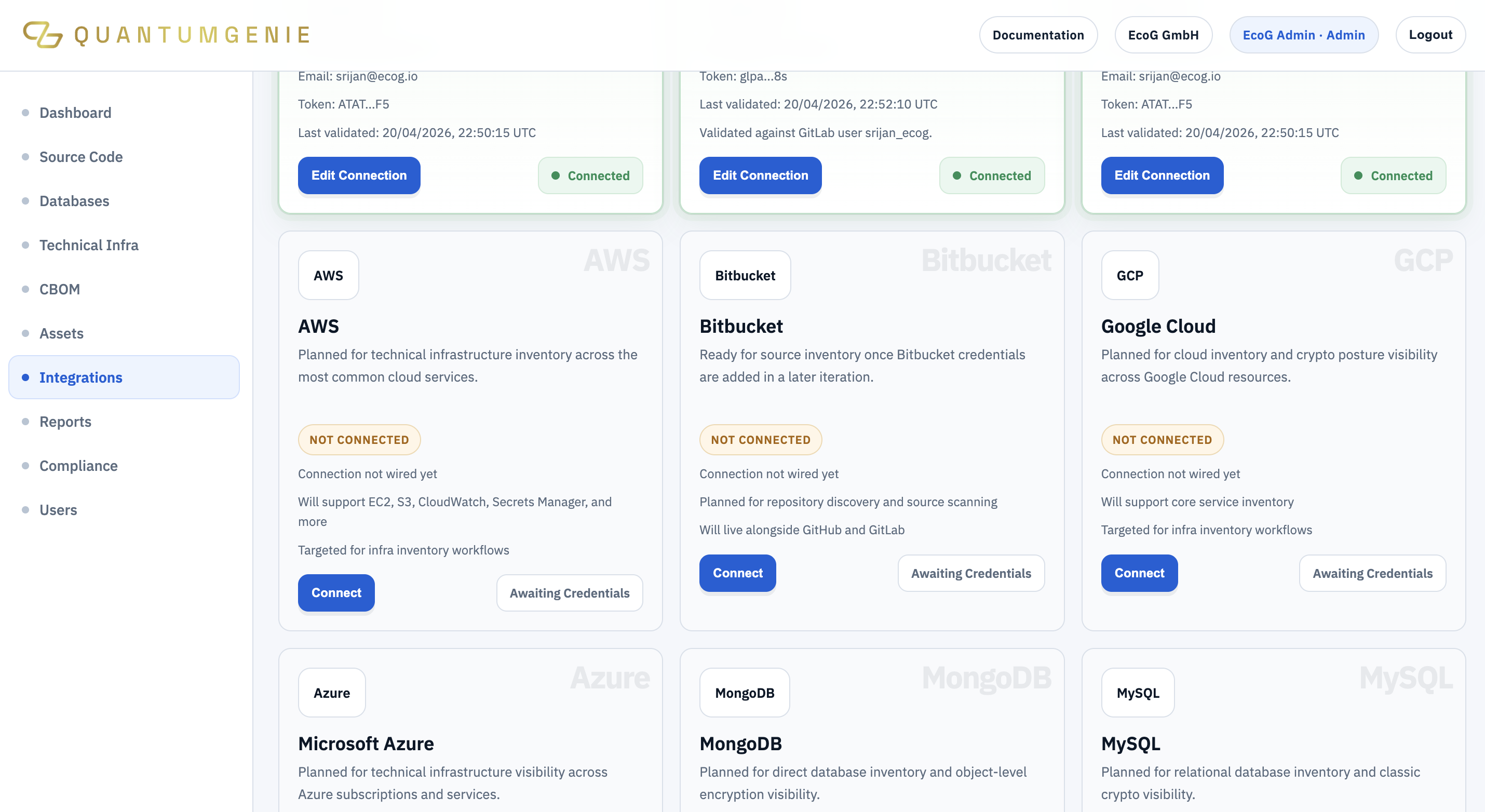
By enabling organizations to discover all cryptographic assets — from certificates and source code to infrastructure and applications — QuantumGenie creates the centralized inventory necessary for effective governance. This inventory forms the foundation for building a cryptographic bill of materials (CBOM), a crucial input to automated policy enforcement and migration prioritization.
Frequently Asked Questions
What is software-defined cryptography and why does it matter for enterprises?
Software-defined cryptography is an architectural approach that centralizes cryptographic policy governance and enables automated enforcement, making it easier for enterprises to manage, migrate, and secure their cryptographic assets, especially important in transitioning to post-quantum cryptography.
How does QuantumGenie support the implementation of software-defined cryptography?
QuantumGenie provides the discovery, inventory, and remediation orchestration platform required for software-defined cryptography, helping enterprises build a comprehensive cryptographic inventory, prioritize risks, and operationalize automated policy enforcement workflows.
Watch The Quantum Threat
Sources And Further Reading
- Software-Defined Cryptography: A Design Feature of Cryptographic Agility arXiv · Apr 2, 2024
- When Ransomware Goes Post-Quantum: What Enterprises Must Do Now to Stay Ahead QuantumGenie Blog · Jul 12, 2026