In This Article
What This Means
- From Theory to Practice: Post-Quantum Cryptography in Data Protection
- Strategic Implications for Enterprise Security Teams
- QuantumGenie’s Role in Bridging Discovery and Migration
From Theory to Practice: Post-Quantum Cryptography in Data Protection
The growing recognition of quantum computers' potential to break classical encryption now drives enterprise investments into post-quantum cryptography (PQC). Recent enhancements like those highlighted by Commvault — adding PQC capabilities to data protection suites — illustrate a market shift from conceptual preparedness to deploying tangible quantum-resistant solutions safeguarding long-term data confidentiality. These moves are critical because data backups and archives remain vulnerable to harvest-now-decrypt-later attacks, where adversaries store encrypted data today to decrypt it once quantum computing becomes viable.
Strategic Implications for Enterprise Security Teams
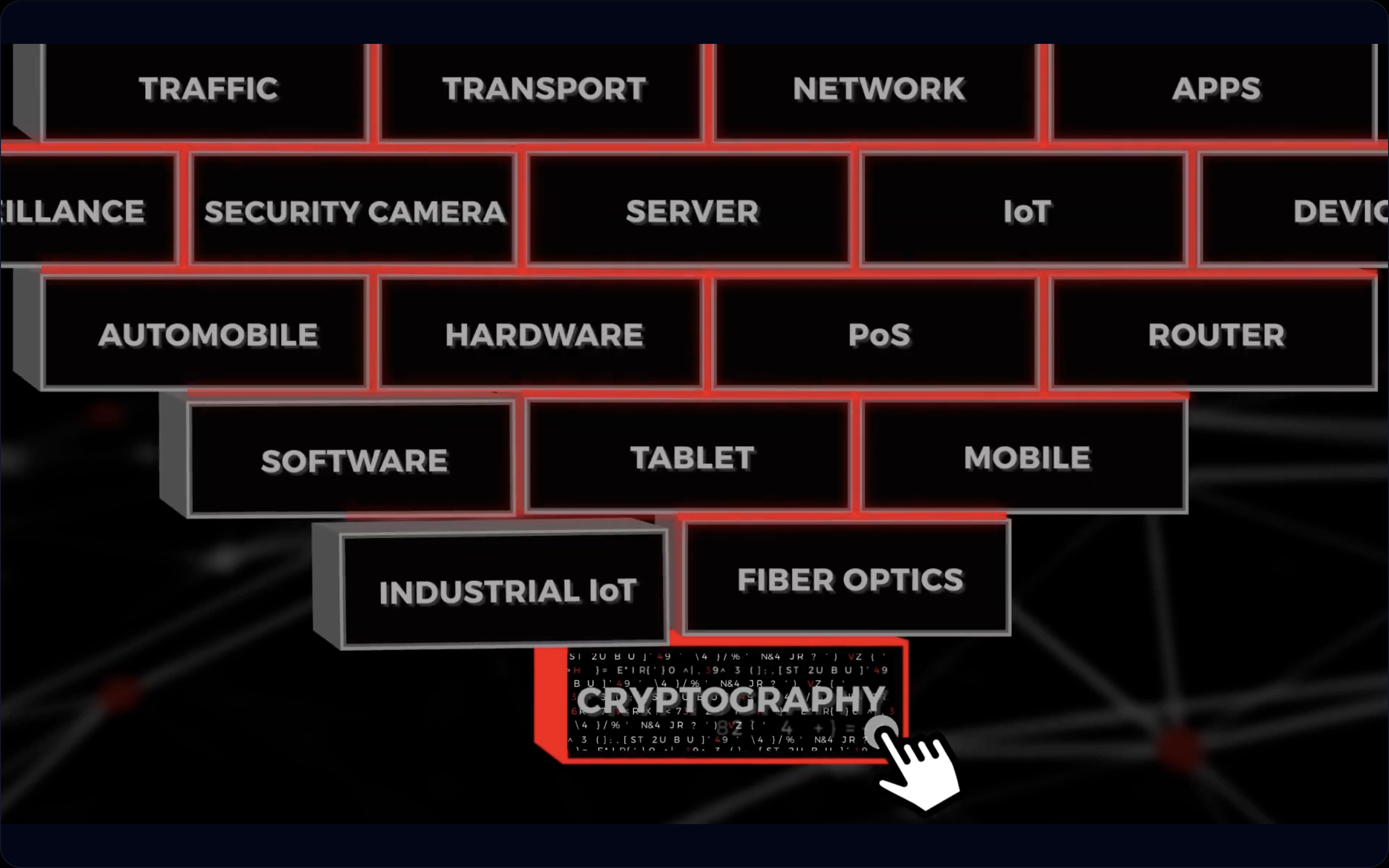
Enterprises must closely evaluate their cryptographic posture and develop a migration roadmap that integrates PQC with existing data protection infrastructures. The underlying challenge lies not just in deploying new algorithms but in discovering where cryptography currently resides across the enterprise, from databases and source code to certificates and network connections. Solutions must support prioritized remediation that aligns with business risk and operational realities. Additionally, enterprises need continuous validation and workflow orchestration to track migration progress and maintain compliance. The launch of assessment services like Unisys's illustrates the emerging ecosystem supporting these strategic needs.
Key Enterprise Considerations in Post-Quantum Data Protection
| Consideration | Enterprise Impact | QuantumGenie Support |
|---|---|---|
| Cryptographic Inventory | Identifying all cryptographic assets across systems | Automated discovery of cryptography in code, configs, infrastructure |
| Risk Prioritization | Focusing on highest exposure areas first | Risk scoring and exposure analysis tools |
| Migration Planning | Defining actionable remediation plans | Workflow orchestration, pull requests, change review |
| Compliance Readiness | Documenting compliance evidence and audit trails | Audit logs, CBOM generation, policy exception management |
QuantumGenie’s Role in Bridging Discovery and Migration
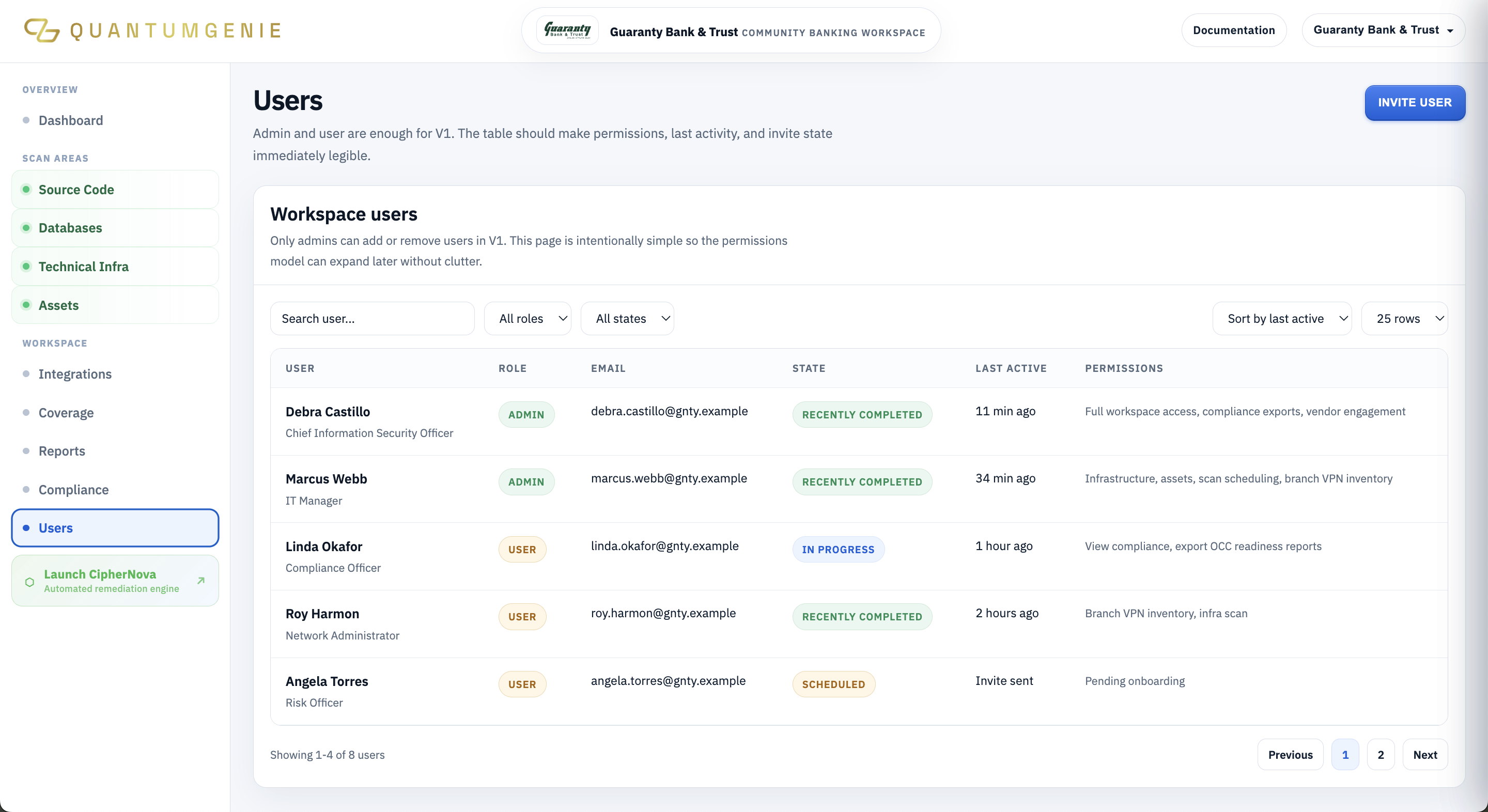
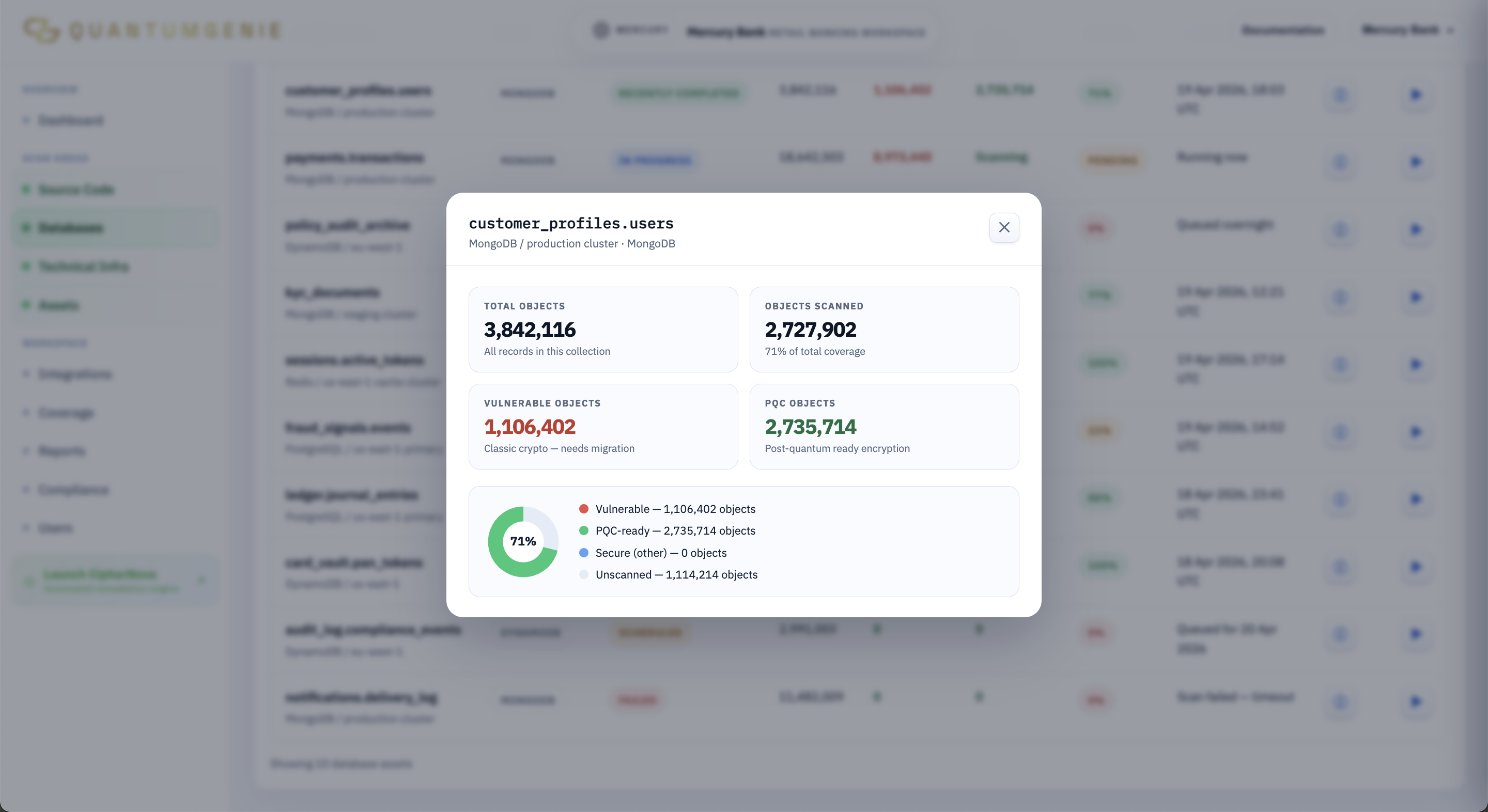
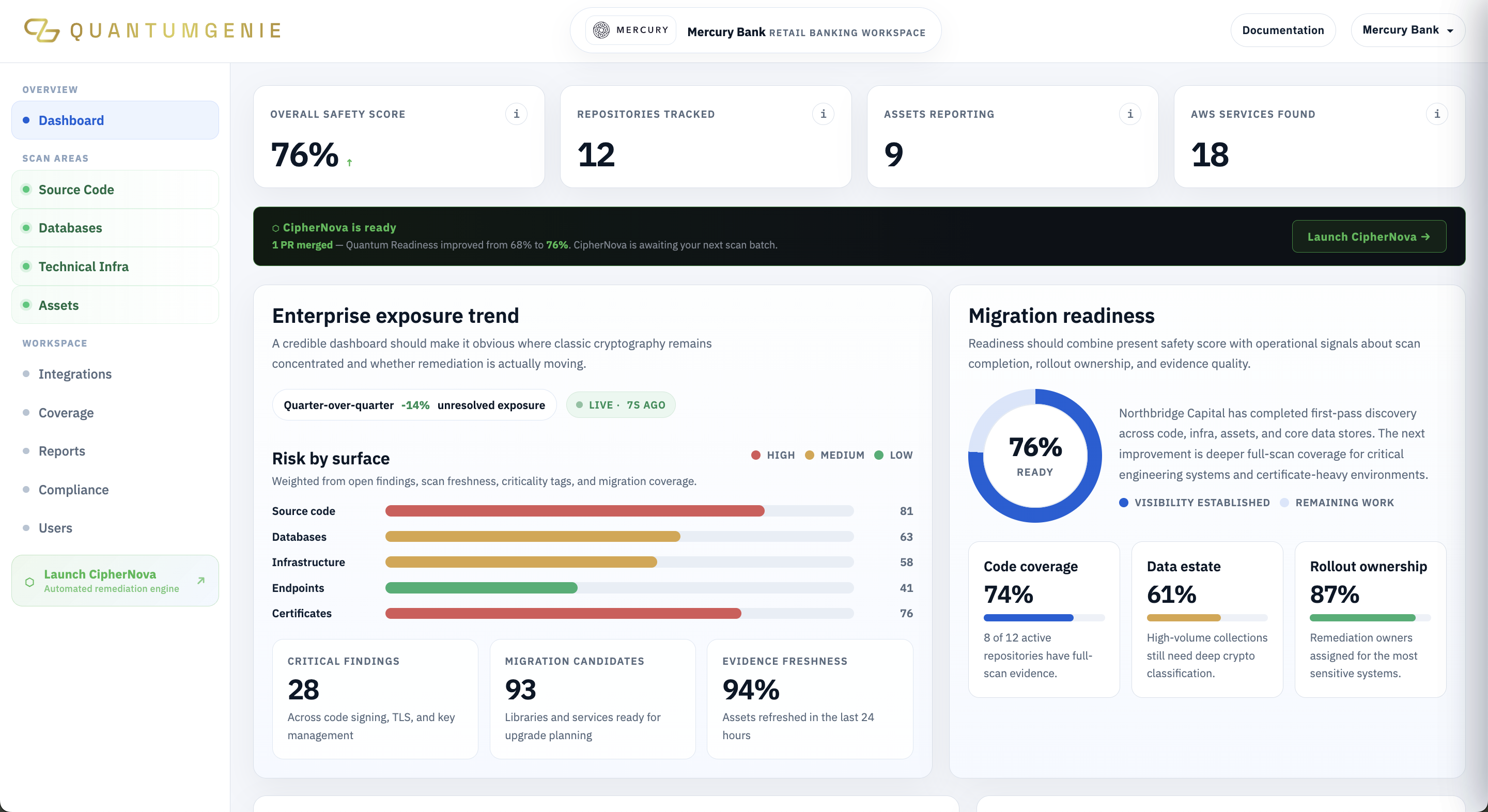
QuantumGenie fits squarely in this transition by providing an enterprise-grade platform to build detailed cryptographic inventories (including a cryptographic bill of materials), map exposure risks, and prioritize migration efforts strategically. Its discovery capabilities span applications, infrastructure, and certificates, laying the groundwork for comprehensive risk analysis. QuantumGenie also operationalizes remediation through workflow orchestration, pull requests, and compliance readiness checks — essential for enterprises executing large-scale, multi-team post-quantum migration programs. In this way, it turns post-quantum cryptography from a technical challenge into a manageable, governed enterprise initiative.
Frequently Asked Questions
Why is post-quantum cryptography critical for enterprise data backups?
Backups often contain sensitive data meant to be retained securely for years. Quantum computers could decrypt classical encryption schemes, exposing backed-up data retroactively. Incorporating PQC ensures data remains confidential against future quantum decryption capabilities.
How does QuantumGenie simplify managing post-quantum cryptography migration?
QuantumGenie automates discovery of cryptographic assets, assesses exposure risk, helps prioritize remediation, and supports collaboration workflows, enabling enterprises to navigate complex migration programs with clear governance and documentation.