In This Article
What This Means
- Post-Quantum Terms Enter the Ransomware Arena
- Bracing for the Quantum Threat: Practical Enterprise Imperatives
- How QuantumGenie Addresses This Challenge
Post-Quantum Terms Enter the Ransomware Arena
Recent reports, including a detailed analysis by TechSpot, show ransomware operators employing post-quantum cryptography terminology to amplify intimidation tactics. The Kyber ransomware family notably claims to use ML-KEM, a candidate post-quantum cryptographic method approved by NIST. This adoption is not just a marketing ploy but a warning sign that cybercriminals are adapting to and exploiting quantum-resistant algorithms.
For enterprises, this development signals a new dimension of crypto-related threats. If attackers can incorporate post-quantum methods to secure their malware’s encryption, traditional detection and decryption methods may falter, increasing ransom demands’ leverage and complicating incident response. Enterprises must re-examine their cryptographic controls and threat models accordingly.
Bracing for the Quantum Threat: Practical Enterprise Imperatives
The wider context includes the well-documented 'harvest now, decrypt later' threat, where adversaries capture encrypted data today, hoping that future quantum computers will unveil it. The use of post-quantum cryptography by ransomware groups heightens the stakes, underscoring the urgency of cryptographic asset management and readiness.
Organizations need comprehensive cryptographic inventories covering all corners of their environment—websites, applications, infrastructure, and integrations—to detect where vulnerable or quantum-vulnerable algorithms remain. Building a cryptographic bill of materials (CBOM), prioritizing risk based on asset criticality, and implementing crypto-agility through tested remediation workflows become essential to mitigate this evolving threat landscape.
Post-Quantum Cryptography and Enterprise Defense: Key Considerations
| Aspect | Enterprise Implication | QuantumGenie Capability |
|---|---|---|
| Emergence in Threats | Ransomware using post-quantum algorithms increases attack sophistication | Provides detection and inventory for all cryptographic assets |
| Harvest Now, Decrypt Later | Data encrypted now may be decrypted by future quantum computers | Supports planning and prioritization for post-quantum migration |
| Crypto-Agility | Ability to switch or upgrade cryptography rapidly in response to threats | Manages remediation workflows and operational validation |
| Comprehensive Visibility | Cryptography is embedded everywhere from apps to infrastructure | Discovers cryptography across wide IT landscape ensuring no blind spots |
How QuantumGenie Addresses This Challenge
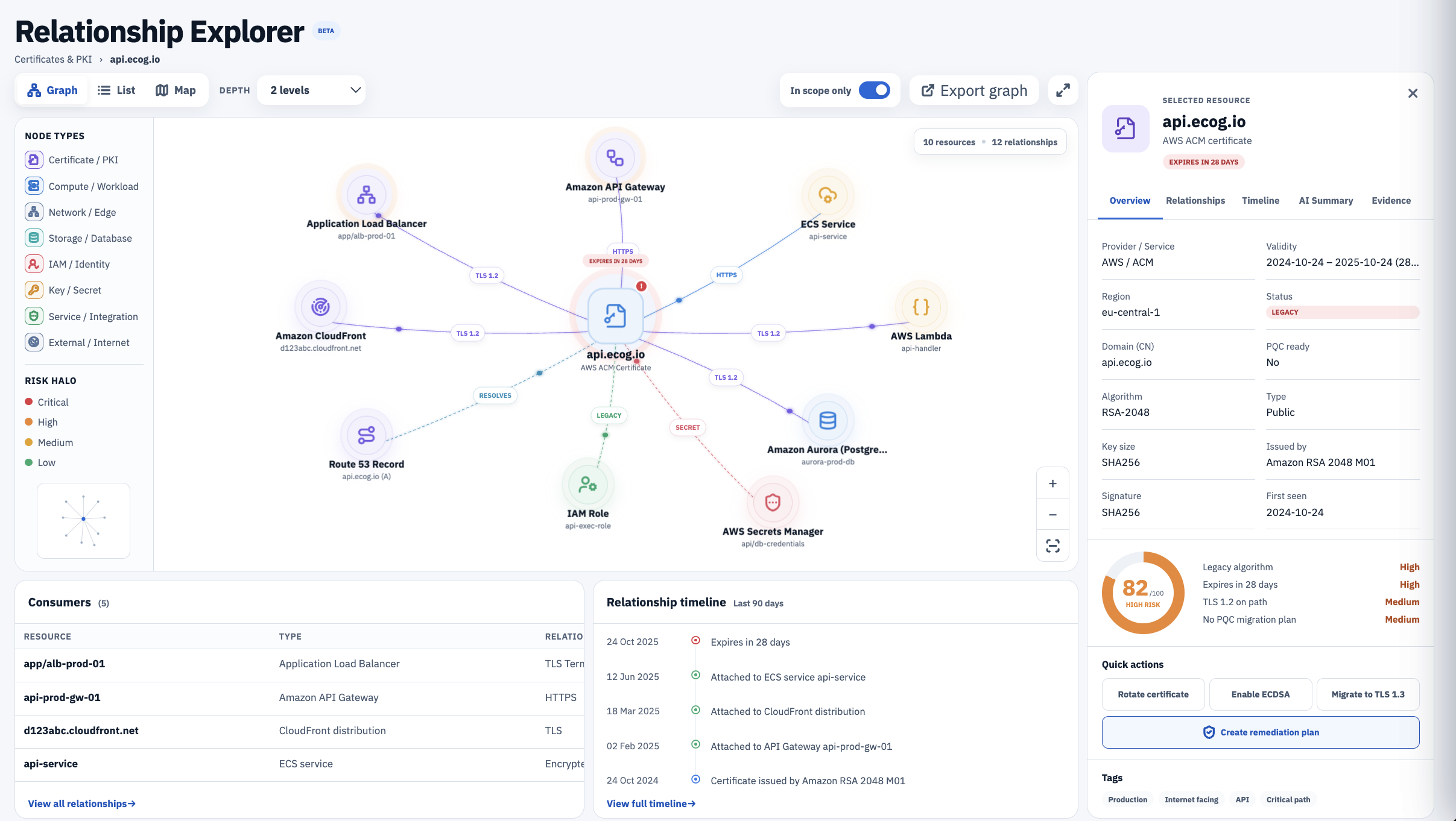
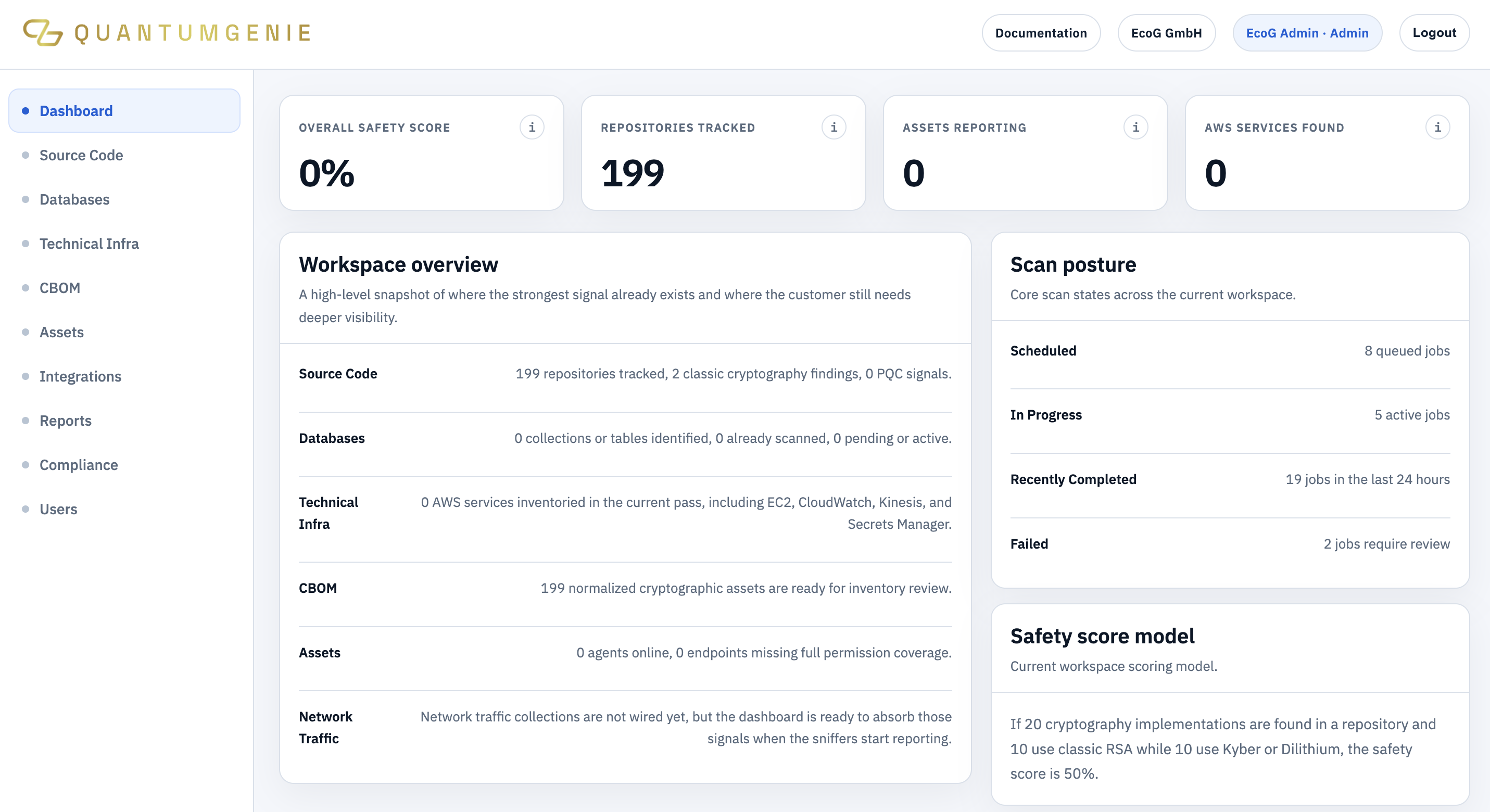
QuantumGenie responds directly to the growing need for cryptographic visibility and control in the face of advanced ransomware leveraging post-quantum methodologies. Its platform offers exhaustive discovery capabilities, compiling a cryptographic inventory across website endpoints, certificates, source code, infrastructure, and databases to establish a detailed CBOM.
Through CipherScan, organizations gain early warnings about cryptographic exposure. CipherNova then operationalizes remediation by managing migration plans, pull requests, change reviews, and verification processes, enabling continuous crypto-agility. This approach helps enterprises stay ahead of threats that abuse post-quantum cryptography by ensuring their cryptographic environment is resilient, auditable, and efficiently governable.
Frequently Asked Questions
Why are ransomware groups adopting post-quantum cryptography techniques?
Ransomware groups use post-quantum cryptography terminology and standards as both a technical upgrade to protect their malicious encryption and as a psychological tool to intimidate victims with the seeming invincibility of quantum-era encryption.
What immediate steps should enterprises take to prepare for post-quantum threats in ransomware?
Enterprises should inventory all cryptographic usage, assess risk especially where quantum-vulnerable algorithms are deployed, build cryptographic bills of materials (CBOMs), implement crypto-agility strategies for flexible algorithm migration, and operationalize remediation workflows to respond quickly and securely.
Watch The Quantum Threat
Sources And Further Reading
- Ransomware groups are using 'post-quantum' hype to intimidate victims TechSpot · Apr 24, 2026
- Quantum is already compromising your data, you just can't see it yet TechRadar · Jul 7, 2026
- SEALSQ outlines post-quantum cybersecurity readiness strategy StreetInsider · Jul 6, 2026