
In This Article
What This Means
- The Post-Quantum Hype Problem in Ransomware Attacks
- Navigating a Fuzzy Post-Quantum Roadmap Amid Emerging Standards
- How QuantumGenie Fits in Managing Post-Quantum Crypto Risks
The Post-Quantum Hype Problem in Ransomware Attacks
Ransomware groups have recently begun weaponizing the term "post-quantum" not because their malware uses quantum-resistant encryption, but to intimidate victims by invoking the aura of next-gen security threats. For security teams, this tactic complicates incident response by introducing confusion over the actual technical nature of the attack. It exemplifies a broader challenge enterprises face in discerning real post-quantum risk from marketing posturing or malicious misinformation. Recognizing this distinction is critical; ransomware actors exploit insecurity and uncertainty, not advanced cryptographic methods.
This tactic reveals how the broader post-quantum narrative, while vital for future-proofing encryption, can be misused and misunderstood today. Enterprises lacking clarity into their cryptographic posture are at risk of being misled or unprepared for authentic quantum-era vulnerabilities. Strong cryptographic visibility and governance frameworks are essential to separate hype from reality, enabling informed decision-making and effective mitigation.
Navigating a Fuzzy Post-Quantum Roadmap Amid Emerging Standards
Although NIST has finalized early post-quantum cryptography standards—such as those developed by IBM—widespread enterprise adoption remains uneven and roadmap signals are still murky. Many vendors promote readiness, yet the industry is grappling with the challenge of inventorying existing crypto assets and preparing to migrate securely at scale. This strategic ambiguity can leave enterprises vulnerable to both known threats and hype-driven confusion.
In this landscape, the primary task for CISOs and architects is to build an accurate and actionable cryptographic inventory. This inventory helps prioritize genuine vulnerabilities and plan migration efforts that align with evolving standards. It also serves as a reality check to counterbalance hype-driven fear, reinforcing calm, measured responses to actual risks.
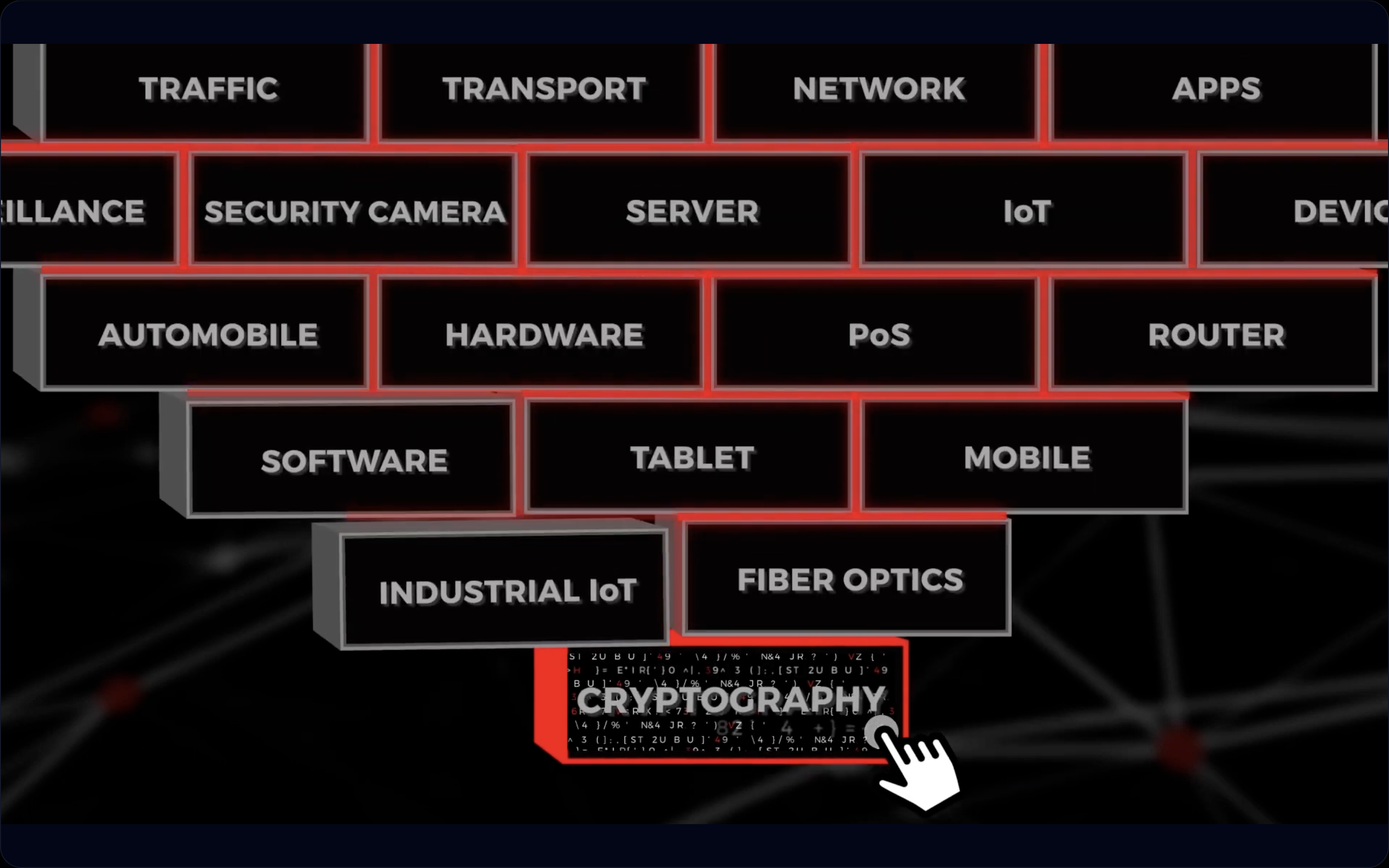
Implications of Post-Quantum Hype and QuantumGenie Solutions
| Challenge | Enterprise Impact | QuantumGenie Capability |
|---|---|---|
| Ransomware exploiting 'post-quantum' hype | Confusion in incident response; potential misallocation of resources | Crypto discovery and inventory to clarify real risks |
| Lack of clear PQC adoption roadmap | Difficulty prioritizing migration plans; delayed readiness | Risk prioritization and actionable migration plans |
| Complex legacy crypto assets | Hidden exposures vulnerable to future quantum attacks | Comprehensive cryptographic asset visibility across environments |
| Need for compliant governance and audit evidence | Regulatory and compliance risks | CBOM generation and workflow controls for evidence management |
How QuantumGenie Fits in Managing Post-Quantum Crypto Risks
QuantumGenie addresses the enterprise imperative for cryptographic clarity and controlled migration. By discovering cryptographic assets across websites, certificates, source code, infrastructure, and applications, QuantumGenie builds a comprehensive cryptographic inventory and component bill of materials. This ensures enterprises know exactly where crypto exists and where exposure lies, a prerequisite for combating hype-based confusion triggered by ransomware tactics.
Beyond discovery, QuantumGenie enables risk prioritization and operational workflow controls—critical for governance teams seeking to validate compliance or implement remediation confidently. In the face of hype and uncertain roadmaps, QuantumGenie helps enterprises focus on what truly matters: visibility, verifiable control, and agile migration to next-generation post-quantum algorithms when the time is right. This practical readiness reduces risk, counters misinformation, and future-proofs security infrastructures effectively.
Frequently Asked Questions
Why do ransomware groups use 'post-quantum' terminology even if their attacks aren't quantum-resistant?
They use 'post-quantum' terms as psychological intimidation tactics, capitalizing on the fear and uncertainty around quantum security to pressure victims, despite their attacks not involving actual quantum-resistant cryptography.
How can enterprises distinguish genuine post-quantum threats from hype-driven risks?
By having full cryptographic visibility and inventory, enterprises can assess actual vulnerabilities, plan migration strategically, and avoid being misled by misinformation used by threat actors or marketing hype.
Watch The Quantum Threat
Sources And Further Reading
- Ransomware groups are using "post-quantum" hype to intimidate victims TechSpot · Apr 24, 2026
- Post-quantum cryptography: Vendors drive forward but roadmap is fuzzy CSO Online · Mar 9, 2026
- IBM-Developed Algorithms Announced as NIST's First Published Post-Quantum Cryptography Standards IBM Newsroom · Aug 13, 2024