In This Article
What This Means
- A Rising Threat Amid Post-Quantum Transitions
- The Imperative of Comprehensive Cryptographic Inventory
- How QuantumGenie Fits: Bridging Visibility and Risk Mitigation
A Rising Threat Amid Post-Quantum Transitions
Recent reporting from BBC News highlights a concerning spike in ransomware attacks targeting organizations amid their transition to quantum-resistant encryption. Cyber adversaries are exploiting the vulnerabilities arising during cryptographic system upgrades, particularly in environments lacking full visibility of cryptographic assets. This underscores a dangerous paradox: while quantum-safe cryptography is critical for future-proof security, the transition period itself can materially increase enterprise risk.
The Imperative of Comprehensive Cryptographic Inventory
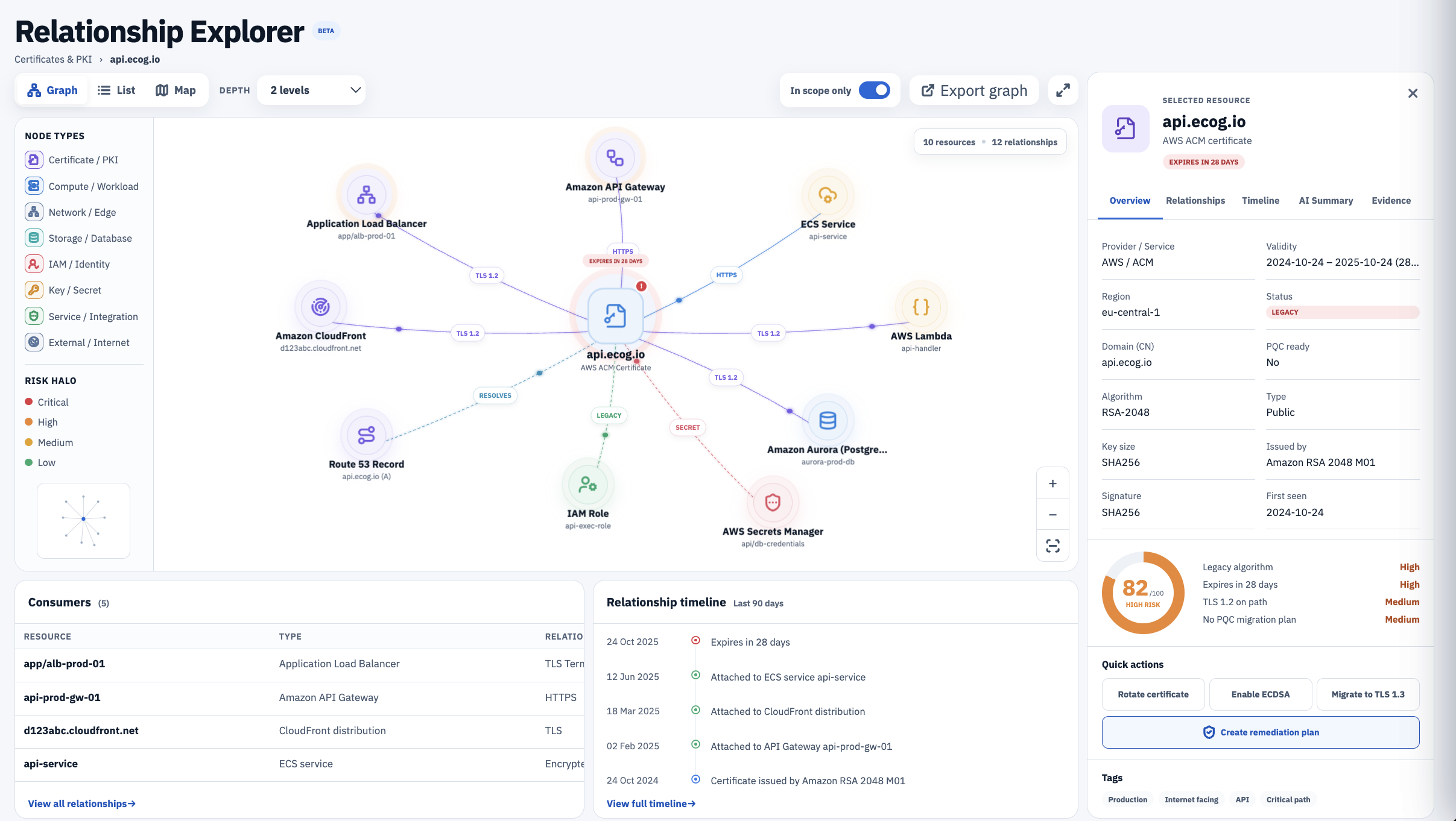
The US government's recent guidelines on cryptographic inventory, along with announcements of new quantum-resistant encryption solutions from major tech players, reflect an accelerating industry response. Enterprises are urged to conduct exhaustive audits of their cryptographic footprint—including websites, certificates, source code, infrastructure, and integrations—to identify exposure points. Without such a detailed inventory, organizations face blind spots that adversaries can exploit during migration phases, amplifying ransomware and other attack risks.

Enterprise Risk and Migration Strategy Matrix for PQC Transition
| Risk Factor | Enterprise Challenge | Strategic Response |
|---|---|---|
| Unidentified Cryptographic Assets | Blind spots in migration scope | Comprehensive cryptographic inventory |
| Prioritization Gaps | Inefficient migration resource allocation | Risk-based prioritization |
| Operational Complexity | Manual remediation risks causing downtime or errors | Automated workflow orchestration |
| Emergent Threat Exploitation | Ransomware exploiting transition gaps | Pre-emptive vulnerability management |
How QuantumGenie Fits: Bridging Visibility and Risk Mitigation
QuantumGenie addresses this critical need by delivering a platform that discovers and inventories cryptographic assets across the enterprise. Its CipherScan module provides the operational visibility required to understand where cryptography is implemented, while prioritization and risk scoring enable CISOs and security teams to focus migration efforts effectively. By enabling a cryptographic bill of materials (CBOM) and embedding remediation workflows through CipherNova, QuantumGenie helps organizations execute their migration plans securely, reducing the attack surface during this vulnerable transition period. This practical approach to managing cryptographic complexity is essential to defending against surge ransomware threats linked to PQC migration.
Frequently Asked Questions
Why are ransomware attacks increasing during post-quantum cryptography migration?
During migration to post-quantum cryptography, cryptographic systems and infrastructure often undergo configuration changes or use hybrid modes, creating temporary vulnerabilities. Cybercriminals exploit these transition gaps, especially when organizations lack full visibility into all cryptographic assets, increasing ransomware risks.
How can enterprises reduce ransomware risk during PQC adoption?
Enterprises should conduct comprehensive cryptographic inventories to identify all assets, prioritize migration based on risk exposure, and implement automated remediation workflows. Maintaining operational visibility and crypto-agility through platforms like QuantumGenie helps manage and mitigate risks effectively during the transition.
Watch The Quantum Threat
Sources And Further Reading
- Ransomware Attacks Surge Amidst Quantum Cryptography Transition BBC News · Jul 11, 2024
- Major Tech Firms Announce Quantum-Resistant Encryption Solutions CNBC · Jul 13, 2024
- US Government Releases Cryptographic Inventory Guidelines for Federal Agencies CSO Online · Jul 9, 2024