In This Article
What This Means
- Prioritizing Cryptographic Risk Is the New Enterprise Imperative
- Comprehensive Cryptographic Inventories Underpin Risk-Based Migration Strategy
- How QuantumGenie Complements the Risk-First Post-Quantum Strategy
Prioritizing Cryptographic Risk Is the New Enterprise Imperative
The urgency around enterprise readiness for post-quantum cryptography (PQC) is no longer theoretical. Quantumize recently underscored a critical step many organizations struggle with: pinpointing where legacy classical public-key cryptography is embedded, assessing its risk exposure, and prioritizing migration to quantum-safe algorithms such as ML-KEM, ML-DSA, and SLH-DSA standardized by NIST. This targeted, risk-based approach addresses a practical challenge enterprises face—the sheer complexity and fragmentation of cryptographic assets across their environments.
Accurate risk prioritization enables security teams and architects to focus limited resources where they matter most, reducing the chance of gaps or delays in migration programs. As Quantumize highlights, understanding the cryptographic operating layer is foundational: without clear visibility into which keys and protocols are in use, and their associated risk context, post-quantum migration efforts risk becoming chaotic and ineffective.
Comprehensive Cryptographic Inventories Underpin Risk-Based Migration Strategy
Supporting this perspective, recent analyses from QNu Labs emphasize that a comprehensive cryptographic inventory—one that catalogs algorithms, protocols, certificates, and keys—is an indispensable cornerstone of PQC readiness. Such inventories allow enterprises to map their cryptographic footprint in detail, identify high-risk legacy components, and chart systematic transition paths. This work is critical to reliably manage the 'harvest now, decrypt later' threat and to avoid overlooked exposures that quantum adversaries could exploit.
Furthermore, migration strategies must embed agility. As Secra Solutions stresses, crypto-agility—being able to swap or hybridize cryptographic algorithms as standards evolve and threats materialize—is no longer optional but critical to infrastructure longevity. Collectively, these insights paint a consistent picture: successful PQC migration is rooted in deep discovery, rigorous risk prioritization, and flexible, phased rollout approaches.

Key Enterprise Steps Towards Post-Quantum Migration
| Step | Description | Enterprise Benefit |
|---|---|---|
| Discovery | Comprehensive cryptographic inventory creation to identify all vulnerable assets | Complete visibility enables informed risk prioritization |
| Risk Assessment | Prioritize legacy cryptography exposures by business criticality and threat level | Focusing resources on highest risks accelerates secure transition |
| Migration Planning | Define phased, agile rollout paths to quantum-safe algorithms | Reduces operational disruption and maintains compliance |
| Remediation Orchestration | Workflow-driven policy enforcement and verification of migration changes | Ensures governance, audit readiness, and reduces human error |
How QuantumGenie Complements the Risk-First Post-Quantum Strategy
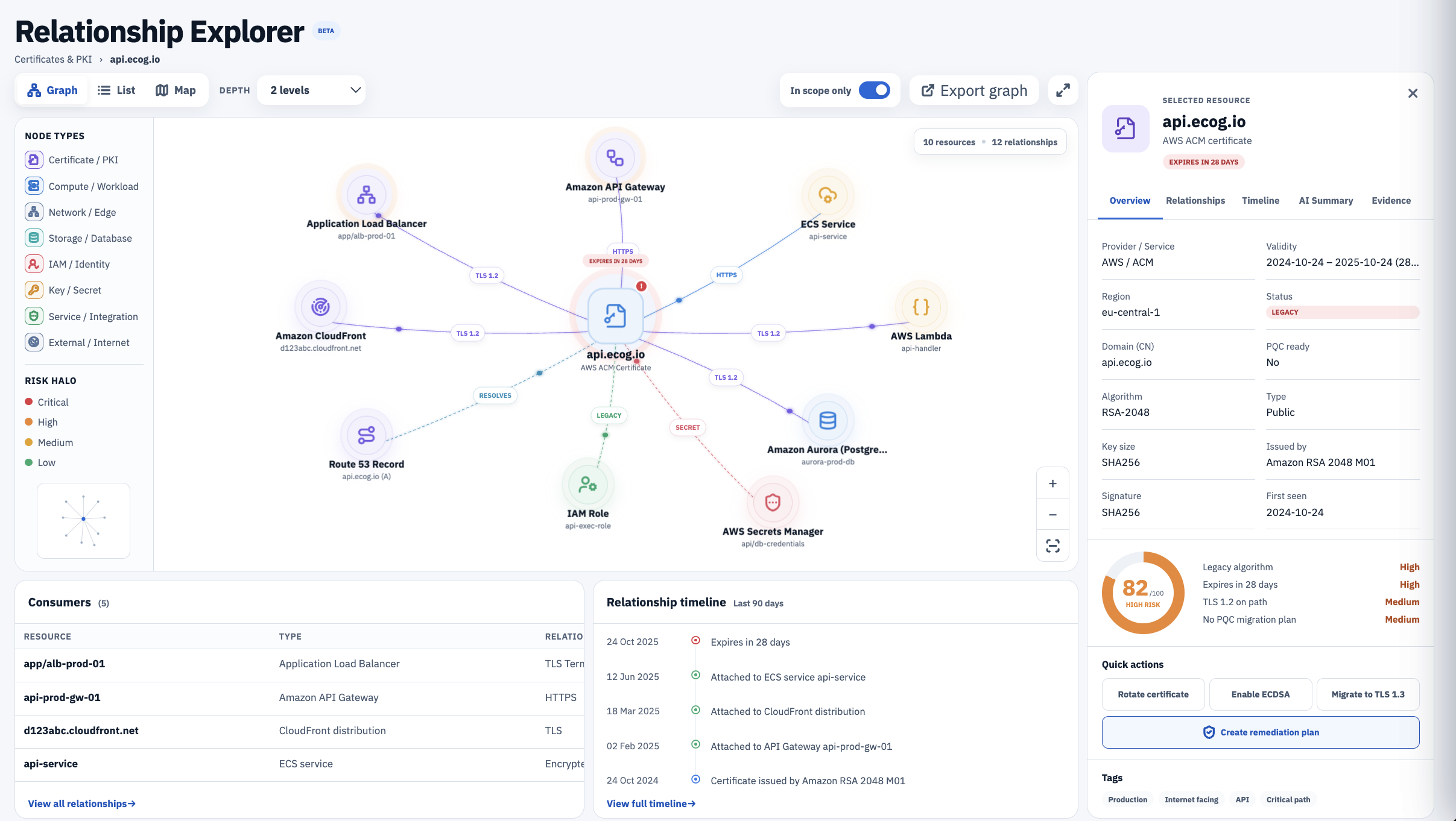
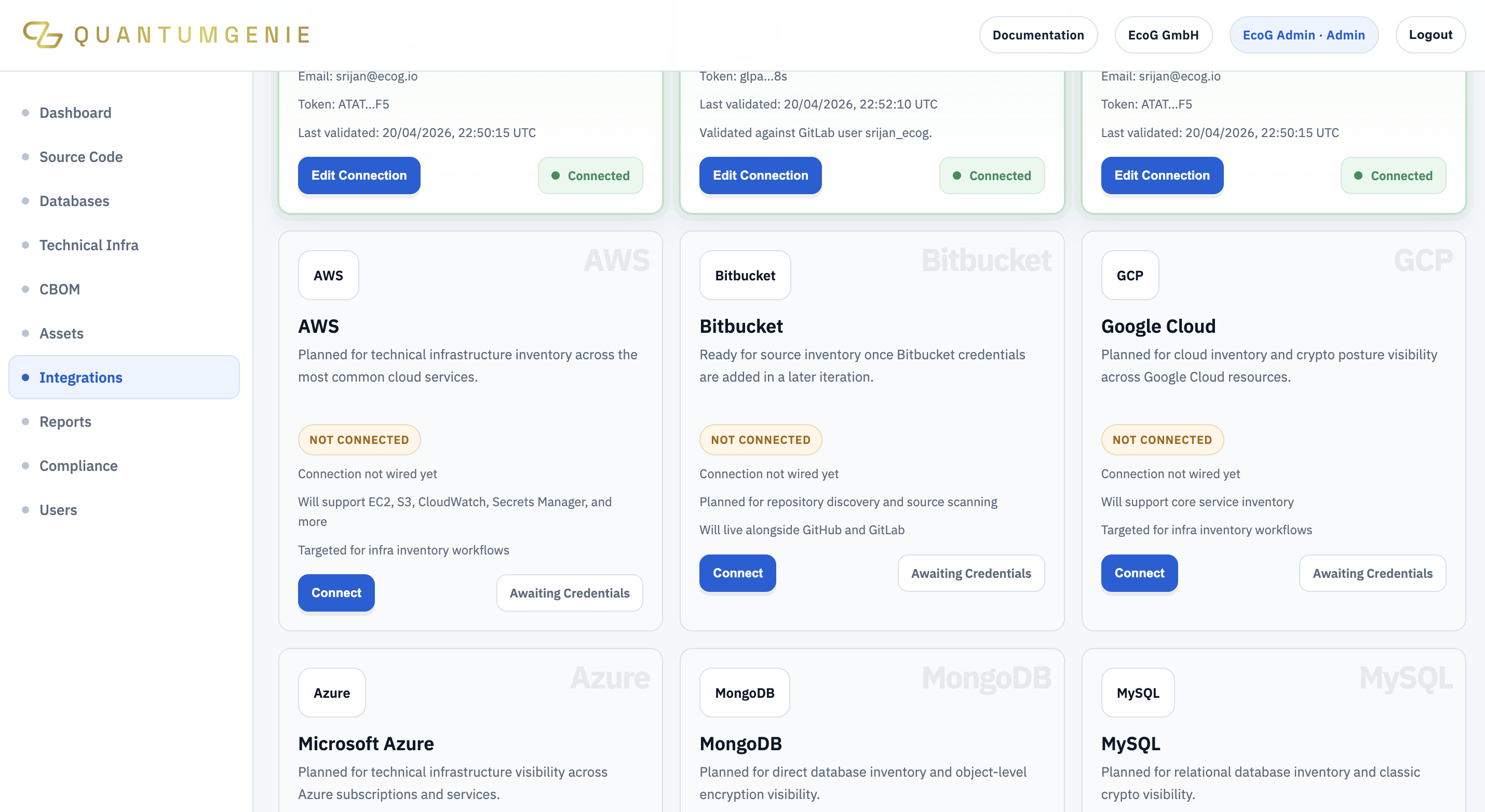
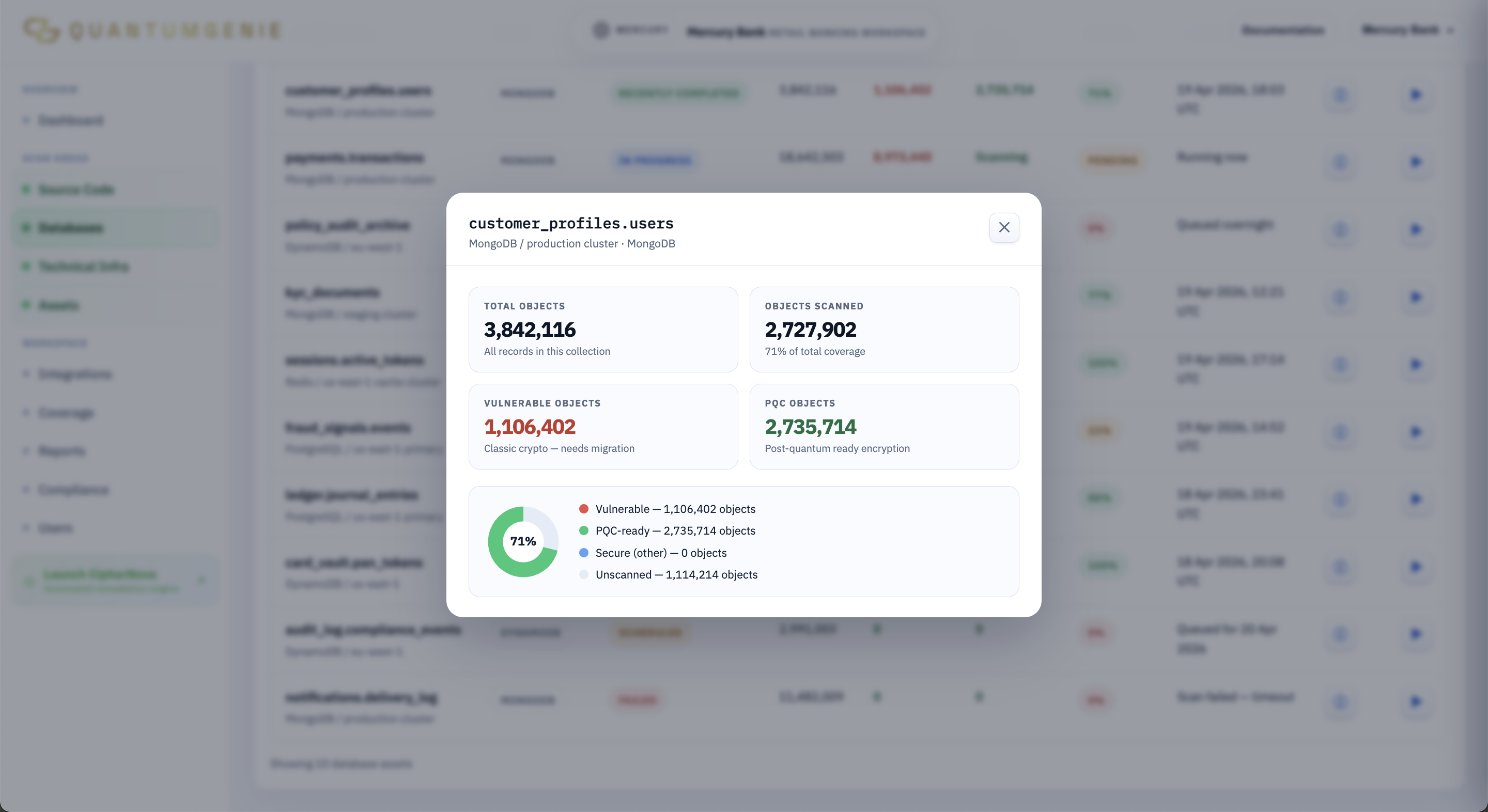
QuantumGenie’s enterprise platform is precisely designed to complement and operationalize this risk-first strategy. Building on discovery strengths like those Quantumize advocates, QuantumGenie’s CipherScan surfaces exhaustive cryptographic inventories and exposure points across diverse enterprise assets—websites, certificates, source code, infrastructure, and integrations. This holistic visibility underpins accurate CBOM (cryptographic bill of materials) creation and risk scoring.
Beyond visibility, QuantumGenie’s CipherNova orchestrates remediation workflows, enabling security teams to codify migration policies, manage pull requests, track exceptions, and verify changes within existing development and operational pipelines. This ensures that migration plans translate into concrete action steps with governance and audit traceability—critical to managing complex, high-stakes PQC transformations. In sum, QuantumGenie bridges the gap from discovery and prioritization to consistent, controlled remediation, enabling enterprises to tame the complexity of post-quantum migration at scale.
Frequently Asked Questions
Why is cryptographic inventory crucial for post-quantum migration?
A comprehensive cryptographic inventory reveals all cryptographic assets in an organization, enabling accurate risk assessment and targeted migration planning, which are essential to avoid gaps and protect critical data against future quantum attacks.
How does QuantumGenie support enterprise PQC readiness beyond discovery?
QuantumGenie not only discovers cryptographic usage across diverse assets but also orchestrates remediation with workflow controls, policy enforcement, and verification, ensuring that post-quantum migration efforts are managed systematically and compliantly.
Watch The Quantum Threat
Sources And Further Reading
- Quantumize The Operating Layer for Post-Quantum Readiness Quantumize · Jul 14, 2026
- Cryptographic Inventory: What It Is & Why It Matters QNu Labs · Jun 17, 2026
- Post-Quantum Cryptography: What It Is, Migration Secra Solutions · Jul 6, 2026