In This Article
What This Means
- Why the 2033 NSA CNSA 2.0 Deadline Matters to Enterprises
- Practical Lessons from Continuous Cryptographic Change Management
- How QuantumGenie Fits into Enterprise Post-Quantum Migration
Why the 2033 NSA CNSA 2.0 Deadline Matters to Enterprises
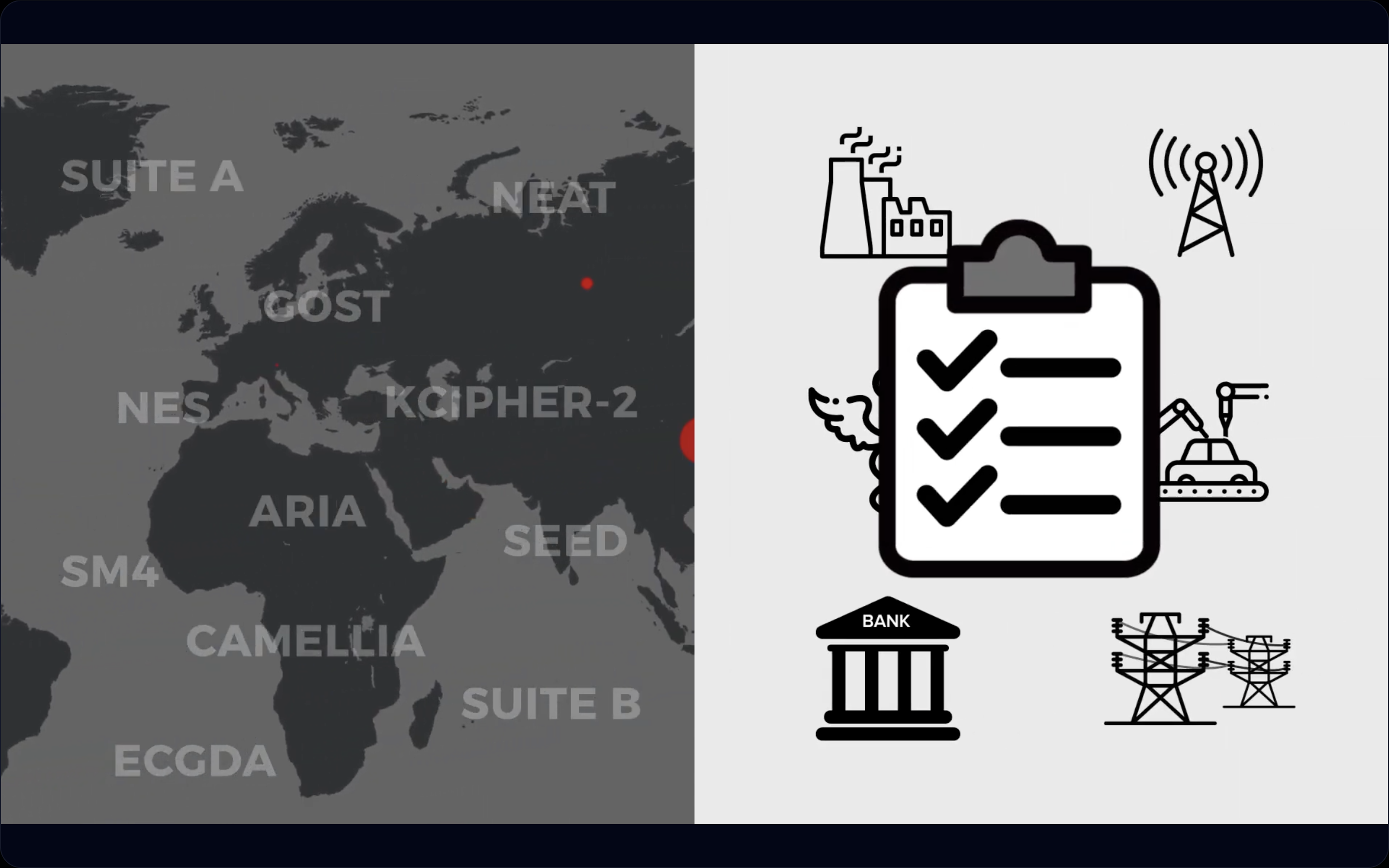
The cybersecurity landscape is heating up as the NSA’s CNSA 2.0 mandate sets a firm deadline of 2033 for National Security Systems to migrate to post-quantum cryptographic algorithms. While this deadline initially targets government-related systems, its ripples inevitably affect broader enterprise sectors especially those in the supply chain or handling regulated data. Enterprises now face the challenge of identifying legacy cryptographic usage that quantum adversaries could exploit in a future attack.
The story from Quantumize highlights how organizations can practically approach this challenge by discovering cryptographic assets vulnerable to quantum attacks, prioritizing these risks, and planning migration pathways to emerging NIST-supported algorithms like ML-KEM and SLH-DSA. This stepwise strategy is essential to avoid last-minute rush and security gaps as the 2033 deadline looms.
Practical Lessons from Continuous Cryptographic Change Management
Supporting this approach is the example of continuous cryptographic change management architectures that deliver algorithm updates through automated, agent-based deployments. Such models eliminate the friction of lengthy migrations by enabling seamless post-quantum algorithm upgrades over time. While discussed here from the perspective of key management, the underlying principle is to maintain crypto-agility and adapt swiftly to quantum-safe standards as they evolve.
Enterprise strategy should thus balance thorough cryptographic inventory and risk prioritization with operational agility mechanisms. This combination ensures ongoing compliance readiness, continuous protection, and avoids cryptographic obsolescence.
Key Elements of Post-Quantum Migration Strategy
| Element | Enterprise Considerations | QuantumGenie Support |
|---|---|---|
| Discovery of Quantum-Vulnerable Cryptography | Comprehensive inventory across systems and code | Automated discovery and CBOM compilation |
| Risk Prioritization | Assess asset criticality and cryptographic weakness | Risk scoring and prioritization analytics |
| Migration Planning | Select compliant NIST algorithms; align with NSA CNSA 2.0 timeline | Workflow orchestration to manage migration steps |
| Operational Agility | Support continuous algorithm updates and crypto-agility | Change workflows, pull requests, verification tools |
How QuantumGenie Fits into Enterprise Post-Quantum Migration
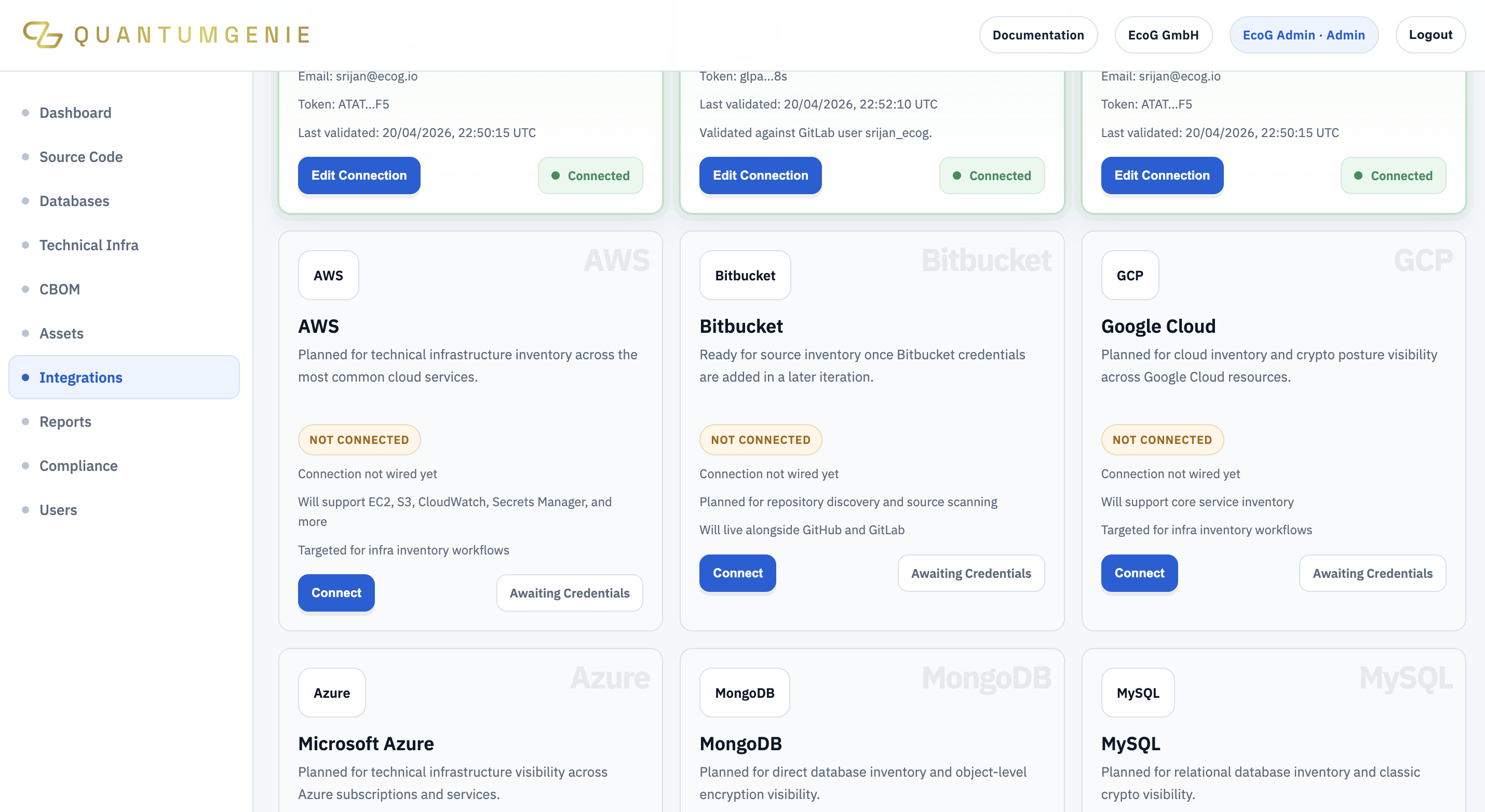
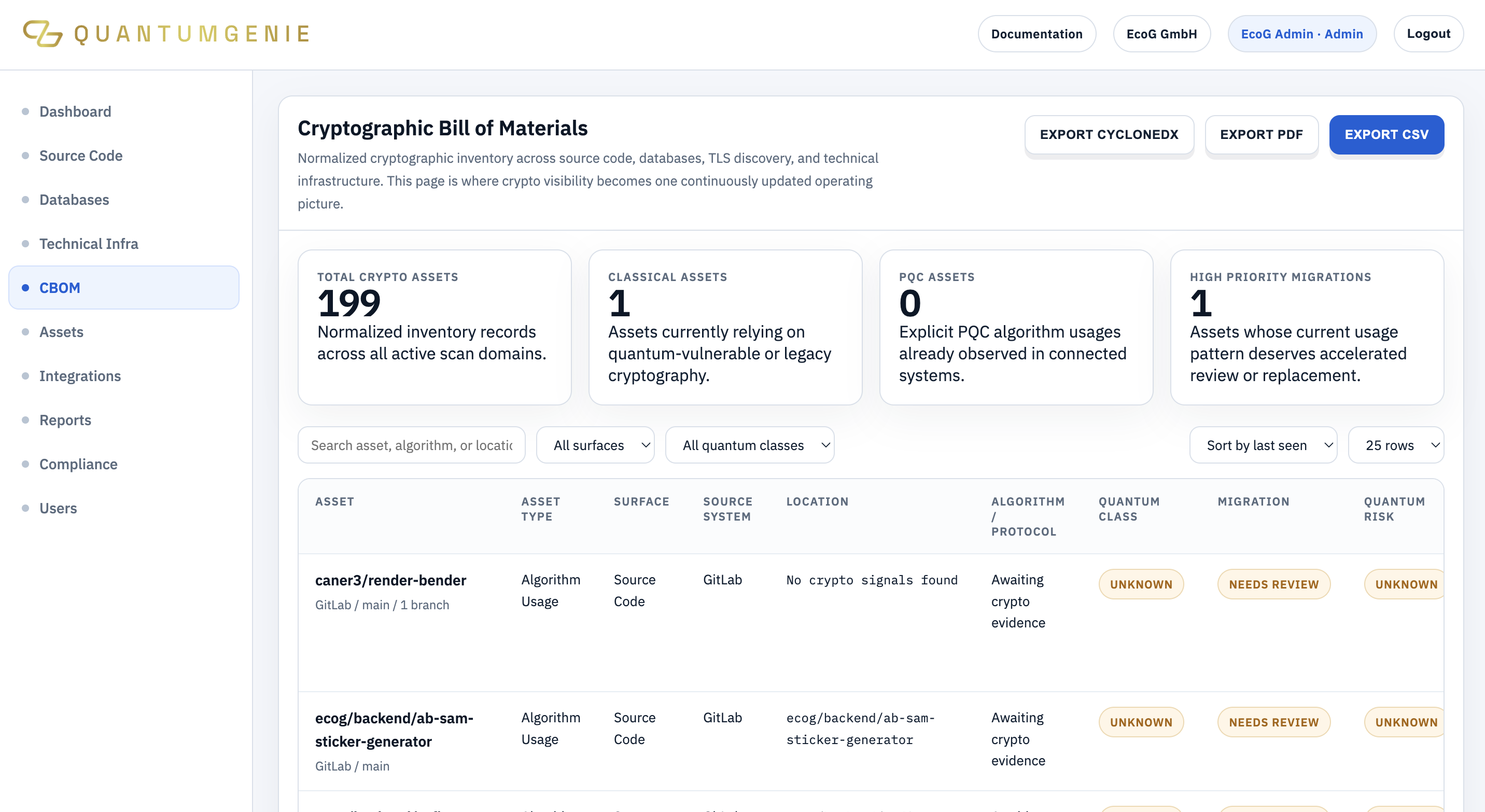
QuantumGenie occupies a critical role in this ecosystem by providing deep discovery of cryptographic usage across all enterprise layers—including code, infrastructure, certificates, and integrations—forming a comprehensive cryptographic bill of materials (CBOM). By prioritizing migration risk based on algorithm vulnerabilities and asset criticality, QuantumGenie enables focused remediation planning aligned with NSA CNSA 2.0 and NIST algorithm transition timelines.
Furthermore, QuantumGenie operationalizes remediation workflows through orchestration layers that manage change review, pull requests, and verification. This approach reduces disruption and builds audit-ready evidence for regulatory compliance. Ultimately, QuantumGenie empowers enterprises to transition from awareness to action in a structured, measurable way before the 2033 quantum-safe deadline.
Frequently Asked Questions
Why is the NSA CNSA 2.0 2033 deadline important for general enterprises?
Although CNSA 2.0 primarily targets National Security Systems, enterprises within government supply chains or handling sensitive data must prepare earlier to ensure compliance, mitigate risk exposure, and maintain trust in their security.
How does a cryptographic bill of materials (CBOM) aid post-quantum migration?
A CBOM provides a detailed inventory of cryptographic components across an organization’s assets, revealing vulnerable algorithms and enabling prioritized, targeted migration efforts rather than blind or piecemeal updates.
Watch The Quantum Threat
Sources And Further Reading
- Quantumize's Platform for Post-Quantum Readiness Quantumize · Jul 9, 2026
- PKWARE's Continuous Cryptographic Change Management PKWARE · Jun 1, 2026