In This Article
What This Means
- Enterprise Post-Quantum Migration Gains Momentum with New Platform Launches
- Key Strategic Implications for Enterprise Cybersecurity Teams
- How QuantumGenie Fits in Today's Post-Quantum Migration Landscape
Enterprise Post-Quantum Migration Gains Momentum with New Platform Launches
The recent unveiling of QPA v2 by Quantum Secure Encryption Corp. marks an important milestone for enterprise cybersecurity professionals responsible for post-quantum cryptographic migration. This platform is designed to facilitate assessment and execution phases needed to shift legacy cryptography to quantum-resistant algorithms. For CISOs and security teams, the launch signifies growing market validation that quantum-safe cryptography is no longer just theoretical but requires active migration planning and operational readiness today.
Alongside this, services like Unisys’ cryptographic posture assessment illustrate the increasing emphasis on comprehensive evaluation of an organization’s existing cryptographic landscape as a foundational step. Together, these developments confirm that enterprises must mature their capabilities from concept to concrete execution frameworks for post-quantum security.
Key Strategic Implications for Enterprise Cybersecurity Teams
For enterprises, the challenge is immense: cryptographic controls permeate websites, applications, databases, certificates, and interconnected systems. The operational complexity of identifying, inventorying, and prioritizing these cryptographic assets is substantial. Migration to post-quantum algorithms requires not just technology upgrades but orchestrated workflows that ensure minimal disruption and compliance adherence.
This environment demands tooling that provides both visibility and governance, helping risk and security teams to build a cryptographic bill of materials (CBOM), assess exposure risk, and implement phased remediation plans. These developments underscore the importance of platforms that combine discovery, risk prioritization, cryptographic agility planning, and migration workflow orchestration as integral parts of enterprise cybersecurity strategy.

Key Enterprise Requirements in Post-Quantum Cryptographic Migration Platforms
| Requirement | Description | Enterprise Benefit |
|---|---|---|
| Comprehensive Cryptographic Discovery | Identify cryptography usage in code, infrastructure, certificates, apps | Clear inventory reduces blind spots and prepares for remediation |
| CBOM and Exposure Assessment | Build bill of materials and prioritize risks based on criticality | Focus resources on highest-impact migration tasks |
| Migration Workflow Orchestration | Support phased remediation with policy checks and automation | Streamline complex migration projects and maintain security compliance |
How QuantumGenie Fits in Today's Post-Quantum Migration Landscape
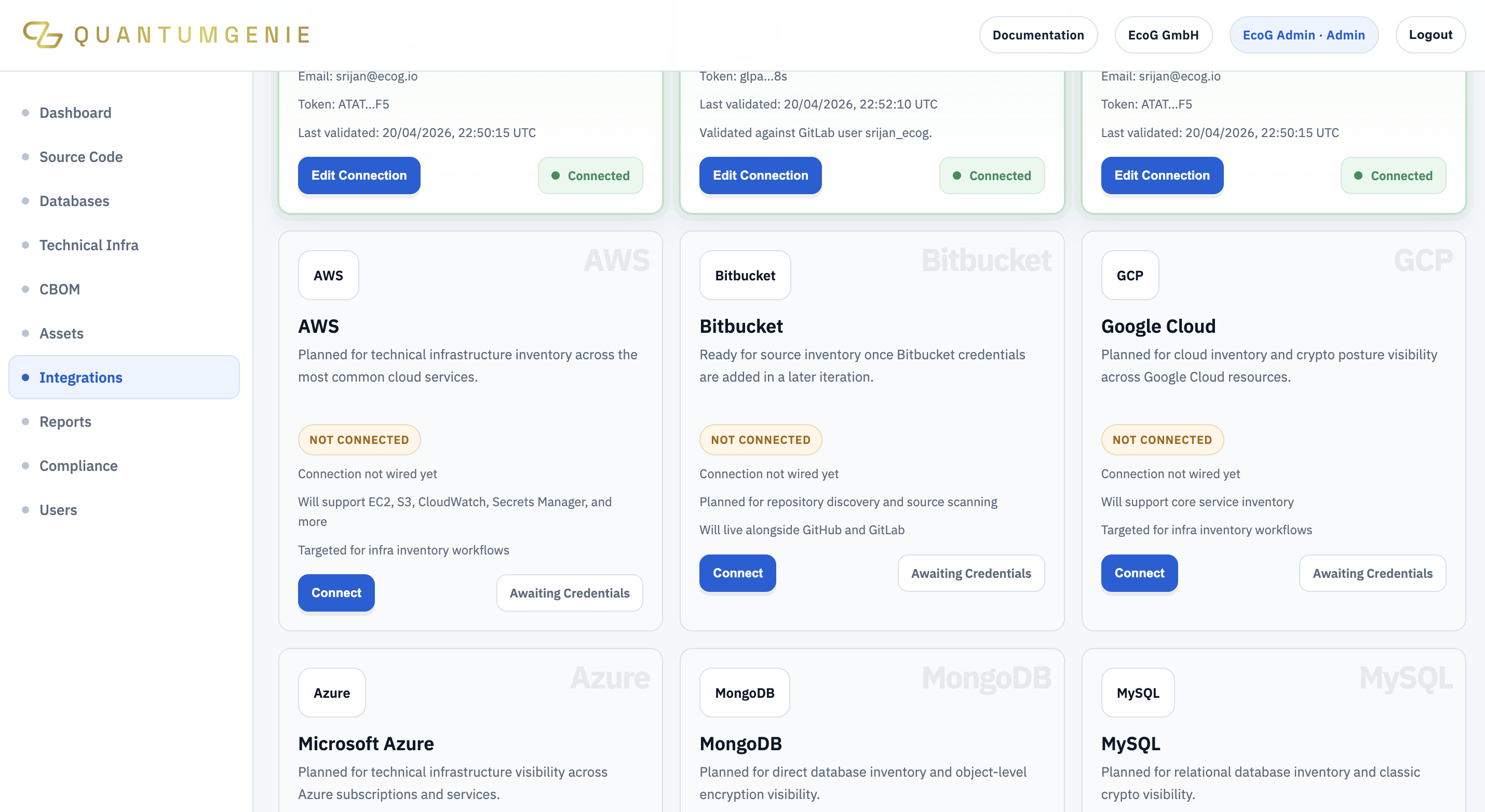
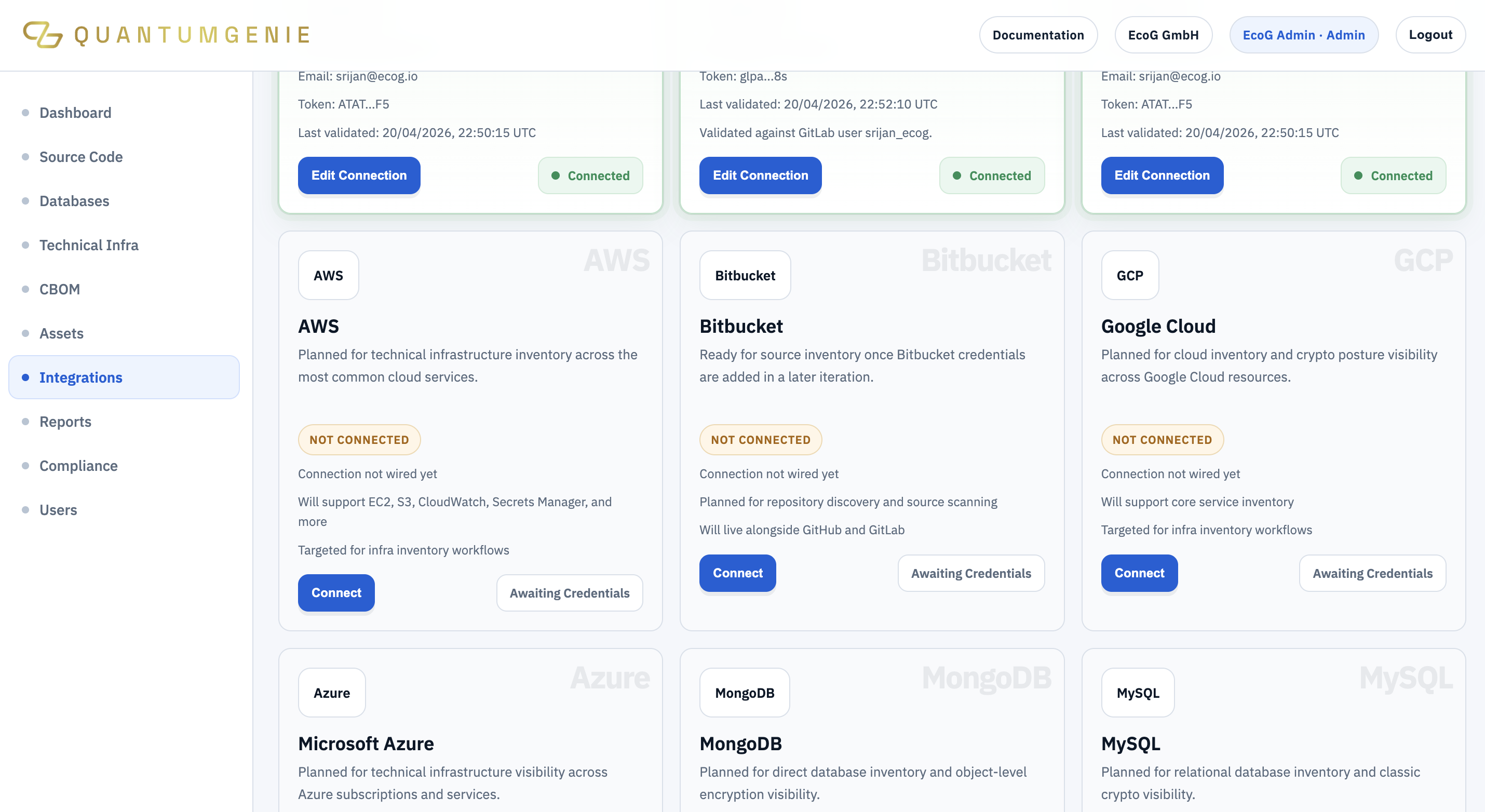
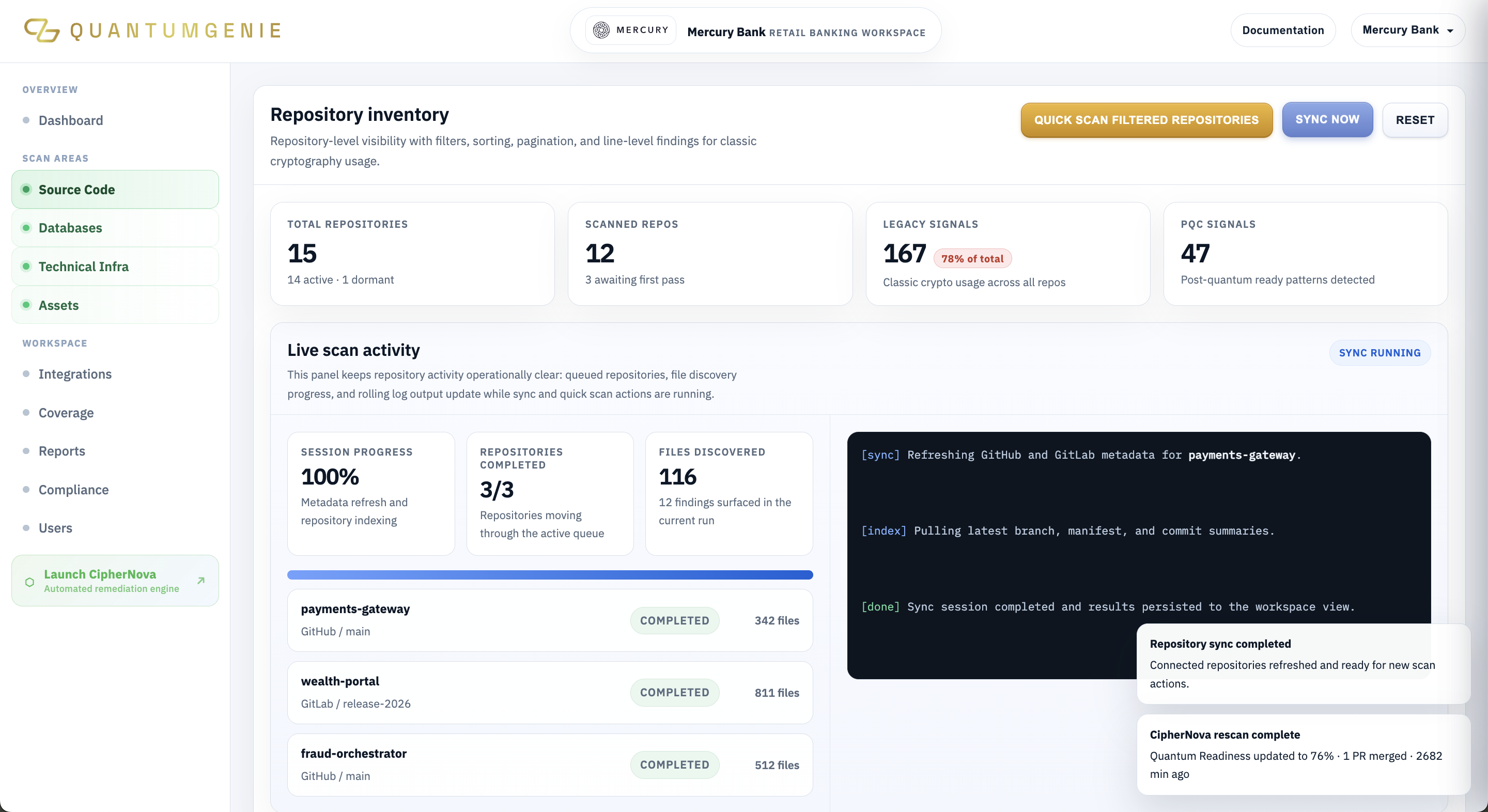
QuantumGenie addresses the core enterprise challenge of cryptographic visibility and operational governance in post-quantum readiness. By enabling continuous discovery of cryptographic assets across the enterprise infrastructure and providing tools for risk-based prioritization, QuantumGenie offers a practical foundation for migration programs informed by a comprehensive CBOM.
Moreover, QuantumGenie’s workflow orchestration supports teams in executing remediation efforts with checks, verification, and policy enforcement. This aligns with the industry shift exemplified by QPA v2 towards platforms that not only assess but also operationalize migration. Enterprises seeking to pragmatically manage their quantum transition will find such integrated capabilities essential to navigating cryptographic change successfully.
Frequently Asked Questions
Why is visibility into cryptographic assets critical for post-quantum readiness?
Visibility enables enterprises to understand where vulnerable cryptography exists across the environment, which is essential for risk assessment and prioritization during migration to quantum-safe algorithms.
How does operationalizing migration workflows help enterprises?
It ensures migration efforts are systematic, verifiable, and compliant with policies, reducing errors and accelerating the transition to quantum-resistant cryptography.