In This Article
What This Means
- Quantum-Ready Communications — Moving from Theory to Enterprise Practice
- Strategic Implications for Enterprise Security Programs
- Comment QuantumGenie s’intègre dans le paysage du passage à la sécurité post-quantique
Quantum-Ready Communications — Moving from Theory to Enterprise Practice
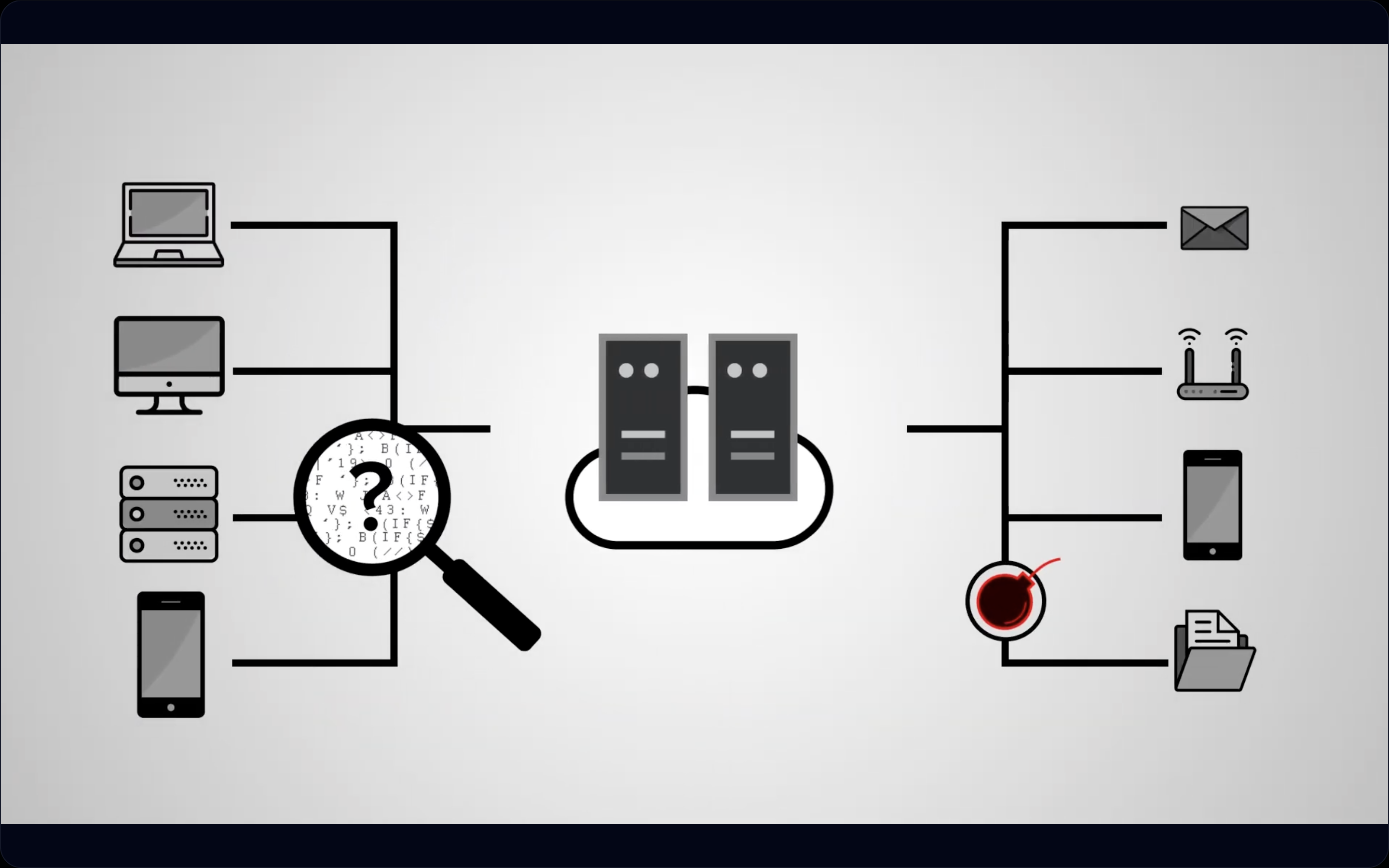
Enterprises face an accelerating imperative: quantum computers threaten to crack traditional cryptographic protections that secure sensitive communications. QSAFE's recent launch of quantum-ready communication solutions highlights the growing emphasis on not just theorizing about post-quantum cryptography, but actively assessing and reshaping enterprise cryptographic infrastructures. Their services focus on quantum readiness assessments and migration pathways compliant with NIST-approved post-quantum algorithms, providing a concrete framework to start securing communications against emerging quantum threats.
Strategic Implications for Enterprise Security Programs
This shift to quantum-safe communications is more than technical upgrade—it is a strategic mandate for CISOs and enterprise architects. The complexity of communications systems, coupled with pervasive cryptographic usage spanning certificates, applications, and networks, makes comprehensive assessment crucial. Supporting frameworks like Cisco’s roadmap to embed quantum-resilient infrastructure illustrate the industry momentum toward integrated quantum-safe protections. Similarly, platforms such as ScipherX emphasize automated cryptographic key lifecycle management enhanced by AI to reduce operational risks. These developments underscore that successful migration involves discovery, prioritization, automated controls, and phased remediation.

Enterprise Considerations for Quantum-Ready Communications
| Aspect | Consideration | Enterprise Action |
|---|---|---|
| Quantum Readiness Assessment | Understanding current cryptography exposure | Conduct thorough discovery with automated tools |
| Migration Planning | Prioritize systems with highest quantum risk | Use risk-based frameworks to sequence remediation |
| Standards Compliance | Align with NIST-approved algorithms | Ensure future-proof cryptographic choices |
| Operational Integration | Maintain business continuity during migration | Automate workflows and policy management |
Comment QuantumGenie s’intègre dans le paysage du passage à la sécurité post-quantique
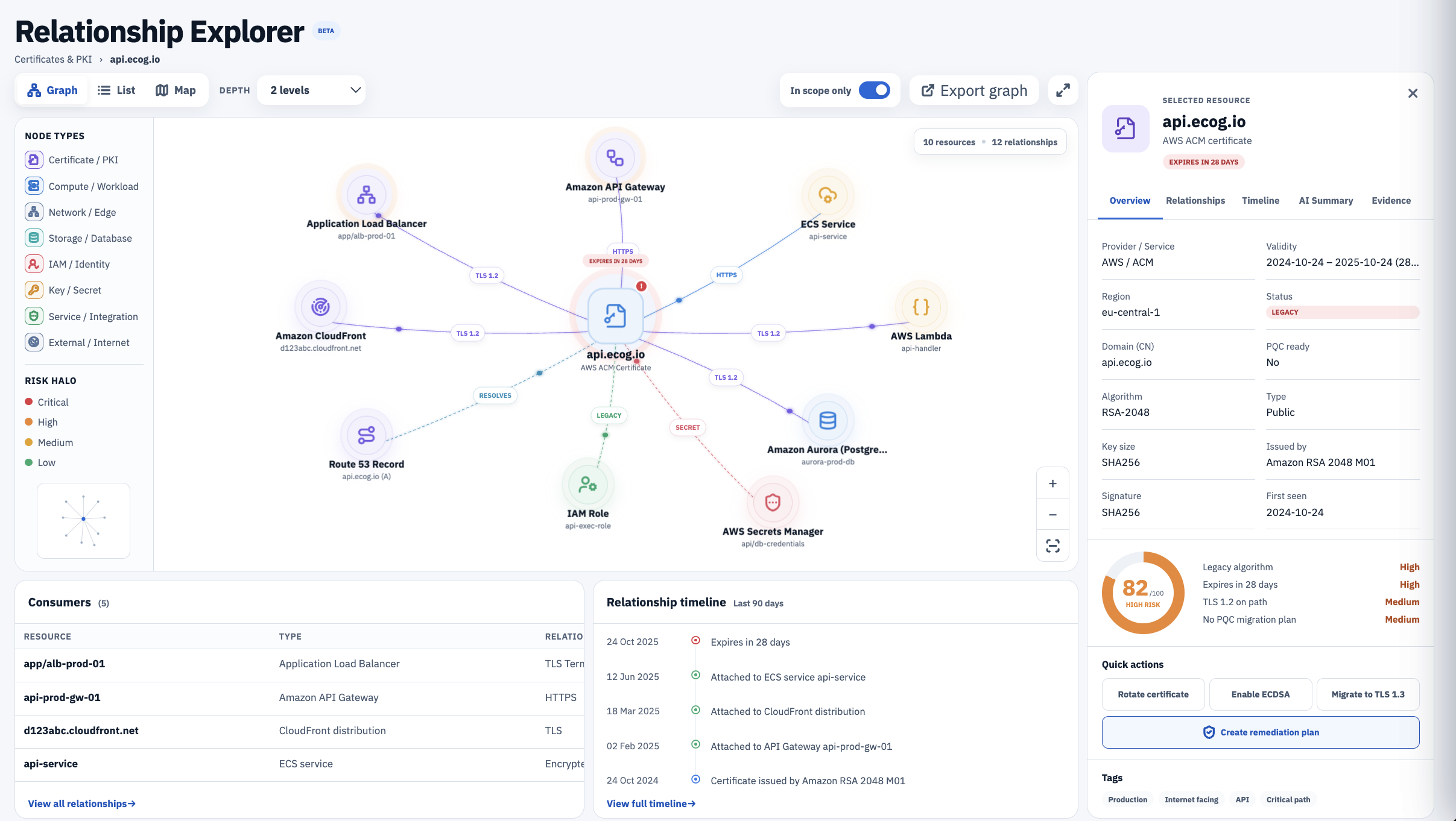
QuantumGenie joue un rôle clé dans la préparation à l’ère post-quantique en offrant une visibilité complète sur toutes les instances de cryptographie dans l’entreprise — des certificats aux codes sources en passant par les intégrations applicatives. Cette visibilité permet de bâtir un inventaire cryptographique détaillé et un CBOM, essentiels pour prioriser les risques de migration et planifier une transition sans heurts. En complément des évaluations comme celles proposées par QSAFE, QuantumGenie automatise les workflows de remédiation, gérant les demandes de changement, les exceptions et la vérification, ce qui réduit considérablement les risques opérationnels liés à la migration à grande échelle vers la cryptographie post-quantique.
Frequently Asked Questions
Why should enterprises begin quantum readiness assessments now?
Because quantum computers have the potential to break widely-used cryptographic algorithms, assessing current cryptographic assets early helps identify vulnerabilities and prioritize remediation before practical quantum threats fully materialize.
How does QuantumGenie help streamline post-quantum migration?
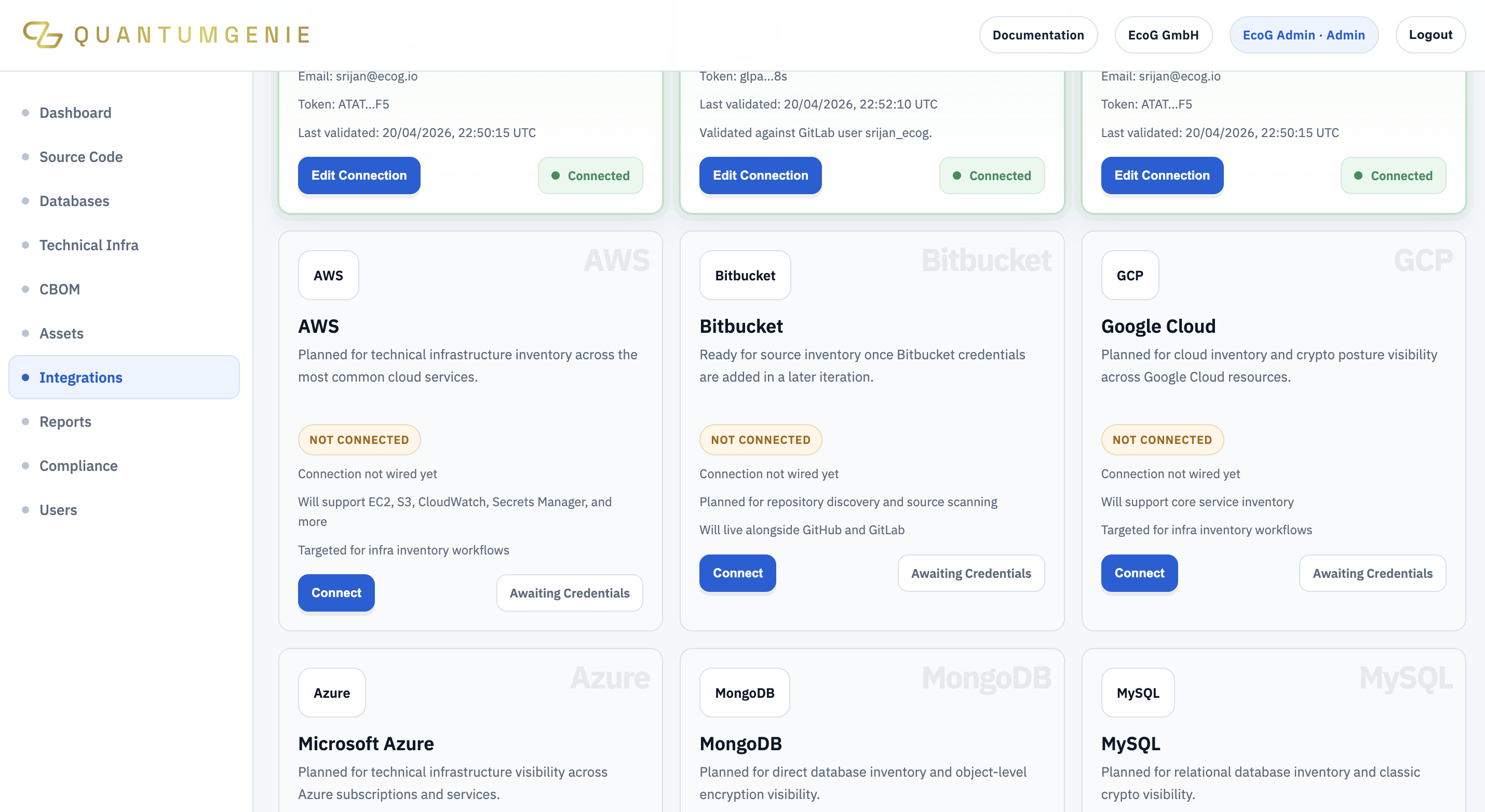
QuantumGenie provides automated discovery and cataloging of cryptography across the enterprise, risk prioritization based on exposure, and orchestrated workflows for remediation, making migration more manageable and less disruptive.
Watch The Quantum Threat
Sources And Further Reading
- QSAFE's Quantum-Ready Communication Solutions for Enterprises QSAFE · Jul 23, 2026
- Cisco's Quantum-Resilient Infrastructure: A Roadmap to Post-Quantum Cryptography Cisco · Jul 19, 2026
- ScipherX's Post-Quantum Cryptography and AI Cybersecurity Platform ScipherX · Jul 22, 2026