In This Article
What This Means
- The Hidden Complexity of Enterprise Cryptographic Assets
- From Inventory to Risk Prioritization: The Next Frontier
- How QuantumGenie Fits Dans la Gestion du Posture Cryptographique
The Hidden Complexity of Enterprise Cryptographic Assets
As enterprises embark on the journey toward post-quantum secure environments, many underestimate the sheer scale and complexity of their existing cryptographic footprint. The latest insights from Qinsight emphasize that discovering and cataloging cryptographic assets is not merely a checkbox task, but a critical foundational step. Enterprises often find cryptography embedded in websites, applications, certificates, infrastructure, and integrations in myriad forms, including legacy, hybrid, and proprietary implementations. Without comprehensive visibility, migration plans are prone to delay, risk, and compliance gaps.
From Inventory to Risk Prioritization: The Next Frontier
Discovery alone is insufficient unless enriched with contextual business information that can drive risk prioritization. A cryptographic posture management approach integrates asset insight with operational and business impact understanding, enabling security teams to identify which assets require immediate remediation and which can be scheduled later. This prioritization is vital given finite resources and the complexity of migration to quantum-safe cryptography. Supporting stories like TYCHON and PQCrypto further underline the need for automated detection and AI-assisted evaluation, but the central enterprise challenge remains the translation of visibility into actionable remediation plans.
Key Elements of Enterprise Cryptographic Posture Management
| Aspect | Description | Enterprise Benefit |
|---|---|---|
| Discovery and Inventory | Automated scanning and cataloging of cryptographic assets across the environment | Foundation for migration planning and risk visibility |
| Contextual Enrichment | Adding business impact and operational context to cryptographic inventory | Enables risk prioritization balancing security and business needs |
| Risk Prioritization | Identifying highest-risk cryptographic exposures for remediation | Optimizes allocation of resources and mitigates urgent threats first |
| Remediation Orchestration | Managing workflows for cryptographic upgrades, patching, and compliance | Ensures controlled, auditable migration steps to post-quantum crypto |
How QuantumGenie Fits Dans la Gestion du Posture Cryptographique
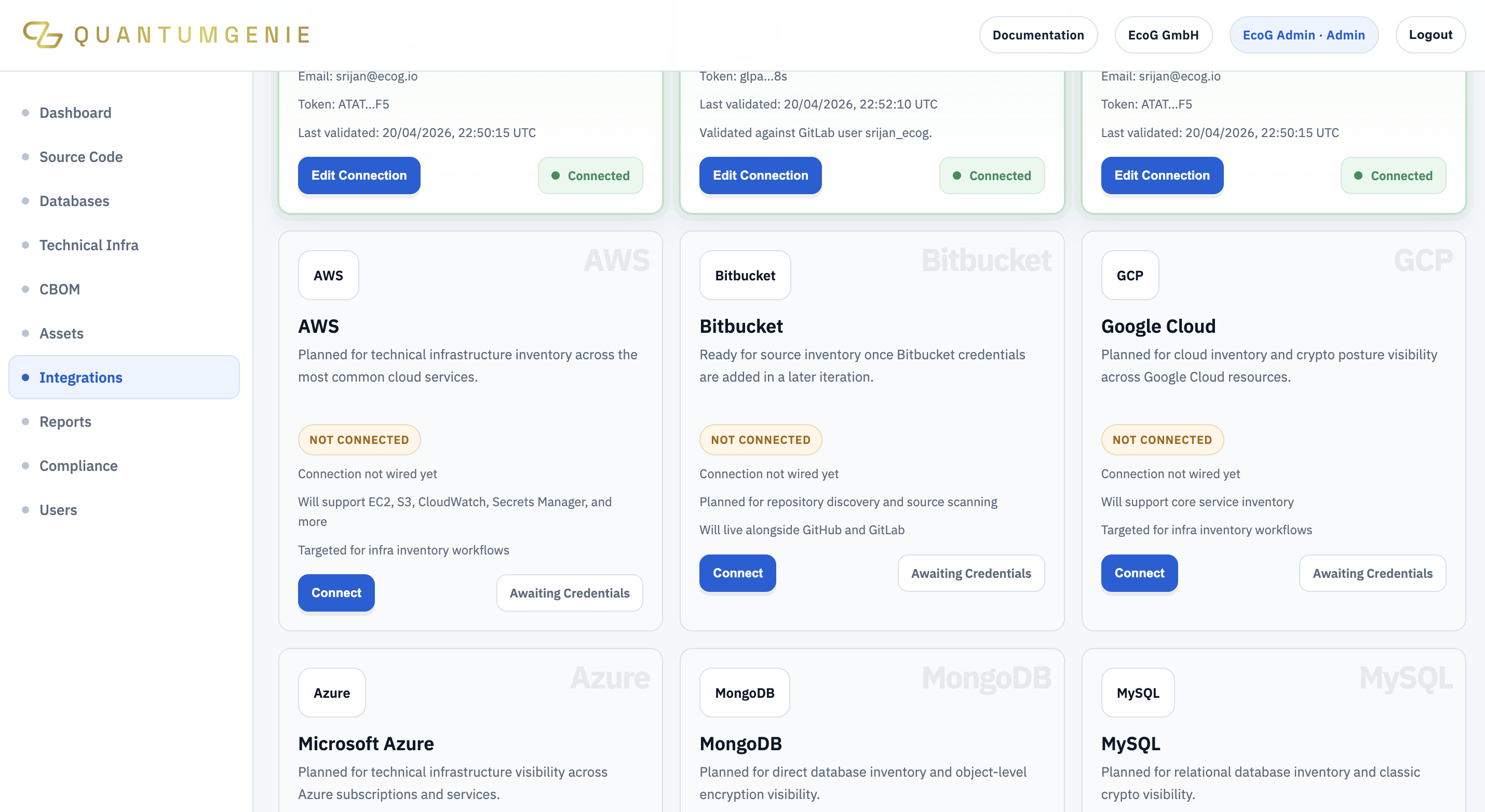
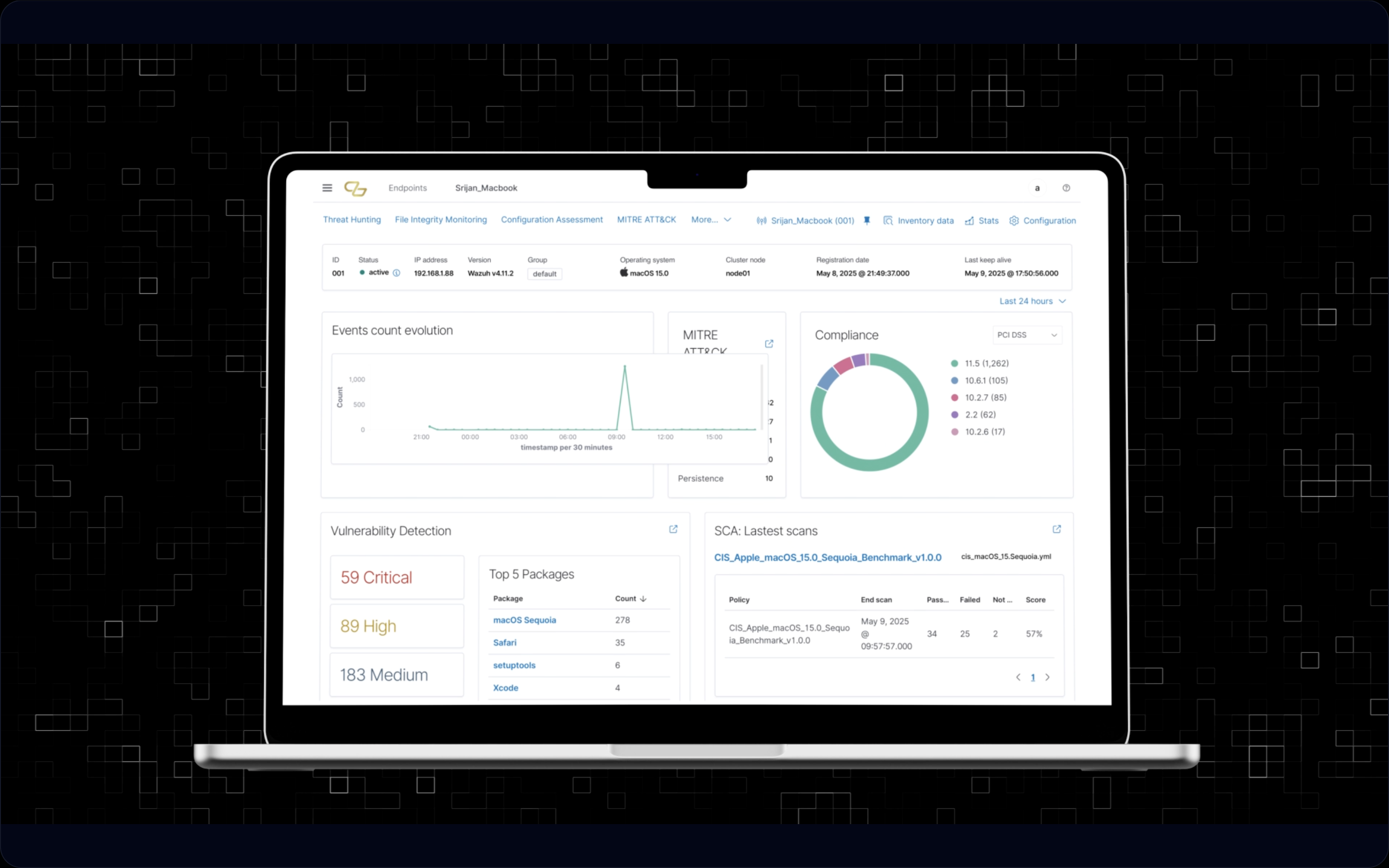
QuantumGenie delivers a pragmatic and integrated approach to cryptographic risk management by providing continuous discovery (via CipherScan), cryptographic inventory creation, and cryptographic bill of materials (CBOM) generation. Building on posture assessments, QuantumGenie supports prioritization of migration risk and orchestrates remediation workflows with CipherNova. This tightly couples the early discovery and risk management phases with concrete migration actions, helping CISOs and enterprise architects move efficiently from insight to mitigation. QuantumGenie's platform is therefore essential infrastructure for enterprises aiming to manage complexity and compliance in post-quantum cryptographic transition programs.
Frequently Asked Questions
Why is cryptographic asset discovery critical before migration?
Without comprehensive discovery, enterprises may miss vulnerable cryptographic implementations or underestimate scope, leading to incomplete migration, security gaps, and compliance issues.
How does contextual business information improve cryptographic risk management?
Enriching cryptographic assets with business context helps prioritize remediation efforts based on operational impact and security risk rather than treating all assets equally, ensuring efficient risk reduction.
Watch The Quantum Threat
Sources And Further Reading
- Qinsight: Cryptographic Posture Management Platform Qinsight · Jun 29, 2026
- TYCHON Quantum Command: Automated Cryptography Discovery TYCHON · Jun 29, 2026
- PQCrypto: AI-Powered Post-Quantum Security PQCrypto · May 1, 2026