In This Article
What This Means
- Quantum-Safe Cryptography: Integration Without Disruption
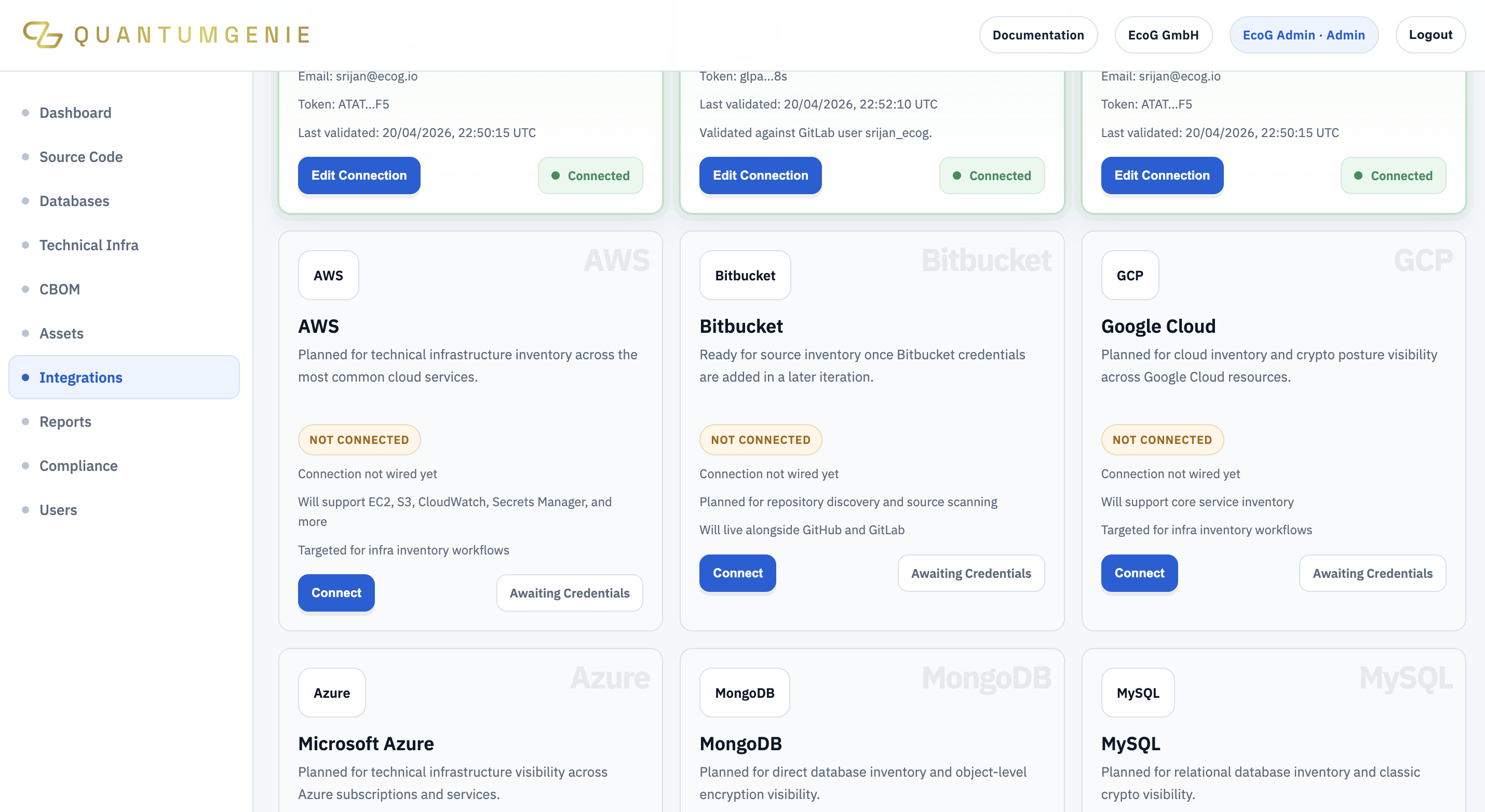
- The Critical Role of Cryptographic Visibility and Inventory
- How QuantumGenie Enables Enterprise-Scale Post-Quantum Migration
Quantum-Safe Cryptography: Integration Without Disruption
The looming threat of quantum computers breaking current cryptography has pushed enterprises to urgently adopt quantum-safe solutions. PQCrypto’s recent announcement highlights a critical shift: quantum-resistant algorithms can now be integrated into existing IT infrastructures with minimal disruption and full compliance assurance. This seamless approach is essential for organizations that cannot afford operational downtime but need to future-proof their cryptographic assets against imminent quantum threats. The key enterprise lesson is clear — crypto-agility must become a foundational capability, enabling phased, controlled migration rather than abrupt overhaul.
The Critical Role of Cryptographic Visibility and Inventory
Building a comprehensive cryptographic inventory is the first indispensable step in any post-quantum migration program. Supporting stories from TYCHON and EQCore illustrate how automated discovery and centralized orchestration platforms empower enterprises to locate and catalog cryptographic components across vastly heterogeneous environments, including cloud, hybrid, and air-gapped systems. This cryptographic asset visibility is not merely operationally useful but also foundational for compliance with emerging mandates such as H.R. 7535 and OMB M-23-02. Without it, enterprises cannot effectively prioritize high-risk legacy algorithms or assess their scope of remediation.
Key Features in Post-Quantum Enterprise Cryptographic Readiness Solutions
| Feature | Description | Enterprise Benefit |
|---|---|---|
| Quantum-Safe Algorithm Integration | Supports embedding quantum-resistant algorithms alongside legacy ones | Ensures seamless transition with minimal disruption |
| Automated Crypto Discovery | Scans and inventories cryptographic assets across environments | Enables complete visibility for risk assessment and compliance |
| Crypto-Agility Support | Allows phased algorithm migration and policy-based changes | Reduces operational risk and downtime during migration |
| Compliance Evidence | Generates reports aligned with government mandates | Facilitates regulatory adherence and audit preparedness |
How QuantumGenie Enables Enterprise-Scale Post-Quantum Migration
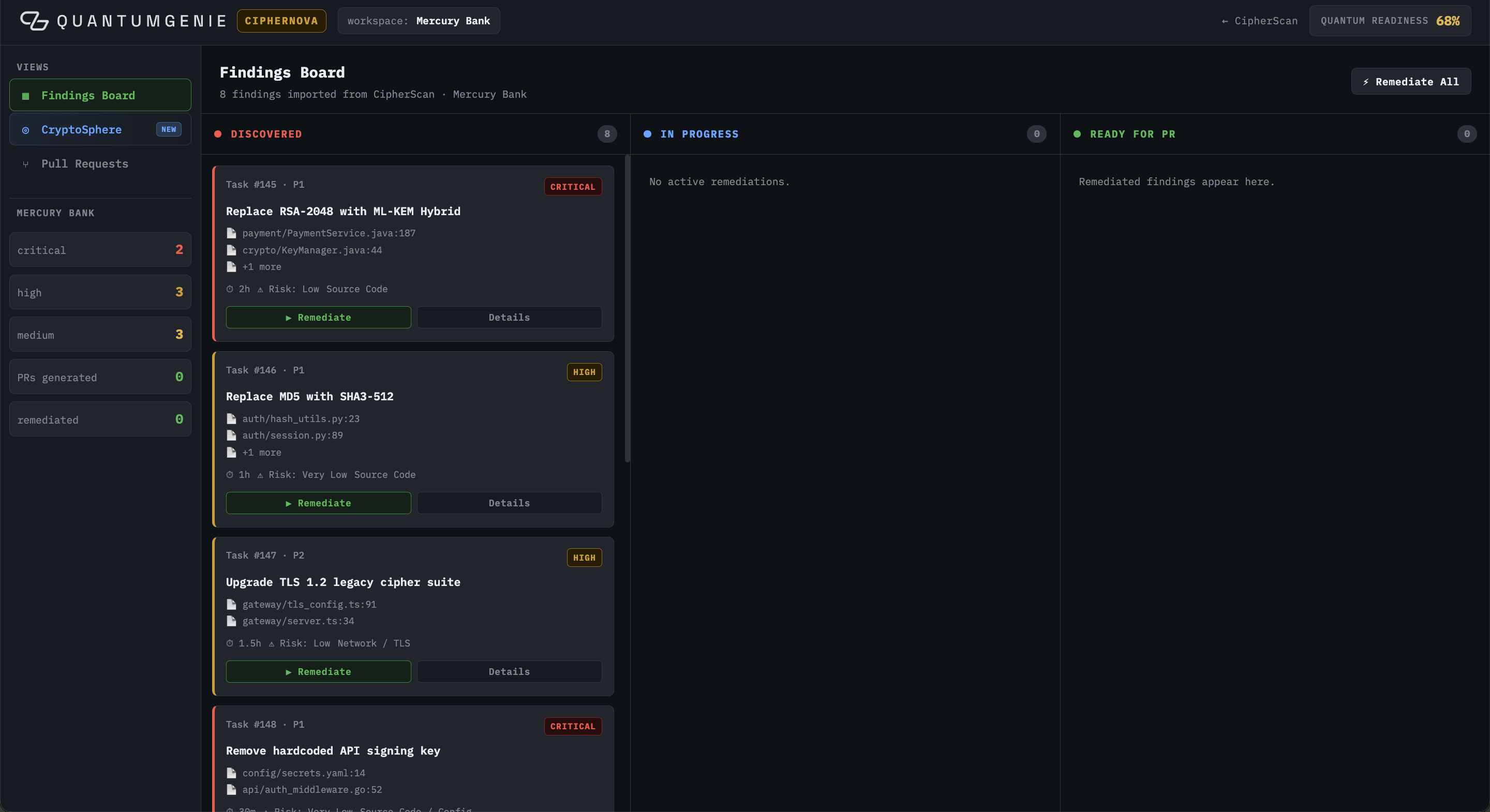
QuantumGenie fits precisely into this evolving landscape by providing an integrated platform for cryptographic discovery, inventorying, risk prioritization, and migration orchestration. Its CipherScan layer uncovers crypto exposure and creates a cryptographic bill of materials, while CipherNova handles remediation workflows and verification. This end-to-end visibility and control allow security teams and architects to plan and execute post-quantum crypto readiness with precision, supporting compliance documentation and mitigating the harvest-now, decrypt-later threat. By aligning asset inventory with crypto-agility workflows, QuantumGenie addresses the enterprise imperative to transition securely and efficiently into the quantum era.
Frequently Asked Questions
Why is cryptographic inventory critical for post-quantum migration?
A comprehensive inventory identifies where and how cryptography is used within an enterprise, enabling prioritization of vulnerable legacy algorithms and providing a foundation for effective migration planning and compliance.
How does crypto-agility benefit enterprise post-quantum readiness?
Crypto-agility allows enterprises to swiftly and flexibly replace cryptographic algorithms without disrupting operations, making phased and controlled transitions to quantum-safe algorithms feasible and safer.
Watch The Quantum Threat
Sources And Further Reading
- PQCrypto's Quantum-Safe Cryptography Solutions PQCrypto · Jun 25, 2026
- TYCHON's Automated Cryptography Discovery & Inventory TYCHON · Jun 21, 2026
- EQCore's Quantum-Safe Security Framework EQCore · Jun 24, 2026