In This Article
What This Means
- The Complexity of Post-Quantum Migration in Enterprise Environments
- Structured Frameworks Guide the Path to Quantum-Safe Cryptography
- How QuantumGenie Complements Enterprise Migration Efforts
The Complexity of Post-Quantum Migration in Enterprise Environments
Migration to post-quantum cryptography (PQC) is no longer theoretical—enterprises must now face the tangible challenge of replacing legacy cryptographic systems vulnerable to future quantum attacks. The story of PQCArchitect highlights how organizations require a comprehensive and phased approach that integrates discovery, architecture redesign, and multi-stage migration planning. PQCArchitect’s method underscores the necessity of in-depth cryptographic inventorying to identify every vulnerable asset before disruption occurs.
Structured Frameworks Guide the Path to Quantum-Safe Cryptography
Supporting frameworks, such as the 7-phase migration plan with a Cryptographic Bill of Materials (CBOM) emphasized by PQC Today, and the detailed 9-phase approach from Encryption Consulting, reveal the strategic rigor needed to manage complex migrations. These frameworks stress assessments, risk categorization, phased rollouts, and continuous crypto-agility. Enterprises should adopt similar methodologies to balance operational continuity with the urgency of securing quantum-resilient cryptographic algorithms.
Summary of Structured PQC Migration Frameworks
| Framework | Phases | Key Features |
|---|---|---|
| PQC Architect (Provider) | End-to-end discovery, migration | Comprehensive cryptographic inventory, phased migration planning |
| PQC Today (7-Phase Framework) | 7 phases | Crypto-agility, CBOM creation, assessment to remediation |
| Encryption Consulting (9-Phase Guide) | 9 phases | Detailed roadmap, multi-year migration, algorithm transition |
How QuantumGenie Complements Enterprise Migration Efforts
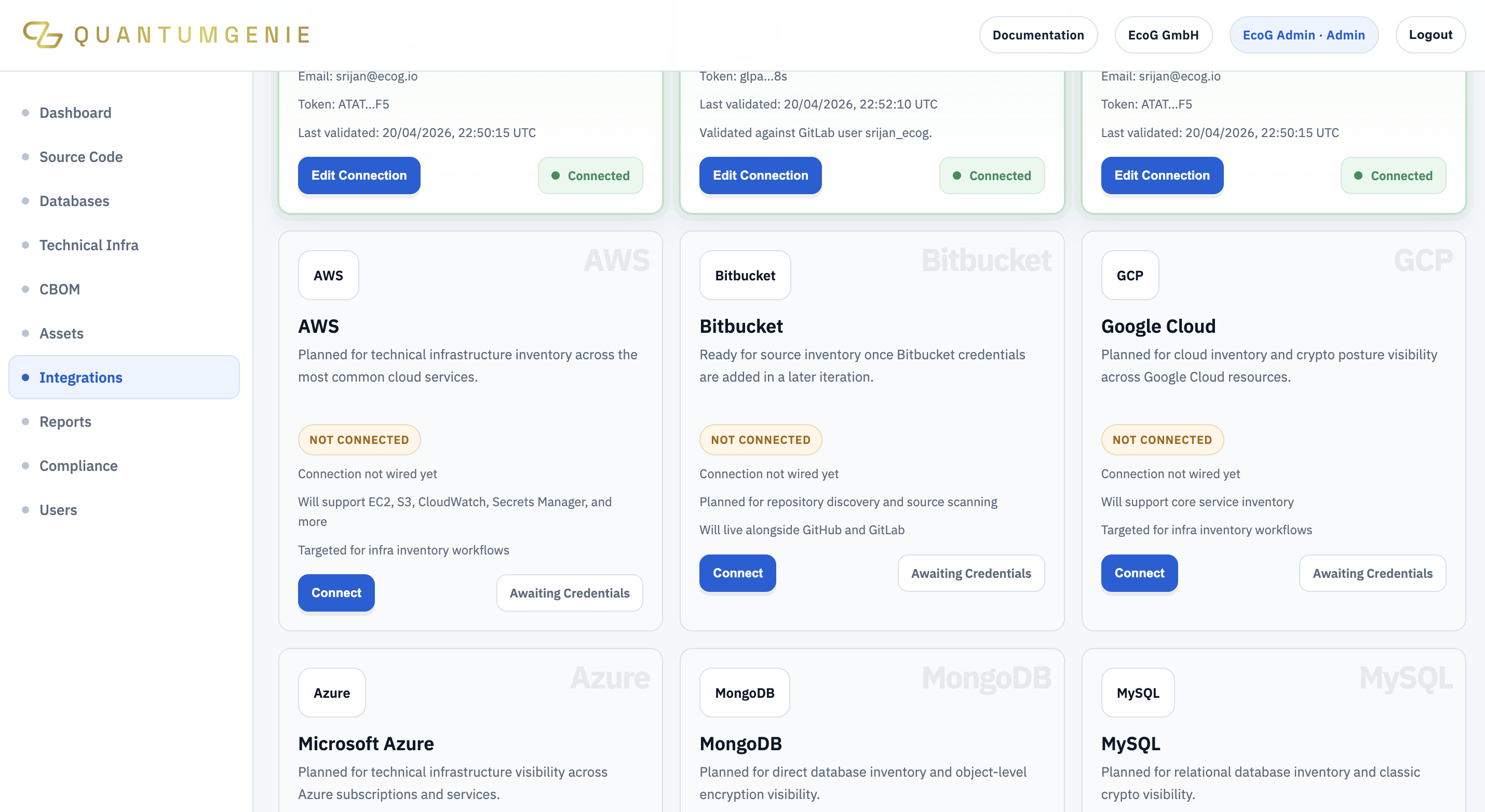
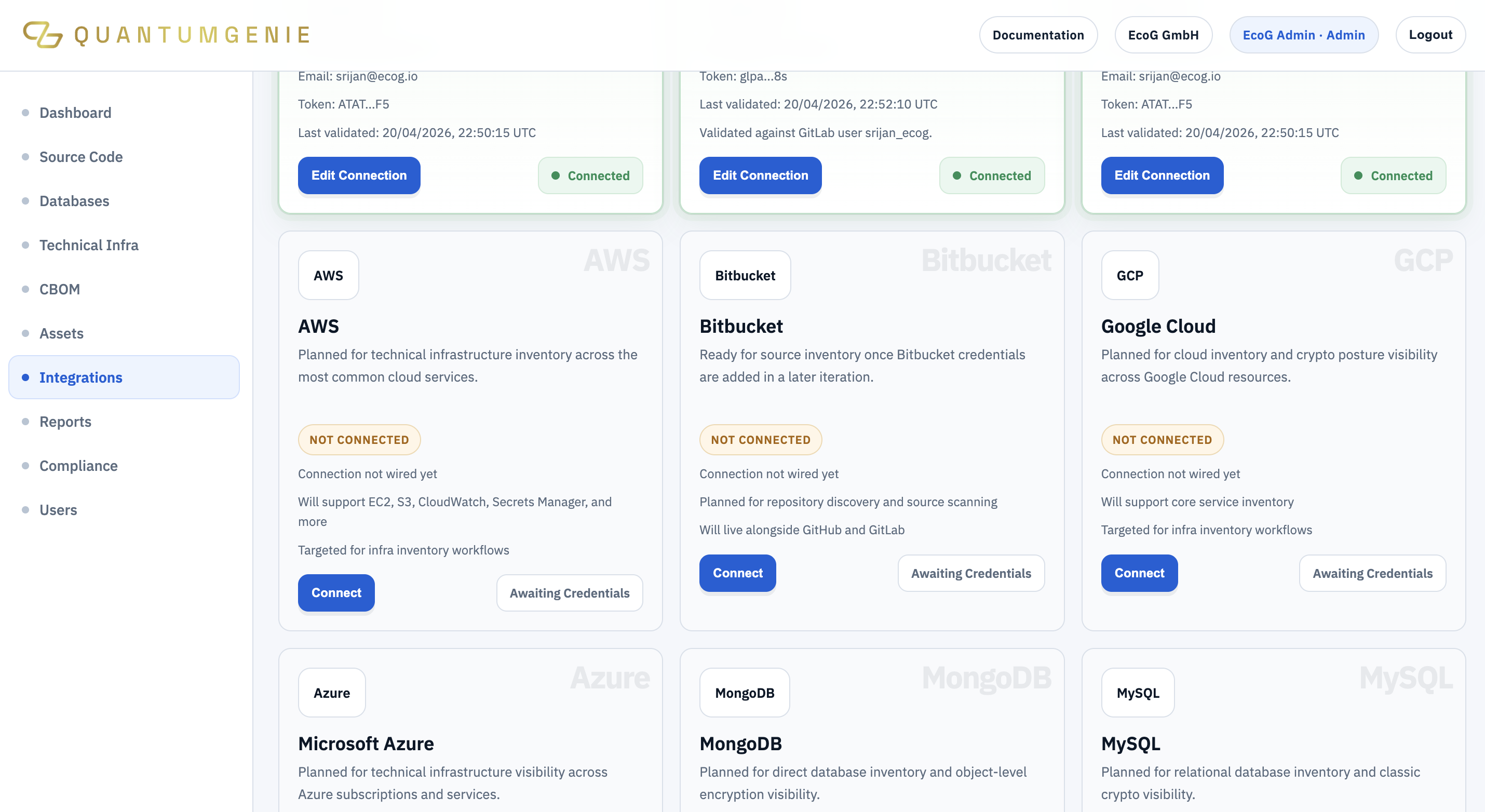
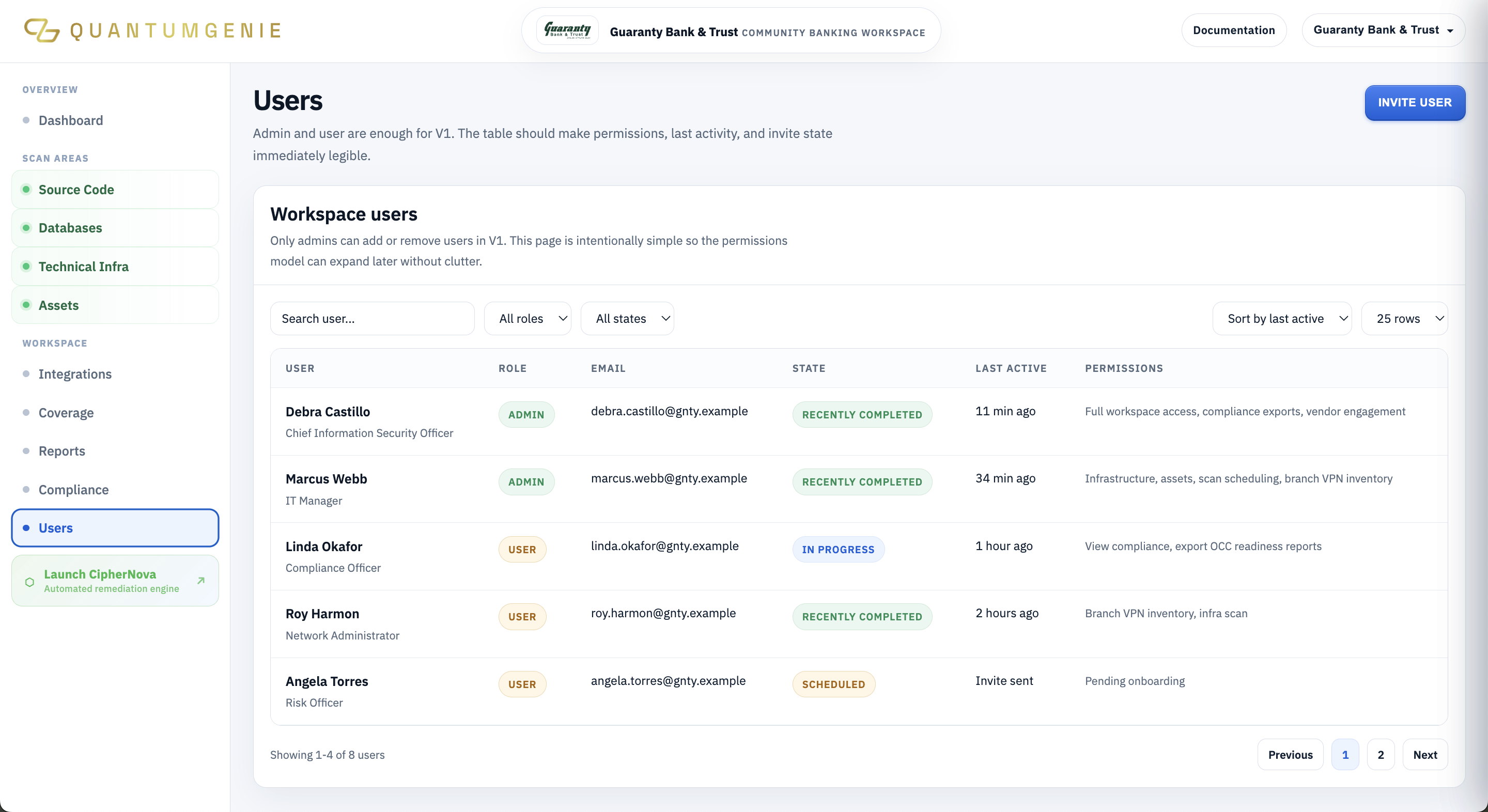
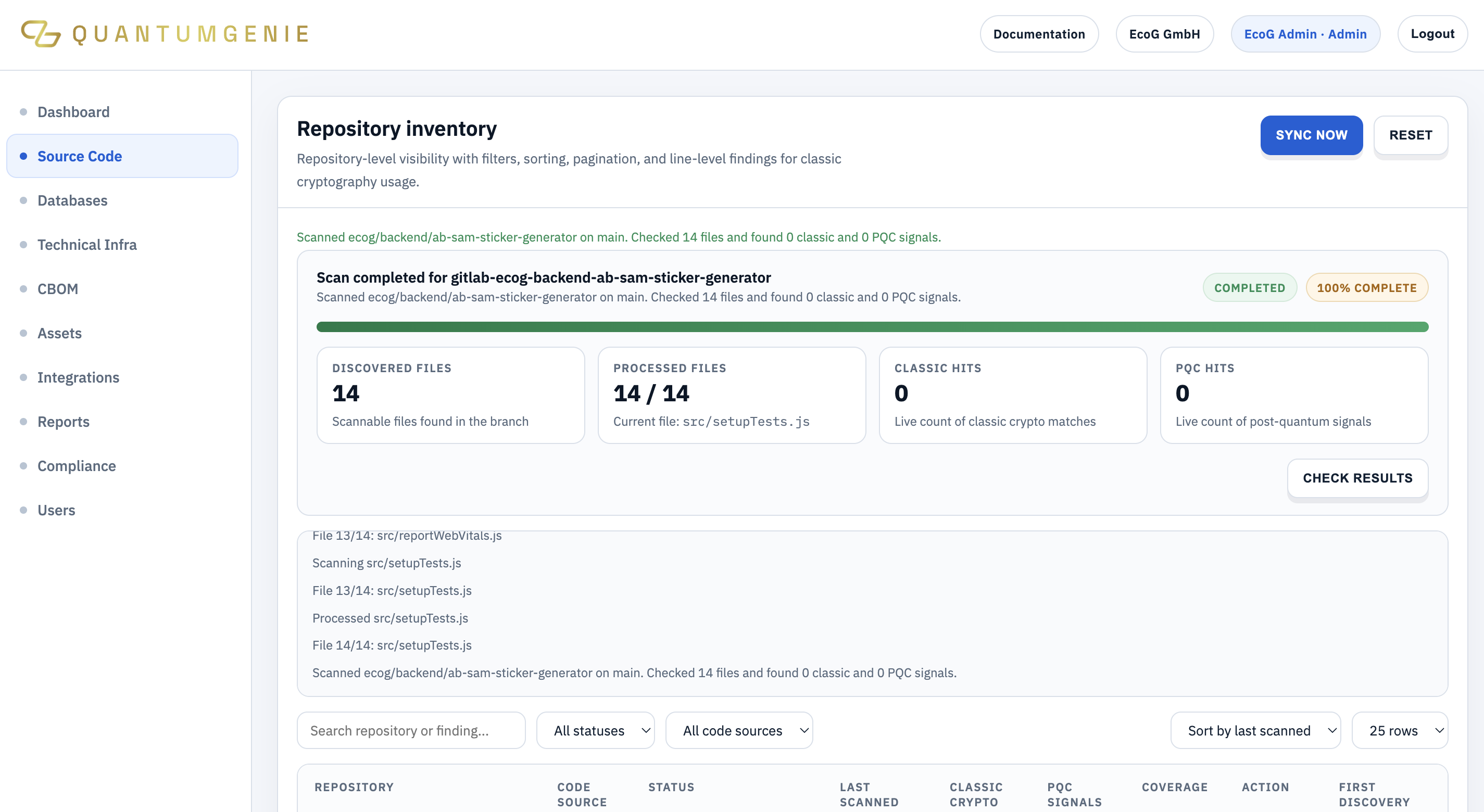
QuantumGenie’s role is critical in enabling the discovery and operationalization phases of PQC migration. Its CipherScan component helps enterprises uncover cryptographic dependencies across complex environments—websites, databases, applications, and infrastructure—forming a granular cryptographic inventory and CBOM. This visibility drives prioritized risk assessments and informed migration planning. The CipherNova orchestration layer facilitates controlled remediation, policy enforcement, and verification workflows, essential to execute PQC migration at scale without operational disruption. By integrating discovery, prioritization, and orchestration, QuantumGenie empowers enterprises to transition in a structured, auditable, and agile manner, increasing readiness for the quantum era.
Frequently Asked Questions
Why is cryptographic inventory crucial before PQC migration?
An accurate cryptographic inventory identifies all vulnerable assets, enabling targeted migration planning, risk prioritization, and reducing operational disruption during PQC transition.
How does crypto-agility improve post-quantum readiness?
Crypto-agility allows enterprises to swiftly update or replace cryptographic algorithms in response to emerging threats or standards, ensuring sustained security and compliance in a changing landscape.
Watch The Quantum Threat
Sources And Further Reading
- PQCArchitect | Post-Quantum Cryptography Migration for Your Quantum-Safe Enterprise PQCArchitect · Jul 21, 2026
- Crypto Agility — 7-Phase PQC Migration Framework & CBOM | PQC Today PQC Today · Jul 20, 2026
- PQC Migration Guide: 9 Phases to Quantum-Safe | Encryption Consulting Encryption Consulting · Jun 29, 2026