In This Article
What This Means
- Why a Phased, Risk-Based Migration Matters
- Applying Enterprise-Scale Visibility and Prioritization
- How QuantumGenie Fits into the PQC Migration Journey
Why a Phased, Risk-Based Migration Matters
Enterprises face a complex challenge transitioning existing cryptographic assets to quantum-resistant algorithms that can withstand the emerging threat of quantum computers. The 9-phase PQC Migration Guide from Encryption Consulting offers a clear, methodical approach to this transformation. Starting with a comprehensive cryptographic inventory, the approach emphasizes assessing risk across organizational assets, prioritizing the migration order accordingly, and iteratively progressing through testing and deployment phases.
This phased, prioritized migration reduces operational disruptions and mitigates the risk of critical assets remaining exposed to quantum attacks during a rushed transition. For CISOs and architects, this blueprint provides actionable steps rather than vague directives, making quantum readiness achievable rather than theoretical.
Applying Enterprise-Scale Visibility and Prioritization
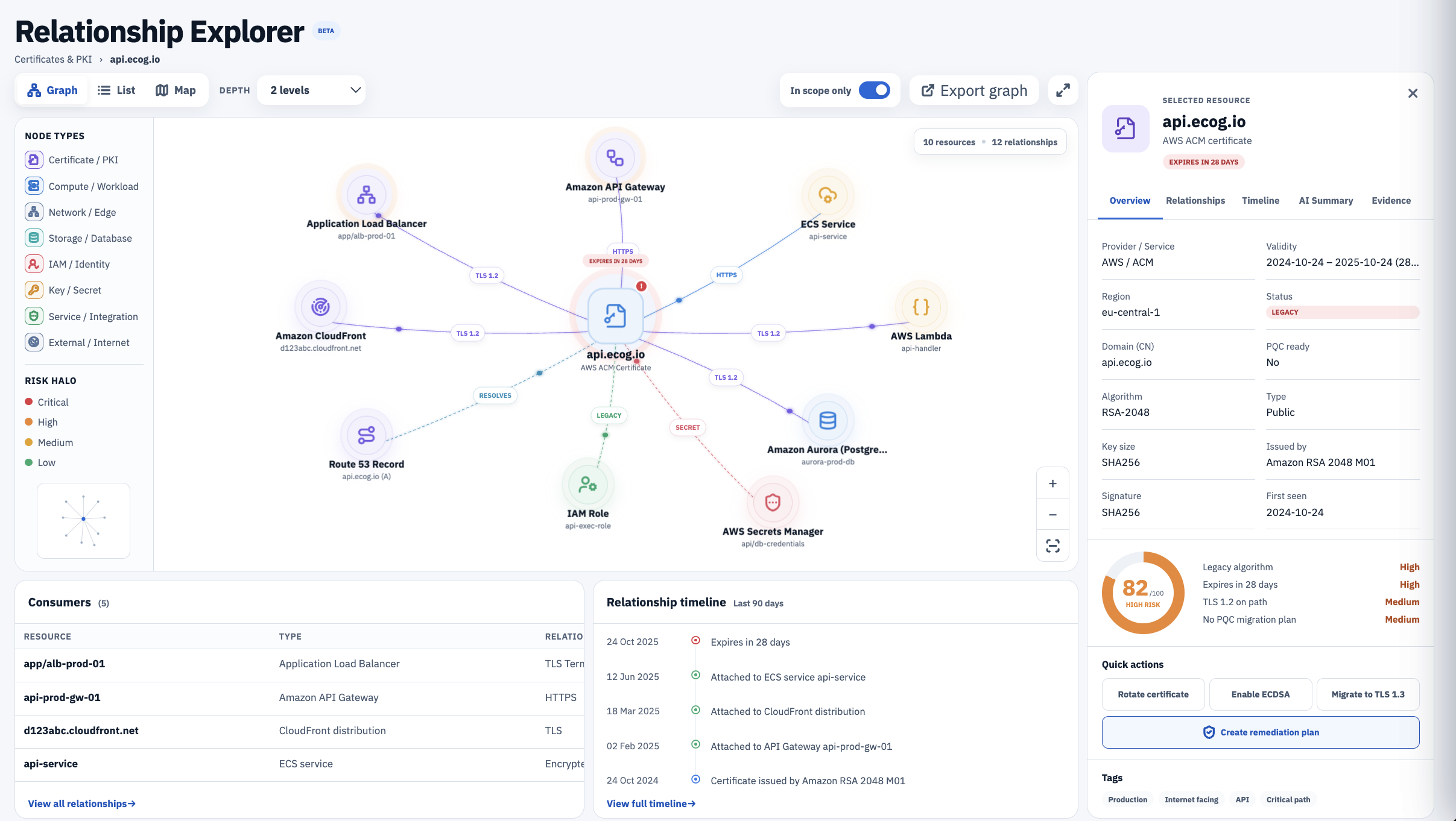
An essential early phase involves discovering all cryptographic dependencies — including hidden or legacy systems — and understanding their quantum vulnerability exposure. Supporting this phase is the growing market of platforms that scan and assess cryptographic assets, scoring their quantum resilience and facilitating planned migration steps.
However, discovery is only the start. The key enterprise challenge is to prioritize assets not only on quantum risk but on operational impact, compliance requirements, and technical complexity. This multi-criteria prioritization ensures resource allocation aligns with business risk and compliance deadlines, a mandate for any pragmatic security leader.
9 Phases of Post-Quantum Cryptography Migration
| Phase | Focus | Enterprise Implication |
|---|---|---|
| 1 | Cryptographic Inventory | Identify all cryptographic assets across the enterprise for visibility and risk assessment |
| 2 | Risk-Based Prioritization | Prioritize assets based on attack exposure and business impact for efficient resource allocation |
| 3 | Algorithm Selection | Choose appropriate quantum-resistant algorithms compliant with regulations |
| 4 | Proof of Concept Testing | Test new algorithms in controlled environments to ensure compatibility and performance |
How QuantumGenie Fits into the PQC Migration Journey
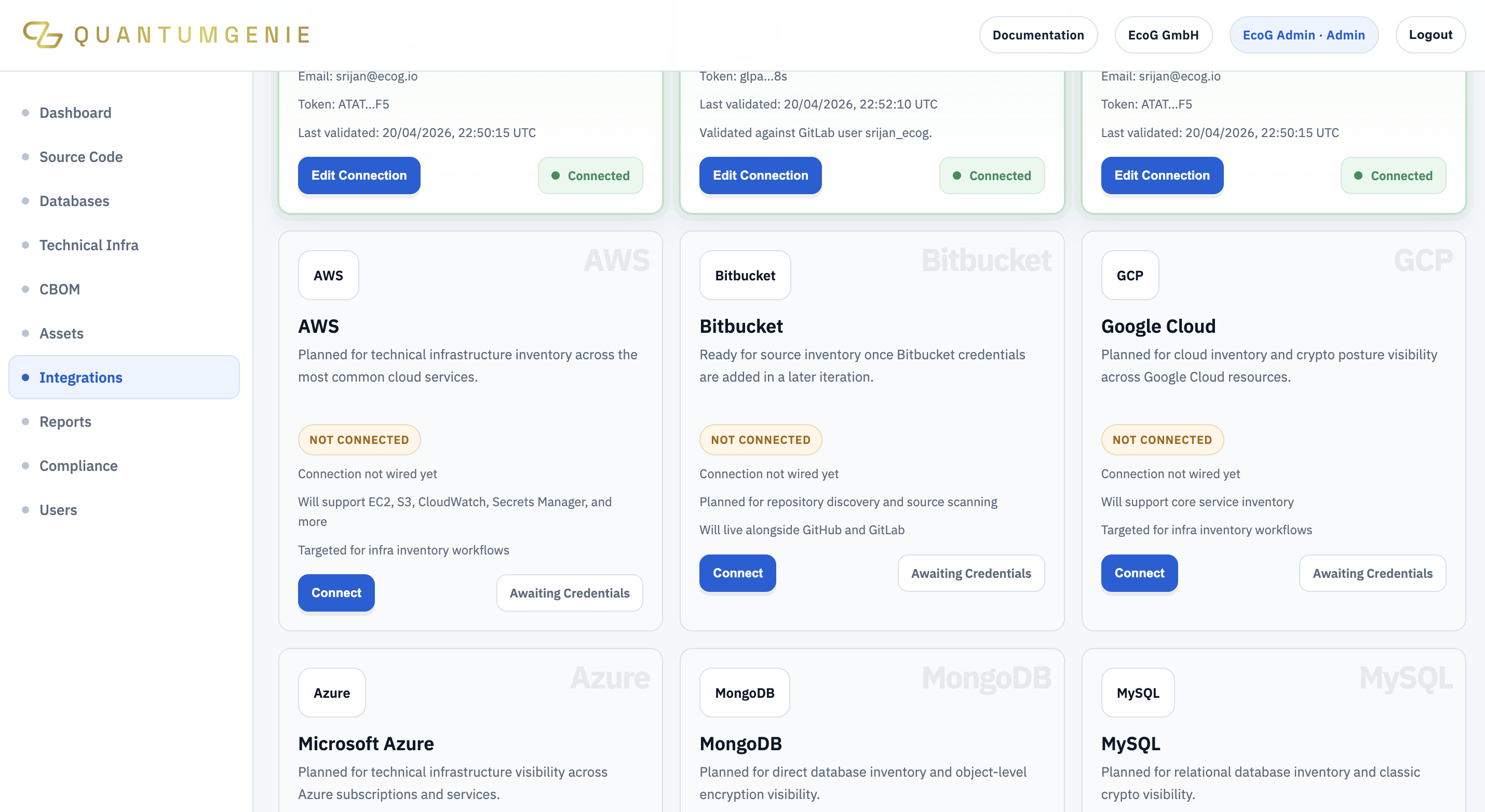
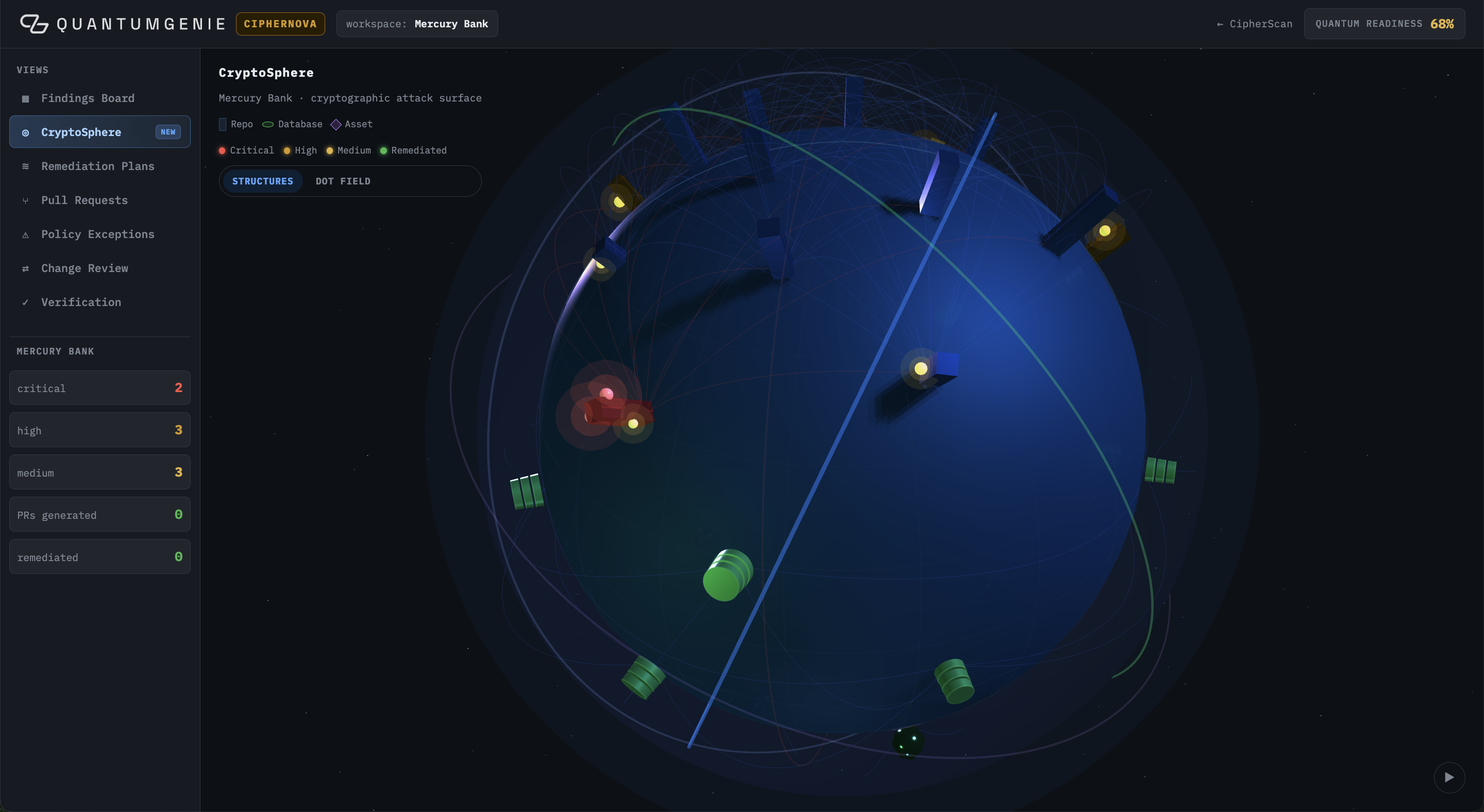
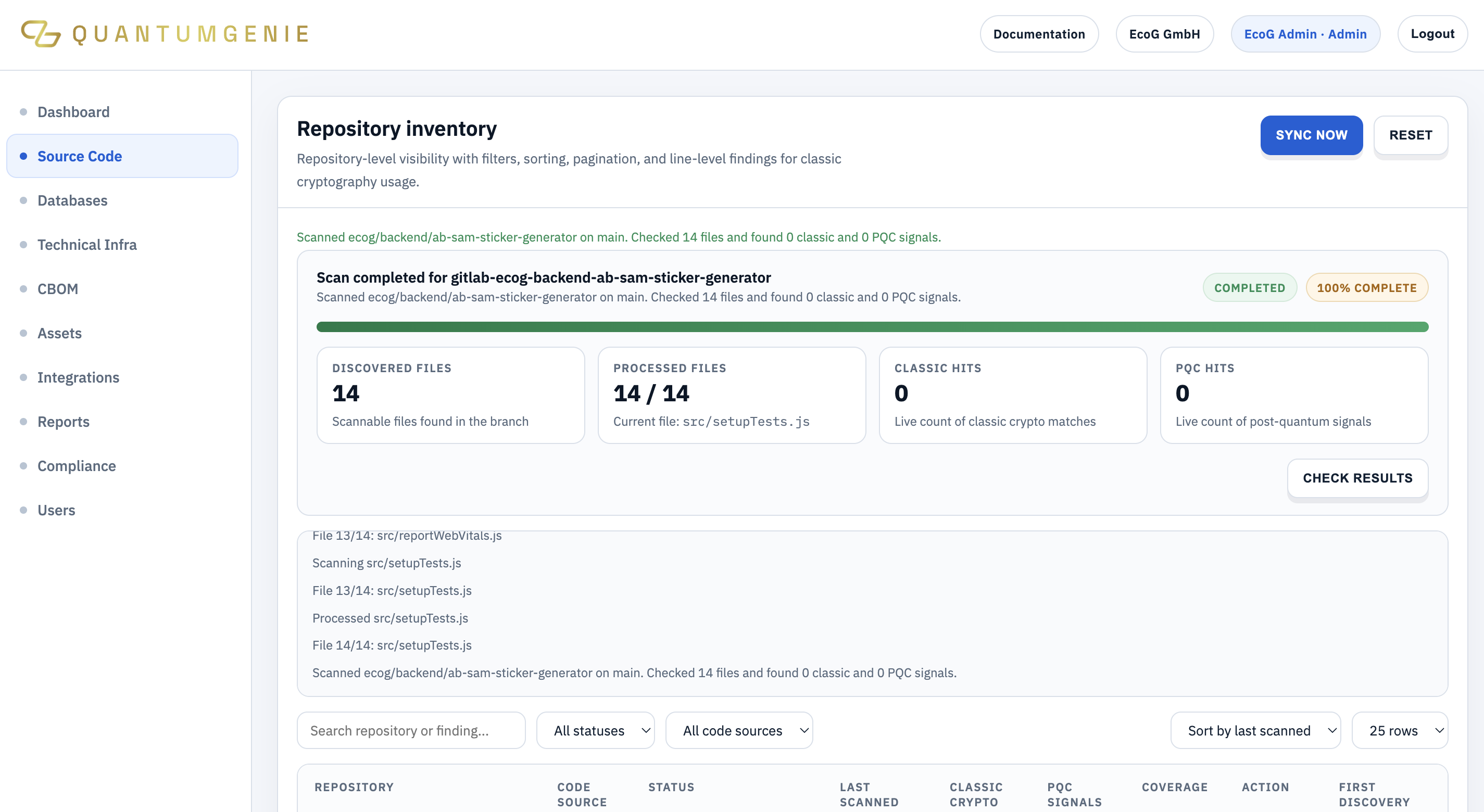
QuantumGenie directly addresses the critical early-phase challenges outlined in the PQC migration roadmap by delivering deep, automated cryptographic discovery across websites, certificates, source code, infrastructure, and integrations. By building detailed cryptographic inventories and cryptographic bills of materials (CBOM), QuantumGenie arms organizations with granular visibility necessary to prioritize and plan migration phases effectively.
Moreover, QuantumGenie’s powerful orchestration layer supports the execution of migration plans via workflow automation for remediation, change reviews, and verification, closing the loop from discovery to operational migration. This end-to-end capability reduces risk of missed assets, accelerates migration cadence, and supports compliance readiness throughout the 9-phase journey.
Frequently Asked Questions
Why is a phased approach recommended for PQC migration?
A phased approach allows enterprises to manage risks by prioritizing critical assets first, testing new algorithms incrementally, and minimizing operational disruptions during migration.
How does cryptographic inventory help in PQC migration?
A detailed cryptographic inventory uncovers all points where cryptography is used, enabling accurate risk assessment and ensuring no vulnerable asset is overlooked during migration.
Watch The Quantum Threat
Sources And Further Reading
- PQC Migration Guide: 9 Phases to Quantum-Safe Encryption Consulting · Jun 29, 2026
- Quantum Guard Cybernonics · Jul 22, 2026