In This Article
What This Means
- Why Structured Migration to Post-Quantum Matters Now
- Phased Roadmap Highlights and Enterprise Implications
- How QuantumGenie Fits into the Post-Quantum Migration Landscape
Why Structured Migration to Post-Quantum Matters Now
The urgency to transition cryptographic assets to post-quantum algorithms is intensifying as quantum computing advances threaten legacy encryption. Encryption Consulting’s latest nine-phase migration guide underscores why enterprises must adopt a stepwise, disciplined approach rather than ad hoc solutions. This staged migration roadmap emphasizes discovery and detailed inventory, risk prioritization, rigorous testing under hybrid cryptographic models, and controlled rollout stages.
This phased model reflects the complex, distributed nature of cryptographic assets within modern enterprise IT environment — extending from certificates and infrastructure to legacy applications and integrations. Without structure, migration efforts risk operational disruption, compliance gaps, and inconsistent security postures. Consequently, the guide’s core message is clear: successful post-quantum migration is a long-term, governance-driven program demanding comprehensive cryptographic asset management and risk-aware orchestration.
Phased Roadmap Highlights and Enterprise Implications
The nine phases begin with cryptographic discovery and inventory building, enabling security teams to build a cryptographic bill of materials (CBOM) that provides detailed insight into existing algorithms and dependencies. Subsequent phases focus on risk assessment and prioritization, hybrid post-quantum algorithm integration in test environments, and iterative validation to ensure compatibility and security.
Enterprises must align these phases with business priorities and regulatory demands. For example, testing hybrid algorithms reduces risk by allowing coexistence of classical and post-quantum cryptography before full migration. Moreover, pilot deployments enable early operational feedback and minimize disruption. This roadmap guides CISOs and architects through concrete milestones, enhancing confidence and providing tangible checkpoints to measure progress toward quantum-safe security.
Summary of the Post-Quantum Cryptography Nine-Phase Migration Roadmap
| Phase | Key Activity | Enterprise Benefit |
|---|---|---|
| 1 | Discovery and Cryptographic Inventory | Foundation for risk analysis and migration planning |
| 2 | Risk Assessment and Prioritization | Focus resources on highest impact assets |
| 3 | Hybrid Algorithm Integration Testing | Validate coexistence without service disruption |
| 4 | Pilot Deployment | Reduce migration risk in controlled environments |
How QuantumGenie Fits into the Post-Quantum Migration Landscape
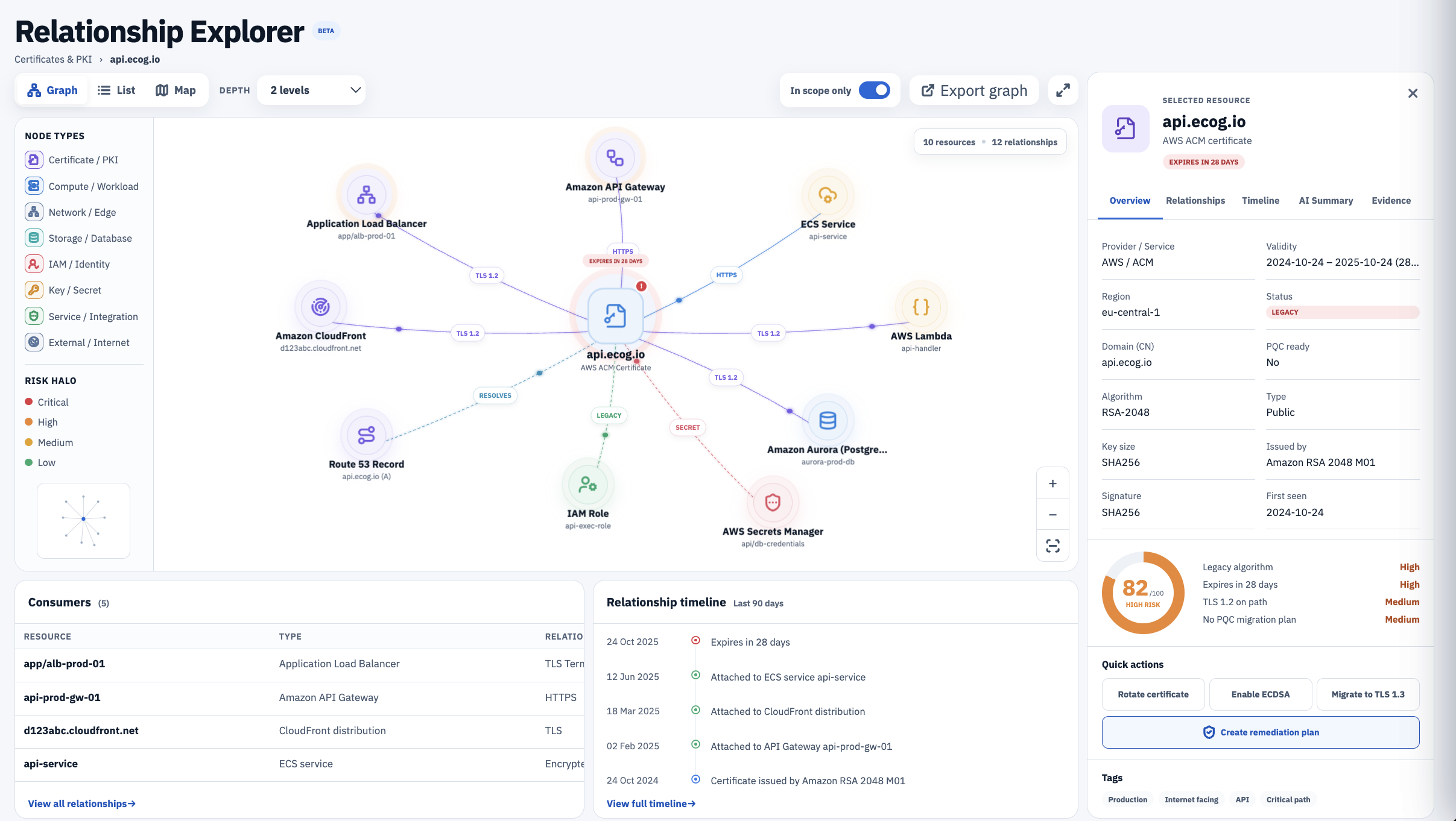
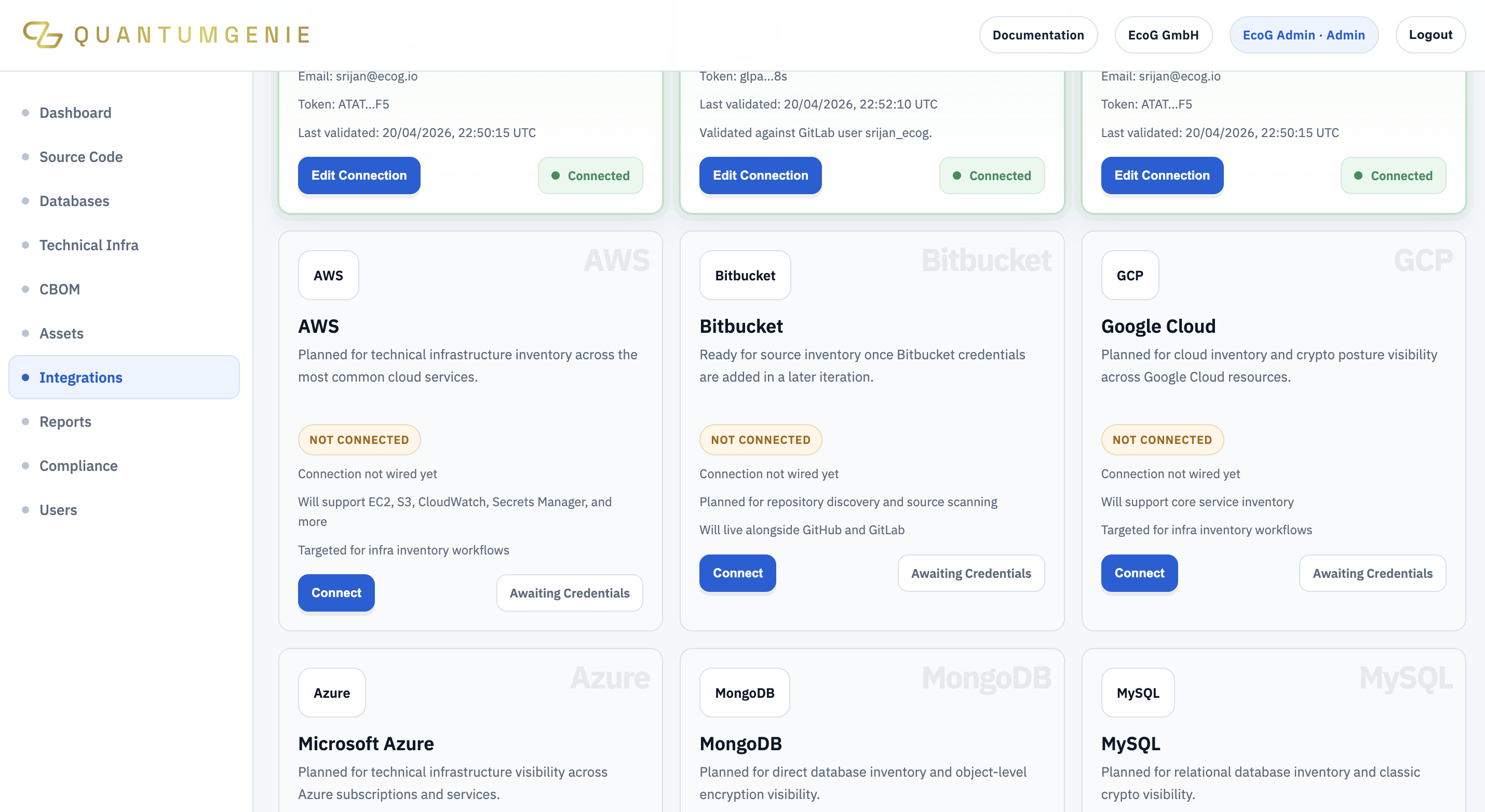
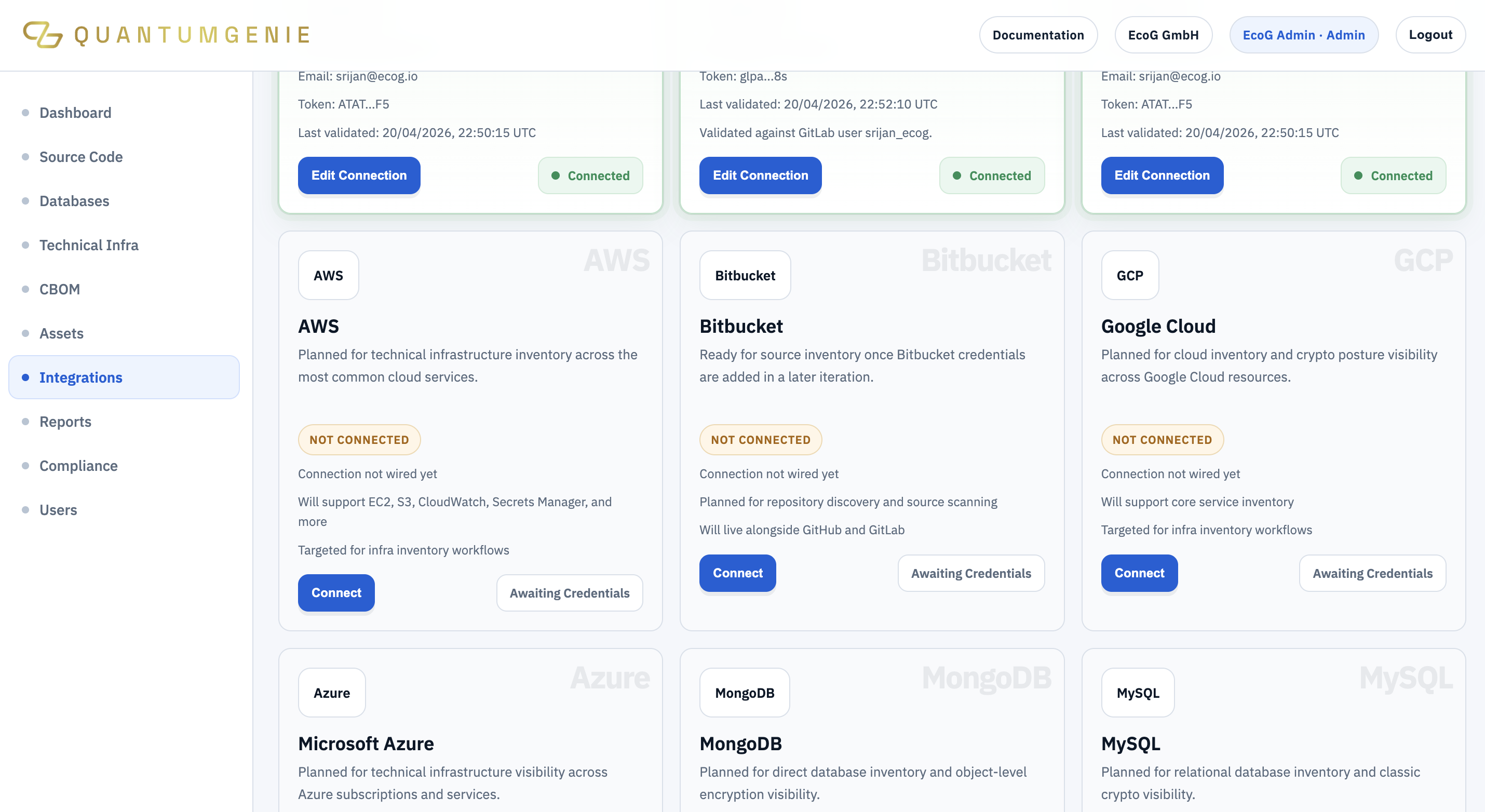
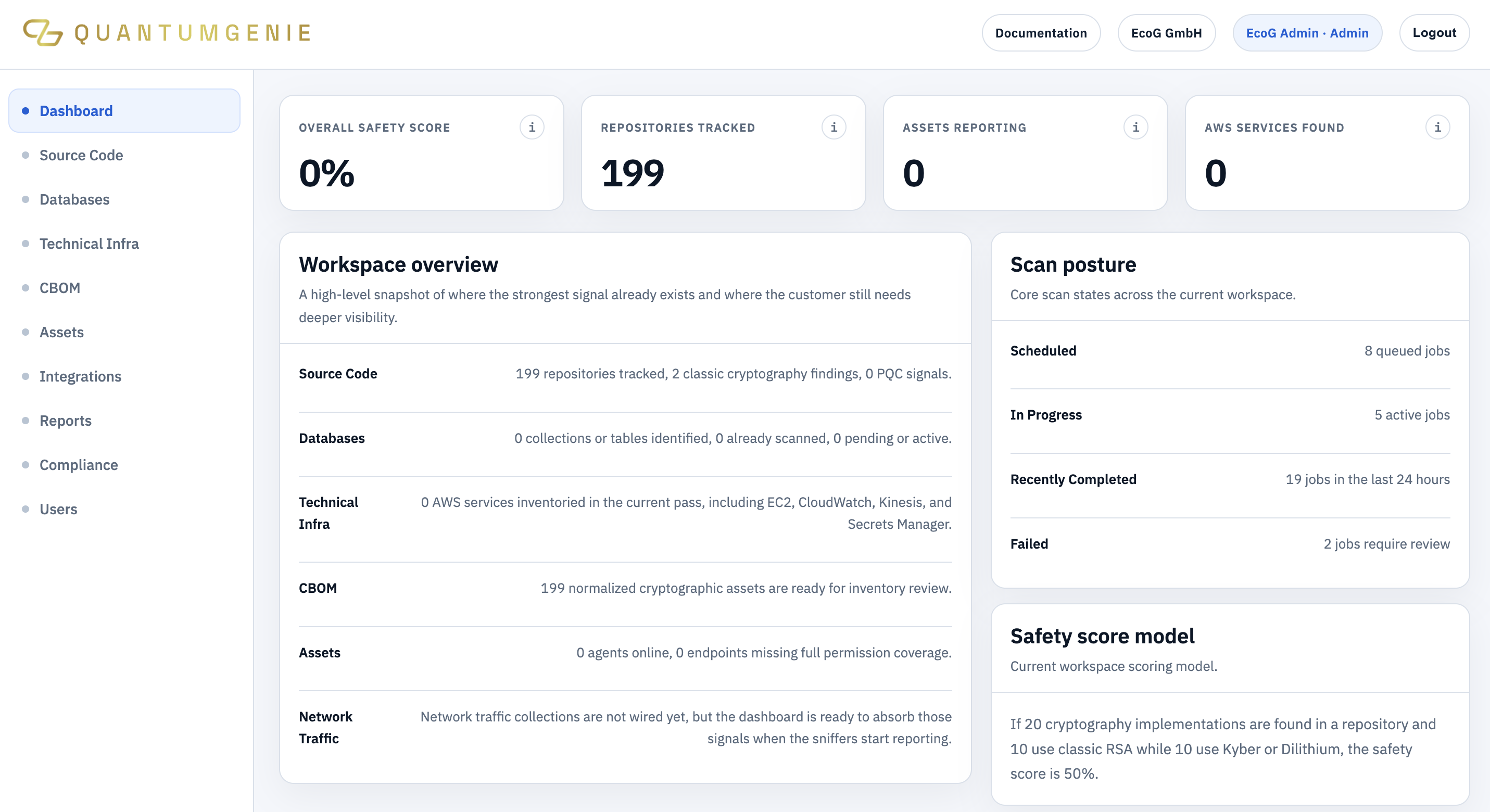
QuantumGenie’s platform directly addresses the critical early and ongoing phases highlighted in the migration guide. Its CipherScan module offers automated discovery across websites, certificates, source code, infrastructure, and integrations, creating a granular cryptographic inventory and CBOM essential for risk prioritization. This visibility is indispensable before any remediation or migration planning can begin.
The CipherNova module supports teams by orchestrating remediation workflows, pull requests, and policy exception management. This operational layer enables enterprises to efficiently execute phased migration plans with governance and auditability. QuantumGenie’s integration of discovery, inventory, prioritization, and operational remediation aligns perfectly with the structured nine-phase model, positioning it as practical infrastructure—not hype—to effectively manage the complexity of post-quantum readiness.
Frequently Asked Questions
Why is building a cryptographic inventory critical before starting PQC migration?
A detailed cryptographic inventory and CBOM provide visibility into all cryptography assets and dependencies, allowing organizations to prioritize risks, understand impact, and plan migration phases strategically to avoid operational disruptions.
How does phased rollout reduce risks in migrating to post-quantum cryptography?
Phased rollout allows enterprises to progressively test and deploy post-quantum algorithms alongside legacy systems, ensuring compatibility and stability while minimizing disruption and operational risks during transition.
Watch The Quantum Threat
Sources And Further Reading
- PQC Migration Guide: 9 Phases to Quantum-Safe Encryption Consulting · Jun 29, 2026
- PQC Navigator: Post-Quantum Cryptography Migration Platform PQC Navigator · Jul 22, 2026