In This Article
What This Means
- The Imperative of a Phased PQC Migration Framework
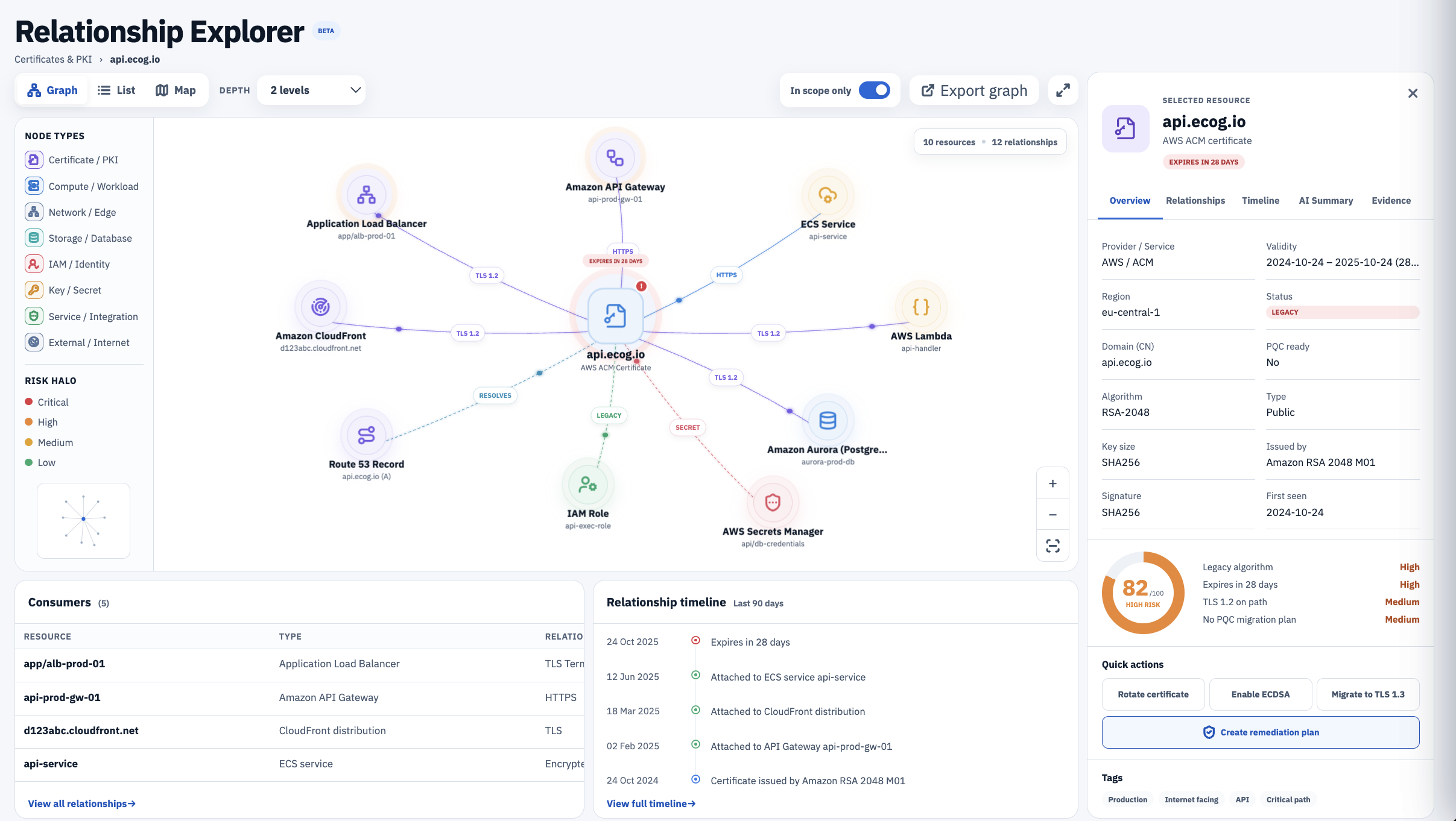
- Cryptographic Inventory and Risk Prioritization at the Core
- How QuantumGenie Fits Into Enterprise PQC Migration
The Imperative of a Phased PQC Migration Framework
As quantum computing advances, enterprises confront the pressing need to migrate away from vulnerable cryptographic algorithms toward quantum-resistant alternatives. The recently published nine-phase PQC migration guide by Encryption Consulting offers a clear roadmap that addresses this challenge head-on. It emphasizes beginning with a thorough cryptographic inventory to understand which assets could be exposed to quantum threats, then systematically moving through prioritization, testing, and full migration. This structured approach mitigates risk and enables organizations to build crypto-agility for future changes.
Cryptographic Inventory and Risk Prioritization at the Core
Two critical pillars of the migration journey are detailed prominently in this guide: establishing a comprehensive cryptographic inventory and prioritizing risks associated with quantum vulnerabilities. The inventory acts as a foundational blueprint—mapping cryptographic components across applications, certificates, infrastructure, and code. Prioritization then identifies high-risk assets based on usage, exposure, and regulatory mandates. This focus ensures that migration efforts are efficient, targeted, and compliant, addressing the most critical enterprise exposures first.
Summary Comparison of PQC Migration Phased Frameworks
| Source | Phases | Core Focus |
|---|---|---|
| Encryption Consulting (Primary) | 9 Phases | Cryptographic Inventory & Risk Prioritization |
| PQC Today (Supporting) | 7 Phases | Crypto-Agility & CBOM |
| FEDLIN (Supporting) | Service-Based | Hybrid Implementation & NIST Alignment |
How QuantumGenie Fits Into Enterprise PQC Migration
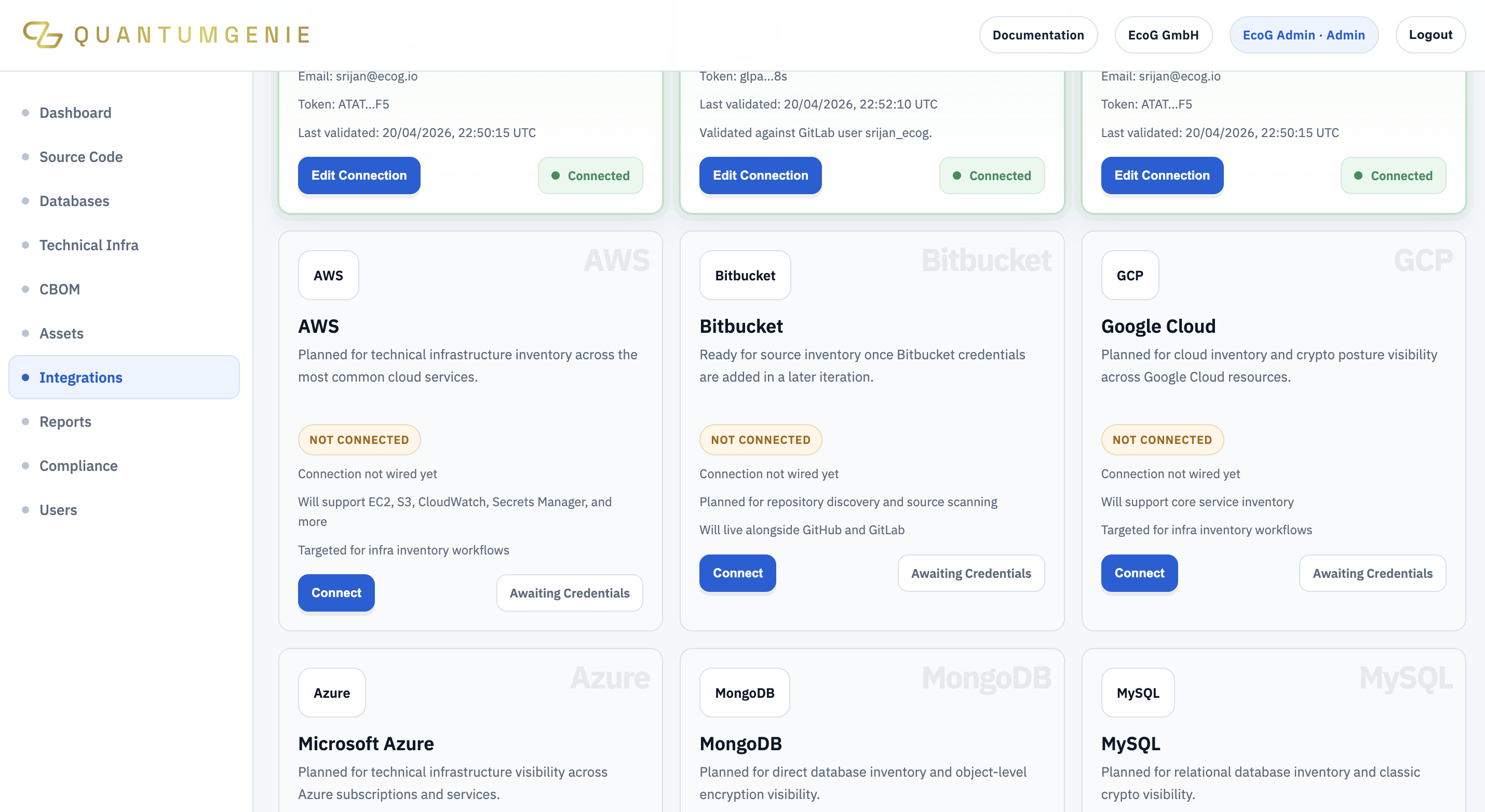
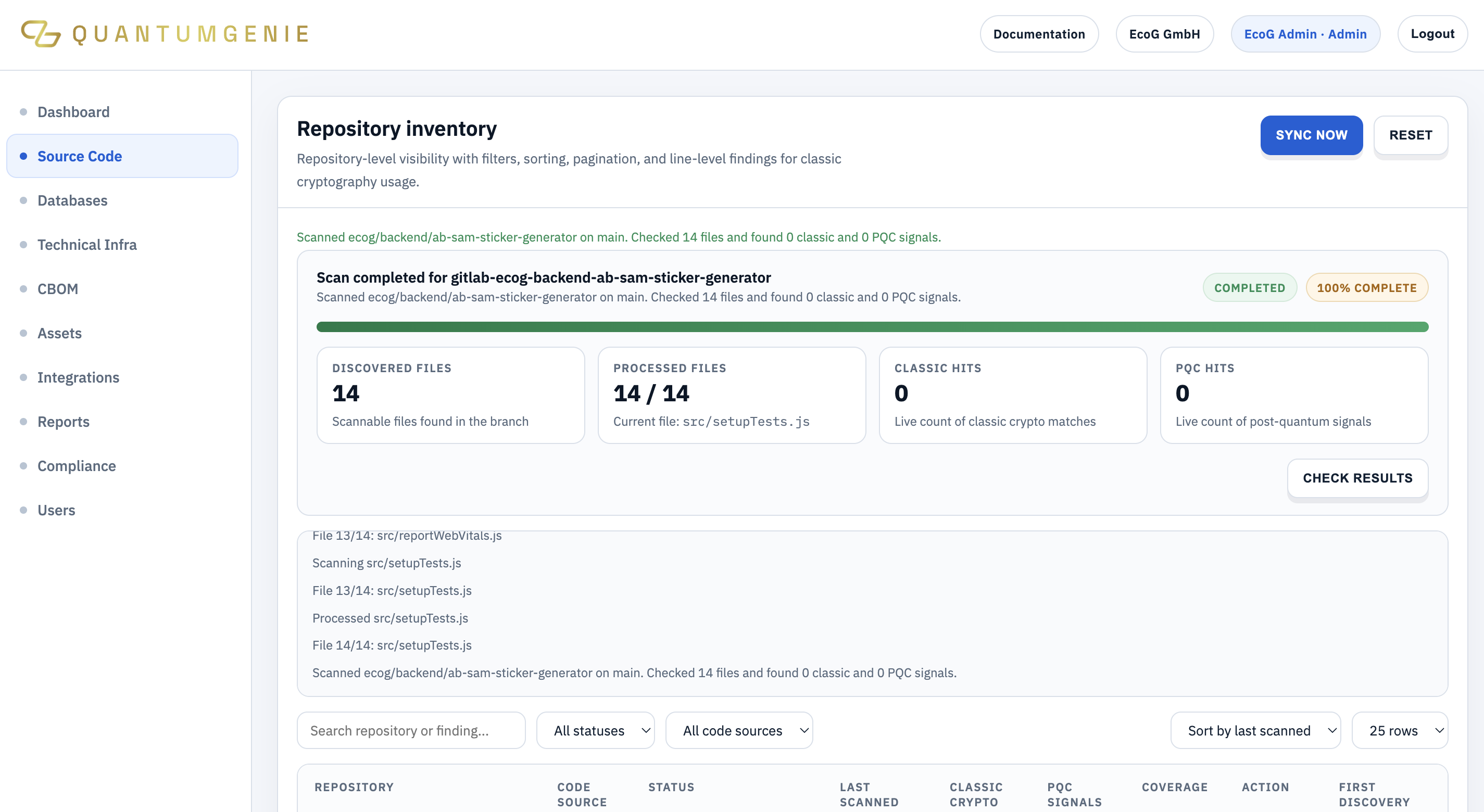
QuantumGenie’s platform resonates strongly with this phased migration approach by delivering comprehensive cryptographic asset discovery and CBOM creation through its CipherScan capability. It enables enterprises to visualize quantum exposure across complex environments and prioritize migration workloads based on risk. Furthermore, QuantumGenie’s CipherNova product supports controlled remediation workflows that align with phased migration steps, improving operational execution and governance. In the PQC migration landscape outlined by leading guides, QuantumGenie acts as the practical infrastructure that bridges strategic planning with actionable enterprise readiness.
Frequently Asked Questions
Why is building a cryptographic inventory crucial in PQC migration?
A cryptographic inventory identifies all cryptographic assets within an organization, enabling teams to understand exposure, prioritize migration efforts effectively, and ensure no vulnerable components are overlooked.
How does crypto-agility support long-term enterprise security?
Crypto-agility allows organizations to swiftly adapt cryptographic algorithms and protocols when vulnerabilities arise or standards evolve, ensuring enduring resistance against emerging threats including those posed by quantum computing.
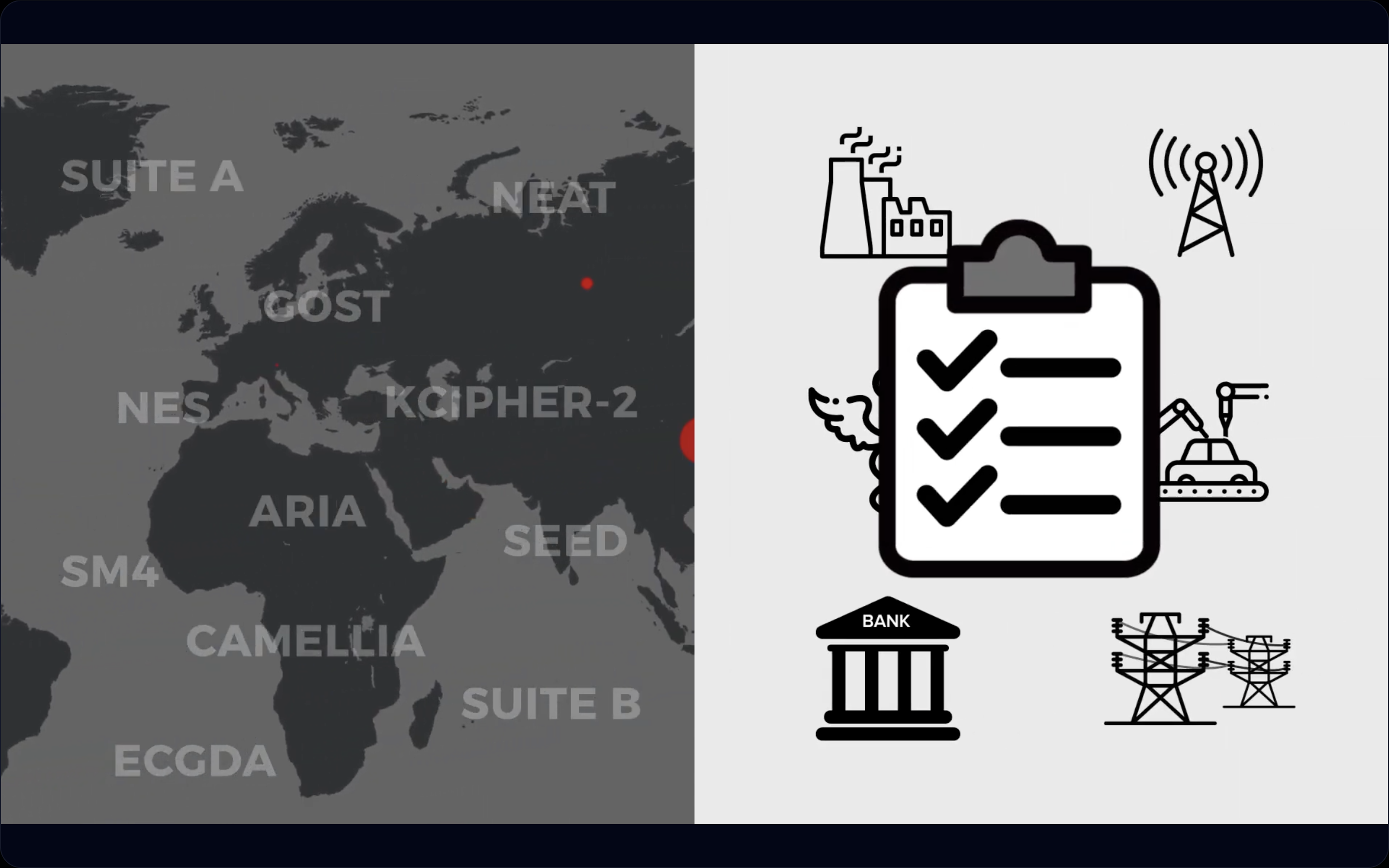
Watch The Quantum Threat
Sources And Further Reading
- PQC Migration Guide: 9 Phases to Quantum-Safe Encryption Consulting · Jun 29, 2026
- Crypto Agility — 7-Phase PQC Migration Framework & CBOM PQC Today · Jul 9, 2026
- Post-Quantum Readiness | ML-KEM & SLH-DSA Migration | FEDLIN FEDLIN · Jul 10, 2026