In This Article
What This Means
- The Imperative for a Structured PQC Migration Roadmap
- Breaking Down the Nine Phases of PQC Migration
- How QuantumGenie Enables Practical PQC Migration at Enterprise Scale
The Imperative for a Structured PQC Migration Roadmap
With quantum computing advancements moving faster than expected, organizations face increasing urgency to replace vulnerable classical cryptographic algorithms with quantum-resistant ones. The recently published PQC Migration Guide from Encryption Consulting presents a detailed nine-phase model designed to help enterprises transition effectively. This roadmap highlights the need for rigorous discovery, risk prioritization, testing, and phased deployment to minimize operational disruption while mitigating emerging threats. CISOs and enterprise architects must recognize that PQC migration is not a single event but a complex program requiring meticulous planning aligned with business realities.
Breaking Down the Nine Phases of PQC Migration
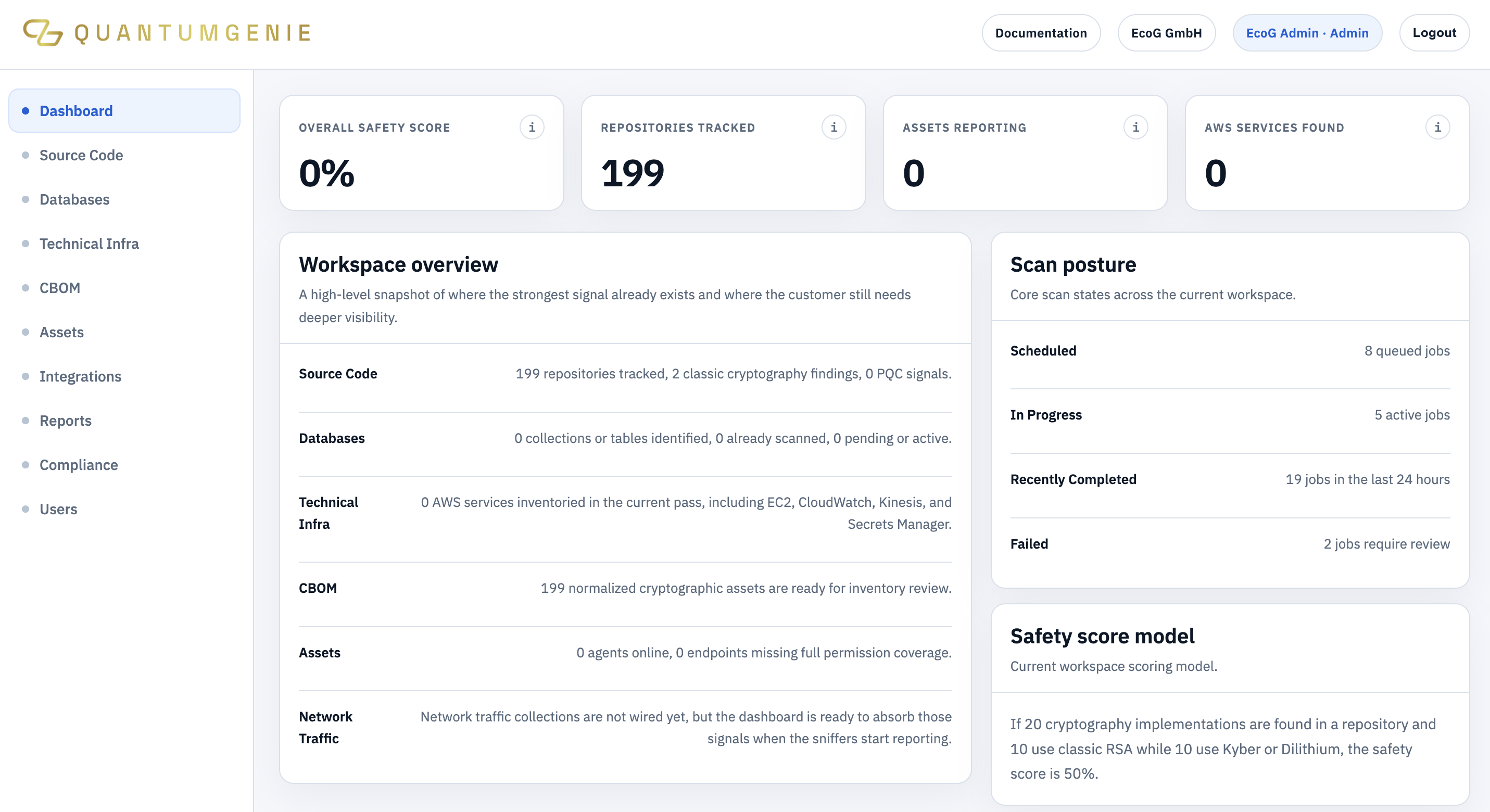
The guide’s nine phases begin with comprehensive cryptographic discovery to build an inventory, including all certificates, codebases, infrastructure components, applications, and integrations relying on vulnerable algorithms. From this foundation, teams assess risks and define a prioritized remediation roadmap. Subsequent phases focus on selecting quantum-safe algorithms, developing migration strategies, and staging pilot deployments for validation. Finally, enterprises iterate the rollout while continuously monitoring and documenting progress for compliance. This phased approach prevents rushed wholesale swaps and enables incremental validation, ensuring systems remain secure and functional throughout the migration journey.
Overview of the 9 PQC Migration Phases
| Phase | Focus Area | Key Activity |
|---|---|---|
| 1 | Cryptographic Discovery | Comprehensive inventory of crypto assets |
| 2 | Risk Assessment | Prioritization of vulnerable elements |
| 3 | Planning & Strategy | Define migration roadmap and timeline |
| 4 | Algorithm Selection | Choose quantum-resistant algorithms |
How QuantumGenie Enables Practical PQC Migration at Enterprise Scale
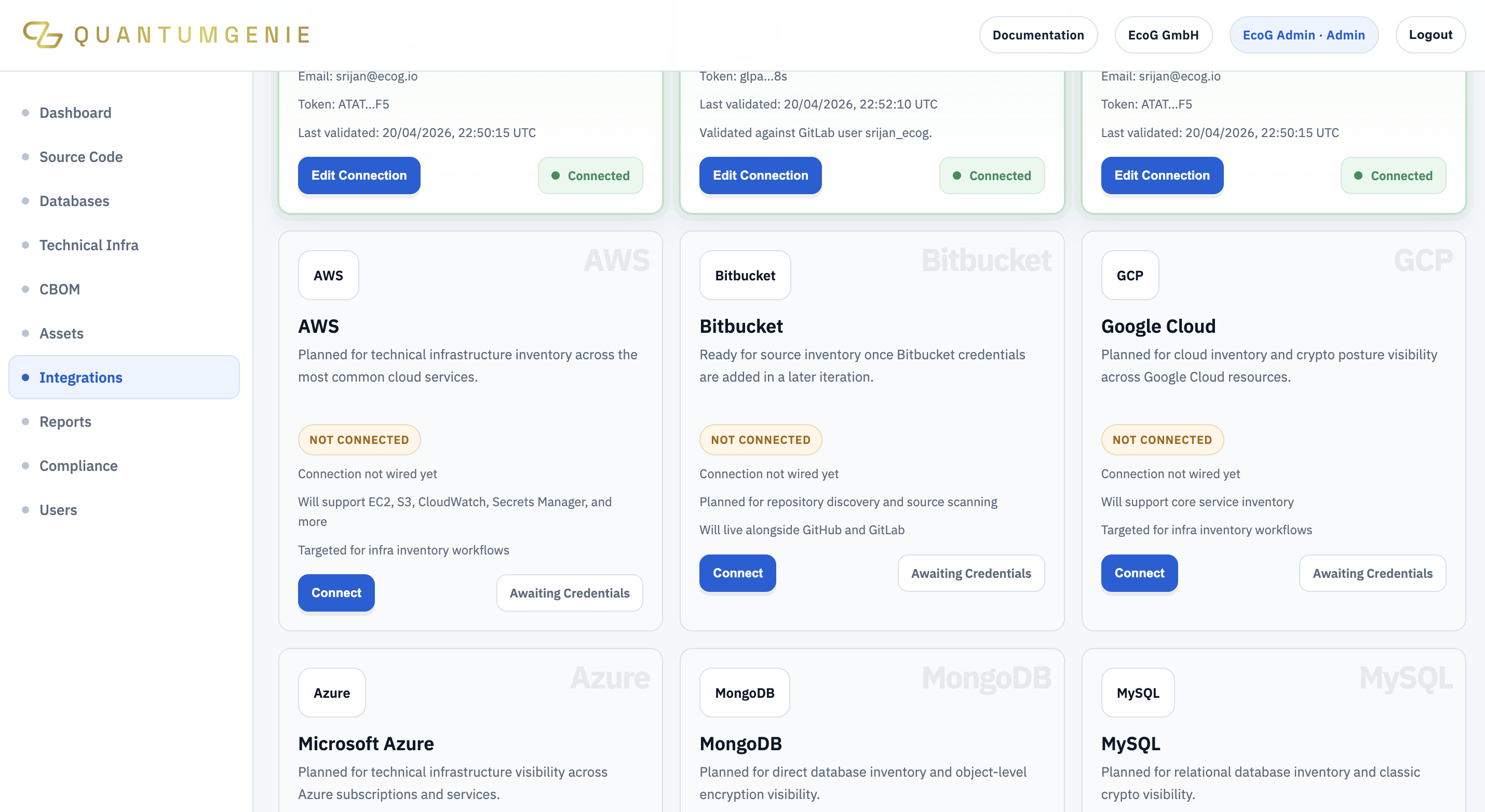
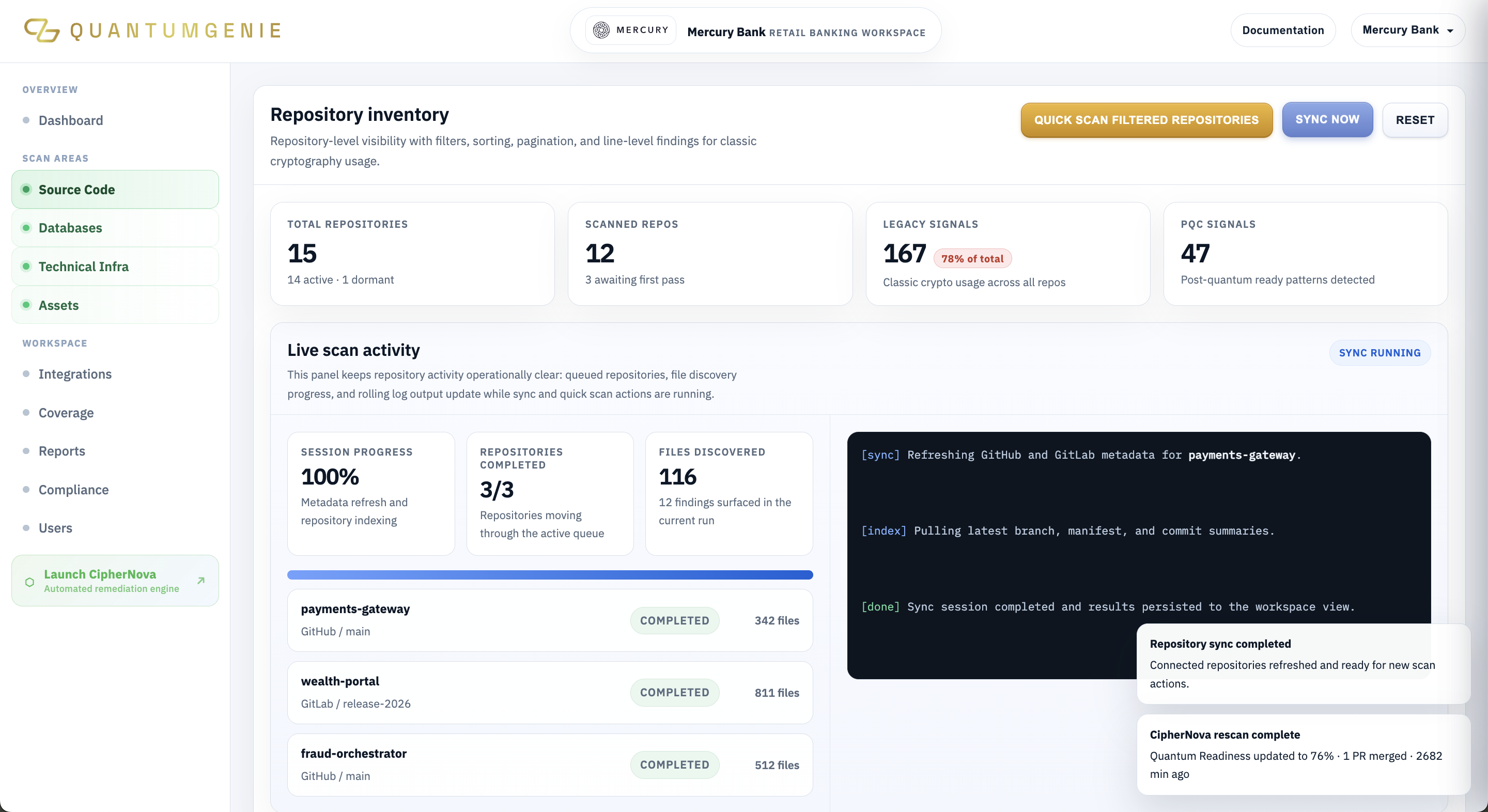
QuantumGenie directly addresses key challenges exposed by the PQC Migration Guide by providing an integrated discovery and orchestration platform. Our CipherScan layer automates cryptographic asset discovery and risk inventory across diverse enterprise environments, establishing the critical foundation for migration planning. Meanwhile, CipherNova facilitates staged rollout orchestration, supporting workflow-driven remediation, policy exception management, and verification required for phased implementation. By operationalizing prioritization and execution across these phases, QuantumGenie ensures enterprises maintain visibility and control, transforming migration complexity into manageable program steps. This synergy with best-practice migration frameworks makes QuantumGenie an indispensable tool for enterprises navigating the quantum-safe transition.
Frequently Asked Questions
Why is a phased migration approach recommended for PQC?
Phased migration allows enterprises to manage complex dependencies, validate changes incrementally, ensure system stability, and reduce operational risk, rather than attempting a disruptive, wholesale swap of cryptography.
How does cryptographic discovery impact PQC migration success?
Complete and accurate discovery of all cryptographic assets is foundational to identifying vulnerable points, assessing risk, planning remediation, and ultimately ensuring a thorough and secure PQC migration.
Watch The Quantum Threat
Sources And Further Reading
- PQC Migration Guide: 9 Phases to Quantum-Safe Encryption Consulting · Jun 29, 2026