In This Article
What This Means
- The most interesting part of this signal is not just the headline. It is the reminder that post-quantum readiness is turning into an operational program with budget, sequencing, and ownership questions that security teams have to answer now.
- Sample Signal points to a shift that matters for real teams: cryptography choices are no longer a background infrastructure detail when hardware, software, and policy timelines all start moving at once. That changes how security leaders think about ownership, because migration work suddenly touches procurement, infrastructure, software delivery, and compliance at the same time.
- That is exactly why roadmap announcements matter. They do not just summarize technical guidance; they give enterprises permission to move the conversation from research curiosity into execution planning. Once standards bodies, coalition groups, vendors, and major platform operators all start lining up around migration language, delay becomes harder to justify.
Why This Signal Matters
The most interesting part of this signal is not just the headline. It is the reminder that post-quantum readiness is turning into an operational program with budget, sequencing, and ownership questions that security teams have to answer now.
Sample Signal points to a shift that matters for real teams: cryptography choices are no longer a background infrastructure detail when hardware, software, and policy timelines all start moving at once. That changes how security leaders think about ownership, because migration work suddenly touches procurement, infrastructure, software delivery, and compliance at the same time.
What Changed In The Market
That is exactly why roadmap announcements matter. They do not just summarize technical guidance; they give enterprises permission to move the conversation from research curiosity into execution planning. Once standards bodies, coalition groups, vendors, and major platform operators all start lining up around migration language, delay becomes harder to justify.
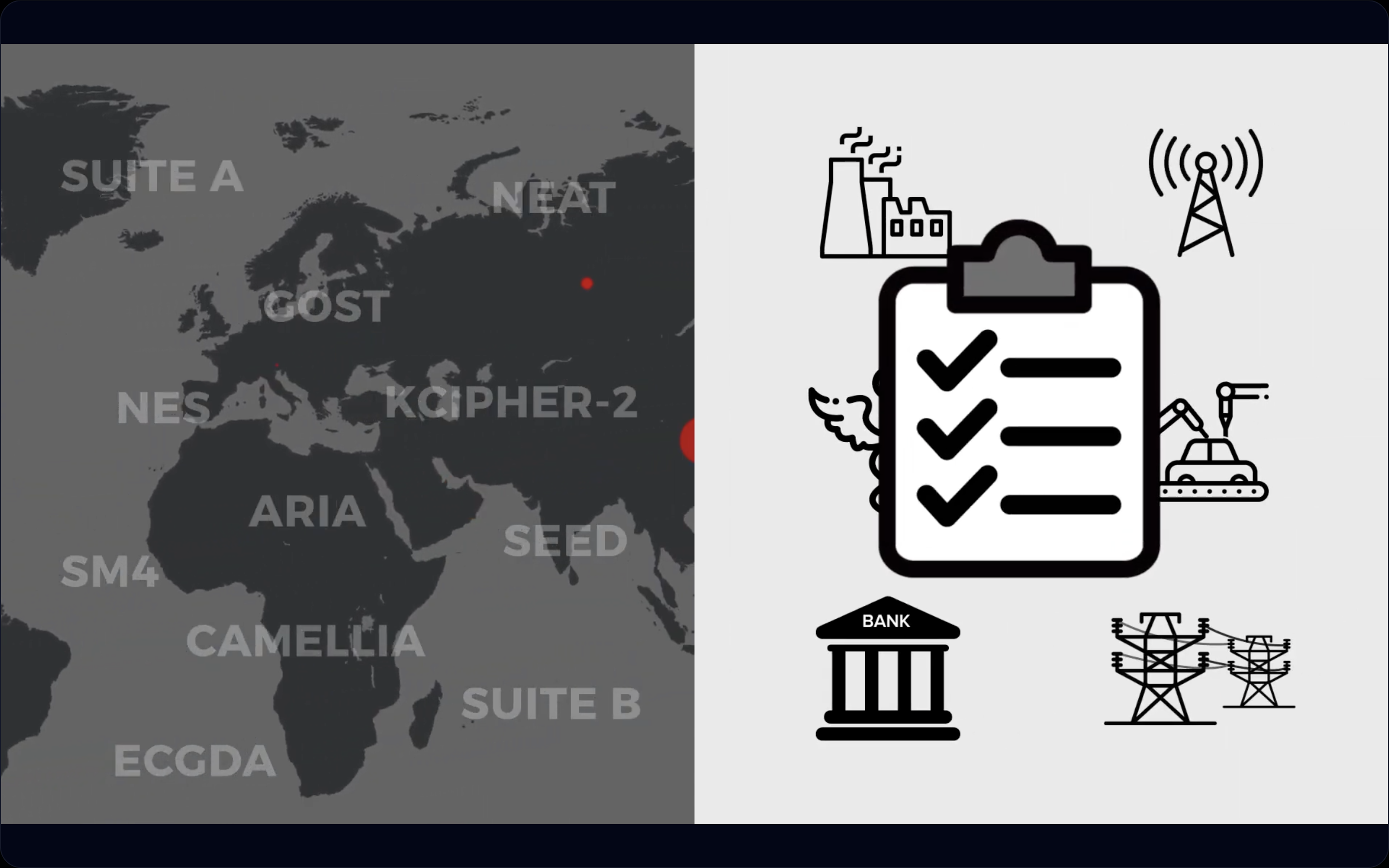
Legacy crypto still shows up in production like a rusting fire door that everyone assumes will hold during the next emergency. It might look fine in peacetime, but it becomes a liability once pressure hits. That is why agentic PQC work has to start with discovery, prioritization, and pragmatic migration planning instead of vague awareness.
PQC Readiness Snapshot
| Area | Signal Today | Next Step |
|---|---|---|
| Discovery | More signals are becoming visible in public and vendor channels | Inventory exposed crypto across sites, code, and certificates |
| Prioritization | Not every asset carries the same migration urgency | Rank by business criticality and quantum exposure |
| Execution | Roadmaps only matter when teams own them | Assign timelines, owners, and a recurring review loop |
What Teams Should Do Now
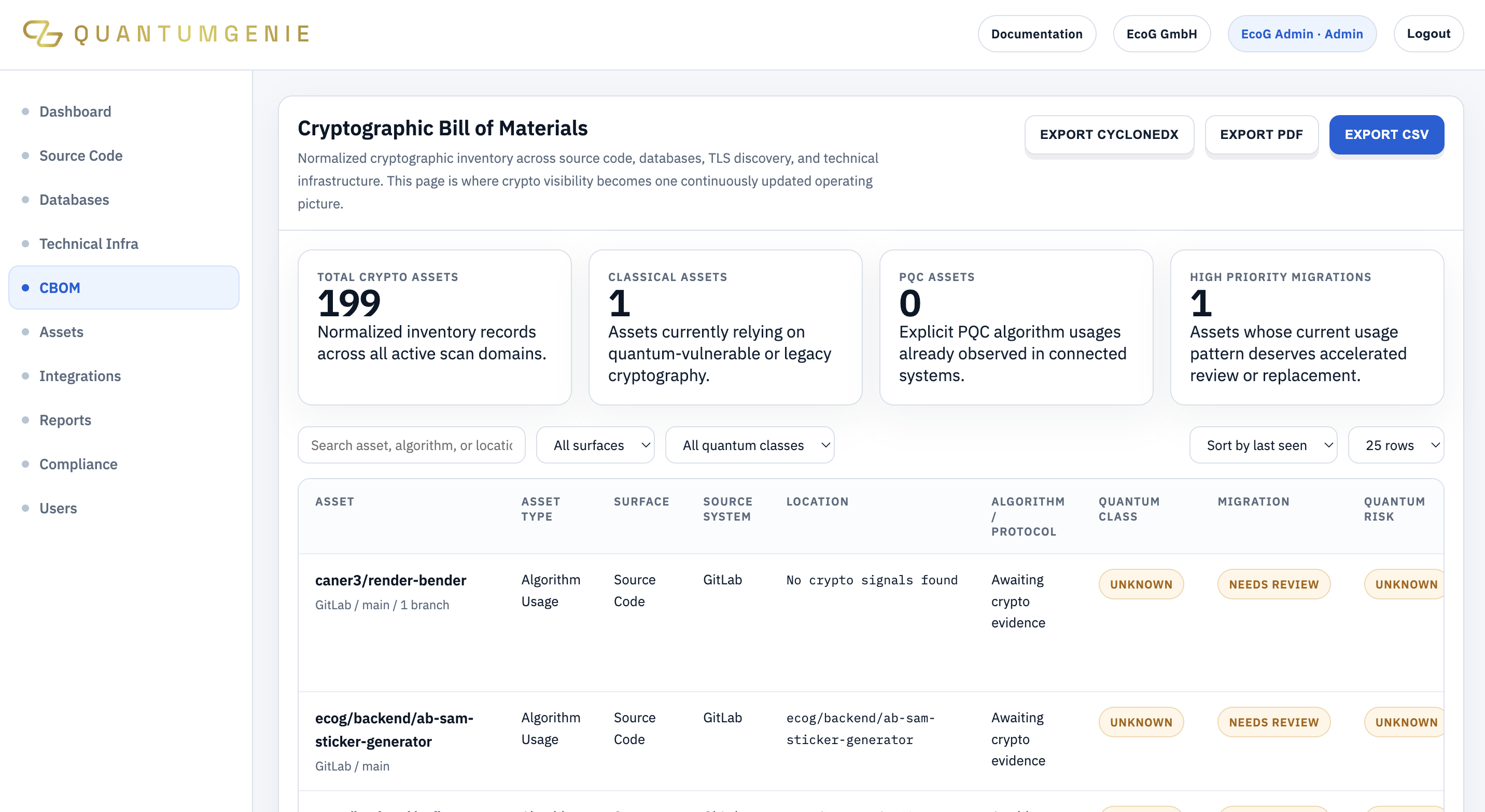
In practical terms, teams need to know where classical cryptography is buried today: certificates, TLS endpoints, application code, data protection workflows, HSM dependencies, and third-party integrations. Without that inventory, even a well-written migration roadmap remains just a presentation deck rather than an executable program.
How Leaders Should Respond
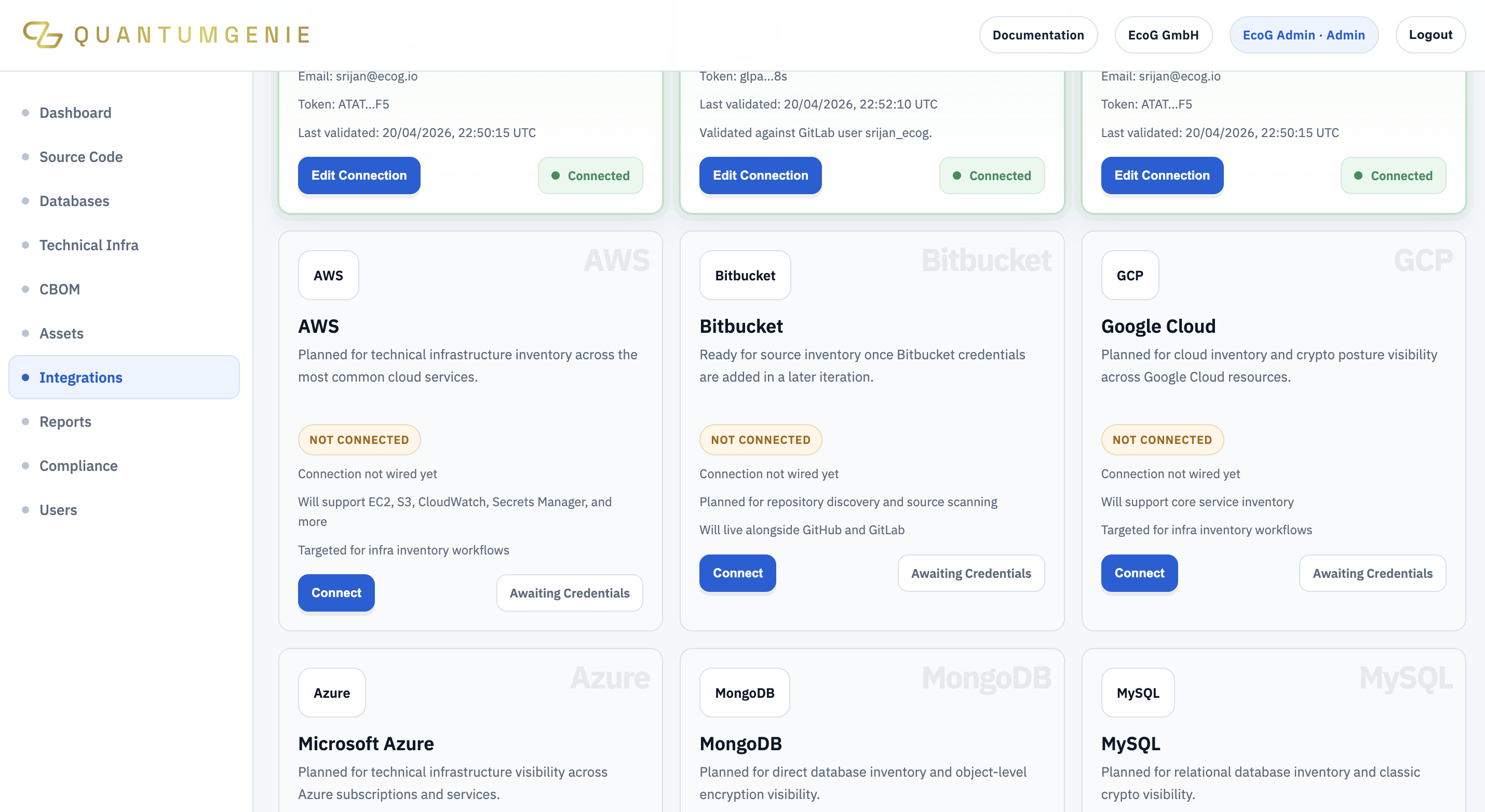
For QuantumGenie, the takeaway is straightforward: organizations need a repeatable way to find exposure across websites, code, certificates, and cloud systems before the cleanup becomes a panic project. The winners in this transition will not be the teams with the loudest quantum messaging, but the ones with the clearest visibility and the fastest prioritization loop.
Frequently Asked Questions
Why does this signal matter for enterprise teams?
Sample Signal reinforces that post-quantum readiness is no longer just a research topic. It is becoming a real operating concern that needs visibility, sequencing, and ownership.
What should teams do first?
Start with discovery. Teams need a reliable inventory of where classical cryptography still appears across websites, certificates, applications, and infrastructure.
Why is waiting risky?
Because the longer teams wait, the more dependencies and migration complexity build up. Early visibility makes later execution calmer and far more practical.
Watch The Quantum Threat
Sources And Further Reading
- Post-quantum migration is moving from lab theory into board-level execution Sample Signal · Apr 21, 2026
- Governments are pushing migration planning closer to production timelines Sample Reference · Apr 20, 2026
- Hardware-backed PQC planning is gaining urgency Sample Reference · Apr 19, 2026