In This Article
What This Means
- The Imminent Deadline for Post-Quantum Migration
- Navigating Standards and Migration Complexities
- How QuantumGenie Addresses the PQC Imperative
The Imminent Deadline for Post-Quantum Migration
The National Institute of Standards and Technology (NIST) has finalized the first official post-quantum cryptography (PQC) standards signaling a new era in encryption. These algorithms are designed to resist the power of quantum computers which threaten to break much of today’s widely deployed cryptography. According to recent coverage in Security Today, the urgency for enterprises to transition to PQC is now undeniable as NIST’s roadmap sets a 2030 horizon when vulnerable algorithms should be retired.
For organizations protecting sensitive data, the so-called 'harvest now, decrypt later' threat — where encrypted information collected today may be decrypted by future quantum computers — adds another layer of risk. Delays in migration planning could lead to exposure of critical data assets once large-scale quantum computing becomes a reality. Enterprises must act now, not only to protect future data but also to maintain trust and compliance with upcoming regulatory expectations.
Navigating Standards and Migration Complexities
While NIST’s publication of standardized PQC algorithms like ML-KEM and ML-DSA is a milestone, the path to full migration is complex. Enterprises need visibility into where and how cryptography is embedded across diverse assets including websites, certificates, source code, applications, and infrastructure.
Building a comprehensive cryptographic inventory is the foundational step for successful PQC readiness. Without this inventory, identifying and prioritizing cryptographic exposure is guesswork. Moreover, migration isn't a one-time event; it requires ongoing crypto-agility to adapt to evolving standards and operational realities. Enterprises must plan remediation strategies that align with compliance deadlines while minimizing business disruption.
Key Post-Quantum Cryptography Migration Considerations
| Consideration | Enterprise Challenge | QuantumGenie Capability |
|---|---|---|
| Comprehensive Crypto Inventory | Visibility gaps across IT assets | Discovery of cryptographic use across websites, code, certificates, and infrastructure |
| Prioritization of Migration Risk | Determining which cryptographic elements pose highest quantum risk | Risk-based prioritization informed by inventory data |
| Crypto-Agility and Compliance | Adapting to evolving standards while meeting deadlines | Workflows to plan and operationalize remediation at scale |
How QuantumGenie Addresses the PQC Imperative
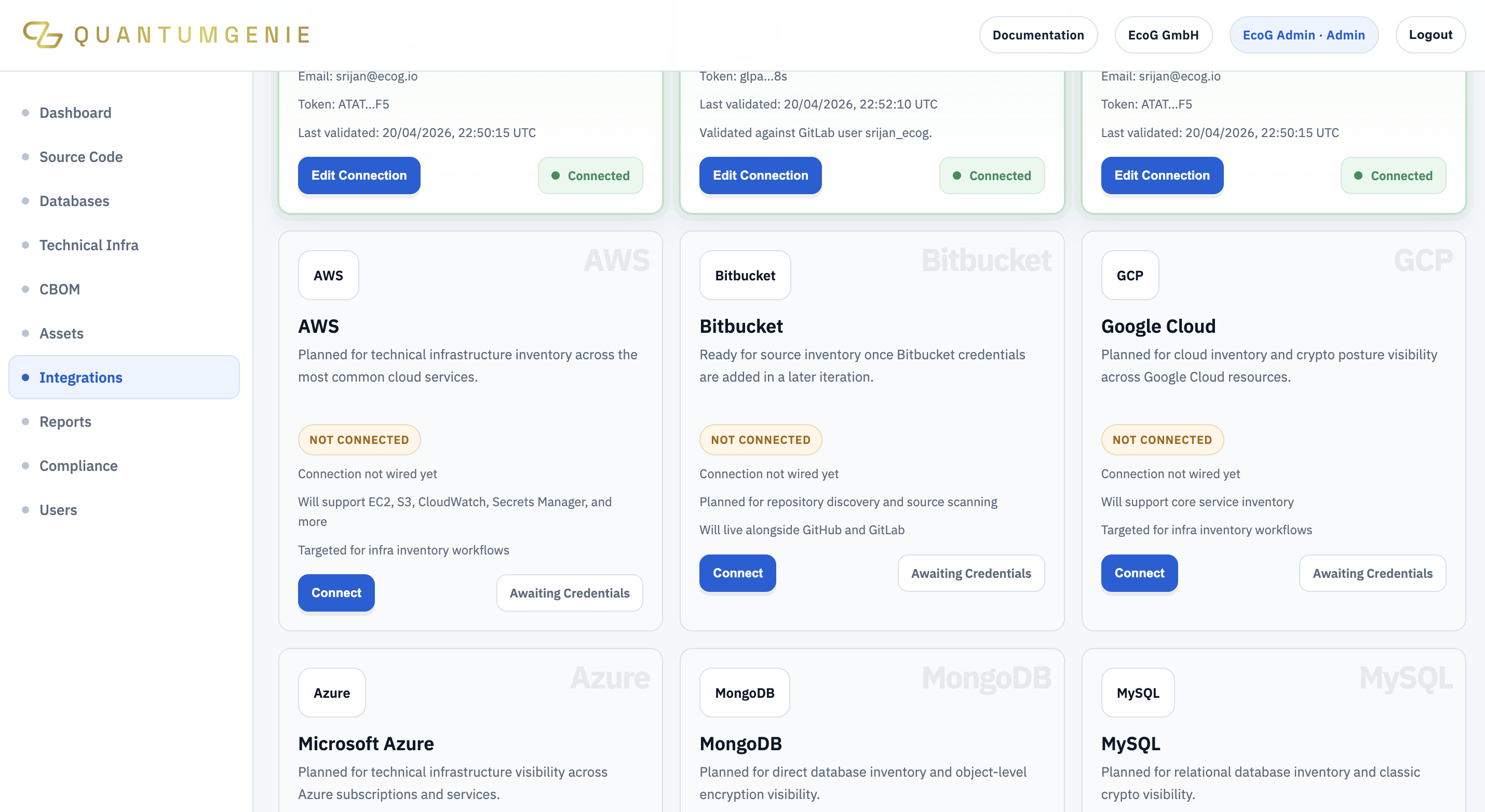
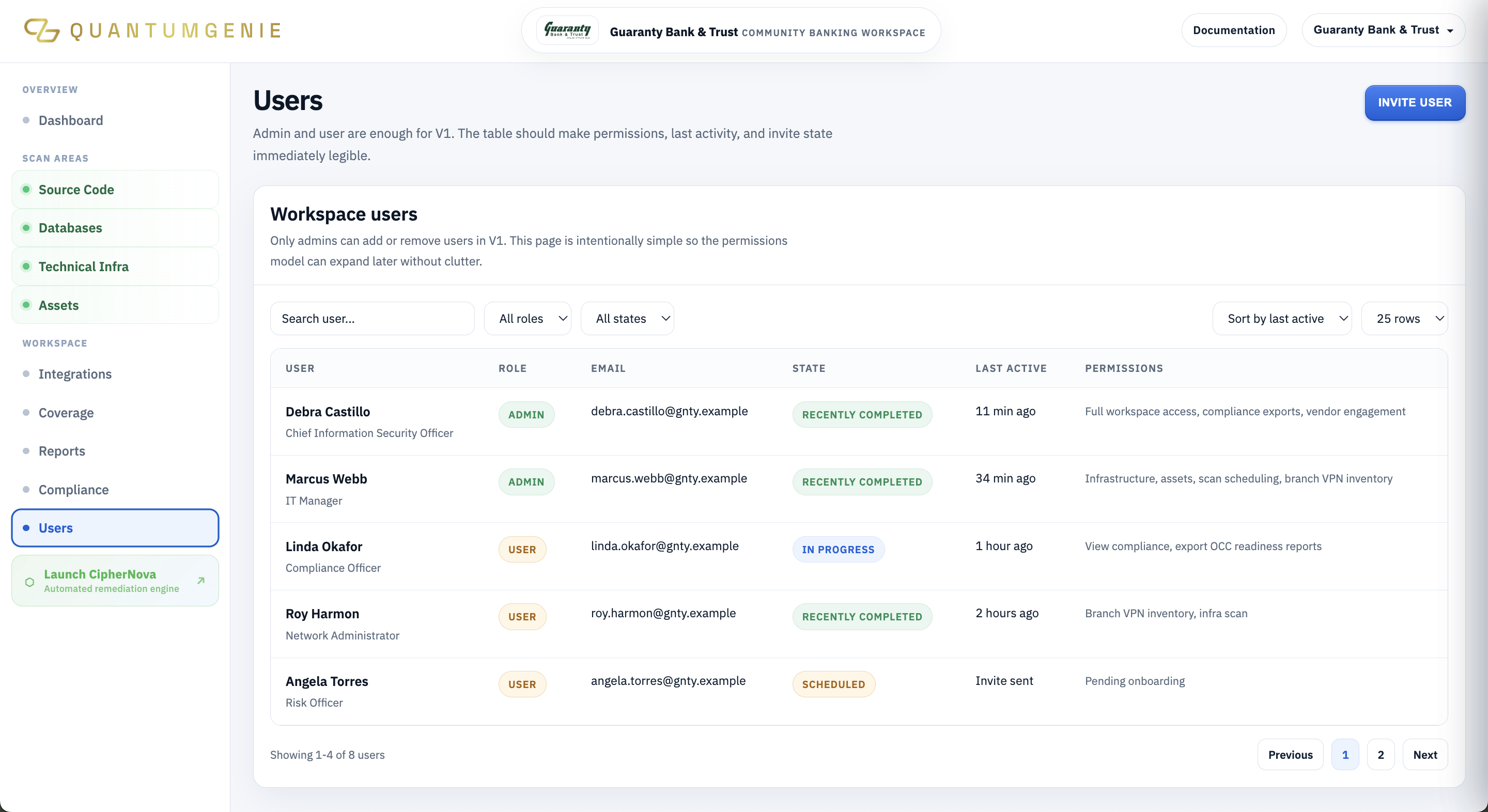
QuantumGenie directly tackles these enterprise challenges by providing a platform to discover cryptographic uses comprehensively (via CipherScan), build a detailed cryptographic bill of materials (CBOM), and prioritize migration efforts systematically. This informed approach enables security and IT teams to plan and execute remediation workflows efficiently, ensuring organizations are prepared well ahead of the 2030 deadline.
By integrating operational discovery with prioritization and remediation orchestration (CipherNova), QuantumGenie supports compliance readiness and governance. In a market where timely post-quantum migration is no longer optional, QuantumGenie offers practical infrastructure to help enterprises reduce risk exposure, coordinate migration timelines, and achieve crypto-agility with visibility and control.
Frequently Asked Questions
Why is 2030 considered a critical deadline for PQC migration?
NIST and other standards bodies estimate that by 2030, quantum computers could realistically decrypt many classical encryption algorithms currently in use. This deadline pushes enterprises to complete migration to quantum-resistant algorithms before their sensitive data becomes vulnerable.
How does discovering all cryptographic assets help in PQC readiness?
Without a full inventory of cryptographic use across an organization’s digital estate, it's impossible to assess which areas need migration and how urgent they are. Discovery enables accurate risk assessments, prioritization, and effective migration planning.
Watch The Quantum Threat
Sources And Further Reading
- Post-Quantum Cryptography: Why Enterprises Must Transition Their Encryption Now Security Today · Apr 5, 2026
- The First Post-Quantum Cryptography Standards Are Here TechCrunch · Aug 13, 2024