In This Article
What This Means
- The Quantum Countdown: Why Enterprises Cannot Wait
- Regulatory and Security Pressures Amplify Migration Demands
- L’intégration de QuantumGenie dans la transition post-quantique
The Quantum Countdown: Why Enterprises Cannot Wait
The finalization of NIST's post-quantum cryptography (PQC) standards coupled with the BSI's strong recommendations to transition encryption schemes by 2030 marks a pivotal shift in enterprise cybersecurity. Security Today emphasizes that organizations must start migrating now to avoid looming risks associated with outdated cryptography vulnerable to quantum attacks. The messaging is clear: approach this as a strategic transformation rather than a distant technical upgrade.
Early action is crucial because the migration to quantum-resistant algorithms involves a complex overhaul of existing cryptographic infrastructure. Enterprises often face a fragmented landscape, from legacy certificates and source code to databases and integrated applications. This breadth complicates visibility and prioritization, increasing exposure during the transition period if not managed meticulously. The urgency reflects a wider recognition that quantum adversaries might harvest encrypted data today to decrypt it later when quantum computers mature.
Regulatory and Security Pressures Amplify Migration Demands
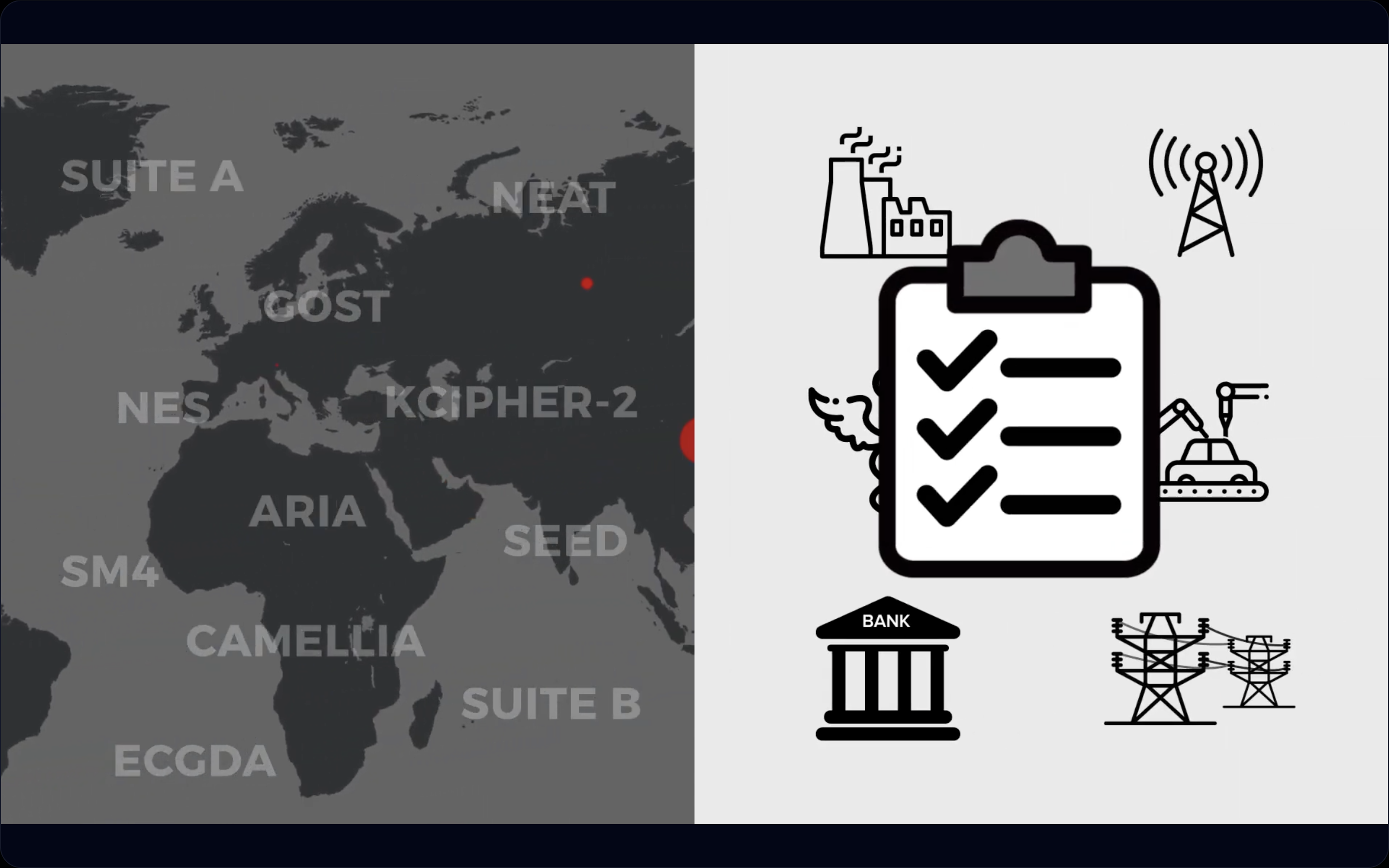
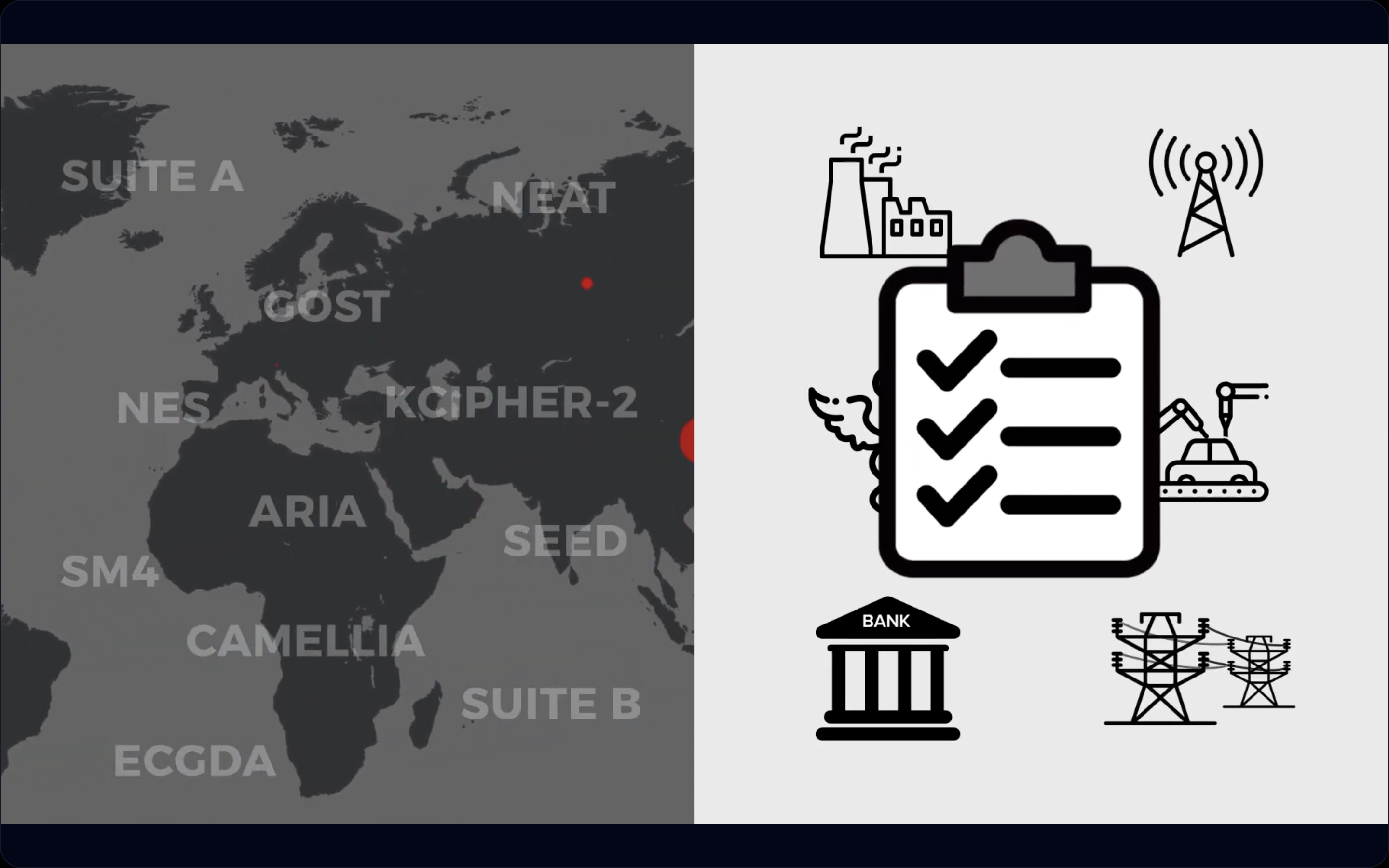
Beyond technical challenges, regulatory mandates and compliance frameworks are converging to make PQC migration a board-level priority. The NSA’s deadlines for national security systems and BSI’s recommendations underscore that quantum-safe cryptography is no longer optional but expected. Security Today’s coverage suggests that enterprises ignoring these shifts risk not only future breaches but also penalties and failed audits.
The financial scale of this migration—estimated at $15 billion according to PR Newswire—signals a transformative wave spanning industries. Organizations must blend strategic planning with tactical execution, incorporating cryptographic inventory, risk prioritization, and phased rollouts. Securing the post-quantum era requires a holistic approach bridging governance, technical discovery, and agile remediation workflows to meet both security and compliance imperatives.
Timeline and Enterprise Considerations for PQC Migration
| Milestone | Recommended Enterprise Action | Implication |
|---|---|---|
| NIST Finalizes PQC Standards (2026) | Begin mapping cryptographic assets and prioritize migration plans | Foundation for compliance and migration roadmaps |
| BSI Recommends Migration by 2030 | Initiate phased implementation of quantum-safe algorithms | Meet regulatory expectations and reduce quantum exposure |
| NSA Deadlines for National Security Systems | Immediate compliance for government contractors | Avoid penalties and secure sensitive data |
| Emerging Enterprise Cryptographic Inventories | Deploy discovery tools and maintain CBOM | Operational visibility and risk mitigation |
L’intégration de QuantumGenie dans la transition post-quantique
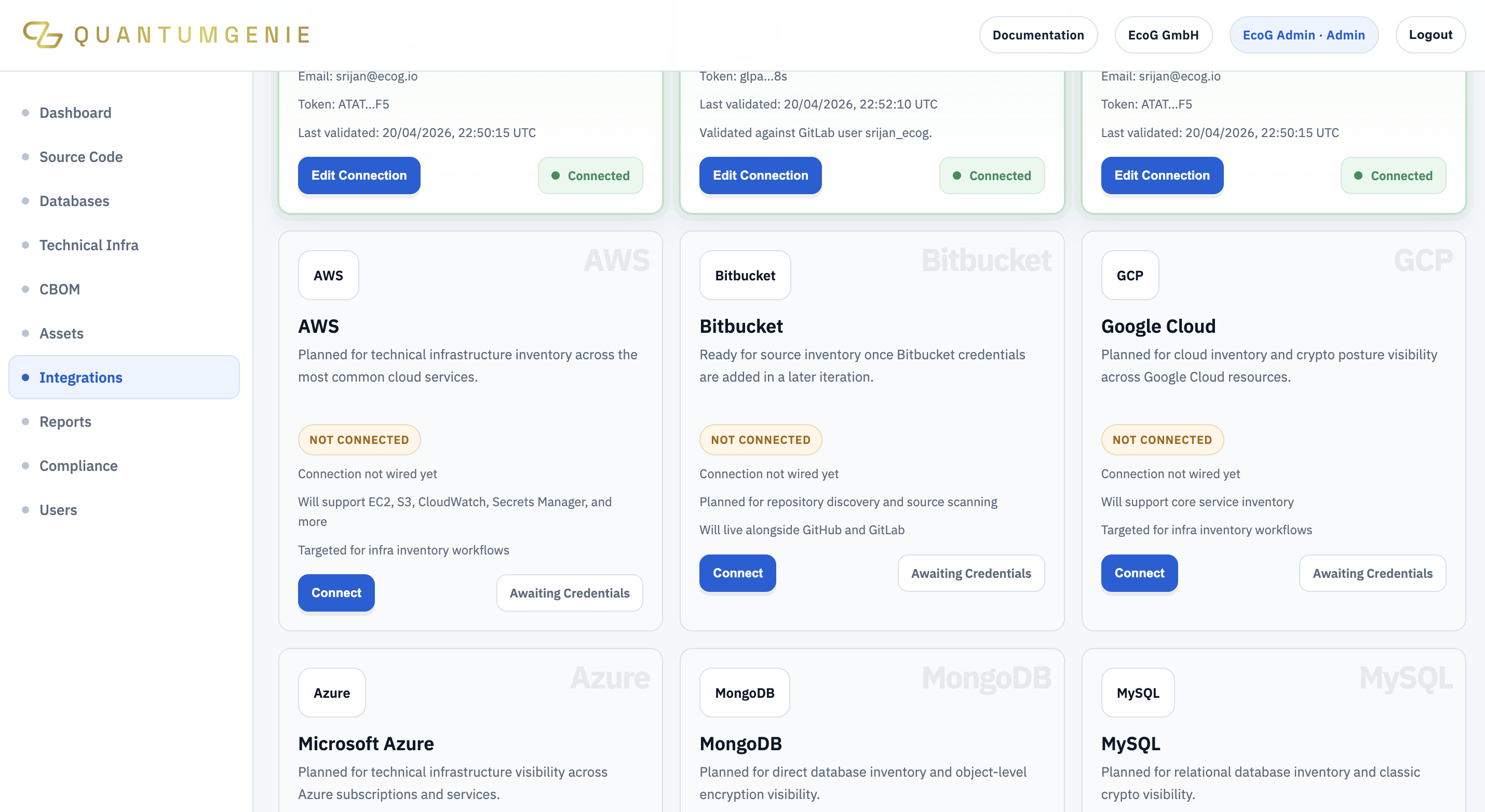
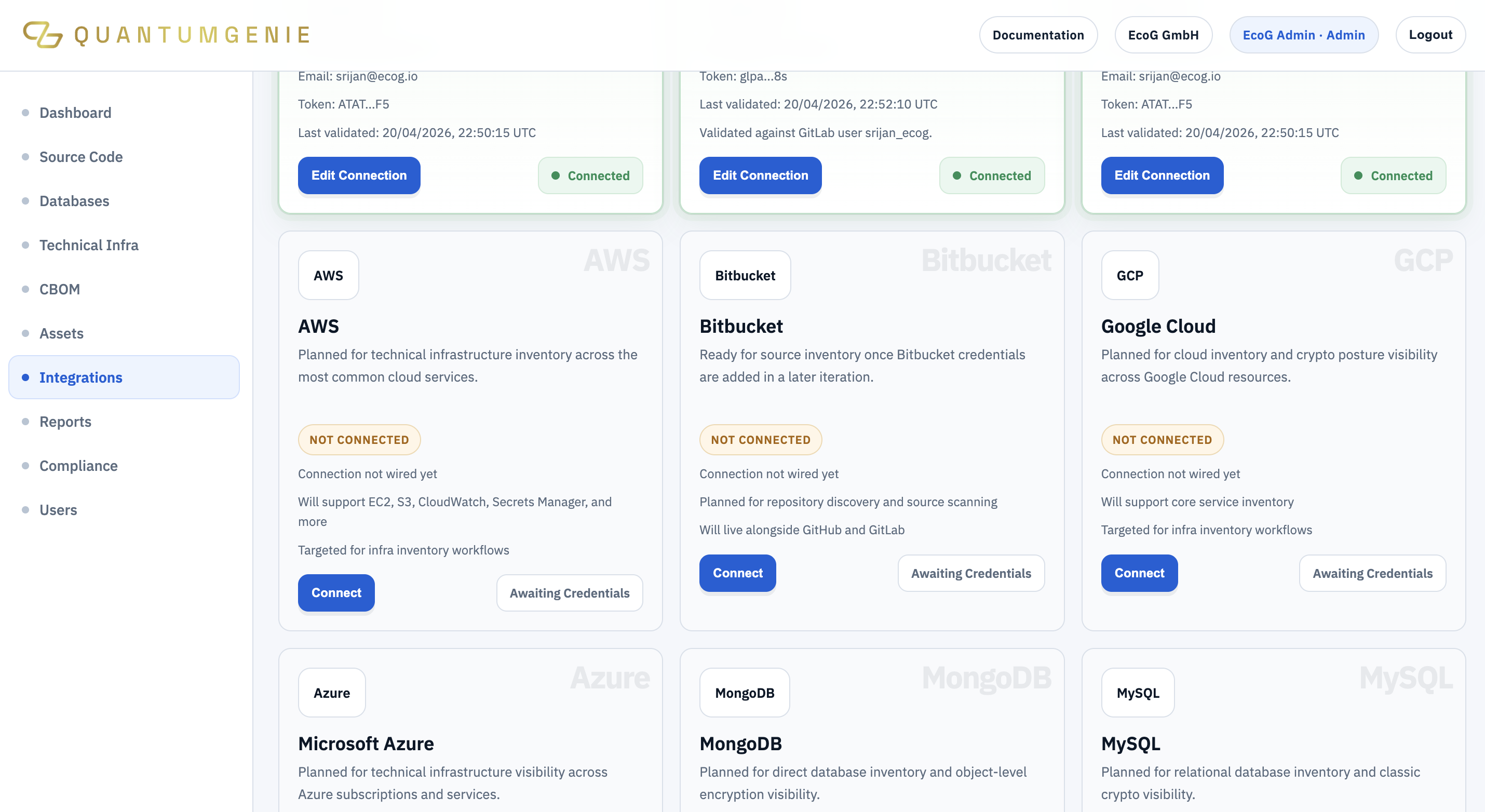
QuantumGenie joue un rôle clé dans ce contexte en offrant une visibilité complète sur les actifs cryptographiques dispersés à travers les infrastructures, les applications et les certificats. Grâce à CipherScan, les équipes peuvent rapidement construire un inventaire détaillé (CBOM) et identifier les points critiques susceptibles d’exposer l’entreprise aux menaces quantiques.
Ensuite, CipherNova permet d’orchestrer efficacement les plans de remédiation, y compris la gestion des pull requests, les exceptions de politique, et les contrôles de workflow, assurant ainsi une migration agile et sécurisée. En combinant découverte, planification et exécution, QuantumGenie répond directement aux besoins urgents des entreprises face aux exigences réglementaires et à la nécessité opérationnelle de réduire les risques liés à la cryptographie obsolète.
Frequently Asked Questions
Why must enterprises start post-quantum cryptography migration now rather than later?
Starting early allows enterprises to map and inventory all cryptographic assets, prioritize high-risk areas, and manage a complex migration process methodically to avoid security gaps and comply with upcoming regulations.
How does regulatory pressure influence PQC migration strategies?
Regulations like NSA deadlines and BSI recommendations mandate adoption of quantum-safe algorithms by certain dates, pushing enterprises to implement structured migration plans to avoid compliance failures and security vulnerabilities.