In This Article
What This Means
- Understanding the Urgency of Post-Quantum Migration
- Key Practices for a Successful Migration
- How QuantumGenie Fits into the Post-Quantum Migration Framework
Understanding the Urgency of Post-Quantum Migration
The advancing threat posed by quantum computers to current cryptographic systems has elevated post-quantum cryptography (PQC) from theoretical concern to an urgent business reality. Organizations face the 'Harvest Now, Decrypt Later' challenge, where encrypted communications today could be recorded and decrypted in the future once quantum computers mature. The Encryption Consulting 9-phase Guide lays out a pragmatic roadmap to navigate this complex migration, emphasizing the need for crypto-agility and a comprehensive understanding of an enterprise’s existing cryptographic landscape.
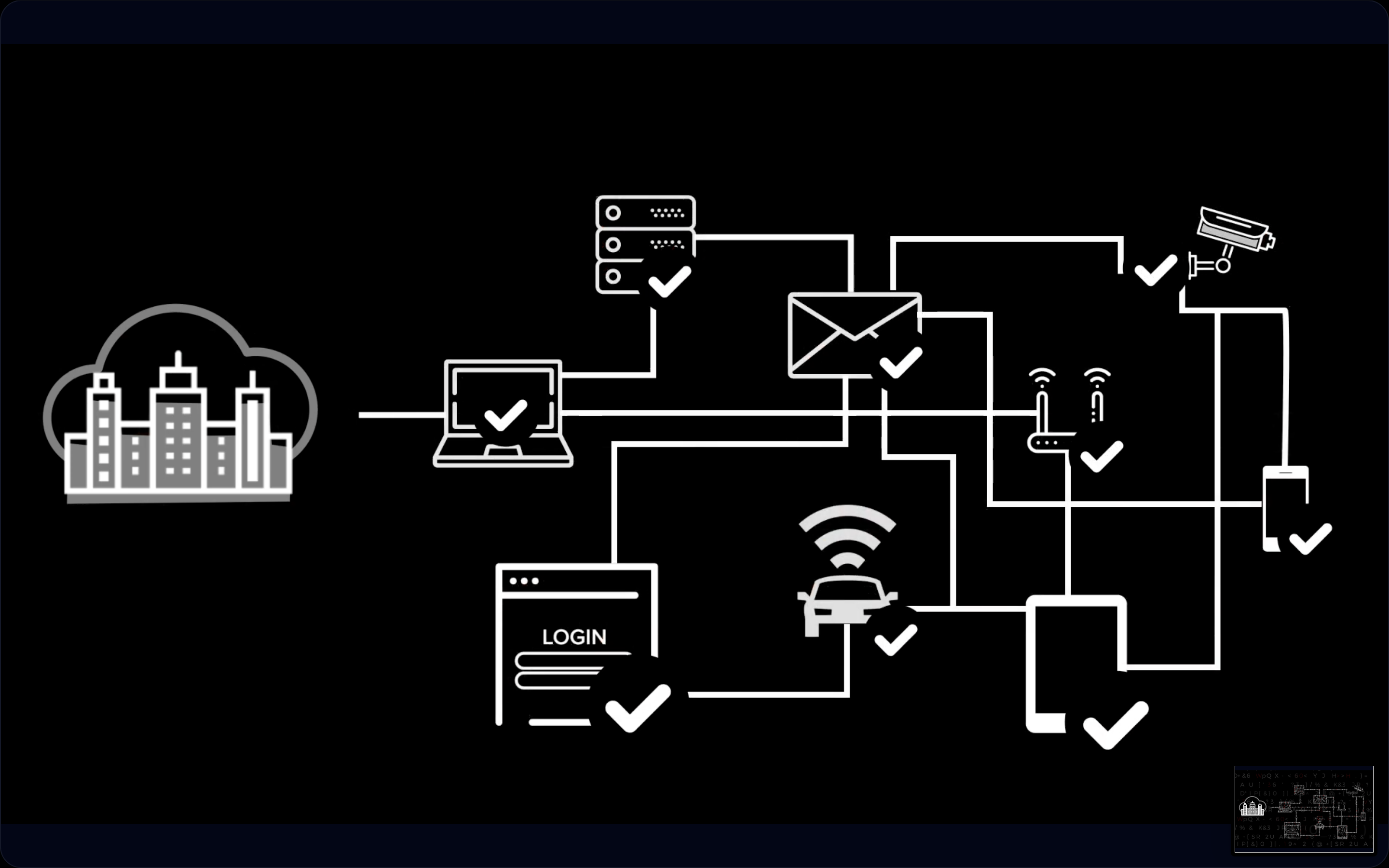
Starting with cryptographic discovery and inventory, enterprises are advised to methodically identify all cryptographic assets, ranging from SSL/TLS certificates to embedded cryptographic code, a practice critical to creating a cryptographic bill of materials (CBOM). This foundational step underpins subsequent phases covering risk assessment, pilot implementation of hybrid algorithms, phased rollout, compliance verification, and continuous monitoring. The phased approach balances security with operational continuity, making migration manageable rather than overwhelming.
Key Practices for a Successful Migration
The guide's stepwise process strongly advocates phased rollout with continuous feedback loops, integrating hybrid post-quantum algorithms initially alongside classical algorithms to maintain interoperability and security during transition. This hybrid model aligns with emerging standards and reduces business disruption risks. Additionally, rigorous risk prioritization based on cryptographic asset criticality is recommended to target remediation efforts effectively.
Supporting stories highlight that readiness also requires adopting new quantum-resistant algorithms compliant with evolving standards such as FIPS 203/205, and understanding the broader security implications like zero trust integration and middleware adaptation. Together, these insights stress that migration spans technical, organizational, and compliance dimensions, requiring coordinated governance and tooling support beyond basic cryptographic replacement.
PQC Readiness Snapshot
| Area | Signal Today | Next Step |
|---|---|---|
| Discovery | More signals are becoming visible in public and vendor channels | Inventory exposed crypto across sites, code, and certificates |
| Prioritization | Not every asset carries the same migration urgency | Rank by business criticality and quantum exposure |
| Execution | Roadmaps only matter when teams own them | Assign timelines, owners, and a recurring review loop |
How QuantumGenie Fits into the Post-Quantum Migration Framework
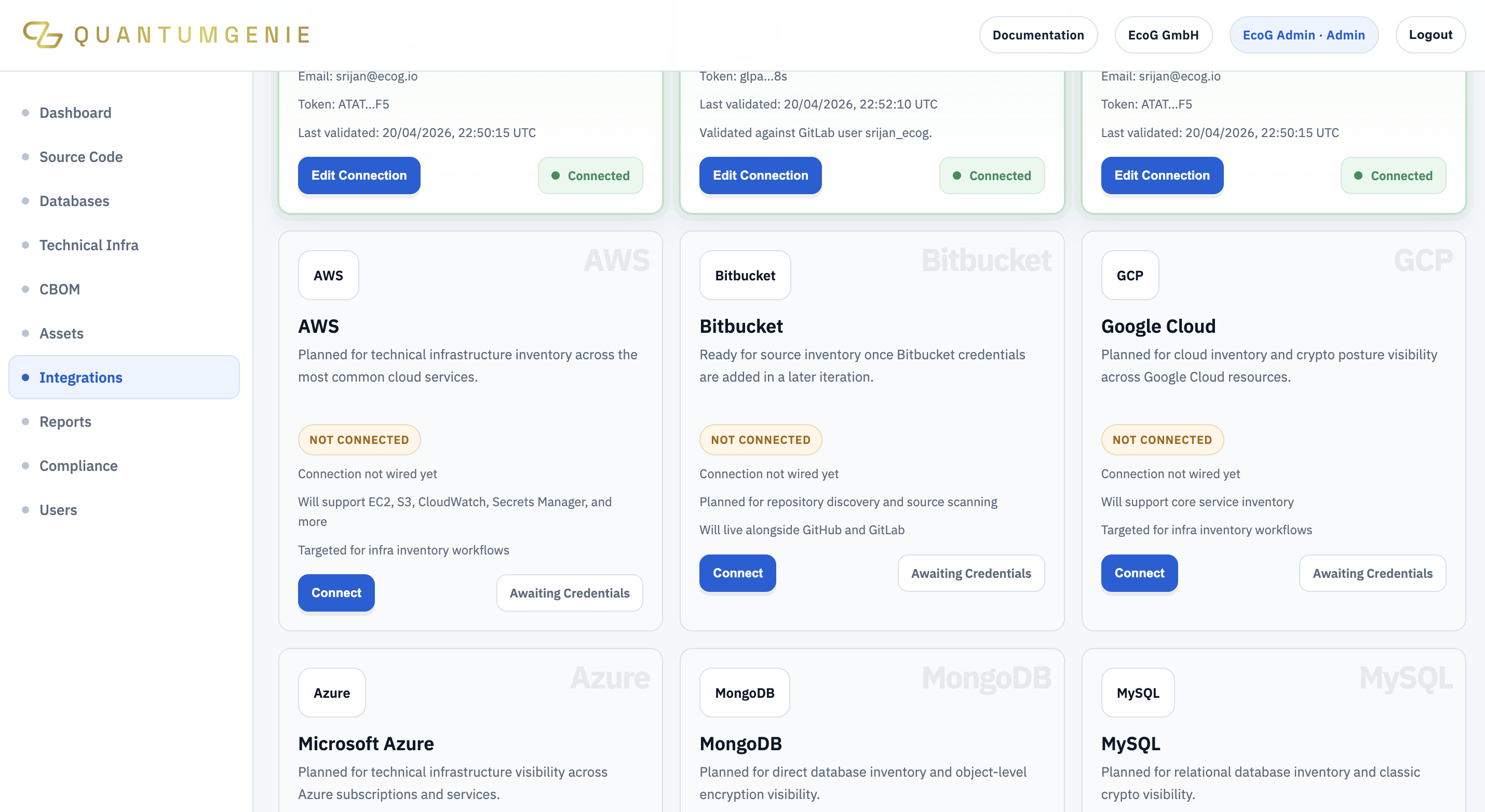
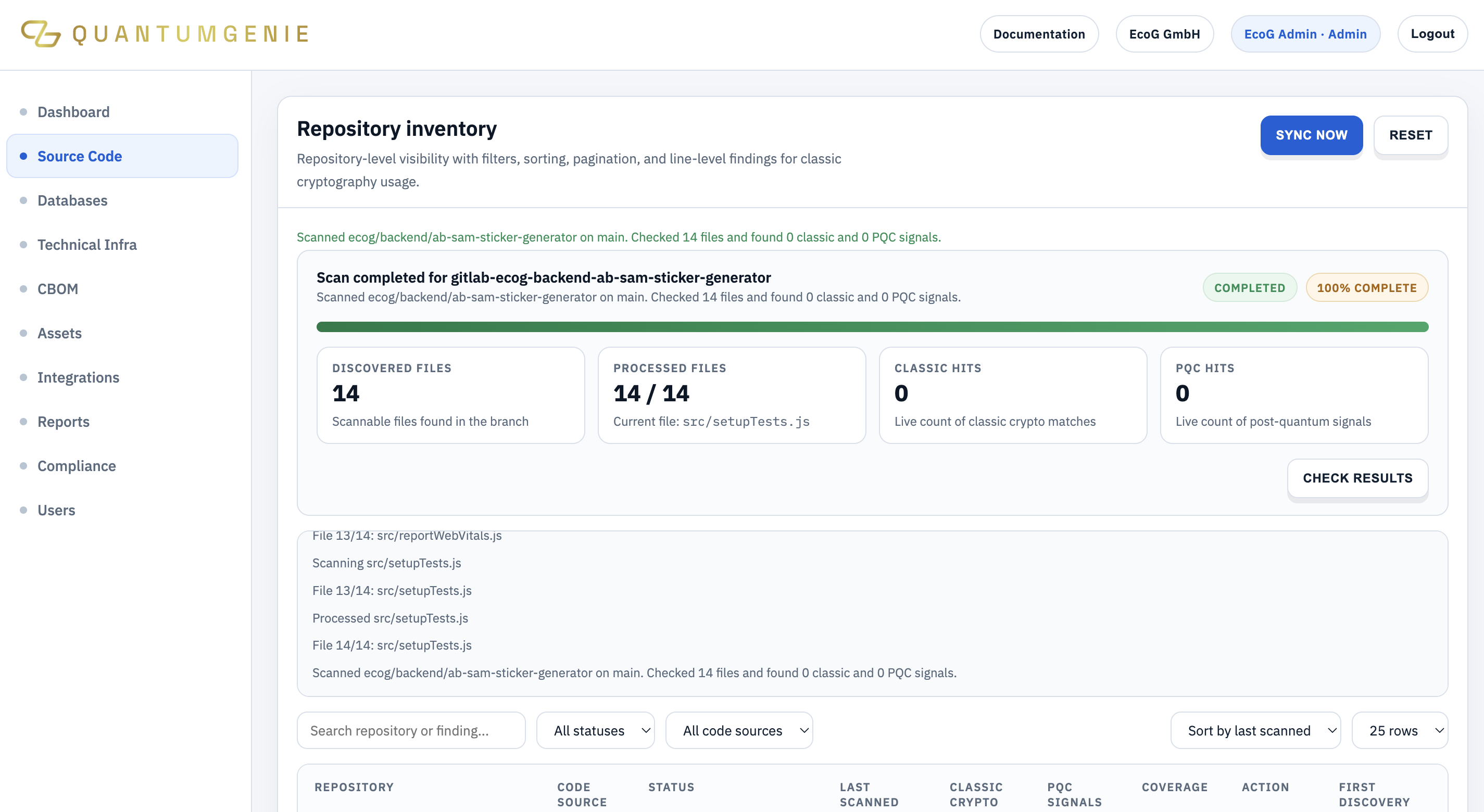
QuantumGenie addresses the foundational and ongoing needs of the enterprise migration journey detailed in the 9-phase guide. By delivering automated cryptographic discovery across codebases, infrastructure, certificates, and integrations, QuantumGenie enables organizations to build and maintain an accurate cryptographic inventory and a detailed CBOM essential for risk prioritization and compliance evidence.
Moreover, QuantumGenie's remediation orchestration capabilities align with phased rollout and operational process requirements. It supports policy definition, migration pull requests, exception handling, and verification workflows, operationalizing the incremental adoption of hybrid and quantum-safe cryptographic primitives transparently and securely. This makes QuantumGenie a strategic asset for enterprises aiming to execute the complex, multi-step migration roadmap efficiently and with confidence.
Frequently Asked Questions
Why is cryptographic inventory crucial before migrating to post-quantum cryptography?
A comprehensive cryptographic inventory reveals all locations where cryptography is used, enabling organizations to understand their exposure, prioritize risk, and plan targeted migration strategies rather than a blind or incomplete approach.
What makes phased rollout important in PQC migration?
Phased rollout allows enterprises to gradually introduce new post-quantum algorithms alongside existing ones (hybrid model), reducing risk, ensuring interoperability, and enabling continuous validation without major business disruption.
Watch The Quantum Threat
Sources And Further Reading
- Post-Quantum Cryptography Migration Guide (9 Phases) Encryption Consulting · Jun 29, 2026
- Post-Quantum Cryptography and Quantum Readiness Open Security Architecture · Mar 15, 2026
- Post-Quantum Readiness | ML-KEM & SLH-DSA Migration FEDLIN · Jul 2, 2026