
In This Article
What This Means
- Apple Sets a New Benchmark for Post-Quantum Cryptography Adoption
- Enterprise Implications Amid Ongoing Crypto Threats and Complexity
- How QuantumGenie Fits in the Post-Quantum Transition
Apple Sets a New Benchmark for Post-Quantum Cryptography Adoption
Apple’s announcement of PQ3 post-quantum encryption for iMessage signals a watershed moment for practical deployment of quantum-resistant cryptography beyond theory and pilot projects. PQ3 aims not only to defend against quantum computers’ future ability to break classical encryption but also to counter ‘harvest now, decrypt later’ attacks where encrypted communications are collected today for future decryption. This dual protection approach underscores the immediate need for enterprises to consider the longevity and resilience of their cryptographic assets. Apple’s deployment serves as a large-scale test case and market signal that PQC is now transitioning from research labs to end-user applications.
Enterprise Implications Amid Ongoing Crypto Threats and Complexity
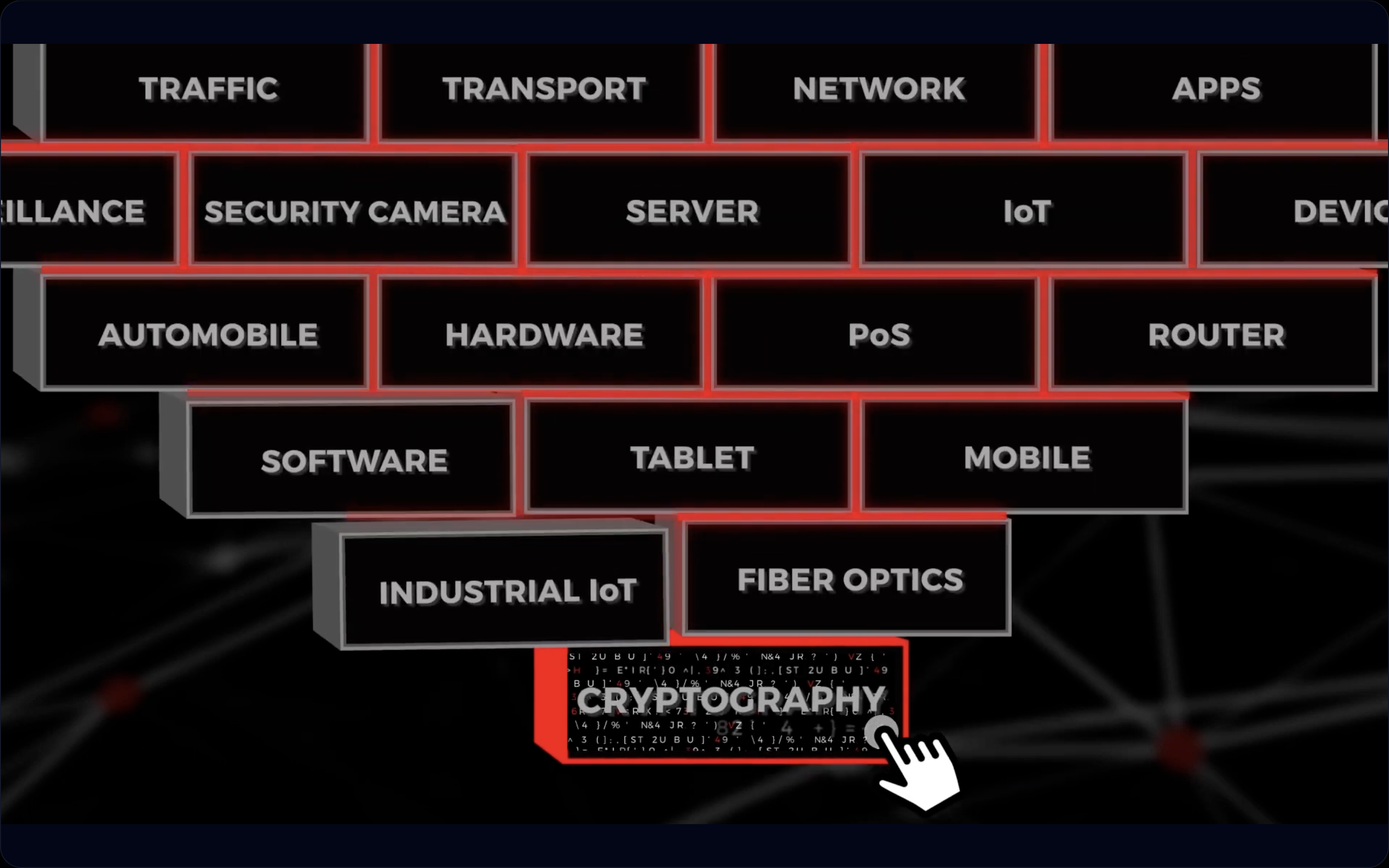
As ransomware groups exploit the hype around post-quantum cryptography to intimidate victims—sometimes falsely claiming post-quantum protections—enterprises face a complex landscape where good cryptography must be verifiable and well managed. This makes cryptographic inventory critical: knowing exactly where and how cryptography is deployed throughout infrastructure, applications, communications, and certificates is foundational to any solid PQC migration plan. Furthermore, with increasing regulatory scrutiny demanding compliance evidence and secure readiness for emerging crypto standards, enterprises must adopt centralized discovery and compliance platforms to stay ahead. The PQ3 rollout reinforces the urgency for CIOs and CISOs to elevate cryptographic posture management from an IT concern to a strategic imperative.
Key Enterprise Lessons from Apple’s PQ3 Announcement
| Lesson | Enterprise Action | QuantumGenie Role |
|---|---|---|
| (Re)Build Cryptographic Inventory | Discover all cryptographic use cases and assets including messaging and communications | CipherScan discovers and inventories cryptographic exposures across apps and infrastructure |
| Prioritize Risks and Migration Paths | Assess exposure to quantum threats and harvest-now-decrypt-later risks | QuantumGenie prioritizes based on risk and impact for focused remediation |
| Operationalize Migration and Remediation | Implement workflows and controls for crypto-agility and compliance | CipherNova orchestrates remediation plans, pull requests, and policy exceptions |
| Evidence Compliance and Readiness | Maintain auditable evidence for regulators and security certification | QuantumGenie provides centralized compliance evidence and reporting |
How QuantumGenie Fits in the Post-Quantum Transition
QuantumGenie aligns closely with the operational needs highlighted by Apple’s PQ3 introduction and the wider post-quantum preparedness landscape. Its cryptographic discovery capabilities enable enterprises to build a precise inventory and cryptographic bill of materials (CBOM), identifying all PQC-relevant assets including messaging channels analogous to iMessage. QuantumGenie’s risk prioritization and remediation workflow support organizations in architecting their migration and crypto-agility strategies methodically. This practical toolkit helps enterprises close gaps in their cryptographic posture before, during, and after PQC implementation, ensuring they can protect data from both emerging quantum threats and sophisticated near-term attacks. In essence, QuantumGenie transforms the complex post-quantum transition from a guessing game into a controlled, governed process aligned with industry signals like Apple’s PQ3.
Frequently Asked Questions
Why is Apple’s PQ3 encryption initiative important for enterprise cybersecurity?
Apple’s deployment of PQ3 demonstrates that post-quantum cryptography is no longer theoretical but practical and necessary to protect communication channels against future quantum attacks and present-day interception risks, signaling enterprises to accelerate their PQC readiness programs.
How can enterprises start preparing for post-quantum cryptography migration effectively?
Enterprises need to begin with comprehensive cryptographic discovery to understand existing exposures, prioritize high-risk areas, and implement remediation workflows that enable crypto-agility. Using specialized platforms that provide inventory, risk analysis, and migration orchestration helps manage this complex transition efficiently and compliantly.
Watch The Quantum Threat
Sources And Further Reading
- Apple Unveils PQ3 Post-Quantum Encryption for iMessage TechTarget · Feb 21, 2024
- Ransomware Groups Exploit 'Post-Quantum' Hype to Intimidate Victims TechSpot · Apr 24, 2026
- Why Centralized Cryptographic Discovery and Compliance Evidence Matter Ahead of Post-Quantum Migration EQCore · Jul 4, 2026