In This Article
What This Means
- Understanding the Post-Quantum Cryptography Imperative
- Strategic Roadmap for Enterprise Migration
- How QuantumGenie Fits
Understanding the Post-Quantum Cryptography Imperative
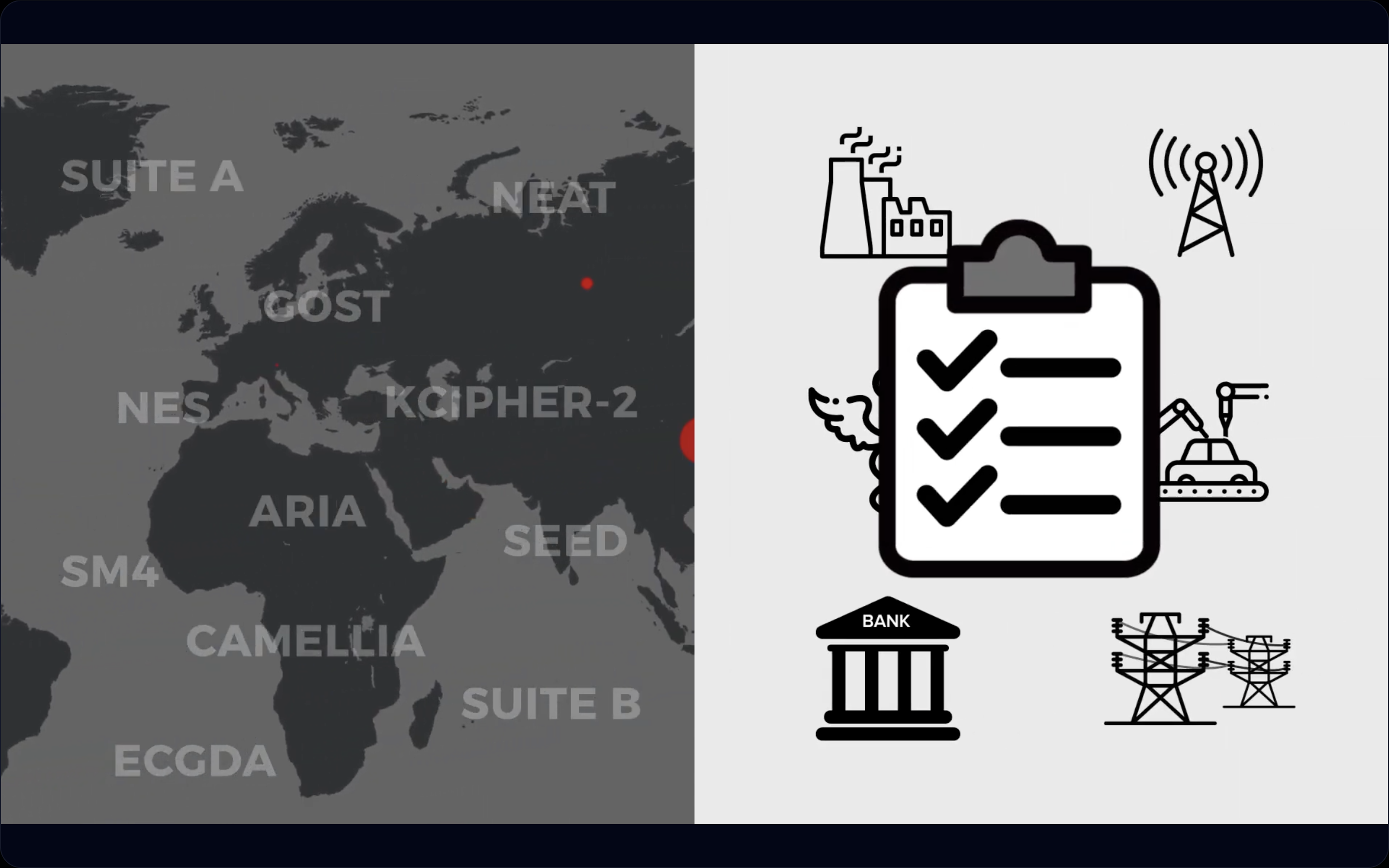
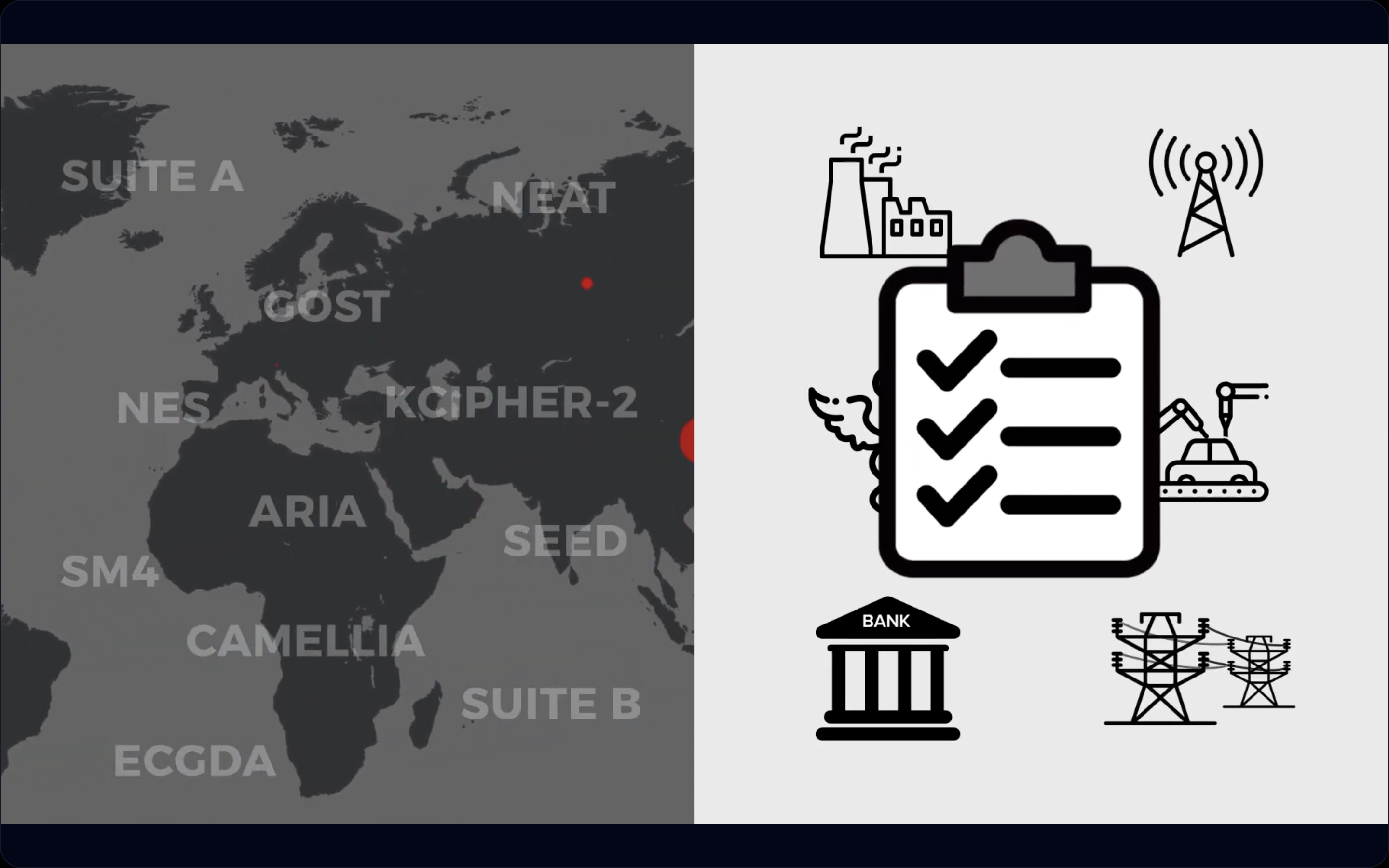
Quantum computing poses a significant threat to current cryptographic systems, rendering algorithms like RSA and ECDSA vulnerable. The National Institute of Standards and Technology (NIST) has responded by finalizing post-quantum cryptography standards—ML-KEM, ML-DSA, and SLH-DSA—to provide quantum-resistant alternatives. Enterprises must act promptly to transition to these standards to protect sensitive data from future quantum-enabled decryption threats.
Strategic Roadmap for Enterprise Migration
A structured approach to PQC migration involves several key phases:
1. **Cryptographic Inventory**: Identifying all cryptographic assets across the organization, including TLS certificates, code signing keys, and encrypted data stores. This foundational step ensures a clear understanding of existing vulnerabilities.
Comparison of NIST's Post-Quantum Cryptography Standards
| Standard | Description | Use Case |
|---|---|---|
| ML-KEM | Key Encapsulation Mechanism for secure key exchange | Replacing RSA and ECDH in key exchange protocols |
| ML-DSA | Digital Signature Algorithm for authentication | Replacing RSA and ECDSA in digital signatures |
| SLH-DSA | Stateless Hash-based Digital Signature Algorithm | Alternative signature scheme for scenarios requiring statelessness |
How QuantumGenie Fits
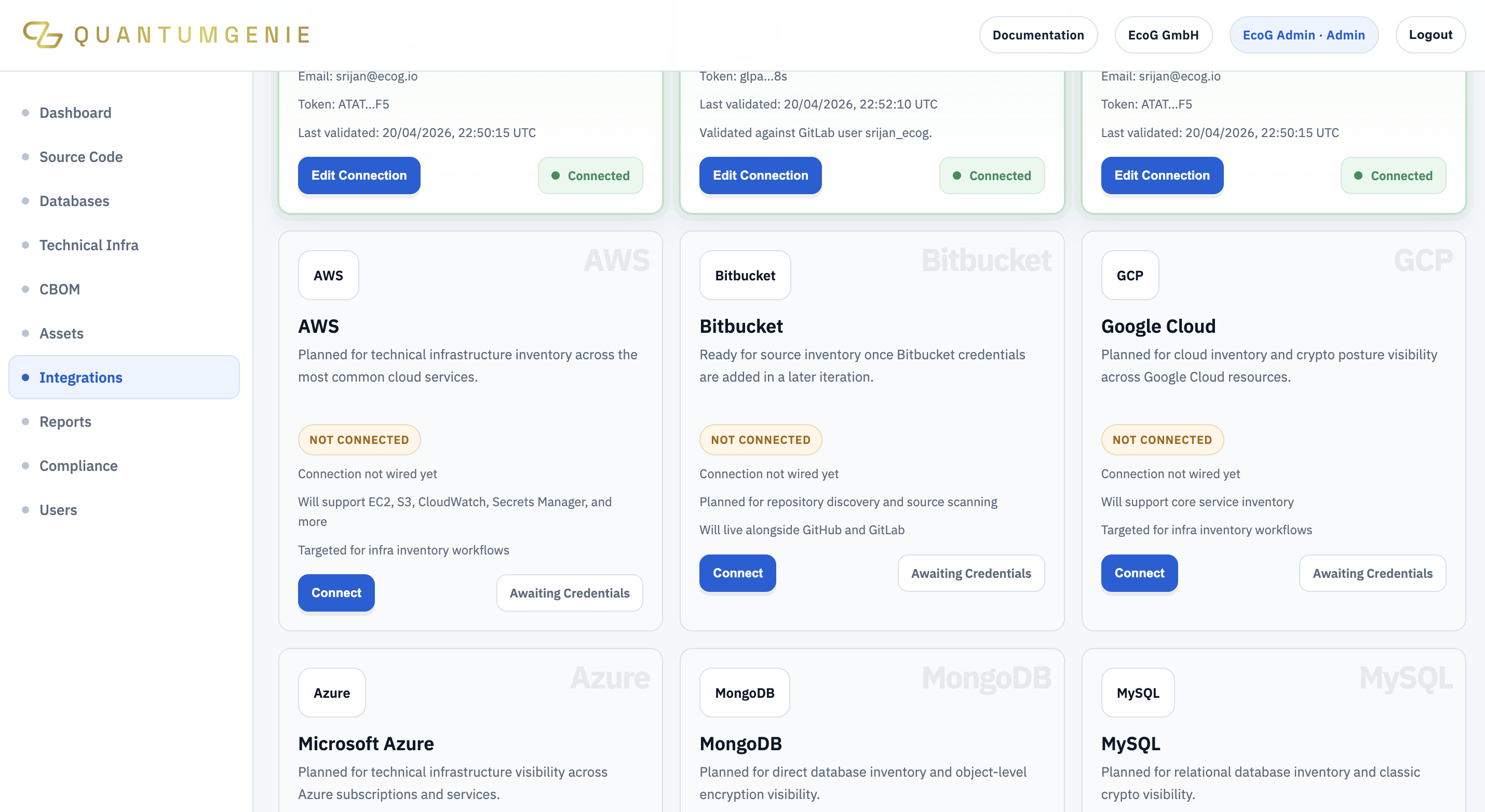
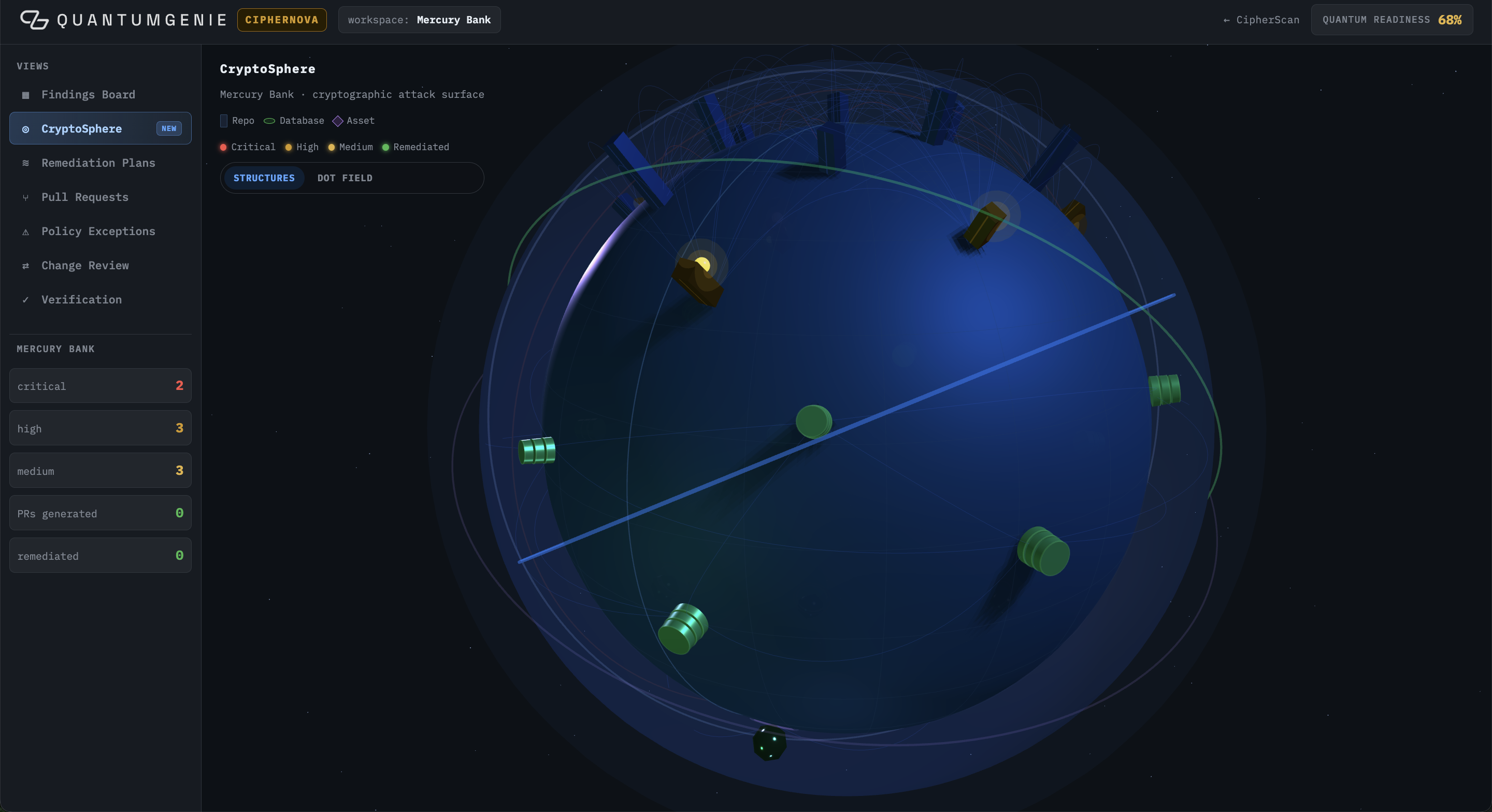
QuantumGenie provides a robust infrastructure to support enterprises in their PQC migration journey. Through CipherScan, organizations can conduct comprehensive cryptographic inventories, identifying and assessing all cryptographic assets across their systems. CipherNova facilitates the remediation process by orchestrating migration plans, managing policy exceptions, and ensuring compliance with NIST standards. This integrated approach enables enterprises to transition to quantum-resistant cryptography efficiently and effectively, aligning with regulatory requirements and strategic objectives.
Frequently Asked Questions
What is the 'harvest now, decrypt later' threat model?
This model refers to adversaries collecting encrypted data today with the intention to decrypt it in the future when quantum computers become available, posing a risk to sensitive information.
How can QuantumGenie assist in the PQC migration process?
QuantumGenie offers tools like CipherScan for cryptographic inventory and CipherNova for remediation planning, aiding enterprises in transitioning to quantum-resistant cryptography.
Watch The Quantum Threat
Sources And Further Reading
- Post-Quantum Cryptography Migration Guide 2026: NIST Standards Decryption Digest · May 14, 2026
- Post-Quantum Cryptography in 2026: Why Enterprise Migration Must Start Now OpenEmpower · Apr 12, 2026
- Post-Quantum Cryptography Migration 2026: What Enterprises Need to Do CryoVault Solutions · Mar 1, 2026