In This Article
What This Means
- The Quantum Threat Changes the Encryption Landscape
- Operational Challenges in Post-Quantum Migration
- How QuantumGenie Supports Post-Quantum Migration Readiness
The Quantum Threat Changes the Encryption Landscape
The National Institute of Standards and Technology (NIST) recently finalized its post-quantum cryptography (PQC) standards, signaling a monumental shift for enterprise cybersecurity programs worldwide. Classical encryption methods long considered secure will become vulnerable once large-scale quantum computers materialize. This inevitability mandates that organizations proactively begin migrating to quantum-resistant cryptographic algorithms to protect sensitive data, communications, and infrastructure from future quantum decryption threats.
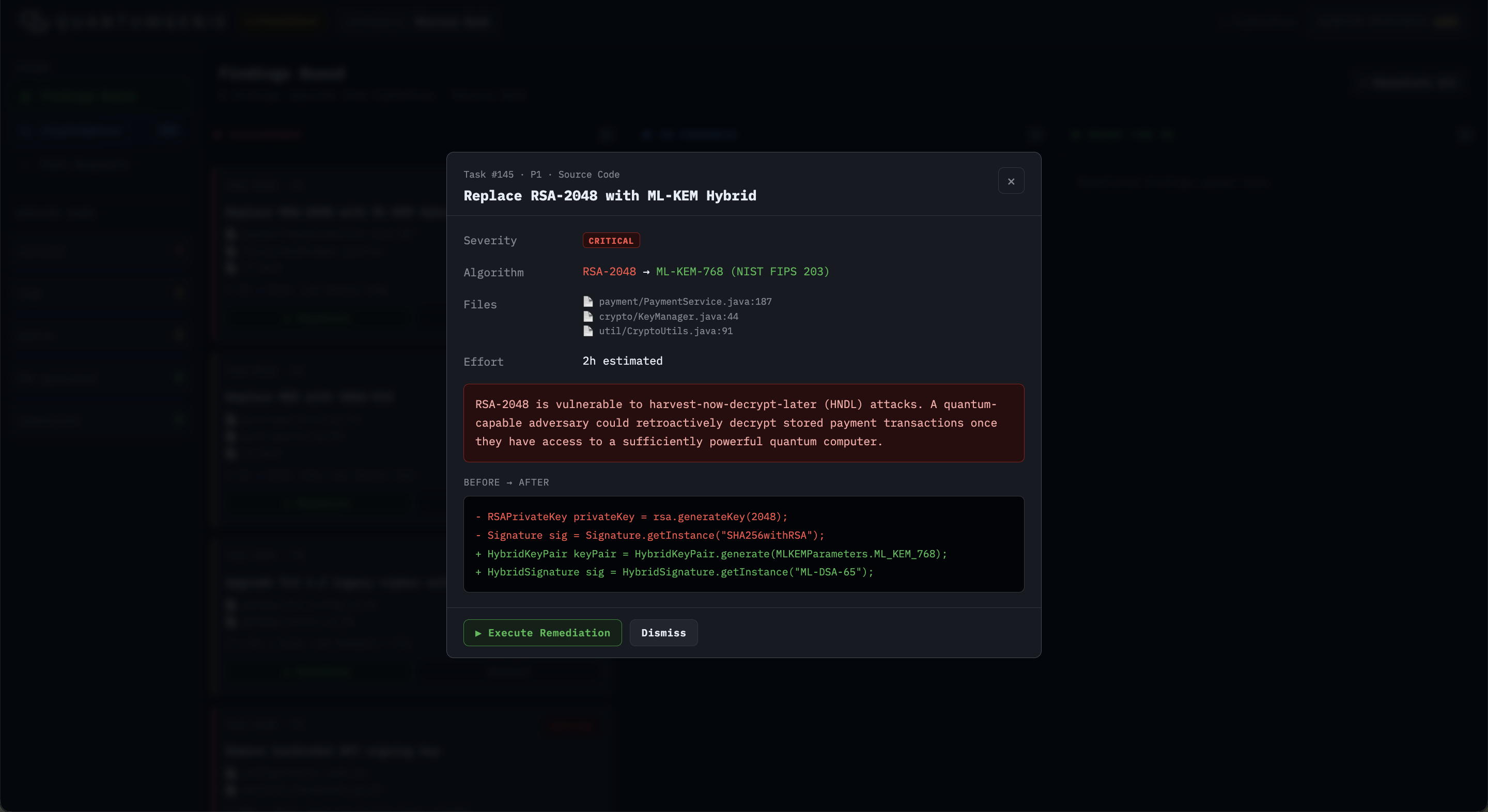
Enterprises now face an operational imperative: start the transition today. The longer organizations delay, the higher the risk of exposure to so-called "harvest-now, decrypt-later" attacks, where adversaries collect encrypted traffic now to crack later with quantum capabilities. This timeline pressure demands not only strategy but tangible migration plans, asset inventories, and enterprise-wide coordination.
Operational Challenges in Post-Quantum Migration
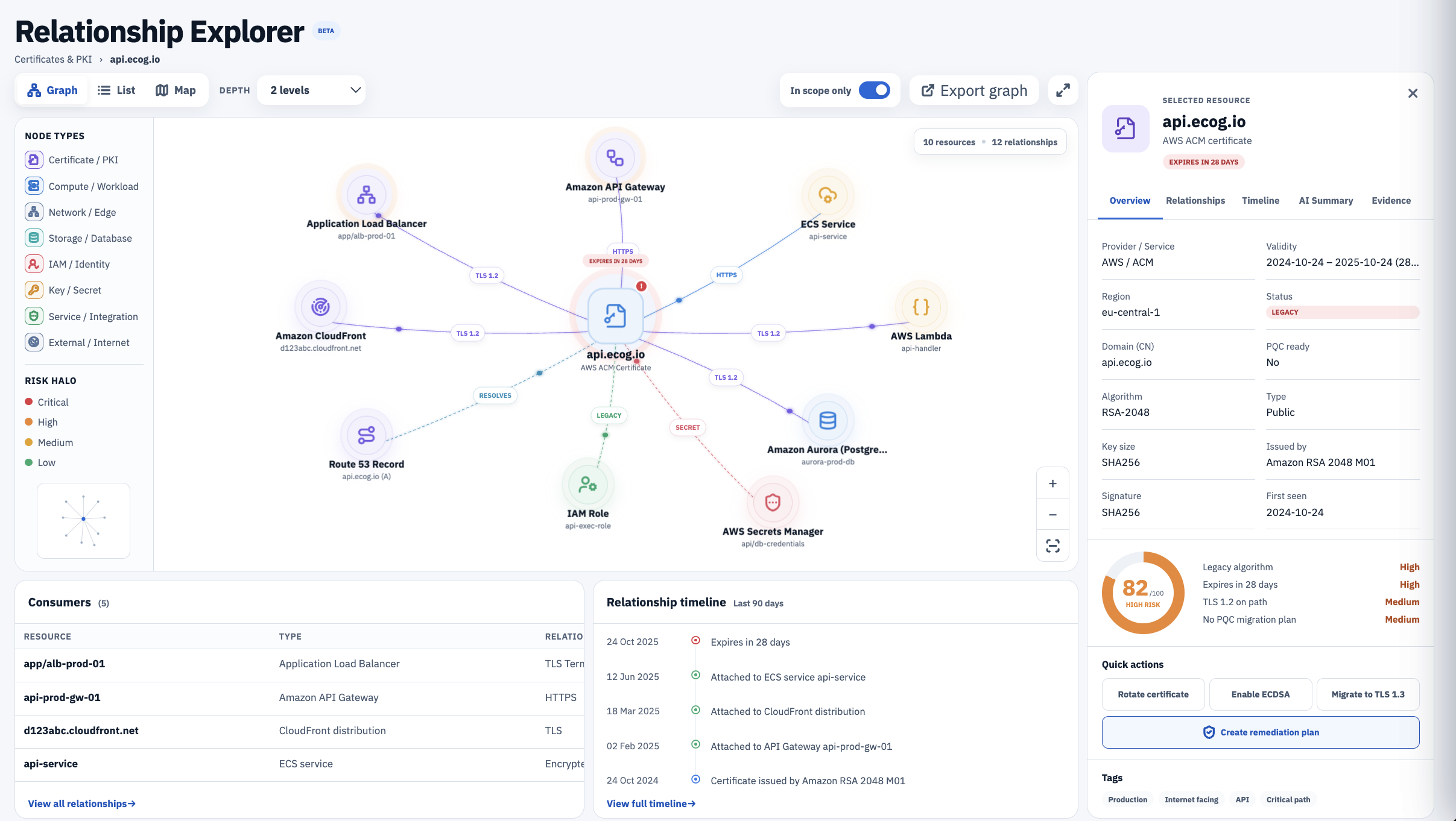
Although the need to migrate encryption is clear, the practical complexity involved cannot be overstated. Modern enterprises operate countless systems containing cryptographic elements embedded across codebases, certificates, infrastructure, APIs, and integrations. Without an accurate and thorough cryptographic inventory, identifying all vulnerable spots is nearly impossible, let alone prioritizing remediation based on risk or compliance requirements.
Additionally, migration efforts require strong governance frameworks and workflow orchestration to plan, test, implement, and verify new algorithms without disrupting business continuity. The operational burden is significant and frequently underestimated. Enterprises must adopt solutions that provide end-to-end visibility and controlled remediation processes to ensure both security and agility during this transition period.

Key Enterprise Considerations for Post-Quantum Cryptography Migration
| Consideration | Description | Impact on Enterprise |
|---|---|---|
| Complete Cryptographic Inventory | Catalog all cryptographic usages across systems and code | Enables precise risk assessment and remediation prioritization |
| Migration Planning | Develop phased plans based on asset criticality and exposure | Reduces disruption and ensures compliance with emerging standards |
| Agile Remediation Workflows | Automate change requests, verification, and exception management | Improves operational efficiency and minimizes errors |
| Compliance Readiness | Demonstrate adherence to PQC standards and regulations | Supports auditability and trusted security posture |
How QuantumGenie Supports Post-Quantum Migration Readiness
QuantumGenie addresses these challenges head-on by enabling enterprises to discover all cryptographic assets via CipherScan, building an exhaustive cryptographic inventory and Component Bill of Materials (CBOM) critical for migration planning and risk prioritization. This foundational insight is essential for organizations to understand their quantum exposure clearly.
Furthermore, QuantumGenie's CipherNova platform orchestrates remediation workflows, from automated pull requests to policy exception handling and verification checks, streamlining the migration process while reducing operational friction. By integrating discovery with governance and execution, QuantumGenie empowers enterprises to implement crypto-agility pragmatically—mitigating quantum risks without business disruption.
Frequently Asked Questions
Why is immediate action needed for post-quantum cryptography migration?
With quantum computing progress accelerating, encrypted data collected today could be decrypted in the future, exposing sensitive information. Immediate migration efforts reduce vulnerability to such delayed attacks and ensure compliance with evolving standards.
How does a cryptographic inventory support PQC migration?
An accurate cryptographic inventory identifies all encryption instances across an enterprise's ecosystem, highlighting vulnerable points and enabling targeted, prioritized migration rather than piecemeal or incomplete efforts.
Watch The Quantum Threat
Sources And Further Reading
- Post-Quantum Cryptography: Enterprises Must Shift Encryption Now SecurityToday · Apr 5, 2026
- When Ransomware Goes Post-Quantum: What Enterprises Must Do Now to Stay Ahead QuantumGenie Blog · Jul 12, 2026