In This Article
What This Means
- Understanding the Quantum Threat Landscape and Enterprise Imperative
- Strategic PQC Readiness: From Standards to Execution
- How QuantumGenie Fits into the Enterprise PQC Journey
Understanding the Quantum Threat Landscape and Enterprise Imperative
Quantum computing advances are reshaping the threat landscape for cryptography, rendering current algorithms vulnerable and demanding urgent enterprise action. The recent Cyber Technology Insights research report underscores the accelerated timelines enterprises face to replace quantum-susceptible cryptographic primitives before harvest-now-decrypt-later attacks become pervasive. With the National Institute of Standards and Technology (NIST) now having approved multiple post-quantum cryptographic algorithms, the focus shifts to pragmatic strategies for quantum-safe adoption.
This evolving scenario challenges CISOs and enterprise architects to not only understand the technical aspects of PQC but to develop comprehensive migration roadmaps, balancing risk, compliance, and operational continuity. Enterprises cannot afford ad hoc efforts; instead, a systematic approach to cryptographic readiness anchored in discovery, prioritization, and crypto-agility is mandatory.
Strategic PQC Readiness: From Standards to Execution
The report emphasizes that NIST’s PQC standards, while critical, are only part of the solution. Successful enterprise migration requires timely cryptographic asset discovery, assessment of quantum vulnerability, and integration into governance frameworks. Automated tools that can inventory cryptographic elements across applications, infrastructure, certificates, and codebases become indispensable to establish a clear cryptographic bill of materials (CBOM).
Prioritization of migration efforts must align with risk exposure and business impact, guiding phased rollouts and validation processes. Furthermore, organizations must embed crypto-agility principles to maintain resilience against future advances in quantum computing and cryptanalysis, ensuring cryptographic algorithms and protocols can be updated fluidly without service disruption.

Key Enterprise Post-Quantum Cryptography Readiness Steps
| Step | Objective | QuantumGenie Role |
|---|---|---|
| Automated Cryptography Discovery | Identify all cryptographic assets and usage across the enterprise | CipherScan provides comprehensive cryptographic detection across environments |
| Risk Prioritization | Assess quantum vulnerabilities and business impact to prioritize migration | Risk assessment modules enable focusing efforts on high-impact assets |
| Migration Planning & Crypto-Agility | Design and implement phased PQC migration with flexibility for future updates | CipherNova orchestrates remediation workflows ensuring agile cryptographic updates |
How QuantumGenie Fits into the Enterprise PQC Journey
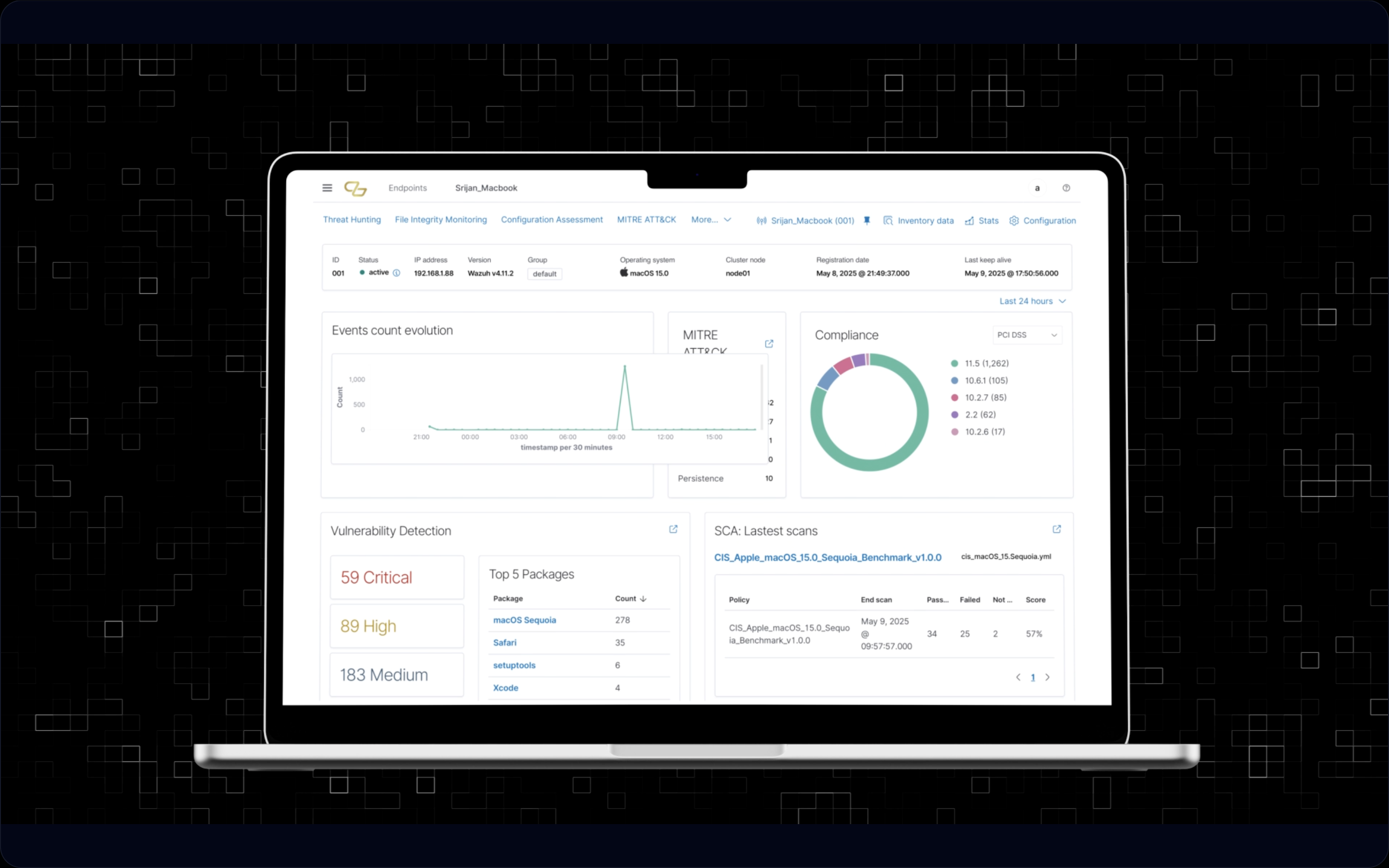
QuantumGenie directly addresses the practical challenges highlighted in the report by providing a platform specifically designed to discover and inventory cryptographic usage comprehensively through its CipherScan module. This granular visibility forms the foundation for creating an actionable cryptographic bill of materials (CBOM) and assessing exposure risks.
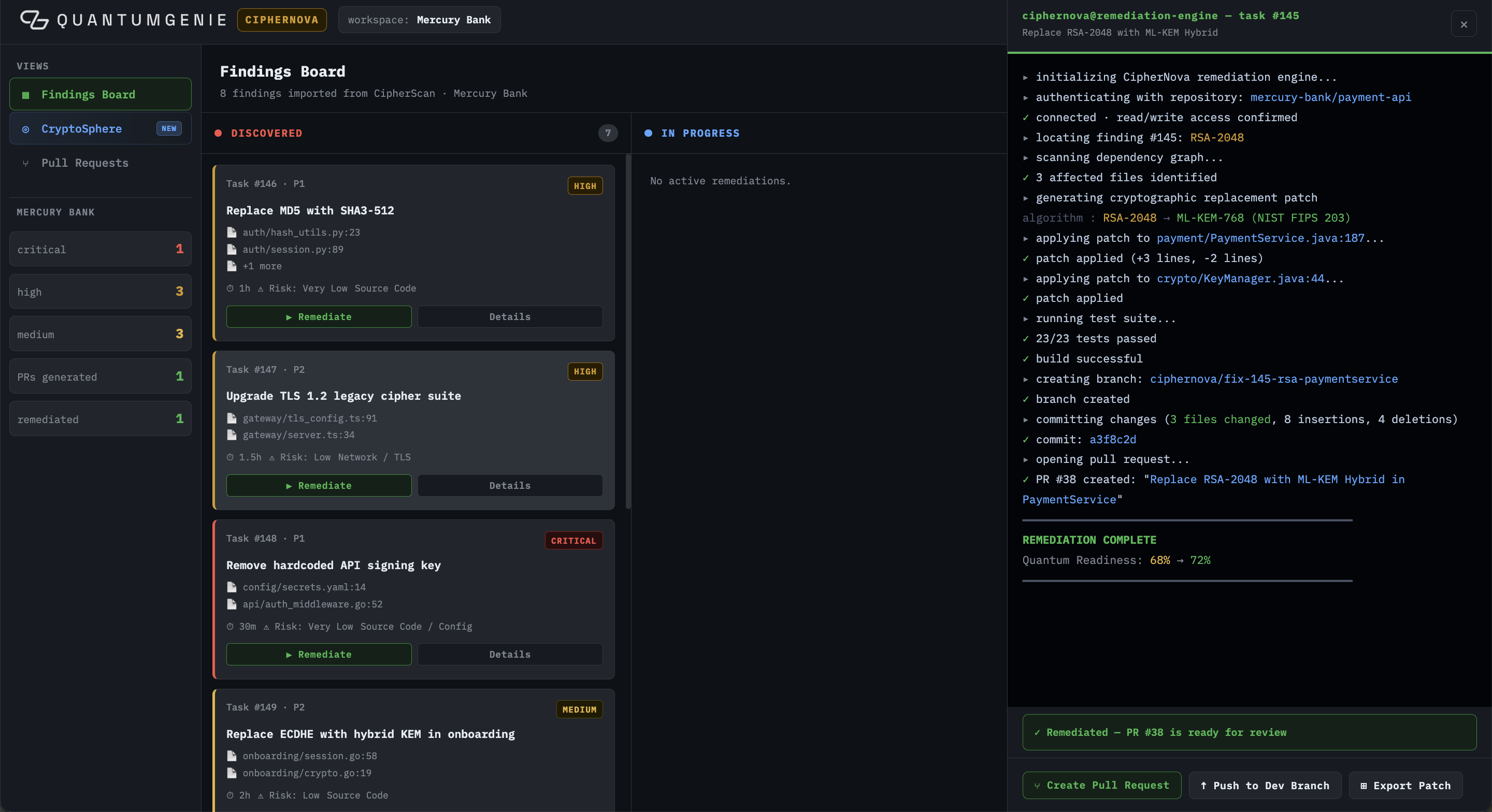
Beyond discovery, QuantumGenie facilitates prioritization and migration planning by integrating risk assessment and compliance requirements, helping security teams understand where exposure is highest and which assets require immediate attention. Its CipherNova layer supports operationalizing remediation workflows—such as generating pull requests, tracking exceptions, and automating verification checks—ensuring that PQC migration programs move from strategy to execution efficiently. By aligning with best-practice frameworks and supporting crypto-agility, QuantumGenie empowers enterprises to transition securely into a quantum-safe future without disruption.
Frequently Asked Questions
Why is automated cryptographic inventory critical for PQC readiness?
Automated inventory provides complete visibility of cryptographic use, uncovering often-hidden keys, certificates, and algorithms across diverse systems. Without this, organizations risk missing vulnerable assets, undermining migration efforts.
How does crypto-agility impact enterprise PQC migration?
Crypto-agility ensures enterprises can update cryptographic algorithms and protocols with minimal service disruption, enabling ongoing resilience as quantum computing capabilities and standards evolve.
Watch The Quantum Threat
Sources And Further Reading
- Post-Quantum Cryptography: Enterprise Guide to Quantum-Safe Security Cyber Technology Insights · Jun 15, 2026
- Post-Quantum Cryptography and Quantum Readiness Open Security Architecture · Mar 1, 2026