In This Article
What This Means
- Ransomware Goes Quantum – A New Era of Cyber Threats
- What This Means for Enterprise Security and PQC Readiness
- How QuantumGenie Fits in Responding to Post-Quantum Threats
Ransomware Goes Quantum – A New Era of Cyber Threats
The recent revelation by Ars Technica that the Kyber ransomware family is using, or at least claiming to use, ML-KEM—a post-quantum cryptography (PQC) standard—marks a historic moment in cybercrime. This is the first confirmed instance of ransomware employing cryptographic algorithms designed to resist quantum computer decryption. While the technical details remain sparse, the strategic implication is clear: cybercriminals are already preparing to future-proof their malware for the quantum era, aiming to evade not only today's but tomorrow's defenses.
What This Means for Enterprise Security and PQC Readiness
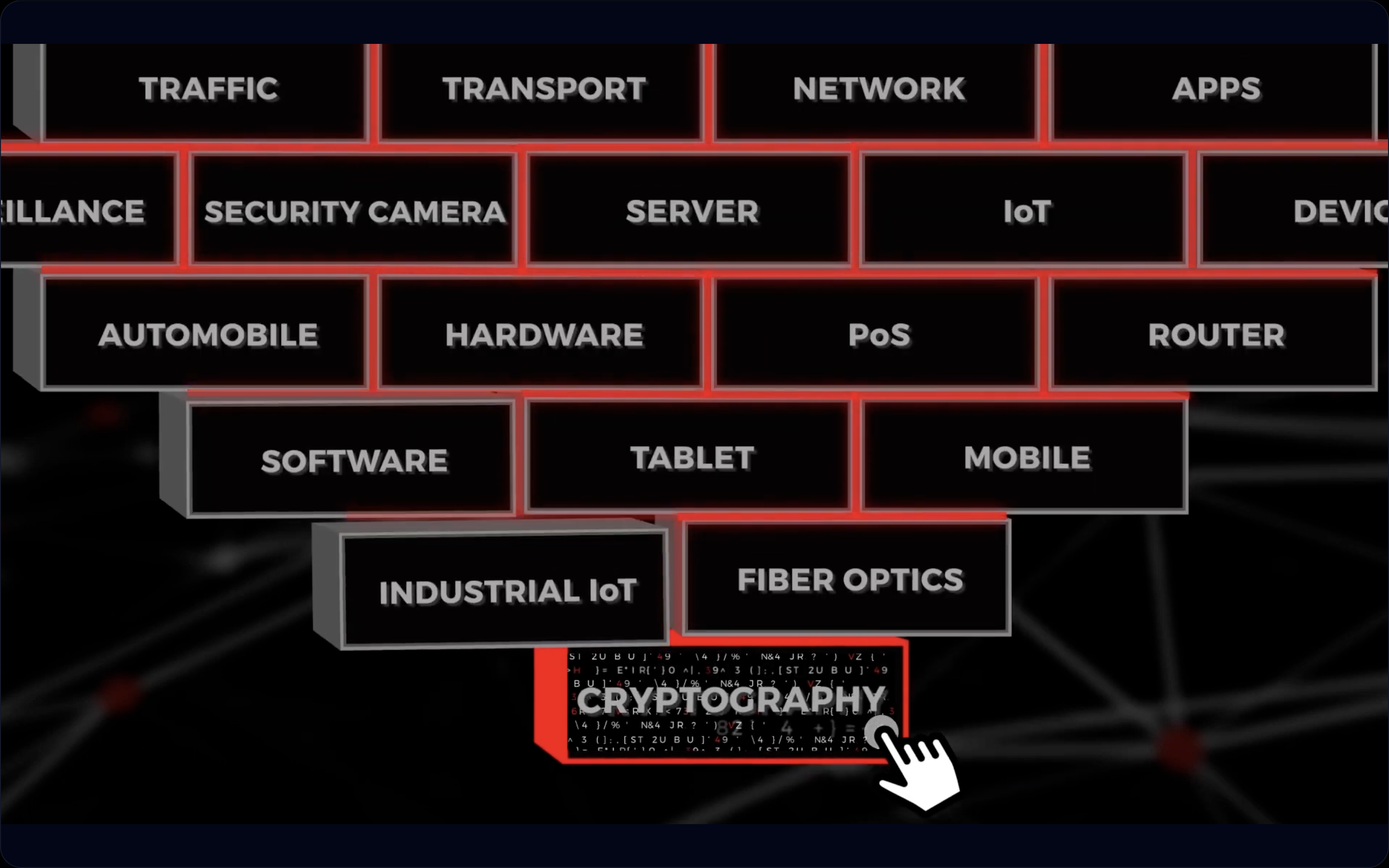
This development should be seen less as a novel technical feat and more as a critical enterprise signal. If adversaries are adopting PQC, security teams must accelerate their readiness programs to detect and remediate quantum-vulnerable cryptography before threats exploit these gaps. Enterprises need a comprehensive cryptographic inventory, spanning certificates, protocols, software libraries, and infrastructure components—ensuring full visibility into the cryptographic landscape.
Proactively managing cryptographic posture reduces risk exposure from new attack methods that harness post-quantum resistant algorithms for malicious purposes. The sophistication of PQC in ransomware also implies a rising complexity of incident investigations and forensic analysis that enterprises must be prepared to handle efficiently.
Post-Quantum Cryptography in Ransomware and Enterprise Response
| Aspect | Enterprise Implication | QuantumGenie Role |
|---|---|---|
| Ransomware adopting PQC (Kyber family) | Signals adversaries preparing for quantum-resistant attacks | Cryptographic inventory to identify vulnerable assets |
| Use of ML-KEM PQC standard | Necessitates advanced cryptographic posture management | Prioritization of migration based on exposure |
| Increased attack complexity | Requires operational workflows for remediation and monitoring | Remediation orchestration with policy and workflow checks |
How QuantumGenie Fits in Responding to Post-Quantum Threats
QuantumGenie’s platform directly addresses the challenges raised by the emergence of quantum-safe ransomware. By providing thorough discovery and cryptographic inventory capabilities through CipherScan, organizations gain clarity on all cryptography in use—critical for spotting vulnerable points and assessing exposure.
Meanwhile, CipherNova orchestrates remediation workflows, enabling prioritized, agile migration from legacy crypto to post-quantum algorithms. This operational visibility and control is vital to defending against adversaries weaponizing PQC themselves. QuantumGenie empowers security teams not only to achieve compliance readiness but also to execute on migration plans efficiently and with transparency, helping to futureproof enterprise defenses against evolving quantum-era threats.
Frequently Asked Questions
Why is ransomware using post-quantum cryptography a concern for enterprises today?
Even though large-scale quantum computers capable of breaking current cryptography are not yet widespread, adversaries adopting post-quantum cryptography show they anticipate the future threat landscape. This means enterprises must proactively identify and migrate vulnerable cryptography to avoid exposure to more sophisticated attacks.
How can enterprises start preparing for post-quantum cryptographic threats like PQC-enabled ransomware?
The first step is building a comprehensive cryptographic inventory across all software, infrastructure, certificates, and communications. Next, enterprises need to prioritize vulnerable components and establish migration workflows that replace legacy algorithms with quantum-safe alternatives, supported by tools that provide operational visibility and governance.
Watch The Quantum Threat
Sources And Further Reading
- In a First, a Ransomware Family is Confirmed to be Quantum-Safe Ars Technica · Apr 23, 2026
- Ransomware Groups Exploit 'Post-Quantum' Hype to Intimidate Victims TechSpot · Apr 24, 2026