In This Article
What This Means
- Understanding the 2026 Cryptographic Inventory Mandate
- Practical Implications for Enterprise Security and Migration Planning
- How QuantumGenie Integrates into Post-Quantum Migration and Compliance
Understanding the 2026 Cryptographic Inventory Mandate
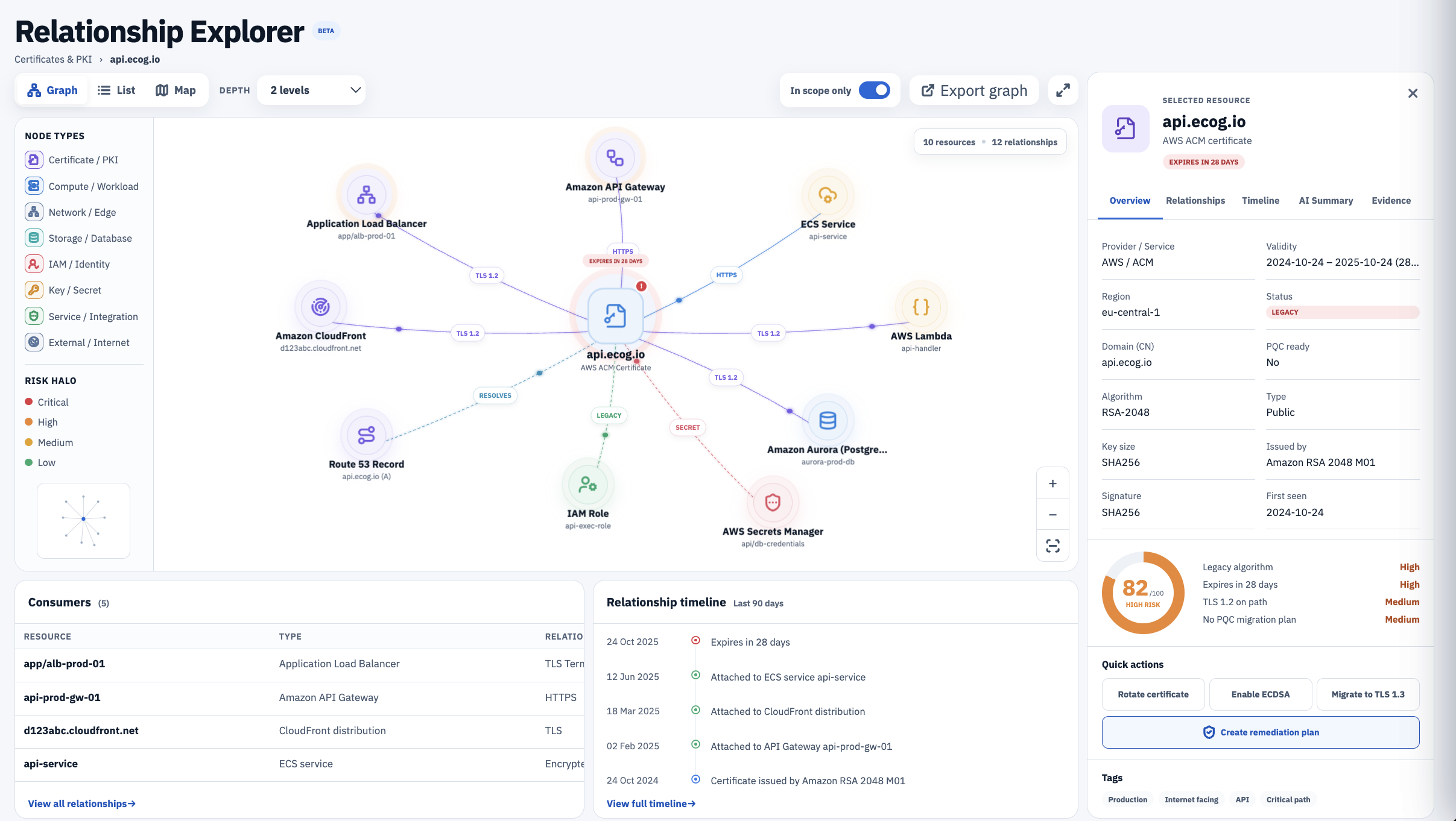
The European Commission’s roadmap for transitioning to post-quantum cryptography introduces a sweeping requirement: by the end of 2026, enterprises must have a comprehensive cryptographic inventory in place. This inventory is not a mere checklist but a detailed mapping of all cryptographic assets—including keys, certificates, protocols, and implementations—across websites, applications, databases, infrastructure, and integrations. The goal is to establish visibility and control before initiating PQC migration.
For security teams, this mandate is a practical call to action that sharply prioritizes cryptographic discovery and classification. Without such a baseline, the risk is severe: unknown or unmanaged cryptographic elements could expose organizations to serious vulnerabilities once quantum computers become practically capable of breaking traditional algorithms. The mandate also signals harmonized expectations, with analogous timelines being pursued by regulators in the US and UK, reflecting a coordinated global shift.
Practical Implications for Enterprise Security and Migration Planning
Building this cryptographic inventory involves significant operational challenges. Enterprises typically face sprawling cryptographic footprints scattered across legacy systems, cloud platforms, and third-party services. Manually tracking and cataloging these elements is both time-consuming and error-prone, increasing the risk of missing critical components.
From a migration perspective, having a validated inventory enables risk prioritization and phased remediation strategies aligned with business impact and exposure. Enterprises gain the foundational data needed to build a Cryptographic Bill of Materials (CBOM), establish crypto-agility policies, and prepare for hybrid deployment models that combine classical and post-quantum algorithms during transition periods. Compliance readiness also hinges on demonstrating that such inventories are current, complete, and managed under change-control procedures.
Key Enterprise Actions for 2026 Cryptographic Inventory Compliance
| Action | Enterprise Benefits | QuantumGenie Support |
|---|---|---|
| Comprehensive cryptographic asset discovery | Improved visibility and risk awareness | Automated discovery via CipherScan across environments |
| Cryptographic inventory validation and maintenance | Compliance evidence and control | Continuous monitoring and alerting for inventory changes |
| Risk-based prioritization of cryptographic exposures | Efficient remediation focus | Risk scoring and policy-based prioritization |
| Migration workflow orchestration and verification | Streamlined transition to PQC | CipherNova-driven remediation and verification workflows |
How QuantumGenie Integrates into Post-Quantum Migration and Compliance
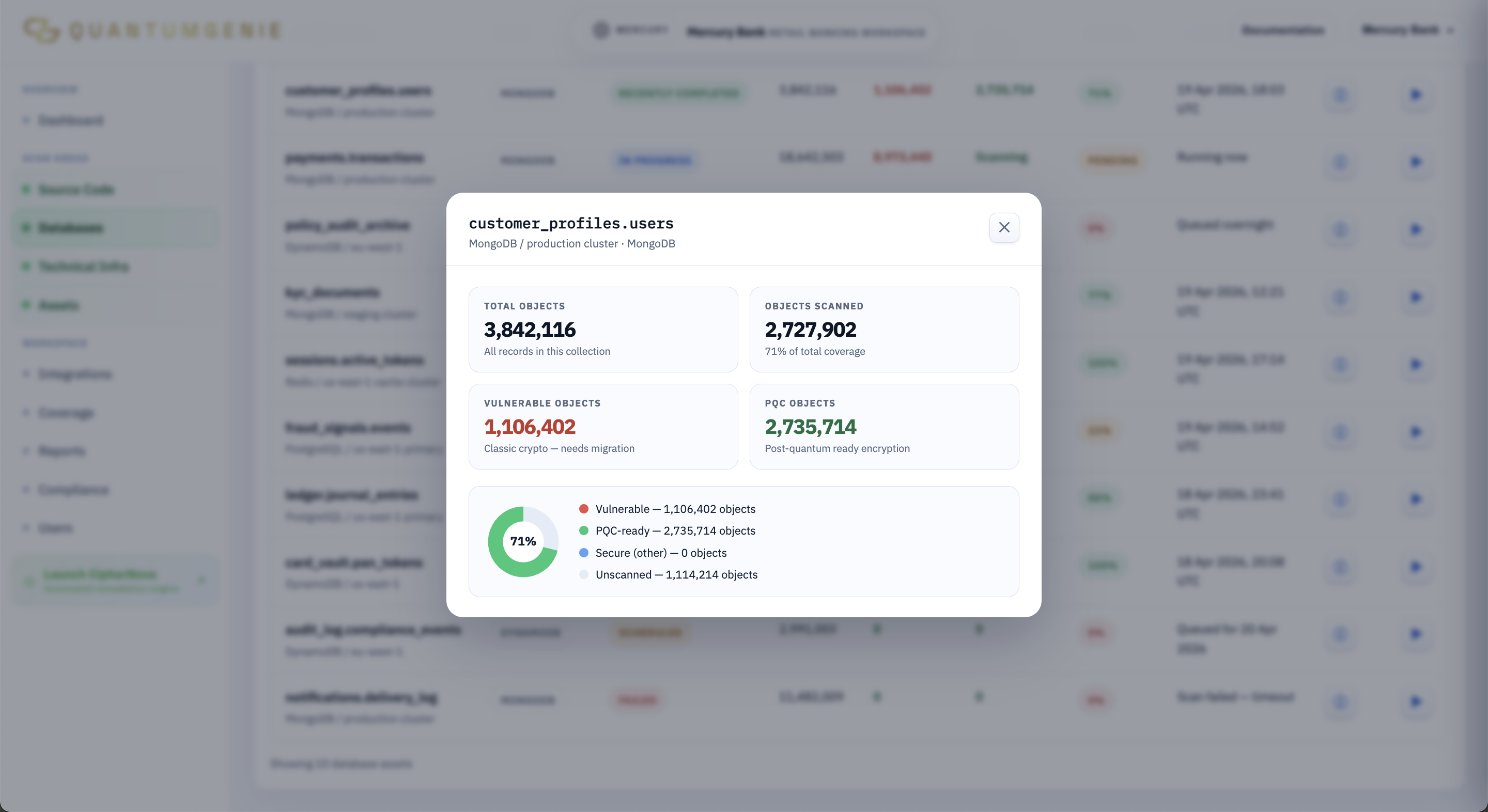
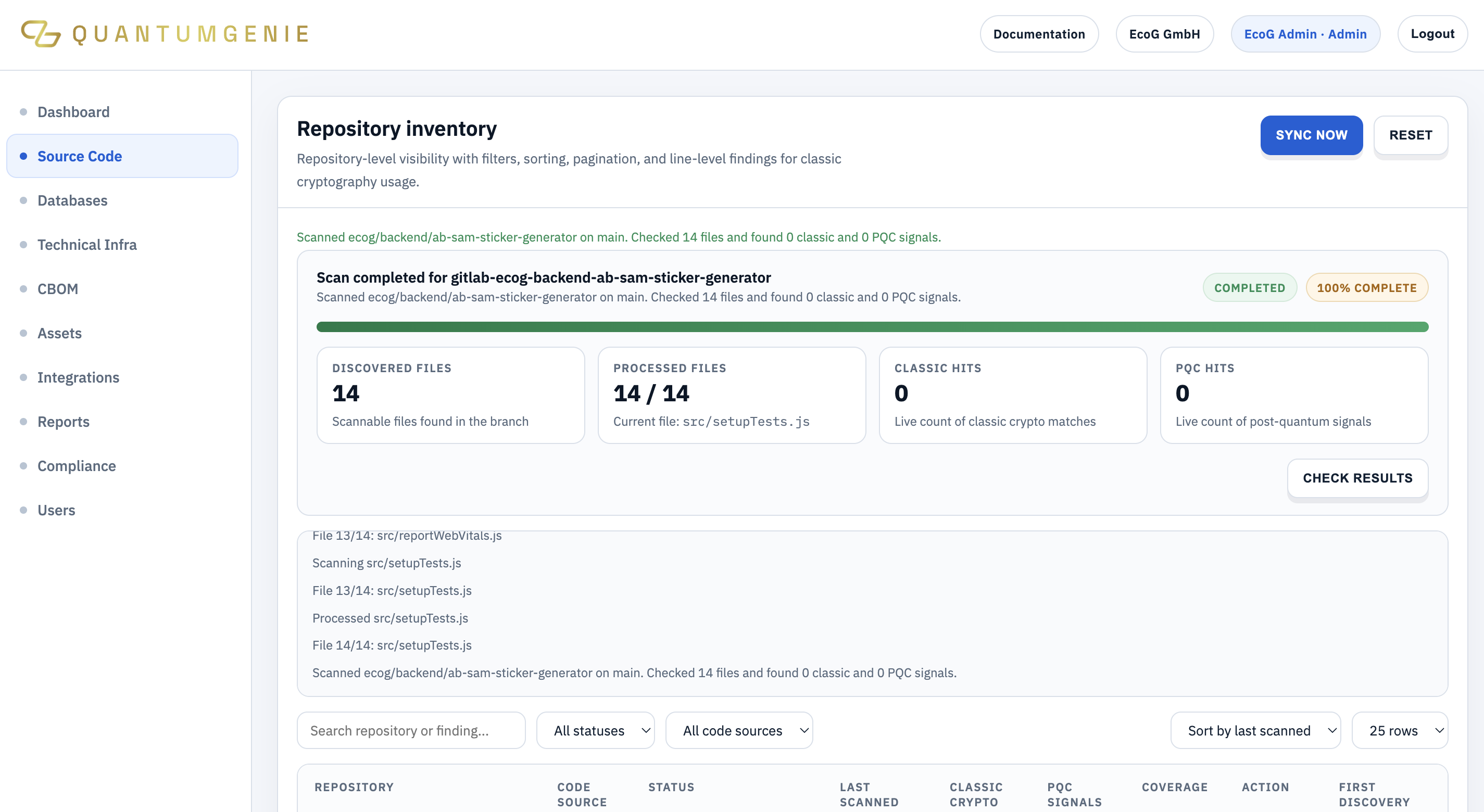
QuantumGenie addresses the core challenge highlighted by the 2026 mandate: discovering and compiling comprehensive cryptographic inventories across diverse enterprise environments. Through CipherScan, it automates visibility into cryptographic exposure across websites, certificates, source code, infrastructure, applications, and integrations—effectively building the inventory required for regulatory compliance and migration planning.
Beyond discovery, QuantumGenie's platform supports the operationalization of migration programs by enabling prioritization of risk exposures, managing remediation workflows with CipherNova, and maintaining audit-ready records for compliance. The solution’s integration of a CBOM framework facilitates agile, phased post-quantum migration and helps security teams align their technical efforts with evolving regulatory and threat landscapes, moving beyond manual processes toward structured governance.
Frequently Asked Questions
Why is a cryptographic inventory crucial for post-quantum migration readiness?
A cryptographic inventory provides a comprehensive view of all cryptographic assets, enabling enterprises to identify vulnerable points and prioritize remediation. This foundation ensures focused migration efforts and compliance with emerging regulations.
How does QuantumGenie help in maintaining compliance with the 2026 inventory mandate?
QuantumGenie automates discovery, provides continuous visibility, supports risk prioritization, and manages remediation workflows, helping organizations maintain an accurate and auditable cryptographic inventory required for regulatory compliance.
Watch The Quantum Threat
Sources And Further Reading
- Post-Quantum Cryptography and the 2026 Cryptographic Inventory Requirement Zynap · Jul 9, 2026
- Post-Quantum Cryptography and Quantum-Safe Security: A Comprehensive Survey arXiv · Oct 12, 2025