In This Article
What This Means
- Regulatory Deadlines Spotlight the Need for Exact Cryptographic Inventory
- From Inventory to Action: The Role of Crypto-Agility and Migration Frameworks
- How QuantumGenie Fits in Post-Quantum Cryptography Compliance and Migration
Regulatory Deadlines Spotlight the Need for Exact Cryptographic Inventory
The European Commission’s roadmap mandating a comprehensive cryptographic inventory by the end of 2026 represents a clear regulatory milestone that has caught the attention of enterprise cybersecurity teams across the EU and globally. Enterprises can no longer juggle undocumented cryptographic assets or incomplete inventories without risking noncompliance and exposure to quantum-era vulnerabilities. This mandate underscores that knowing precisely what cryptography is in use—across certificates, protocols, keys, and algorithms—has become a foundational prerequisite not only for compliance but for any post-quantum cryptography migration.
This targets a glaring issue: most enterprises lack a detailed, continuously updated cryptographic inventory. Without this, migration efforts risk blind spots and operational disruptions. The Zynap article highlights comparisons with US and UK timelines, reinforcing that regulators worldwide are accelerating demands, placing cryptographic inventory at the heart of all quantum readiness initiatives. For CISOs and enterprise architects, the message is clear: discovery is no longer optional, it’s imperative.
From Inventory to Action: The Role of Crypto-Agility and Migration Frameworks
Having a cryptographic inventory is just the first step. The transition to quantum-resistant algorithms requires structured planning and agility. Frameworks like the seven-phase PQC migration model introduced by PQC Today provide a pragmatic roadmap, positioning the Cryptographic Bill of Materials (CBOM) as indispensable for visibility and risk prioritization.
The inventory and CBOM together enable teams to identify high-risk assets and dependencies, design migration plans that minimize service disruption, and implement new cryptographic primitives with agility. Enterprises must view post-quantum readiness as a lifecycle effort—from discovery through enforcement and ongoing agility—to maintain security as standards evolve. This strategic layering dovetails with the regulatory inventory requirements, as holistic governance becomes crucial to sustaining compliance and resilience.
2026 Cryptographic Inventory Regulatory Landscape and Enterprise Implications
| Region | Cryptographic Inventory Deadline | Key Requirements |
|---|---|---|
| European Union | End of 2026 | Comprehensive cryptographic asset inventory, evidence for audits |
| United States | 2027 (anticipated) | Inventory and risk assessment for cryptographic assets |
| United Kingdom | Mid-2027 | Detailed cryptographic inventory and transition roadmap |
How QuantumGenie Fits in Post-Quantum Cryptography Compliance and Migration
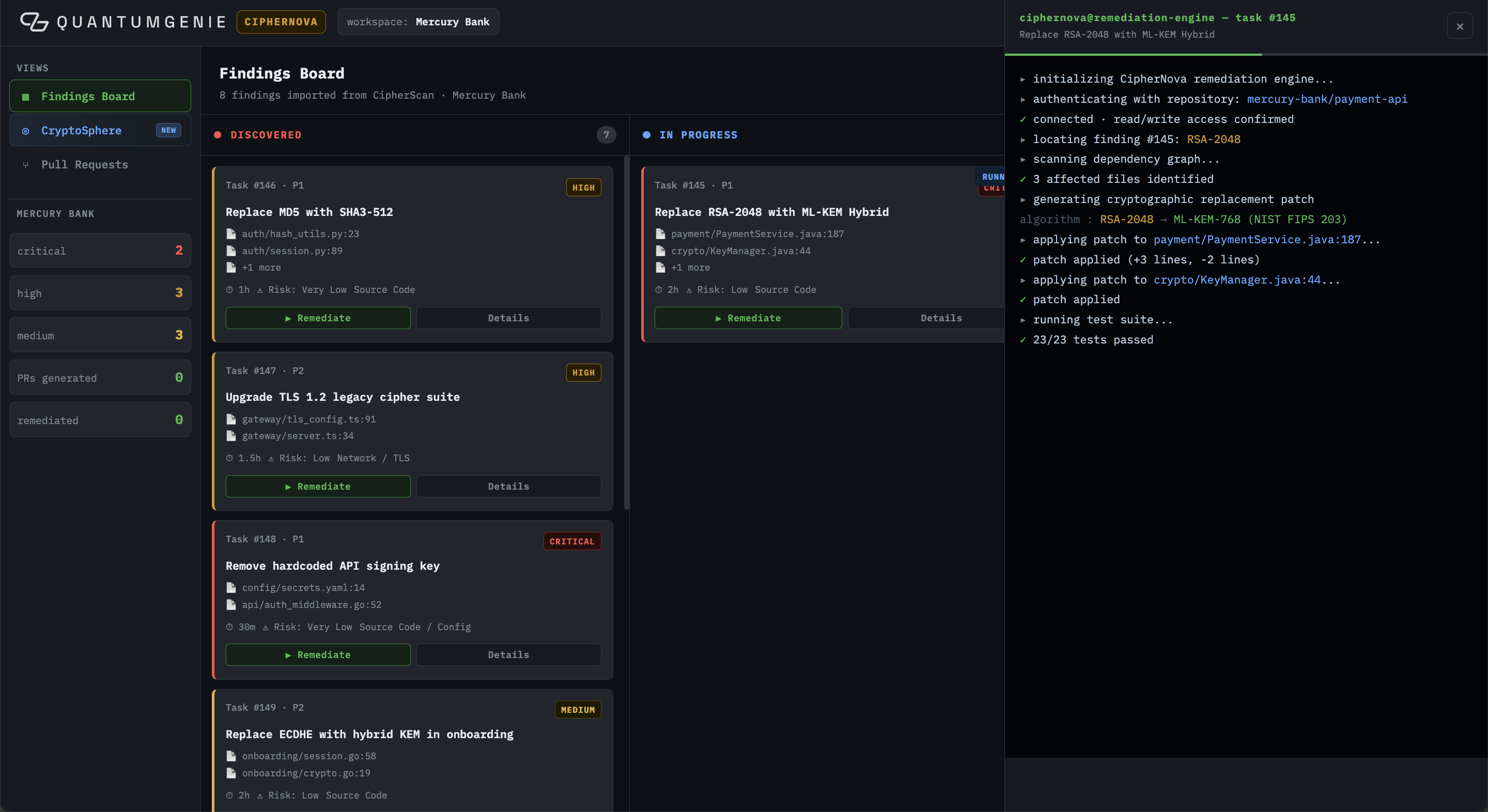
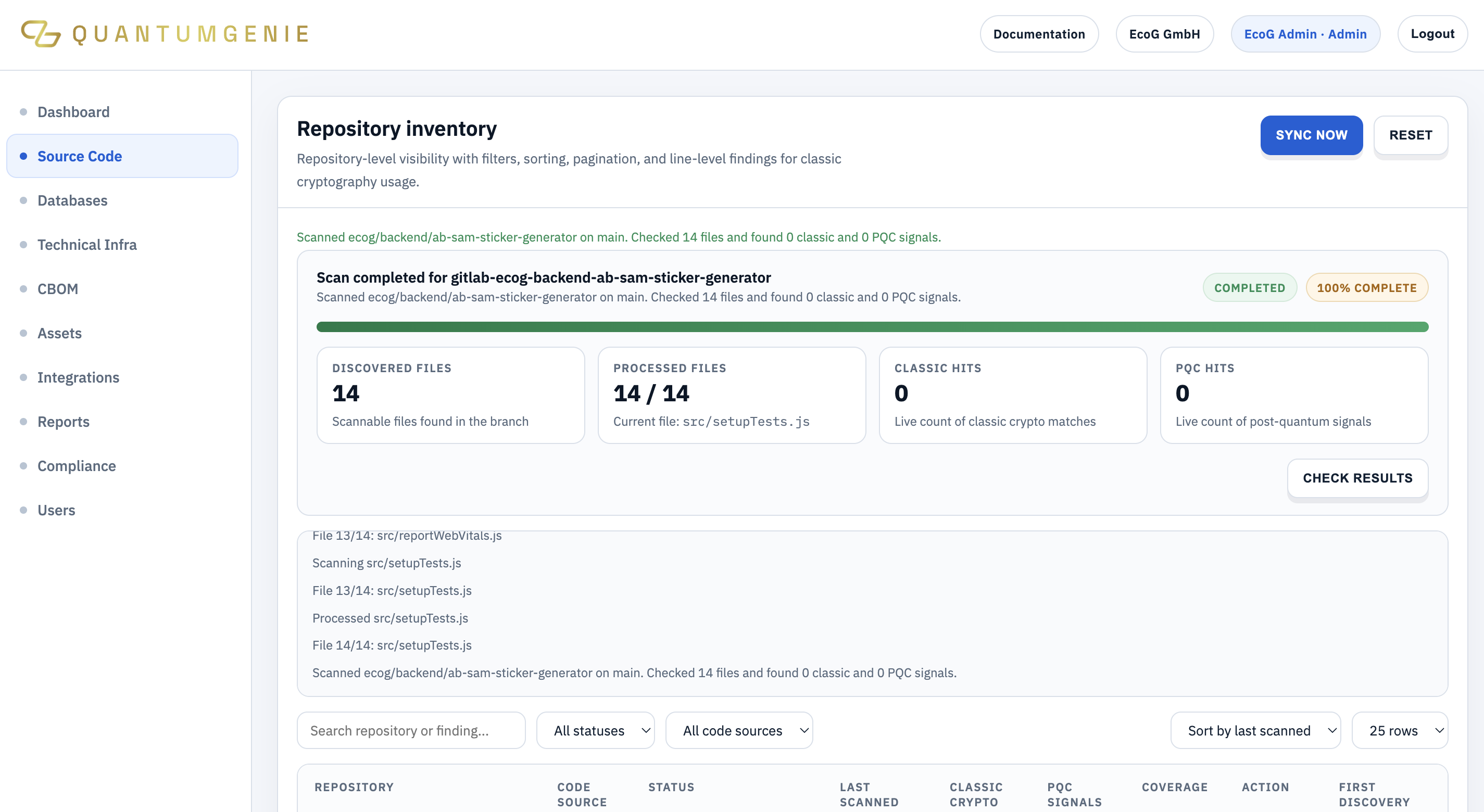
QuantumGenie’s platform is designed to meet enterprises exactly where regulatory and operational challenges converge. By automating deep discovery across websites, certificates, source code, infrastructure, and applications, it delivers a comprehensive cryptographic inventory and CBOM visibility, essential for regulatory evidence and migration prioritization.
Moreover, QuantumGenie supports the entire migration lifecycle, from risk assessment and planning to automated remediation workflows and verification. This not only accelerates compliance with 2026 inventory mandates but also operationalizes crypto-agility strategies, enabling security teams to deploy quantum-resistant algorithms with minimal disruption. For enterprises facing these new regulatory and security imperatives, QuantumGenie provides a strategic infrastructure foundation for resilient post-quantum cryptography adoption.
Frequently Asked Questions
Why is a cryptographic inventory crucial for post-quantum cryptography migration?
A cryptographic inventory identifies all cryptographic keys, certificates, algorithms, and protocols in use, providing the foundational visibility needed to assess quantum risk, prioritize migration efforts, and ensure all assets transition smoothly to quantum-resistant algorithms.
How can enterprises maintain compliance with cryptographic inventory mandates while preparing for PQC?
Enterprises should implement automated discovery tools to continuously build and update cryptographic inventories, integrate these inventories into structured migration frameworks like CBOM, and orchestrate remediation workflows to meet regulatory deadlines and maintain operational security during PQC adoption.
Watch The Quantum Threat
Sources And Further Reading
- Post-Quantum Cryptography and the 2026 Cryptographic Inventory Requirement Zynap · Jul 6, 2026
- Cryptographic Inventory: What It Is & Why It Matters QNu Labs · Jun 17, 2026
- Crypto Agility — 7-Phase PQC Migration Framework & CBOM PQC Today · Jul 21, 2026