In This Article
What This Means
- The Criticality of Cryptographic Inventories in Post-Quantum Migration
- Navigating Migration: Strategy and Crypto-Agility in Focus
- How QuantumGenie Addresses the Core Challenges of Post-Quantum Readiness
The Criticality of Cryptographic Inventories in Post-Quantum Migration
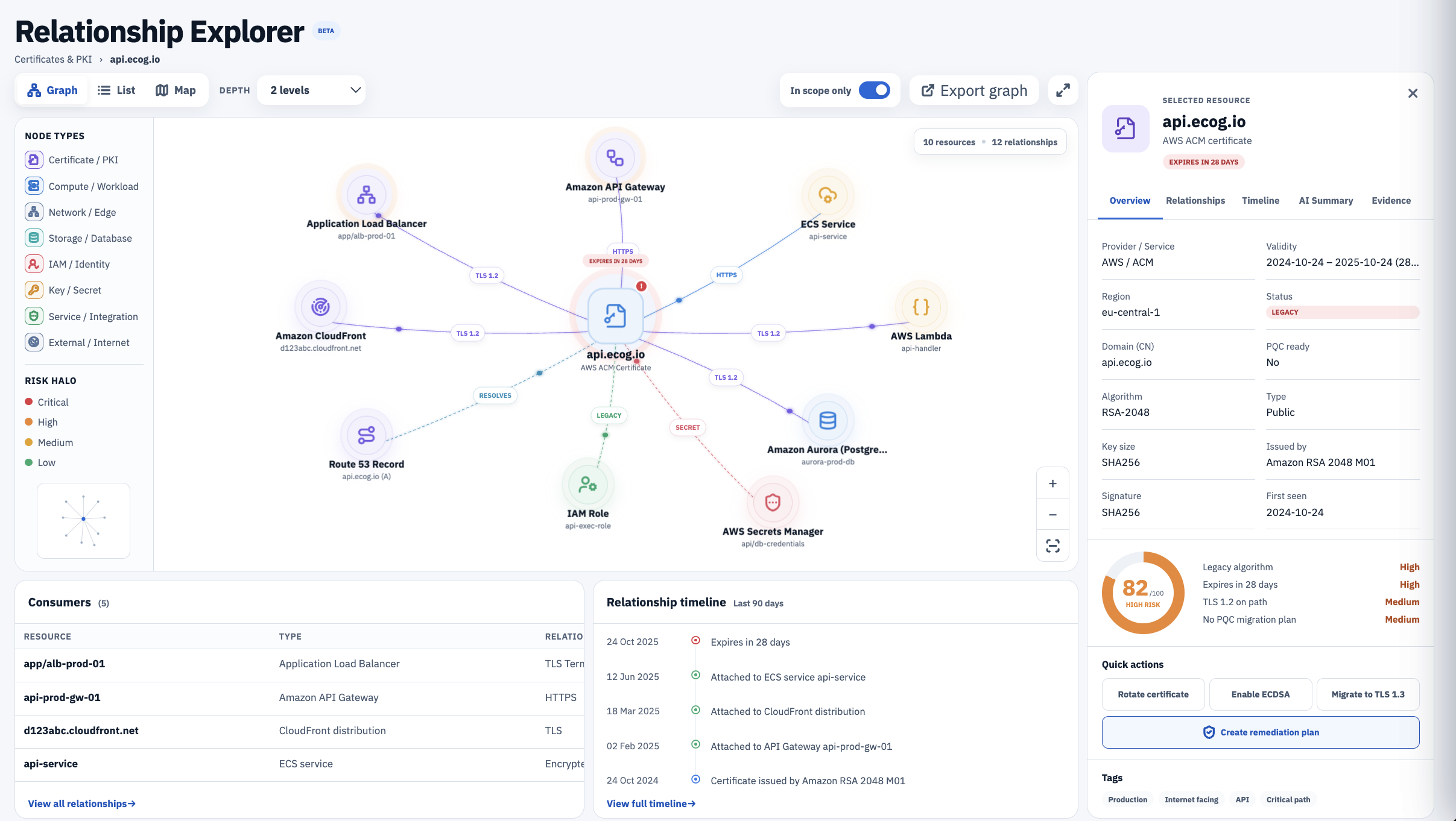
With NIST's finalized post-quantum cryptography (PQC) standards setting the stage for industry-wide migration, enterprises face an urgent imperative: know where and how cryptography is deployed across their entire ecosystem. The article from Zynap underscores that an accurate, up-to-date cryptographic inventory is indispensable for meeting regulatory expectations and avoiding risky blind spots. Without comprehensive visibility into cryptographic usage — spanning websites, certificates, source code, databases, and application integrations — organizations cannot effectively plan or execute migration to quantum-resistant algorithms.
As quantum computing advances increase the threat to classical cryptography, enterprises must proactively identify cryptographic assets and dependencies to prioritize remediation and ensure uninterrupted secure operations. The concept of a live cryptographic inventory aligns with mandated frameworks calling for continuous posture assessments and audit-ready evidence of compliance. This foundational capability transforms migration from a reactive scramble into a strategically guided program aligned with enterprise risk tolerances and operational realities.
Navigating Migration: Strategy and Crypto-Agility in Focus
Supporting this inventory-first approach, comprehensive migration guides such as the one from Hit Communications highlight best practices for transitioning to quantum-safe encryption. Enterprises are encouraged to adopt a phased, prioritized migration strategy that balances security, operational impact, and compliance deadlines.
Moreover, the migration narrative increasingly emphasizes crypto-agility — the capability to switch cryptographic algorithms efficiently as standards evolve or threats emerge. The Secra Solutions article spotlights how hybrid schemes and agile cryptographic frameworks (e.g., ML-KEM and ML-DSA) can mitigate 'harvest-now, decrypt-later' risks while enabling iterative, audit-compliant deployment. This layered approach to migration underscores the importance of ongoing inventory and risk assessments, providing a feedback loop that supports organizational readiness against emerging quantum threats.
PQC Readiness Snapshot
| Area | Signal Today | Next Step |
|---|---|---|
| Discovery | More signals are becoming visible in public and vendor channels | Inventory exposed crypto across sites, code, and certificates |
| Prioritization | Not every asset carries the same migration urgency | Rank by business criticality and quantum exposure |
| Execution | Roadmaps only matter when teams own them | Assign timelines, owners, and a recurring review loop |
How QuantumGenie Addresses the Core Challenges of Post-Quantum Readiness
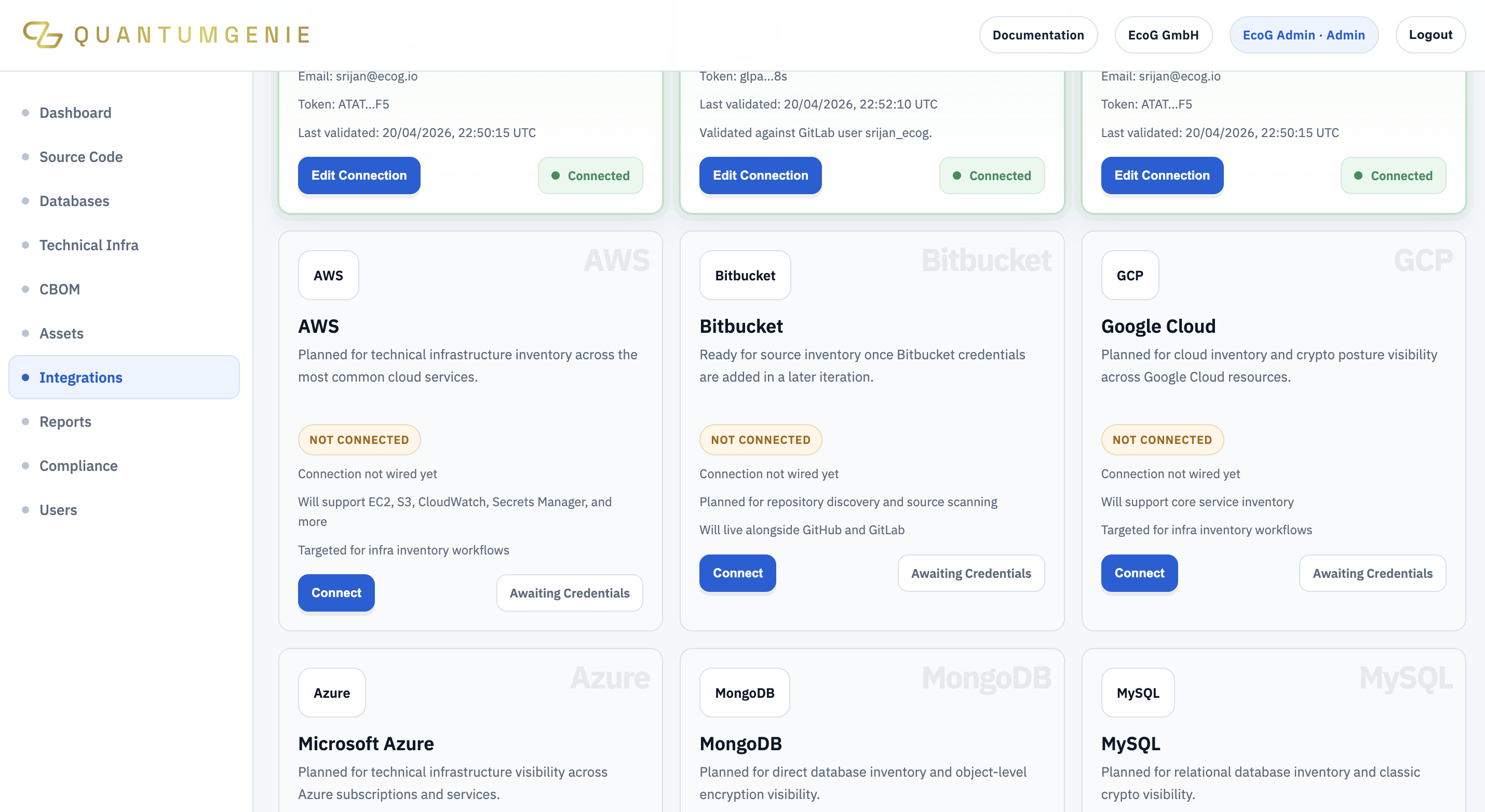
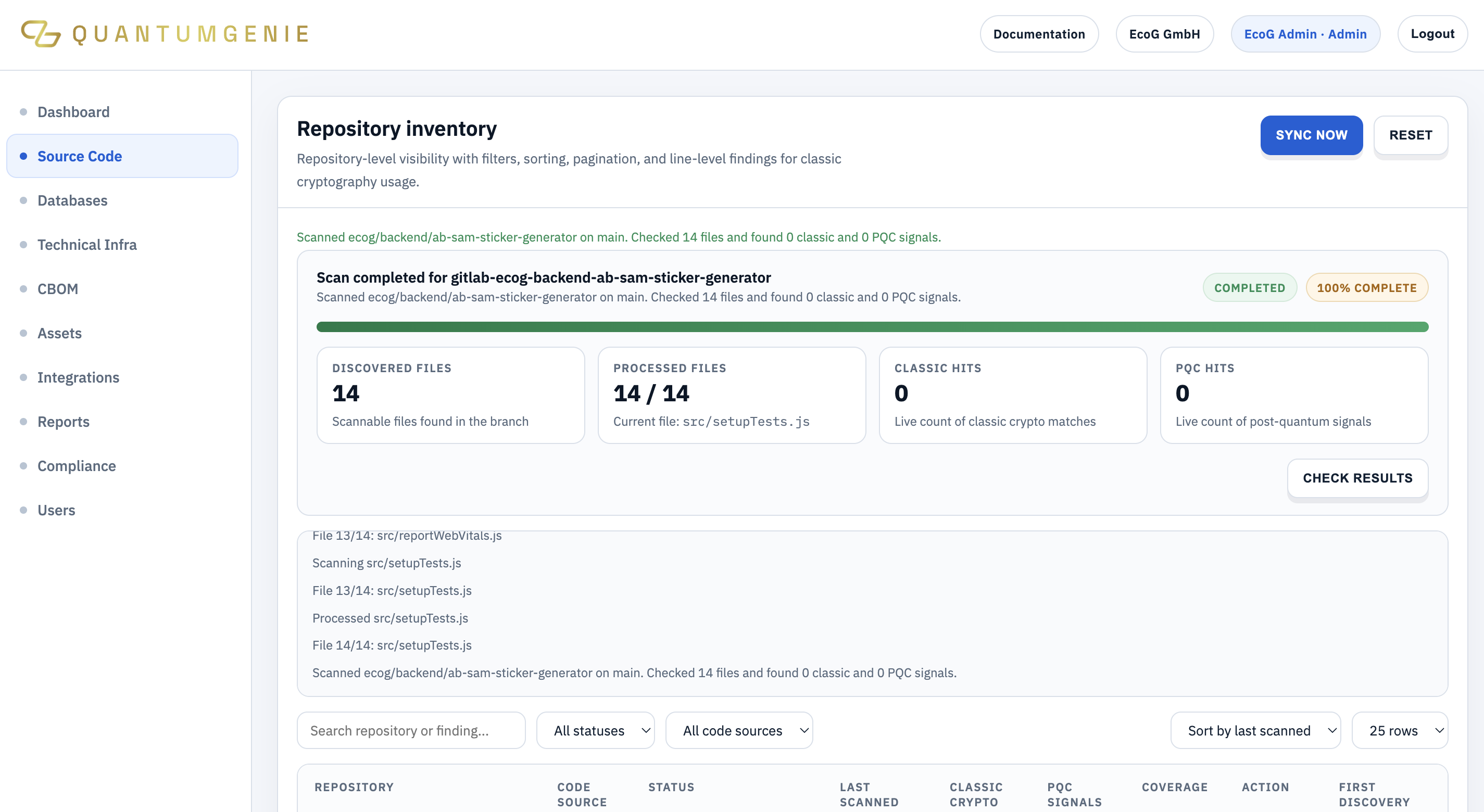
QuantumGenie directly supports these critical enterprise needs by delivering precise, automated visibility into cryptographic exposures through its CipherScan product. It maps cryptography across digital assets, building a cryptographic inventory and Component Bill of Materials (CBOM) that serve as the foundation for migration planning.
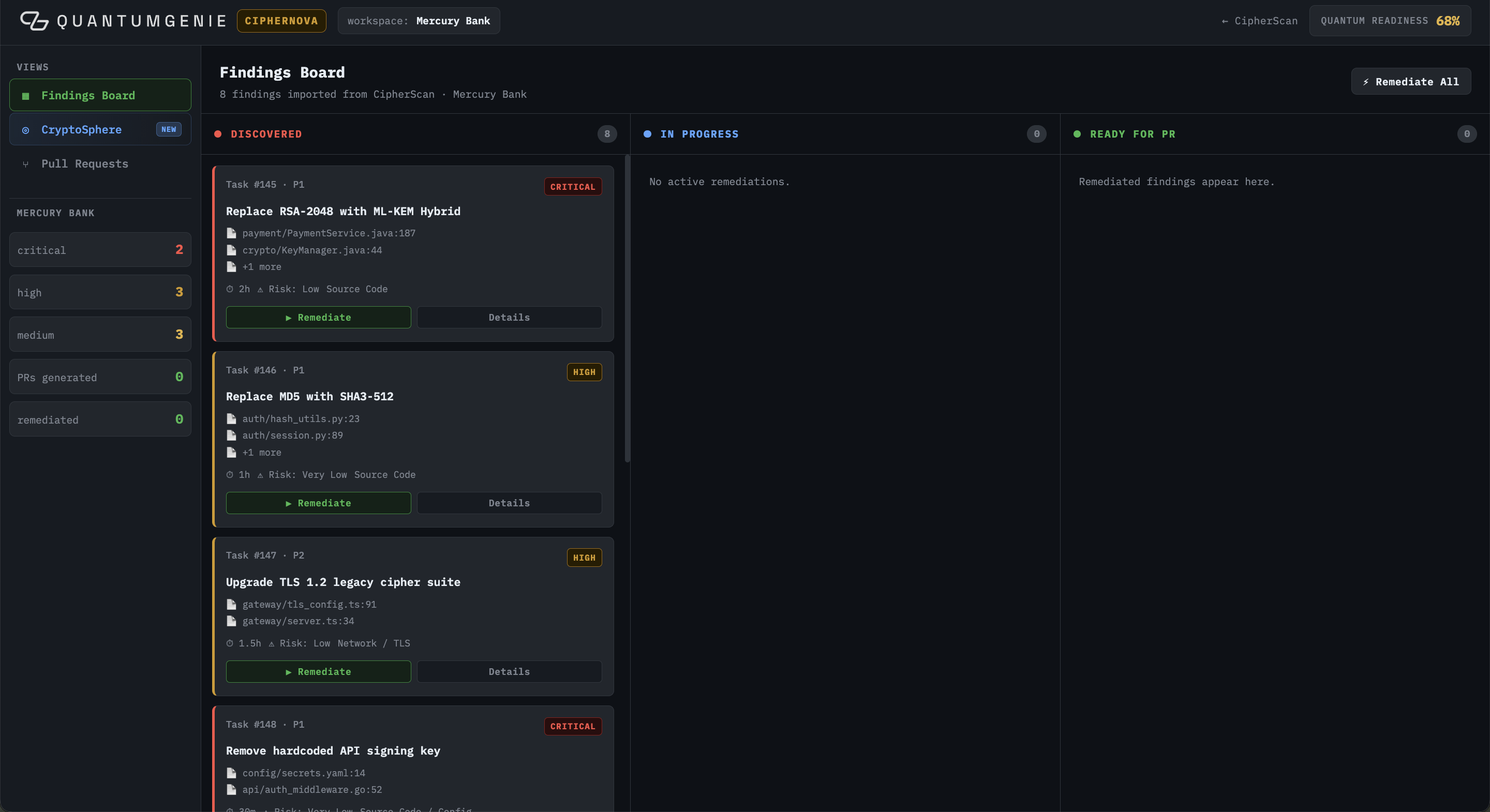
The platform's CipherNova module then facilitates prioritization of migration risks and coordinates remediation workflows, supporting change review, policy exceptions, and verification. This end-to-end management approach embodies the 'inventory first, remediate smartly' principle emphasized by leading industry voices. By operationalizing cryptographic discovery and governance, QuantumGenie empowers CISOs and security teams to execute post-quantum migration with confidence, meeting both security objectives and compliance mandates.
Frequently Asked Questions
Why is maintaining a cryptographic inventory crucial for post-quantum migration?
A cryptographic inventory provides essential visibility into where and how cryptographic algorithms are used within an enterprise's digital environment. This knowledge allows organizations to prioritize migration efforts, manage risks, comply with regulations, and avoid security gaps as they transition to quantum-resistant algorithms.
How does crypto-agility facilitate a smoother post-quantum transition?
Crypto-agility enables organizations to quickly replace or update cryptographic algorithms and implementations in response to new standards or emerging threats. This flexibility allows phased migration, reduces operational disruption, and mitigates risks associated with 'harvest-now, decrypt-later' attacks during the transition period.
Watch The Quantum Threat
Sources And Further Reading
- Post-Quantum Cryptography and the 2026 Cryptographic Inventory Zynap · Jul 9, 2026
- Post-Quantum Cryptography: Enterprise Migration Guide 2026 Hit Communications · Jun 25, 2026
- Post-Quantum Cryptography: What It Is and Migration Secra Solutions · Jul 6, 2026