In This Article
What This Means
- The Imperative of Post-Quantum Cryptography for Enterprises
- Challenges and Strategic Insights for Hybrid Migration
- How QuantumGenie Fits in Enterprise PQC Readiness
The Imperative of Post-Quantum Cryptography for Enterprises
The rapid advancement of quantum computing threatens to render many classical cryptographic schemes insecure, introducing an urgent mandate for enterprises to transition their cryptographic infrastructure. A comprehensive 2025 survey from arXiv deeply examines the landscape of post-quantum cryptography, underlining enterprise-centric challenges and solutions. It highlights the complex taxonomy of PQC algorithms, the critical performance trade-offs, and the nuanced considerations necessary for selecting hybrid migration paths that mix classical and quantum-resistant primitives.
For enterprises, the key takeaway is the necessity of embedding crypto-agility — the ability to seamlessly switch cryptographic algorithms in response to emerging threats or standards. The survey stresses that hybrid migration approaches, combining existing cryptography with PQC algorithms during a transitional phase, are currently the most viable strategy to balance security, compliance, and operational continuity.
Challenges and Strategic Insights for Hybrid Migration
Implementing PQC within live enterprise systems is not a plug-and-play upgrade. The survey outlines substantial hurdles including complexity in cryptographic inventorying, legacy system integration, performance impacts, and audit readiness. It calls for structured processes that begin with thorough discovery of cryptography footprints across certificates, applications, network protocols, and key lifecycle management.
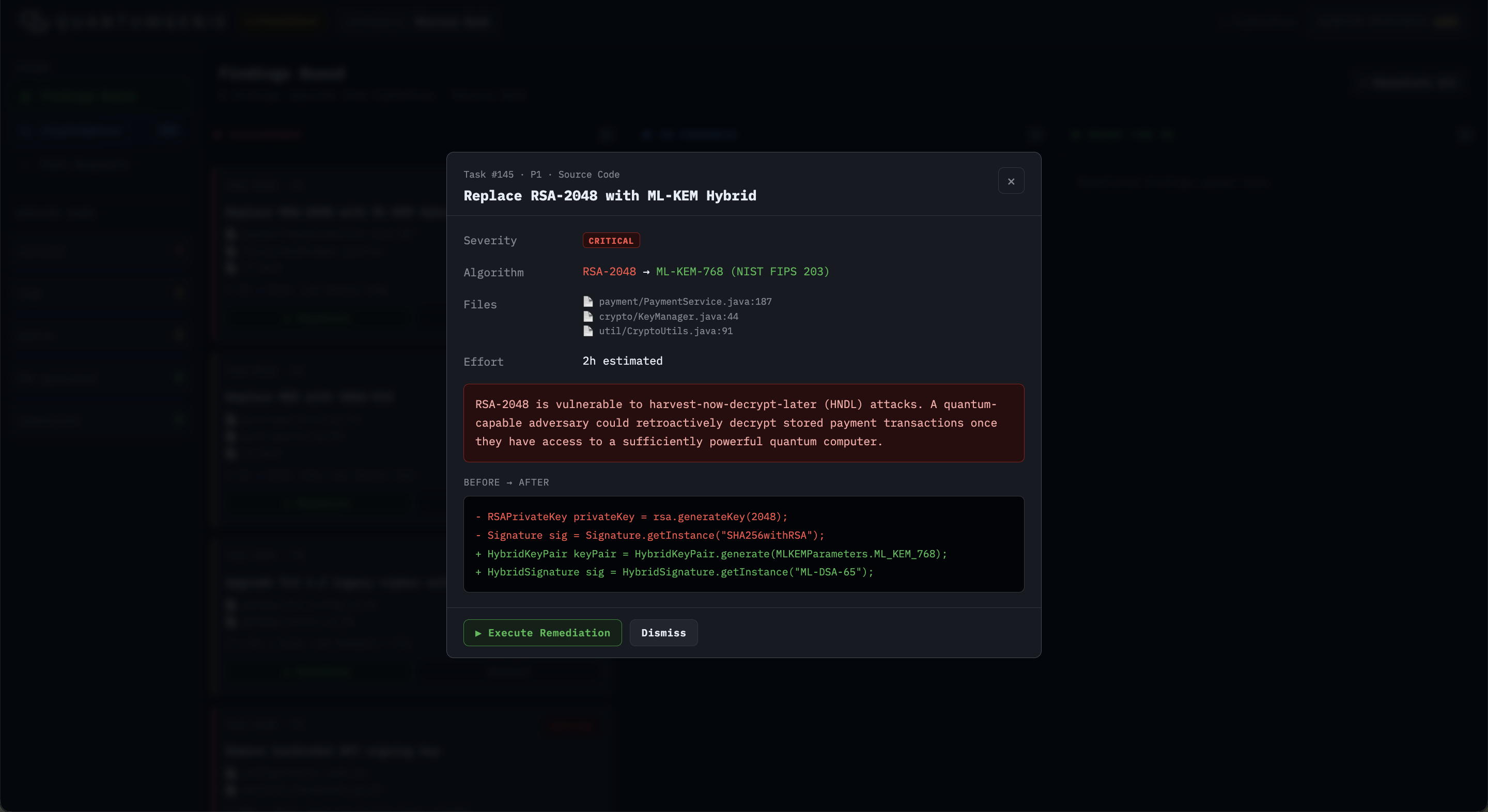
Further, the report advocates for validated migration methodologies that adopt a hybrid model — layering PQC algorithms such as ML-KEM or SLH-DSA alongside classical algorithms to mitigate risk during the transition. This approach also facilitates regulatory compliance by producing audit-ready evidence, reducing uncertainty around certification and standards adherence. Enterprises must plan migration that accounts for disrupted workflows, prioritizes assets by risk, and maintains business continuity.

Comparative Overview of PQC Migration Approaches
| Aspect | Classical Cryptography | Hybrid Migration |
|---|---|---|
| Security Assurance | Vulnerable to quantum attacks | Balanced between legacy and quantum-resistance |
| Performance Impact | Proven and efficient | Moderate overhead due to dual algorithms |
| Deployment Complexity | Mature and standardized | Complex integration and testing |
| Compliance Readiness | Established standards | Requires audit-ready evidence and governance |
How QuantumGenie Fits in Enterprise PQC Readiness
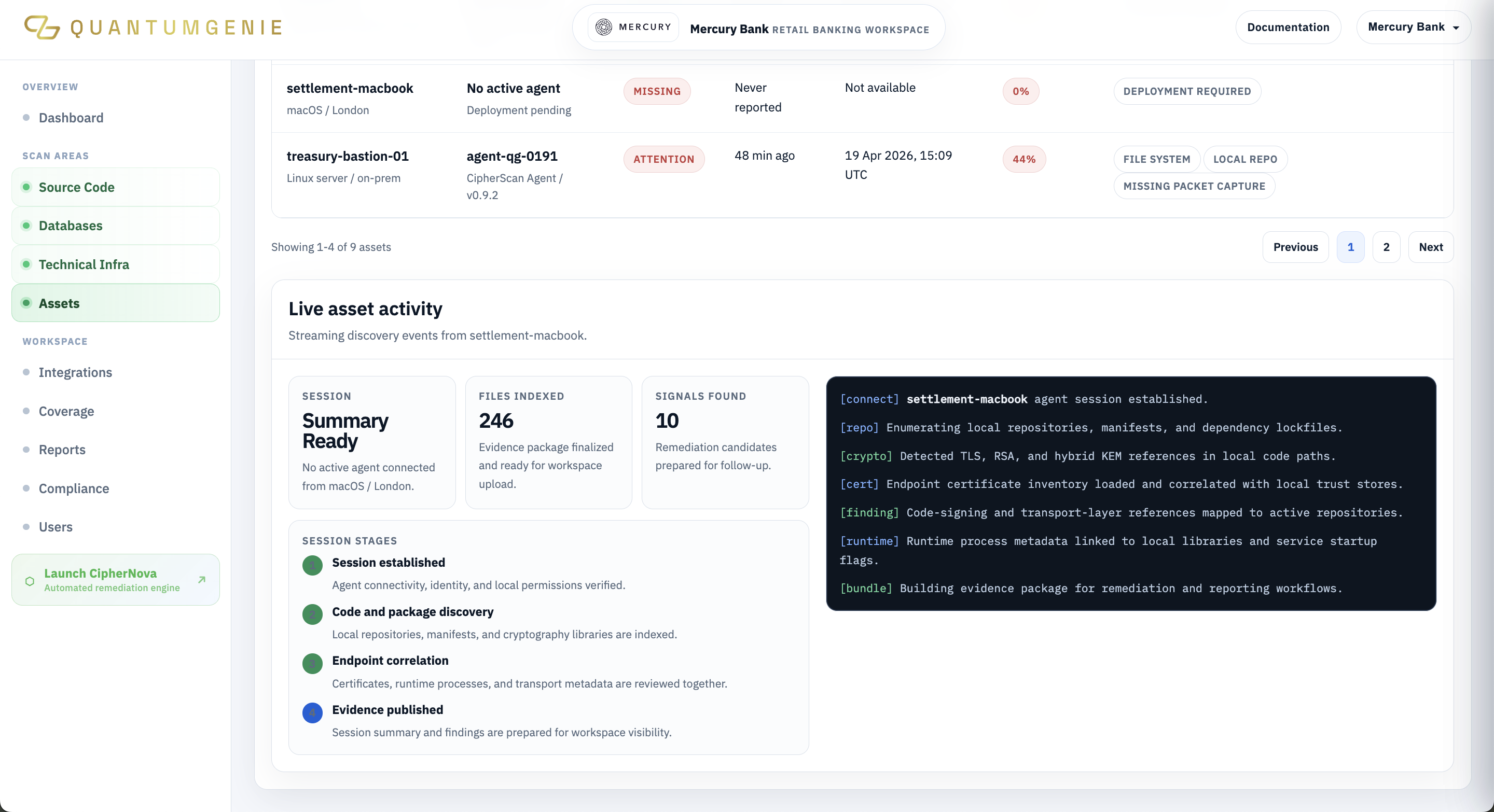
QuantumGenie aligns strongly with these strategic imperatives by providing an integrated platform that empowers enterprises to discover cryptographic usages comprehensively, building an accurate cryptographic inventory and component bill of materials (CBOM). With CipherScan, organizations can automatically detect cryptography across websites, certificates, codebases, and infrastructure, forming a foundational baseline for risk prioritization.
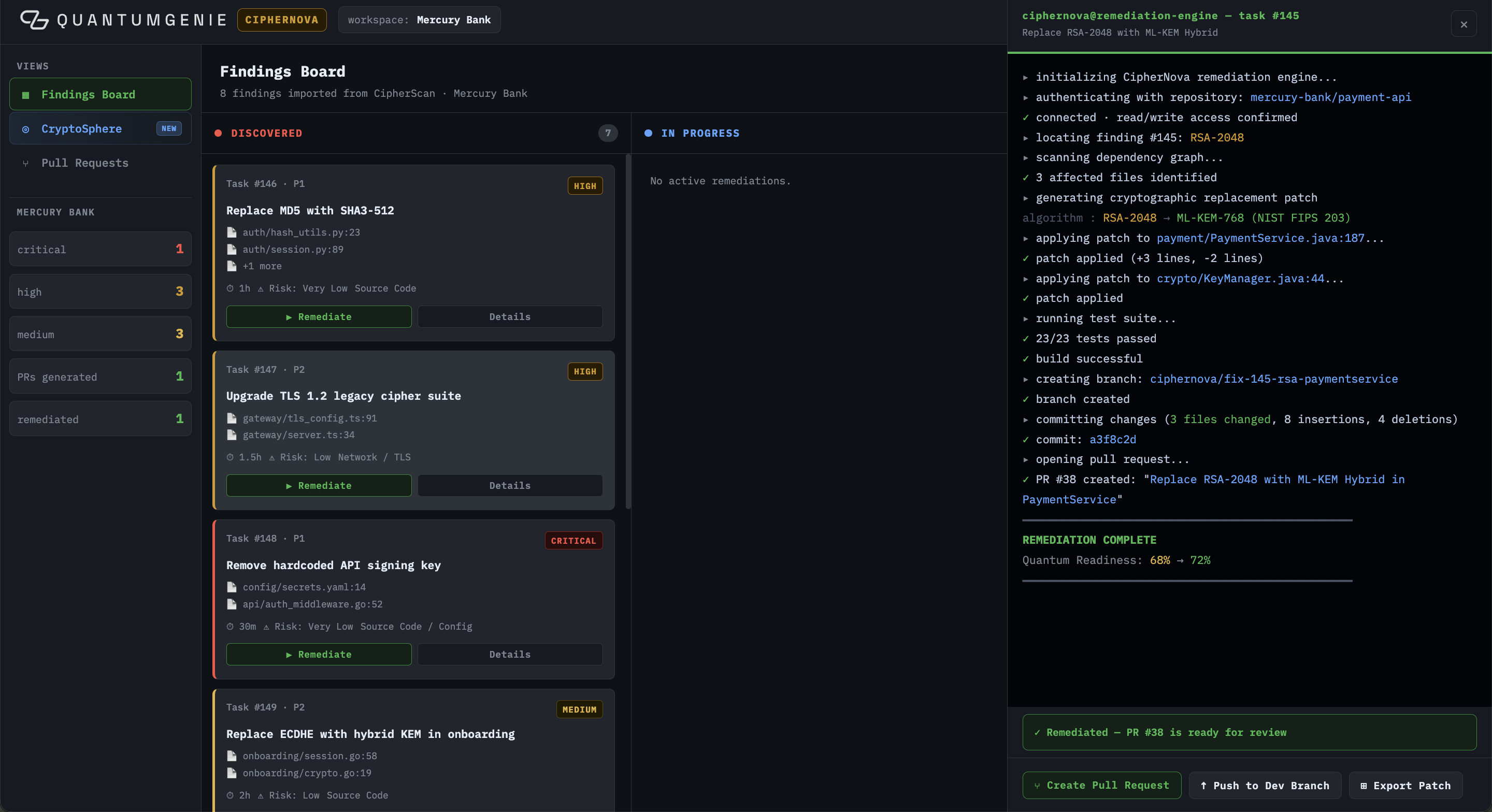
The CipherNova remediation layer then operationalizes migration strategies by managing pull requests, policy exceptions, change reviews, and workflow validations essential for hybrid migration adoption. This combination supports enterprises in implementing crypto-agility and hybrid models recommended by the survey, while generating the audit-ready evidence needed to satisfy evolving compliance standards. QuantumGenie thus reduces complexity and helps anchor migration programs in visibility, governance, and measured execution.
Frequently Asked Questions
Why should enterprises prioritize crypto-agility in post-quantum migration?
Crypto-agility enables organizations to switch cryptographic algorithms efficiently in response to new threats or standards, minimizing risk and future-proofing security investments during the transition to quantum-safe algorithms.
How does a hybrid migration model benefit enterprise PQC adoption?
Hybrid migration layers quantum-resistant algorithms alongside classical ones, balancing security and operational continuity. It allows incremental upgrades, mitigates risks during migration, and supports compliance by generating audit-ready validation evidence.
Watch The Quantum Threat
Sources And Further Reading
- Post-Quantum Cryptography and Quantum-Safe Security: A Comprehensive Survey arXiv · Oct 12, 2025
- Post-Quantum Readiness | ML-KEM & SLH-DSA Migration | FEDLIN FEDLIN · Jul 10, 2026