In This Article
What This Means
- The Post-Quantum Landscape: Complexity Meets Urgency
- Real-World Signals: Migration Frameworks and Deadlines
- How QuantumGenie Fits: From Discovery to Pragmatic Migration
The Post-Quantum Landscape: Complexity Meets Urgency
A significant academic milestone was achieved with the release of a comprehensive survey on post-quantum cryptography (PQC) in late 2025. This survey doesn’t just explain cryptographic primitives resistant to quantum attacks but maps the entire ecosystem of PQC algorithms, performance considerations, and sector-specific deployment scenarios. For enterprise CISOs and technical leaders, this kind of broad, detailed perspective is key to understanding that PQC is neither monolithic nor a one-size-fits-all solution. It is a complex matrix of algorithm choices, compatibility trade-offs, and practical operational demands.
The survey underscores that quantum-safe security solutions come with varied performance impacts and integration challenges depending on use case — whether in authentication, data protection, or secure communications. Enterprises must anticipate a phased approach where prioritizing critical assets and workflows for PQC upgrades will be more practical than attempting a broad, simultaneous flip.
Real-World Signals: Migration Frameworks and Deadlines
The theoretical foundations laid out in such surveys are mirrored in tangible enterprise signals. For example, Meta’s detailed PQC migration playbook reveals how a global-scale service approaches stepwise implementation, governance, and risk management for PQC adoption. This concrete framework provides a blueprint for enterprises seeking to balance cryptographic agility with operational continuity.
Similarly, Google’s public announcement of a 2029 deadline to migrate authentication services to quantum-resistant algorithms acts as a market signal underscoring PQC urgency. These milestones indicate that enterprise leaders cannot defer action — robust discovery, inventory, and planning must begin now to meet evolving standards and ensure continuity of security assurance as quantum computing capabilities mature.

Key PQC Deployment Considerations from the Survey
| Aspect | Details | Enterprise Implications |
|---|---|---|
| Algorithm Diversity | Various NIST-approved schemes (lattice, code-based, multivariate) | Requires evaluation of algorithm suitability per system and performance profile |
| Performance Impact | Increased computational and communication overhead | Needs benchmarking to balance security and system efficiency |
| Integration Complexity | Compatibility with existing protocols and infrastructure | Demands phased rollout and backward compatibility strategies |
| Security Assurance | Resistance to different quantum attacks with varying confidence levels | Necessitates multi-layered security and contingency planning |
How QuantumGenie Fits: From Discovery to Pragmatic Migration
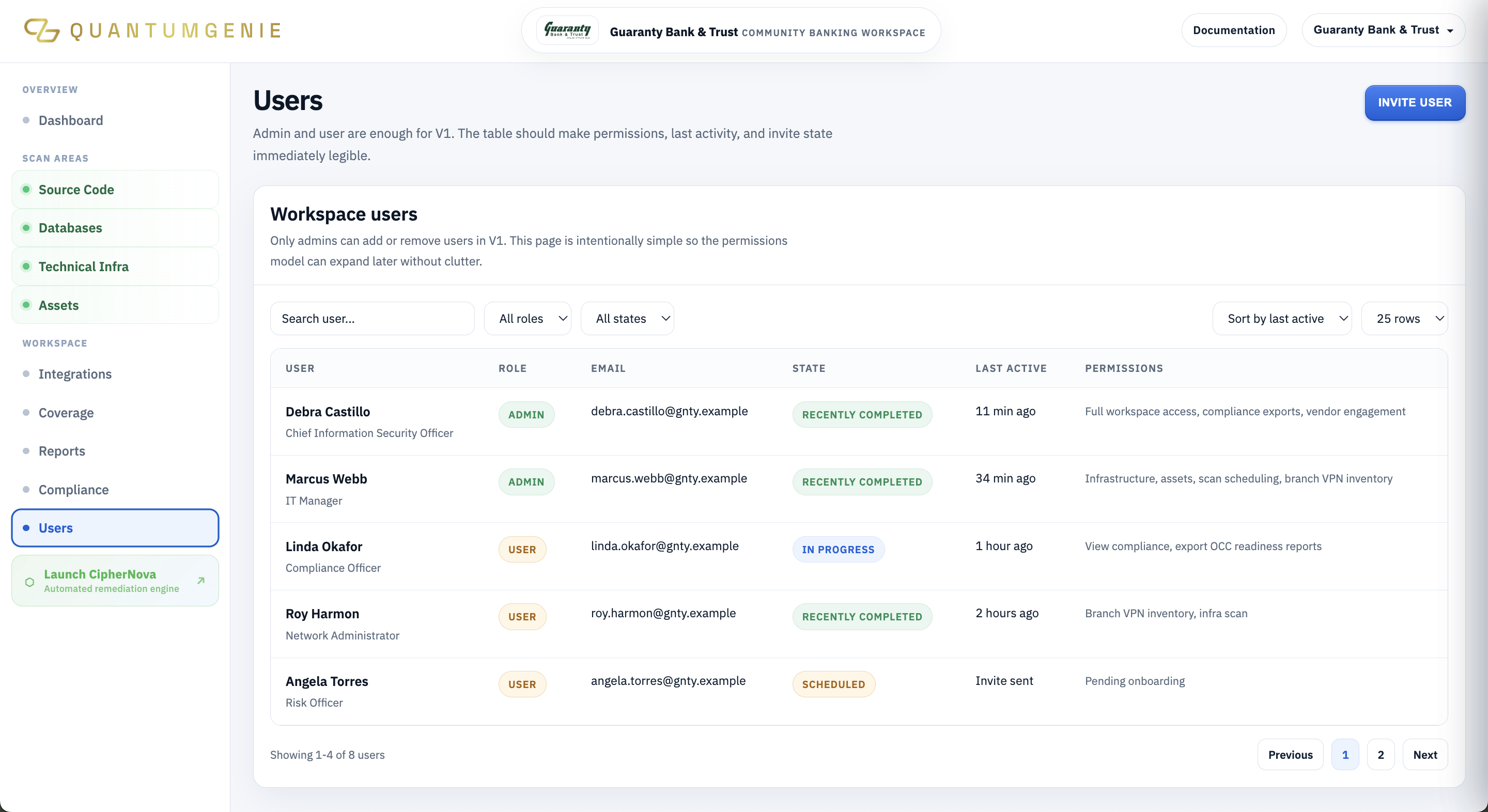
QuantumGenie directly addresses the complexity outlined in the PQC landscape by offering enterprises structured cryptographic discovery and inventory capabilities essential for building a comprehensive cryptographic bill of materials (CBOM). Its CipherScan layer delivers visibility into cryptographic usage across diverse infrastructure components, including applications, certificates, and key stores, forming the foundational knowledge required for sound migration planning.
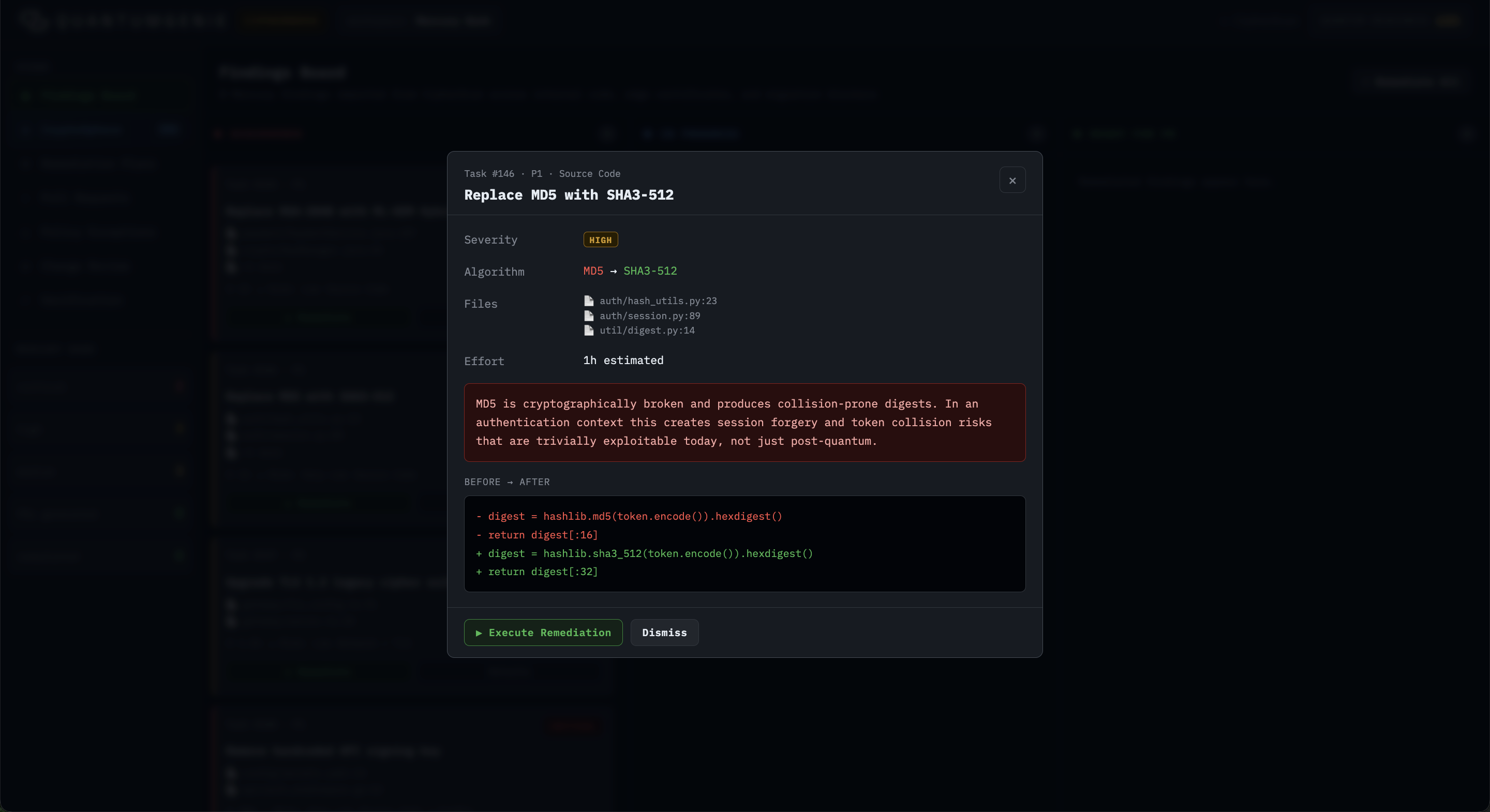
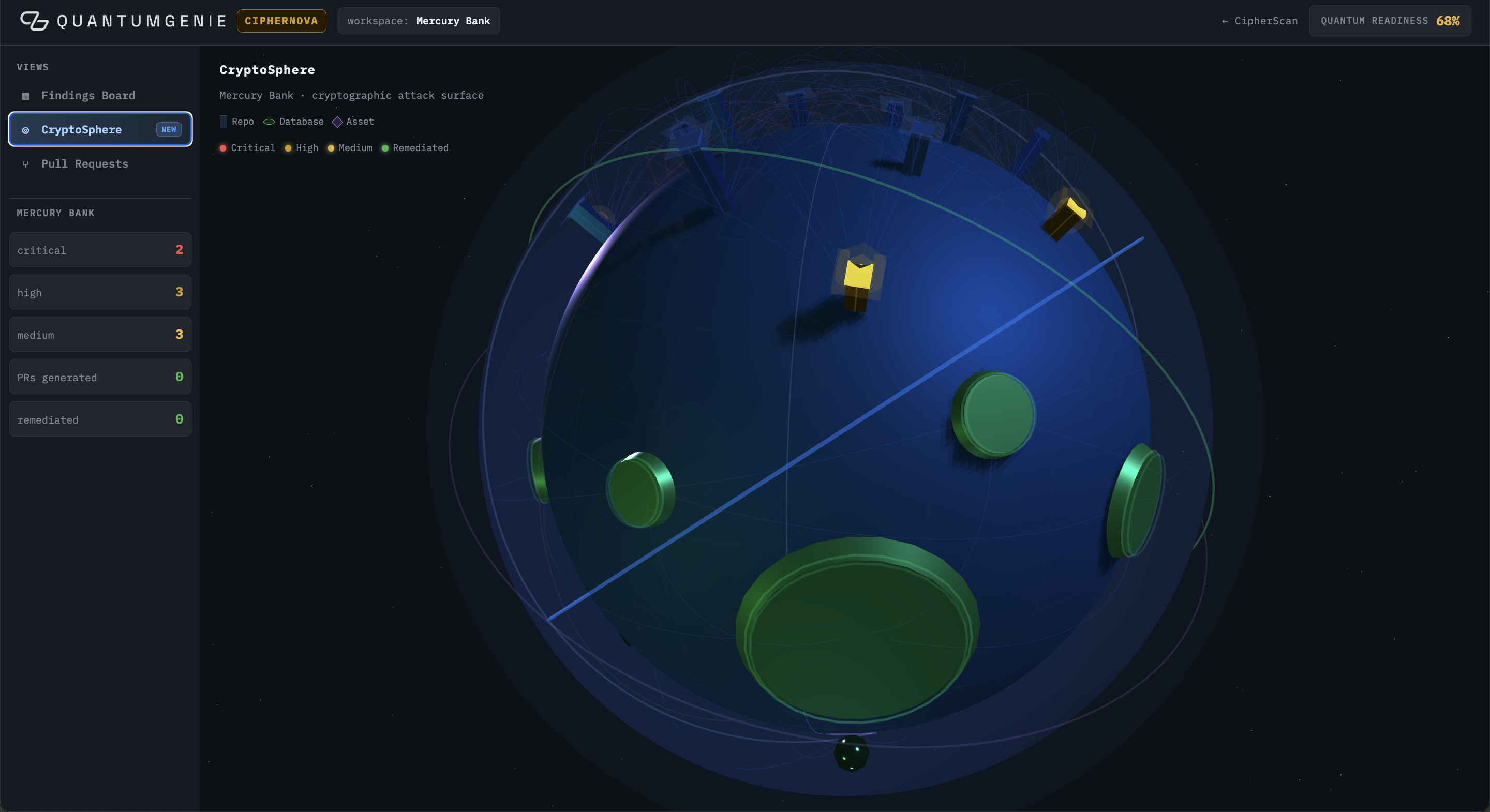
Beyond discovery, QuantumGenie supports prioritization of migration risk and remediation workflows through its CipherNova orchestration layer. This practical approach aligns perfectly with the survey’s emphasis on phased, use-case-driven PQC adoption and the operational realities signaled by leading enterprises. QuantumGenie empowers security teams to track, govern, and execute PQC migration with precision and accountability — critical prerequisites for successful, enterprise-scale cryptographic modernization.
Frequently Asked Questions
Why is building a cryptographic inventory crucial before beginning PQC migration?
A detailed cryptographic inventory identifies all points of cryptographic usage across the enterprise, enabling informed prioritization, risk assessment, and planning. Without this visibility, migration efforts risk missing critical assets or causing service disruptions.
How can enterprises manage performance trade-offs inherent in PQC algorithms?
Enterprises should conduct testing and benchmarking of candidate PQC algorithms in their specific environments to understand impacts on speed and resource usage. A phased migration focused on critical assets first helps balance security and performance.
Watch The Quantum Threat
Sources And Further Reading
- Post-Quantum Cryptography and Quantum-Safe Security: A Comprehensive Survey arXiv · Oct 12, 2025
- Meta Releases Comprehensive Post-Quantum Cryptography Migration Playbook Post-Quantum · Apr 18, 2026
- Google Sets 2029 Deadline for Post-Quantum Cryptography Migration in Authentication Services CoinDesk · Mar 28, 2026