In This Article
What This Means
- Why Continuous Cryptographic Agility Is the New Enterprise Imperative
- Operational Challenges in Implementing Continuous Cryptographic Change
- How QuantumGenie Fits into the Future of Post-Quantum Crypto Management
Why Continuous Cryptographic Agility Is the New Enterprise Imperative
With accelerating advances in quantum computing, enterprises face a rapidly narrowing window to protect sensitive data from the looming threat of quantum attacks. Recent announcements, such as PKWARE's re-engineered key management for continuous cryptographic updates, signal a fundamental shift away from traditional, lengthy migration cycles toward agile, real-time cryptographic change management. Rather than periodic, disruptive migrations spanning multiple quarters, enterprises now need to embed flexibility to deploy post-quantum algorithms continuously across their diverse infrastructure and application stacks.
This transformation is driven by multiple factors: the expected arrival of cryptographically relevant quantum computers within the next few years, increased regulatory scrutiny on cryptographic policies, and the complexity of managing crypto changes across hybrid and cloud environments. Forward-looking organizations recognize that a one-and-done migration strategy is no longer tenable; instead, ongoing adaptation and rapid remediation capability become core security pillars.
Operational Challenges in Implementing Continuous Cryptographic Change
Deployment of continuous cryptographic updates involves significant operational complexity. Cryptographic keys and algorithms are embedded deeply in certificates, codebases, databases, network protocols, and integrations across the enterprise. Without comprehensive cryptographic inventory and real-time visibility, IT and security teams cannot accurately assess exposure or prioritize remediation efforts effectively.
Moreover, delivering cryptographic changes incrementally requires robust orchestration tooling and workflow automation to manage pull requests, policy exceptions, and verification processes without disrupting business operations. Legacy tooling and manual processes simply do not scale to this new model, risking gaps that expose enterprises to harvest-now-decrypt-later vulnerabilities as quantum threats accelerate.
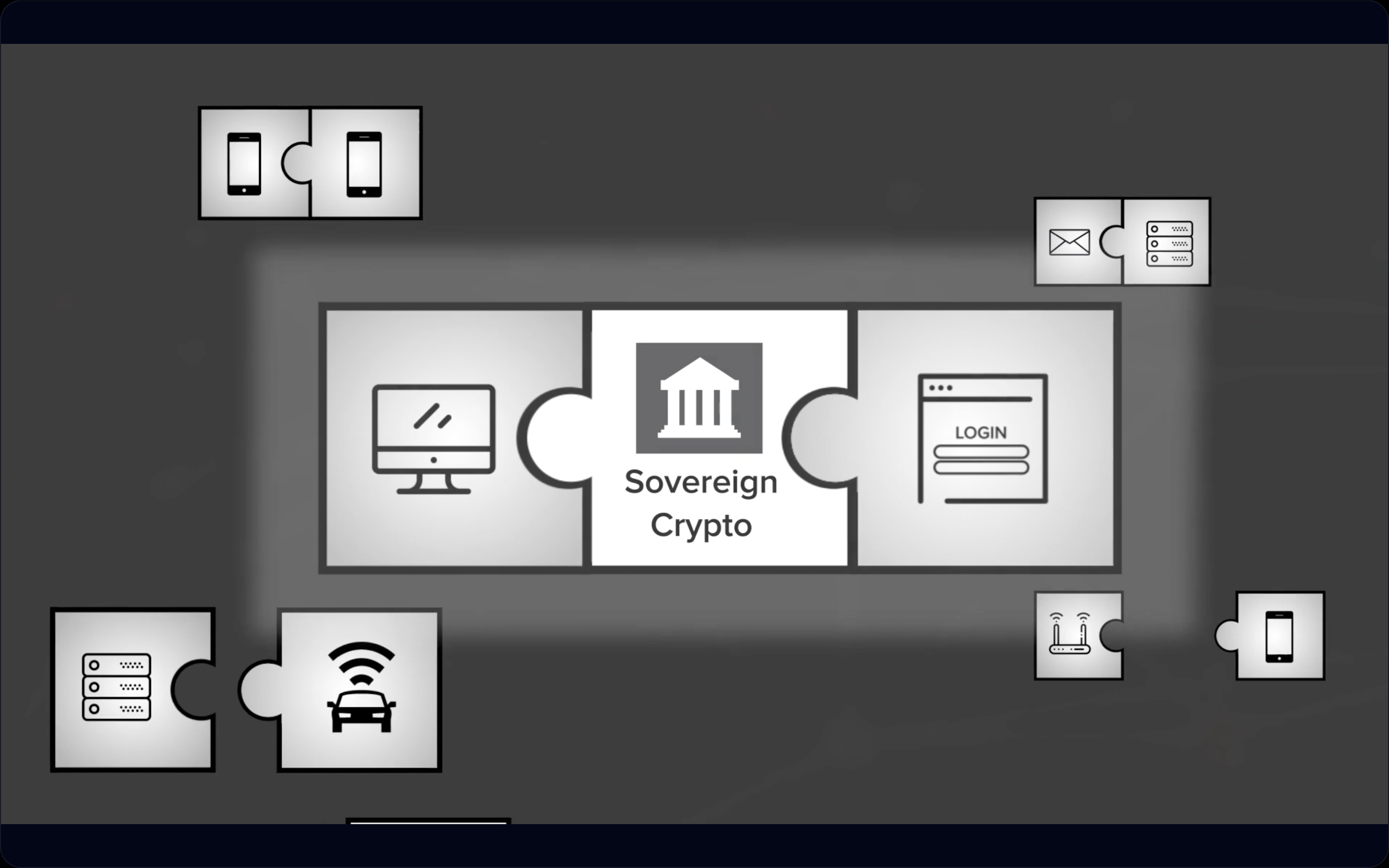
Key Differences: Traditional vs. Continuous Cryptographic Migration
| Aspect | Traditional Migration | Continuous Cryptographic Change |
|---|---|---|
| Timeline | Multi-quarter, project-based | Ongoing, real-time updates |
| Visibility | Partial, static discovery snapshots | Comprehensive, continuous inventory |
| Risk Management | Periodic assessments | Continuous prioritization and monitoring |
| Operational Model | Manual, siloed | Automated, integrated workflows |
How QuantumGenie Fits into the Future of Post-Quantum Crypto Management
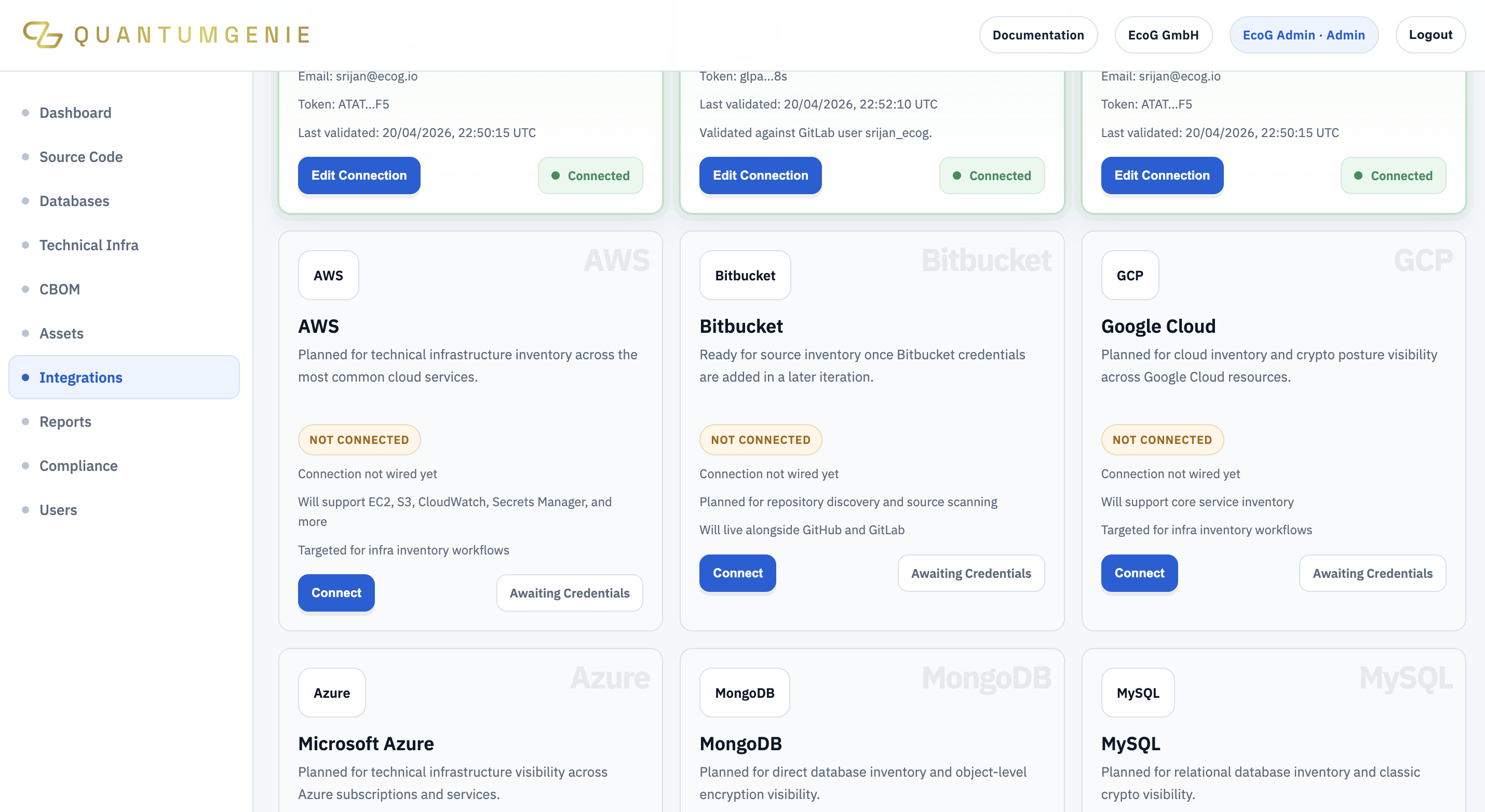
QuantumGenie addresses these critical challenges by providing an integrated platform that spans cryptographic discovery, prioritization, and remediation orchestration. Its CipherScan component builds a comprehensive cryptographic inventory and component bill-of-materials (CBOM) across websites, certificates, code, and infrastructure, enabling enterprises to understand their crypto risk surface before initiating changes.
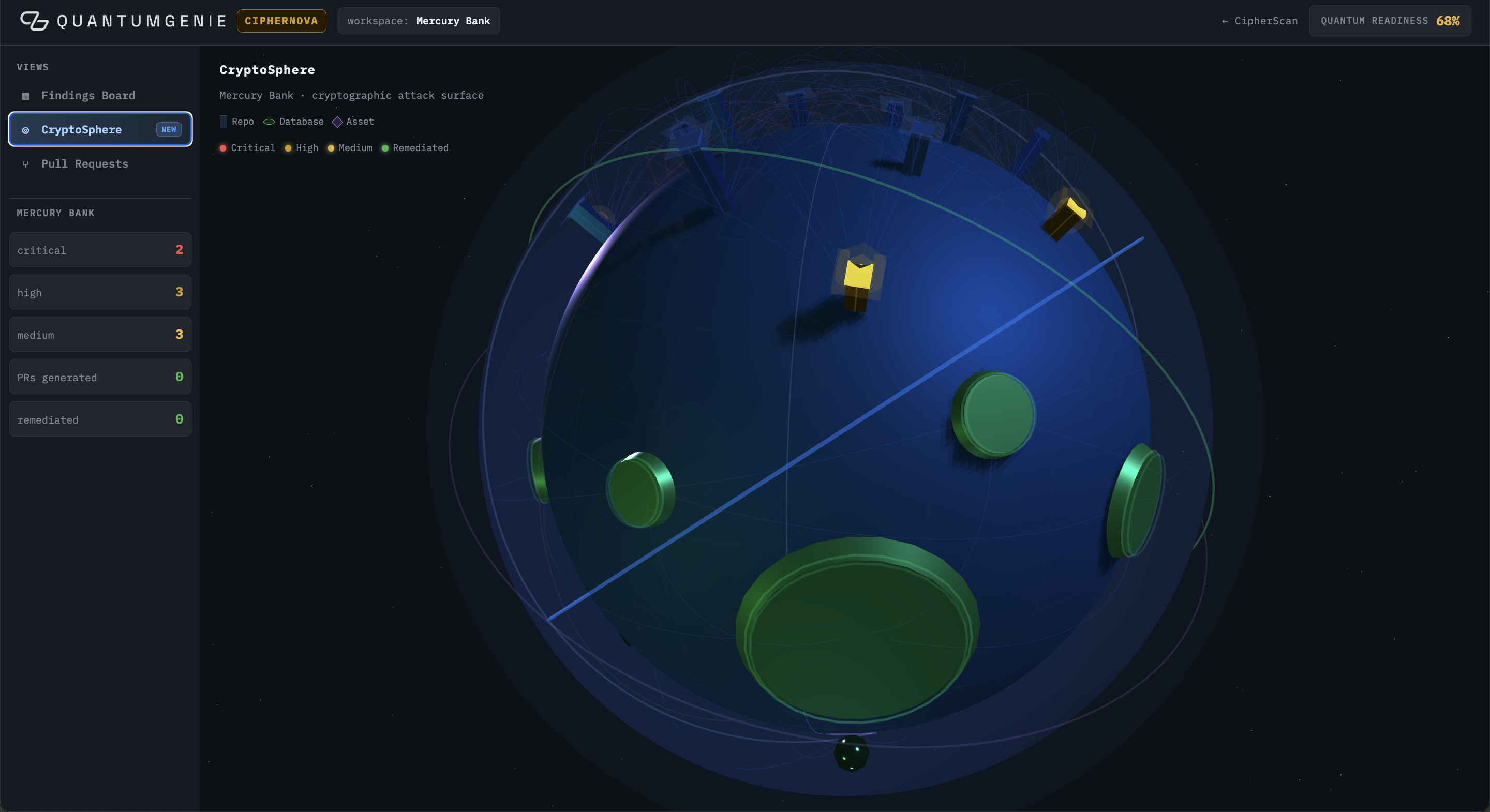
Meanwhile, CipherNova facilitates the ongoing workflow management essential for continuous cryptographic agility. It supports managing remediation plans, pull request automation, policy exception handling, and verification checks, enabling security and DevOps teams to collaborate seamlessly and scale cryptographic updates without delay.
Frequently Asked Questions
Why is continuous cryptographic change necessary for post-quantum readiness?
Continuous cryptographic change allows enterprises to quickly adapt to new post-quantum standards and emerging threats without waiting for long migration cycles, reducing the window of vulnerability.
How does QuantumGenie support agility in post-quantum cryptographic updates?
QuantumGenie provides continuous discovery, exposure visibility, prioritized risk management, and workflow orchestration that align operational teams to efficiently manage and deploy ongoing cryptographic changes.
Watch The Quantum Threat
Sources And Further Reading
- PKWARE Redesigns Key Management for Continuous Cryptographic Updates in Post-Quantum Era PR Newswire · Jun 1, 2026
- Microsoft Updates Quantum Safe Program Timeline to 2029 Amid Accelerated Quantum Computing Developments PC Gamer · Jul 6, 2026
- AT&T Business Launches Post-Quantum Cryptography Secure SD-WAN, Powered by Cisco AT&T · May 11, 2026