In This Article
What This Means
- Understanding the Urgency of Post-Quantum Crypto Migration
- The Critical Role of Crypto Discovery and Continuous Agility
- How QuantumGenie Fits into the Post-Quantum Migration Landscape
Understanding the Urgency of Post-Quantum Crypto Migration
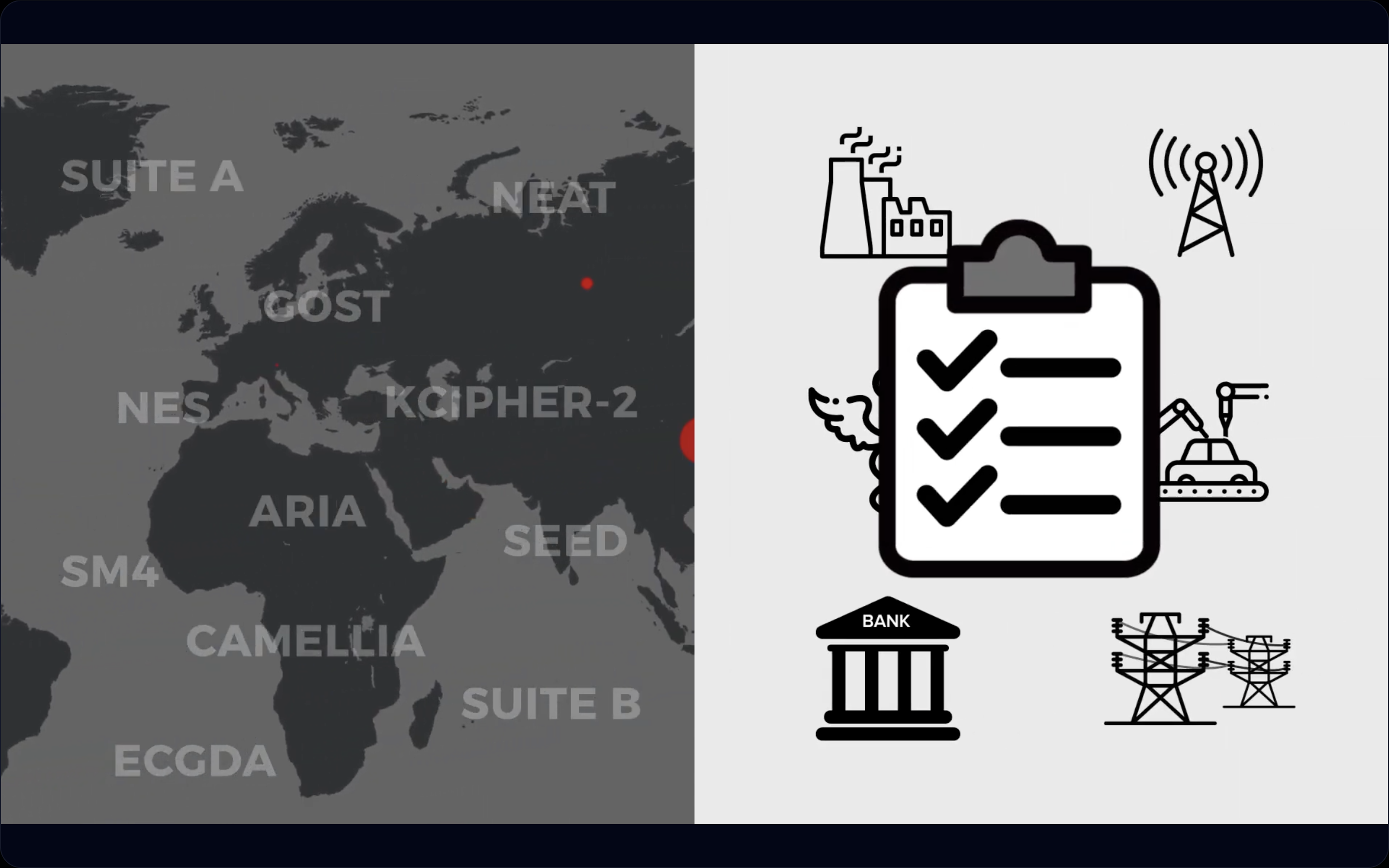
The rise of quantum computing threatens traditional asymmetric cryptography, compelling enterprises to replace vulnerable algorithms with quantum-resistant alternatives. The Open Security Architecture’s recent guidance stresses that organizations cannot afford to delay adopting post-quantum cryptography (PQC). Yet, this shift goes well beyond swapping algorithms — it demands comprehensive crypto-agility: the capacity to flexibly and consistently transition cryptographic mechanisms without breaking dependent systems.
The Critical Role of Crypto Discovery and Continuous Agility
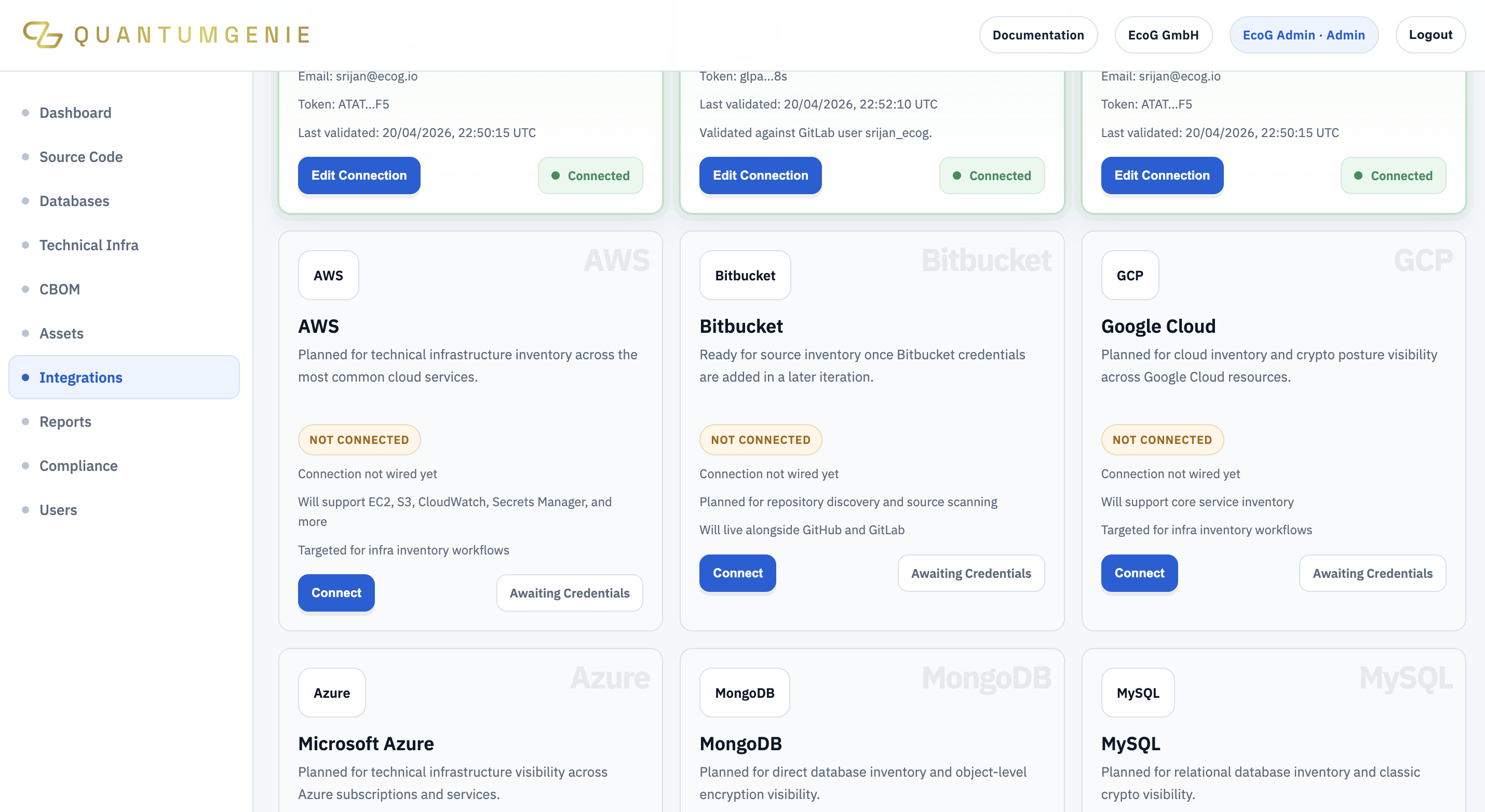
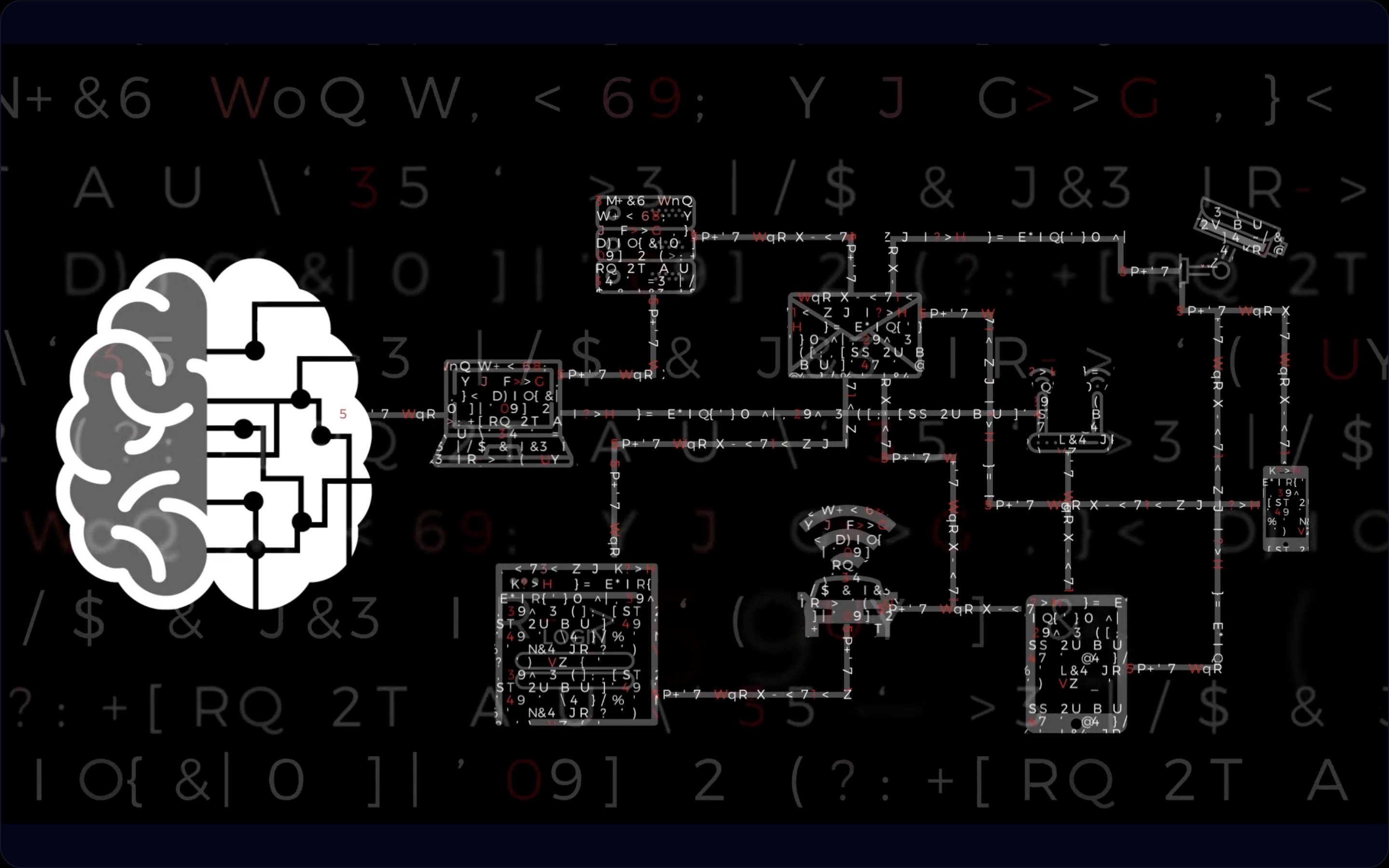
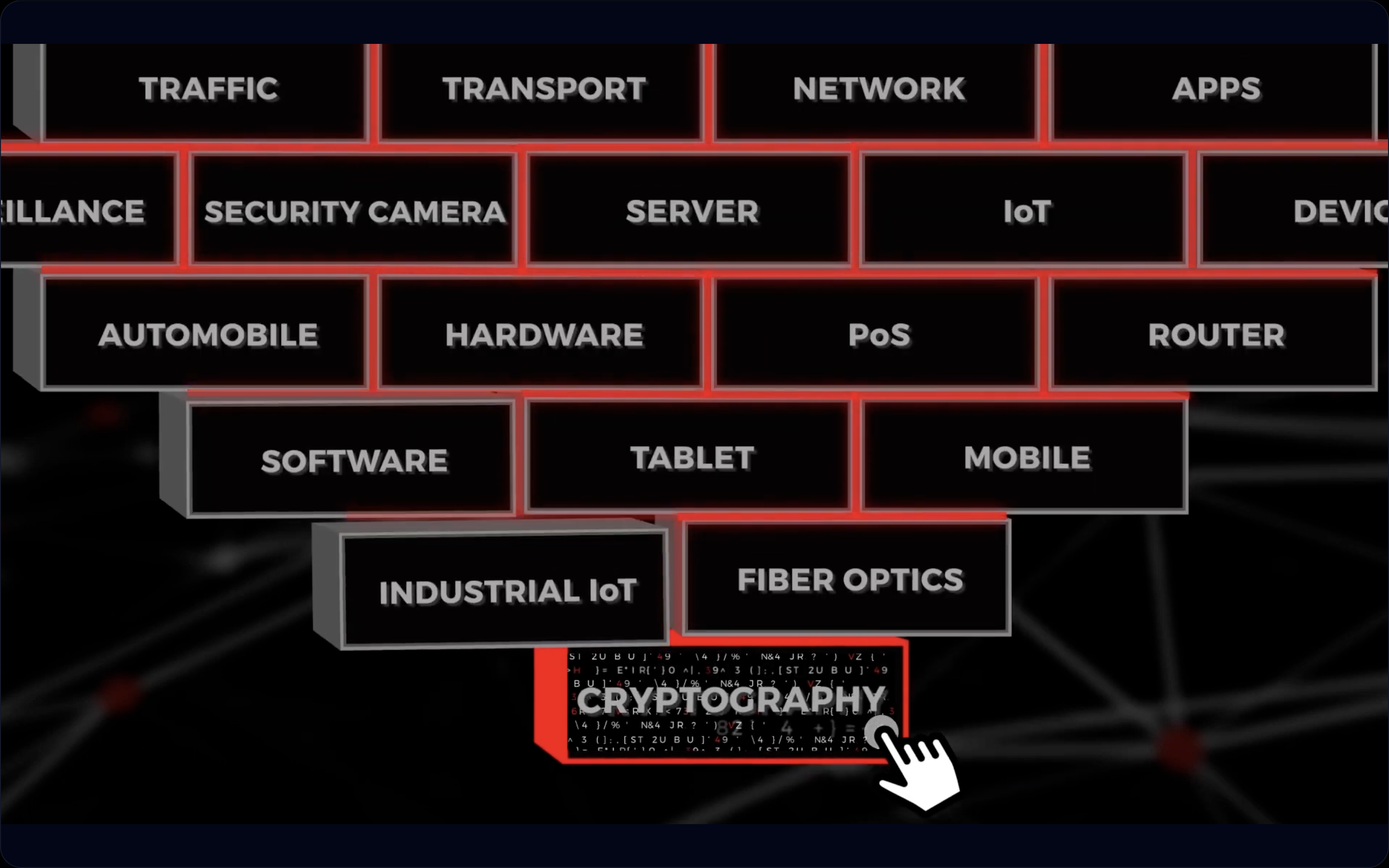
Success in PQC migration hinges on uncovering where cryptography lives within an enterprise’s sprawling infrastructure — across codebases, infrastructure, applications, certificates, and integrations. Platforms like pqAgility illustrate how AI-driven cryptographic discovery empowers teams to assemble accurate inventories essential for risk assessment and migration planning.
Additionally, enterprises must embed continuous crypto-agility to seamlessly update algorithms as PQC standards evolve. PKWARE’s model of agent-based, incremental key management updates exemplifies how ongoing flexibility prevents lock-in and reduces operational risk.
Key Elements of Post-Quantum Cryptography Migration
| Element | Enterprise Consideration | QuantumGenie Capability |
|---|---|---|
| Cryptographic Inventory | Comprehensive discovery across all assets is needed to understand exposure. | CipherScan automates discovery of cryptographic usage across environments. |
| Risk Assessment | Prioritize migration based on algorithm risk and business impact. | Supports risk-based planning with detailed asset context. |
| Crypto-Agility | Ability to update algorithms continuously and flexibly. | Orchestration workflows via CipherNova enable controlled remediation. |
| Compliance Readiness | Proof of inventory and migration progress for regulatory demands. | Built-in evidence generation and policy enforcement capabilities. |
How QuantumGenie Fits into the Post-Quantum Migration Landscape
QuantumGenie aligns perfectly with these strategic imperatives by offering an enterprise-grade platform that makes cryptographic inventory visible, actionable, and governable. Through CipherScan, it discovers cryptographic exposure and creates a detailed inventory (or cryptographic Bill of Materials). Its prioritization and migration orchestration workflows (via CipherNova) streamline remediation and ensure compliance readiness.
For CISOs and architects, QuantumGenie addresses the foundational challenge of mapping cryptography before migration — a crucial prerequisite often overlooked but vital to avoid fragmented and high-risk PQC transitions. By integrating risk prioritization and workflow controls, it operationalizes crypto-agility, enabling enterprises to migrate confidently and maintain resilient security posture in a quantum-enabled future.
Frequently Asked Questions
Why is crypto-agility essential for post-quantum readiness?
Crypto-agility enables enterprises to rapidly replace or update cryptographic algorithms and protocols in response to emerging quantum threats or new standards, ensuring long-term security without disruptive system overhauls.
How does cryptographic discovery help enterprises prepare for quantum threats?
Discovery identifies every location and use of cryptography within an organization's systems, providing the inventory necessary to assess quantum risk and plan effective, prioritized migrations before vulnerabilities can be exploited.
Watch The Quantum Threat
Sources And Further Reading
- Post-Quantum Cryptography and Quantum Readiness Open Security Architecture · Mar 1, 2026
- pqAgility — Cryptography Discovery, Inventory & Management pqAgility · Jul 1, 2026
- PKWARE Re-Engineers Key Management for Continuous Cryptographic Change PKWARE · Jun 1, 2026