In This Article
What This Means
- The Looming Quantum Cryptography Challenge
- Embracing Crypto-Agility for Strategic Resilience
- How QuantumGenie Enables Post-Quantum Preparedness
The Looming Quantum Cryptography Challenge
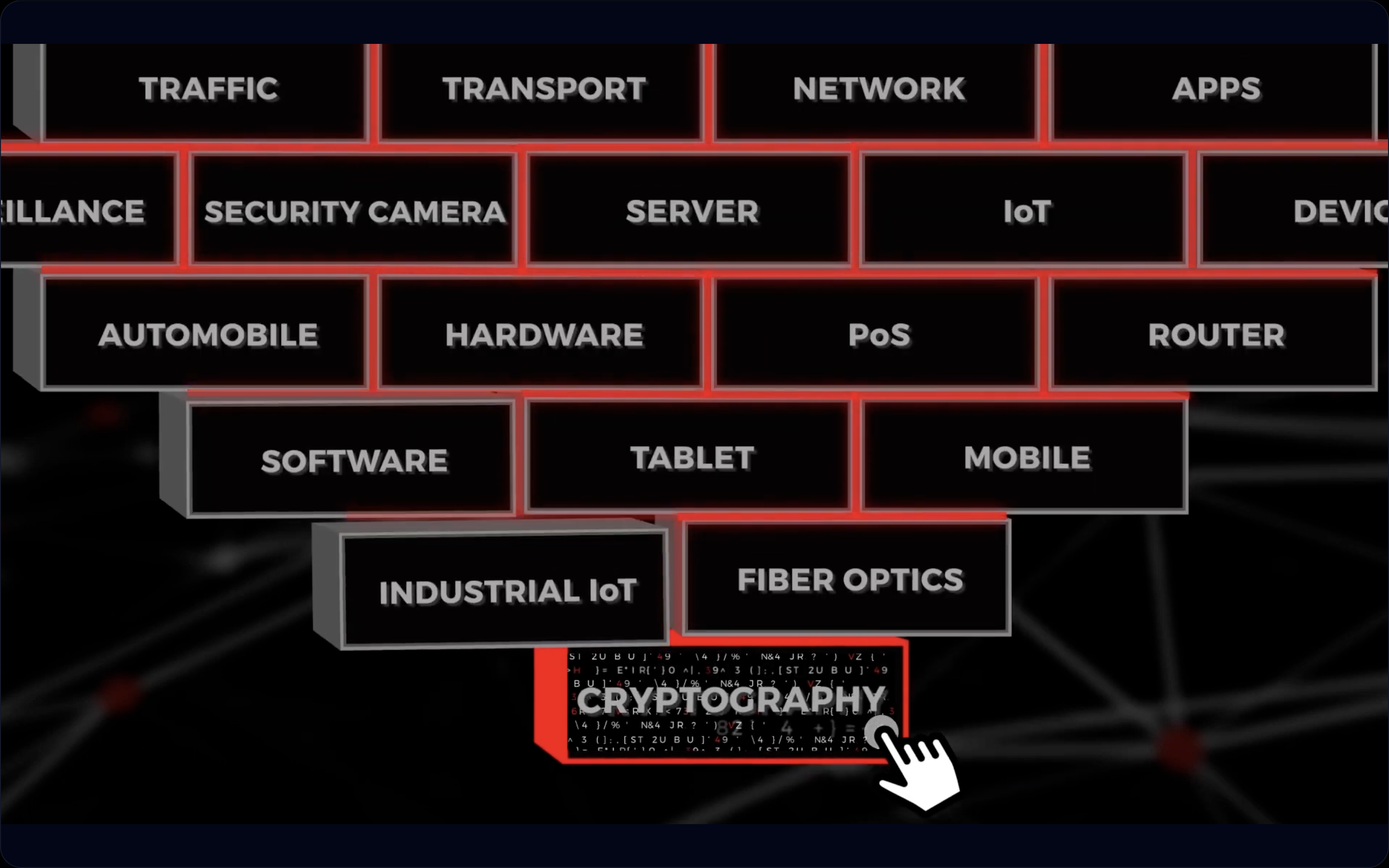
Quantum computing is no longer a distant theoretical concept; it poses an imminent threat to traditional cryptographic systems that underpin enterprise security. The 'Harvest Now, Decrypt Later' (HNDL) threat is especially pressing: adversaries can capture encrypted communications today and defer decryption until quantum computers have the capacity to break classical algorithms. This latent exposure underscores the critical urgency for enterprises to begin post-quantum preparedness immediately.
Embracing Crypto-Agility for Strategic Resilience
The primary strategy to mitigate quantum risks is to build crypto-agility—the ability to rapidly identify, replace, and adapt cryptographic components across the enterprise. This means developing a comprehensive cryptographic inventory; understanding where legacy algorithms are embedded in code, infrastructure, applications, and certificates; and having streamlined workflows to transition to post-quantum algorithms without disrupting business operations. Being crypto-agile also aligns with emerging standards and guidance from bodies like NIST, which stress the necessity for flexible, future-proof cryptographic architectures.
Key Enterprise Considerations in Post-Quantum Cryptography Readiness
| Consideration | Enterprise Implications | QuantumGenie Capabilities |
|---|---|---|
| Harvest Now, Decrypt Later Threat | Data captured today can be decrypted in the future, necessitating immediate action | Discovery of cryptographic exposures to prioritize and manage risk |
| Crypto-Agility Requirement | Need to inventory, track, and flexibly replace cryptographic components | Comprehensive cryptographic inventory and migration orchestration |
| Standards Alignment | Compliance with evolving post-quantum cryptography standards (e.g., NIST) | Supporting documentation and workflows for compliance evidence |
| Operational Continuity | Transition to post-quantum cryptography must maintain business operations | Automated change management and verification workflows |
How QuantumGenie Enables Post-Quantum Preparedness
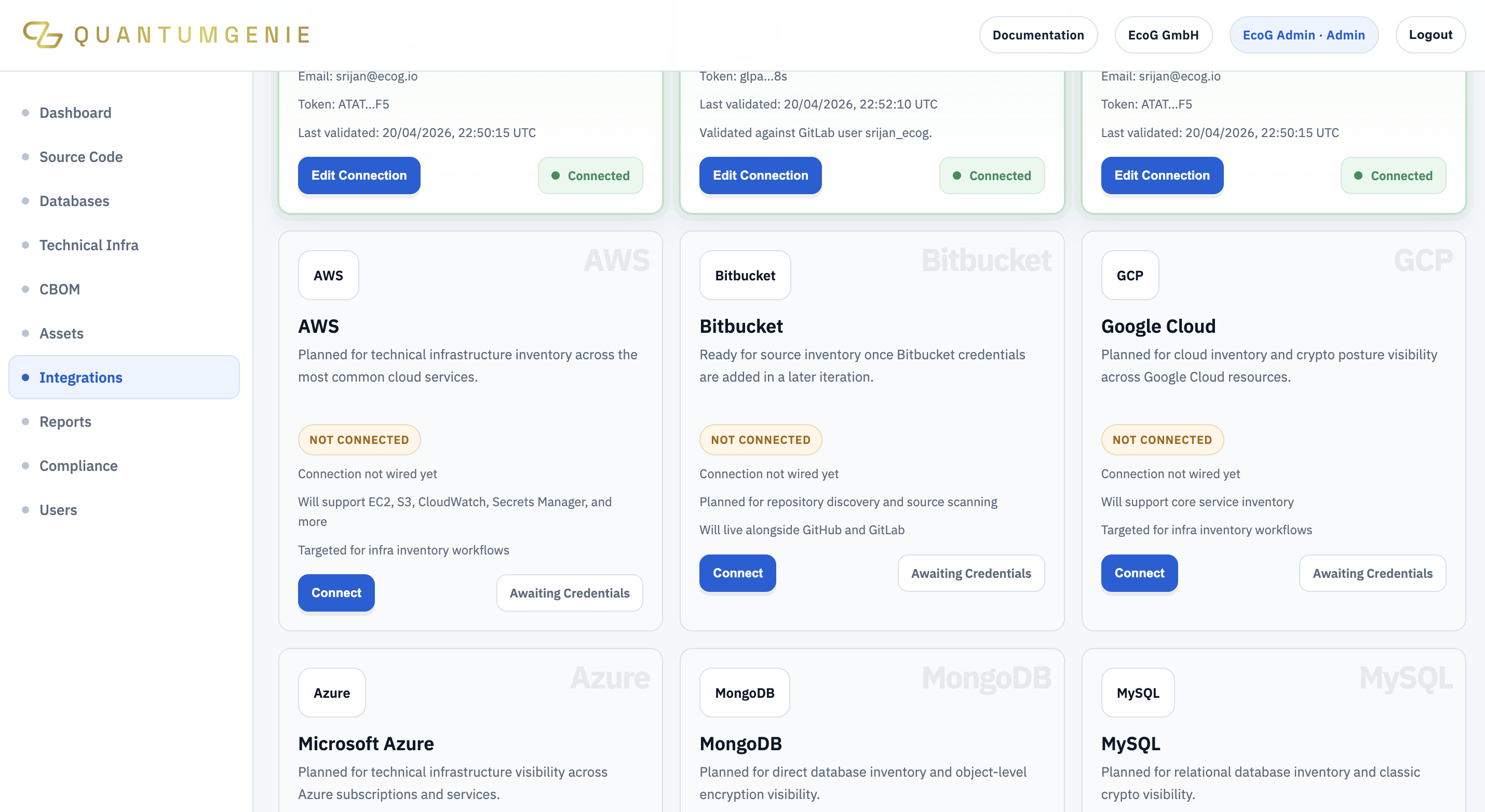
QuantumGenie directly addresses these enterprise challenges by providing an integrated platform for cryptographic discovery, exposure assessment, and migration orchestration. Its CipherScan layer identifies and inventories cryptographic assets—spanning websites, certificates, source code, databases, and integrations—creating an invaluable cryptographic bill of materials (CBOM). The CipherNova orchestration enables prioritized remediation workflows, policy enforcement, and verification processes critical to achieving crypto-agility at scale. In doing so, QuantumGenie empowers CISOs and enterprise architects to confront the harvest-now, decrypt-later threat proactively and to transition securely toward post-quantum cryptography, preserving trust and compliance in a quantum-enabled future.
Frequently Asked Questions
Why is crypto-agility essential for enterprises facing quantum threats?
Crypto-agility enables enterprises to quickly identify and replace vulnerable cryptographic components, ensuring continuous protection as new quantum-resistant algorithms are adopted. Without agility, organizations risk operational disruption and prolonged exposure to quantum attacks.
How does QuantumGenie facilitate compliance with emerging post-quantum standards?
QuantumGenie helps organizations build detailed cryptographic inventories and manage structured remediation workflows. This provides verifiable evidence of due diligence and supports alignment with standards like those published by NIST for post-quantum cryptography readiness.
Watch The Quantum Threat
Sources And Further Reading
- Post-Quantum Cryptography and Quantum Readiness Open Security Architecture · Feb 16, 2026